





Introduction
In the past few decades, the world has witnessed a revolution that has redefined entertainment, sports, and digital interaction. That revolution is called Esports. What began as casual gaming sessions among friends has transformed into a global phenomenon where professional players, massive audiences, and multi-million-dollar investments come together. Esports, short for electronic sports, represents the competitive side of video gaming, where individuals or teams compete in organized tournaments for fame, glory, and substantial prize money. It has evolved from being a niche interest into a mainstream cultural and sporting movement that continues to expand rapidly across continents.
The story of Esports is not only about gaming; it is about human competition, technology, creativity, and community. It tells us how digital play became a legitimate sport, how professional gamers became celebrities, and how a once-underground passion grew into a multi-billion-dollar global industry.
The Origins of Esports
The origins of Esports can be traced back to the 1970s when the first video game competitions began to appear. The earliest known competitive gaming event was held at Stanford University in 1972, where students competed in a game called Spacewar. The prize for the winner was a year’s subscription to a magazine, yet it marked the beginning of something extraordinary.
By the 1980s, arcade games such as Pac-Man and Donkey Kong captured global attention. High scores became the first form of competition, where players aimed to achieve the highest possible score and earn their names on leaderboards. Magazines started featuring record-holding players, giving them recognition similar to traditional athletes.
In the 1990s, the arrival of the internet and more advanced gaming technology changed everything. Games like Doom, Quake, and StarCraft introduced multiplayer experiences that allowed players from different locations to compete directly. This was the true beginning of Esports as we know it. Online gaming communities emerged, tournaments became more organized, and sponsors began to take interest in competitive gaming.
The Early Competitive Scene
The late 1990s and early 2000s witnessed a significant leap forward for Esports. The first professional leagues and organizations began to form. The Cyberathlete Professional League (CPL) and World Cyber Games (WCG) were among the pioneers, bringing structure, rules, and legitimacy to competitive gaming.
South Korea played a particularly crucial role in shaping modern Esports. The country’s government and corporations recognized gaming as a cultural and economic force. Internet cafés, known as PC bangs, became hubs for competitive play. Titles like StarCraft: Brood War became national sensations, with players achieving celebrity status and matches broadcast on dedicated TV channels. The South Korean model became a blueprint for the rest of the world, showing that Esports could be a sustainable profession.
The Global Expansion of Esports
As the 2000s progressed, Esports spread rapidly across Asia, North America, and Europe. The rise of online streaming platforms such as Twitch and YouTube Gaming transformed the accessibility and visibility of competitive gaming. Anyone with an internet connection could now watch live matches, follow their favorite players, and participate in the global gaming culture.
Games such as Counter-Strike, Dota 2, and League of Legends became foundational titles for modern Esports. These games combined deep strategic elements, fast-paced action, and strong community engagement. Professional tournaments like The International for Dota 2 and the League of Legends World Championship began offering multi-million-dollar prize pools, drawing global audiences and mainstream media attention.
Esports was no longer just a subculture — it had become a legitimate industry. Large organizations, corporate sponsors, and investors began to enter the scene. Gaming houses were established to train players, and professional teams operated with coaches, analysts, and managers, much like traditional sports teams.
The Esports Ecosystem
The Esports ecosystem is vast and multi-layered. At its core are the players — talented individuals who dedicate countless hours to mastering their games. Around them exist teams, leagues, organizers, sponsors, and broadcasters, all contributing to the competitive landscape.
Game developers play a critical role by designing titles suitable for competition and supporting them with tournaments, updates, and community engagement. Companies like Riot Games, Valve, and Blizzard have built sustainable competitive systems that ensure long-term growth and balance.
Broadcasting and streaming platforms also form the backbone of Esports. They allow millions of fans to tune in to live events, interact with commentators, and experience the thrill of digital competition in real time. This accessibility has made Esports more democratic than many traditional sports, removing geographical and economic barriers.
The Life of a Professional Esports Player
Becoming a professional Esports player is far from easy. It requires intense focus, discipline, and years of practice. Professional gamers train for hours each day, studying strategies, improving mechanics, and analyzing opponents. The mental and physical strain is often underestimated.
While the idea of playing games for a living may sound glamorous, the reality is competitive and demanding. Many players face burnout, stress, and short career spans. The average age of retirement for Esports players is much younger than in traditional sports, as reaction times and adaptability are critical factors.
However, with growing recognition, many teams now provide psychological support, health programs, and structured schedules to maintain balance. Players are no longer seen merely as gamers but as athletes requiring both physical and mental conditioning.
The Role of Technology
Esports is deeply intertwined with technological advancement. High-speed internet, powerful graphics processors, and sophisticated gaming peripherals have made competitive gaming more precise and immersive. Streaming technology has democratized access, allowing fans to engage directly with players.
Virtual reality and augmented reality are emerging frontiers that could redefine Esports experiences in the future. Meanwhile, artificial intelligence is being used for performance analysis, helping teams understand gameplay patterns, opponent tendencies, and potential strategies.
The rise of blockchain and digital collectibles has also entered the Esports landscape, offering new ways to monetize and engage fans through virtual goods, tokens, and digital ownership models. The relationship between technology and Esports is symbiotic — one drives the other’s evolution.
Esports as a Legitimate Sport
For years, critics argued that video games could not be considered “real sports” because they lacked physical activity. However, this perception has changed dramatically. Esports requires immense skill, reflexes, teamwork, strategy, and discipline — all hallmarks of athletic competition.
Today, major organizations like the International Olympic Committee have acknowledged Esports as a competitive discipline worthy of inclusion in global sporting discussions. Universities and colleges around the world have begun offering Esports scholarships, and professional players represent their nations in international tournaments.
The inclusion of Esports in multi-sport events like the Asian Games marks a major milestone in its journey toward mainstream athletic recognition. The global audience numbers rival those of traditional sports championships, proving that digital competition can inspire just as much passion and excitement.
The Cultural Impact of Esports
Esports has reshaped entertainment and youth culture. It has blurred the lines between gaming, media, and celebrity. Professional players, streamers, and content creators now hold influence comparable to actors and athletes. They attract millions of followers, shape trends, and represent a new form of digital fame.
Esports has also fostered inclusivity and community. It provides opportunities for people of different backgrounds, nationalities, and genders to connect through shared passion. The virtual nature of gaming removes many physical barriers, allowing talent and strategy to shine regardless of location.
Cultural crossovers between Esports and music, fashion, and film have become common. Major artists collaborate with gaming companies, fashion brands design gaming-inspired collections, and gaming events feature live performances. Esports has become not just a form of competition but a centerpiece of digital-age culture.
The Economics of Esports
The economic potential of Esports is immense. Revenues come from sponsorships, advertising, merchandise, ticket sales, and digital content. Major brands from technology to automotive industries have entered the Esports space, seeking to reach the highly engaged and youthful audience.
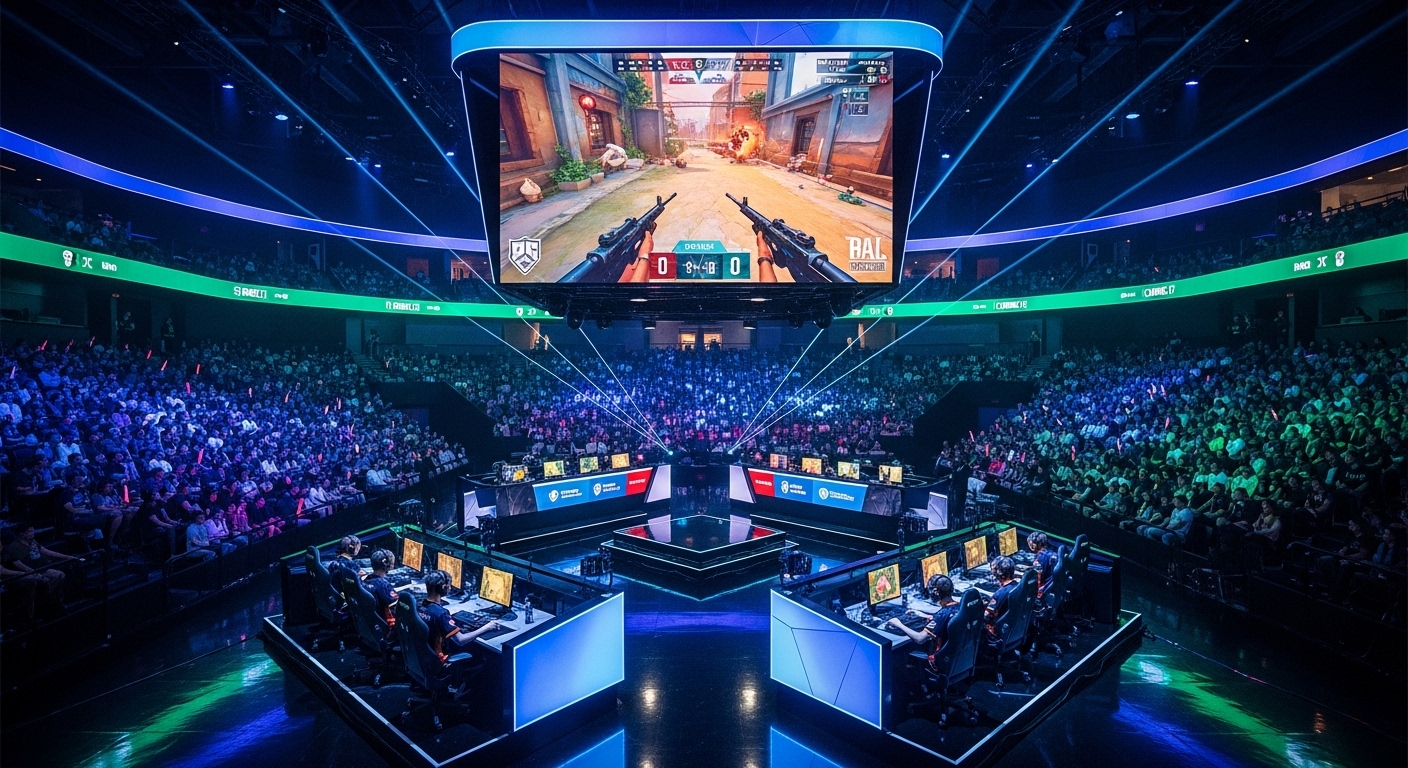
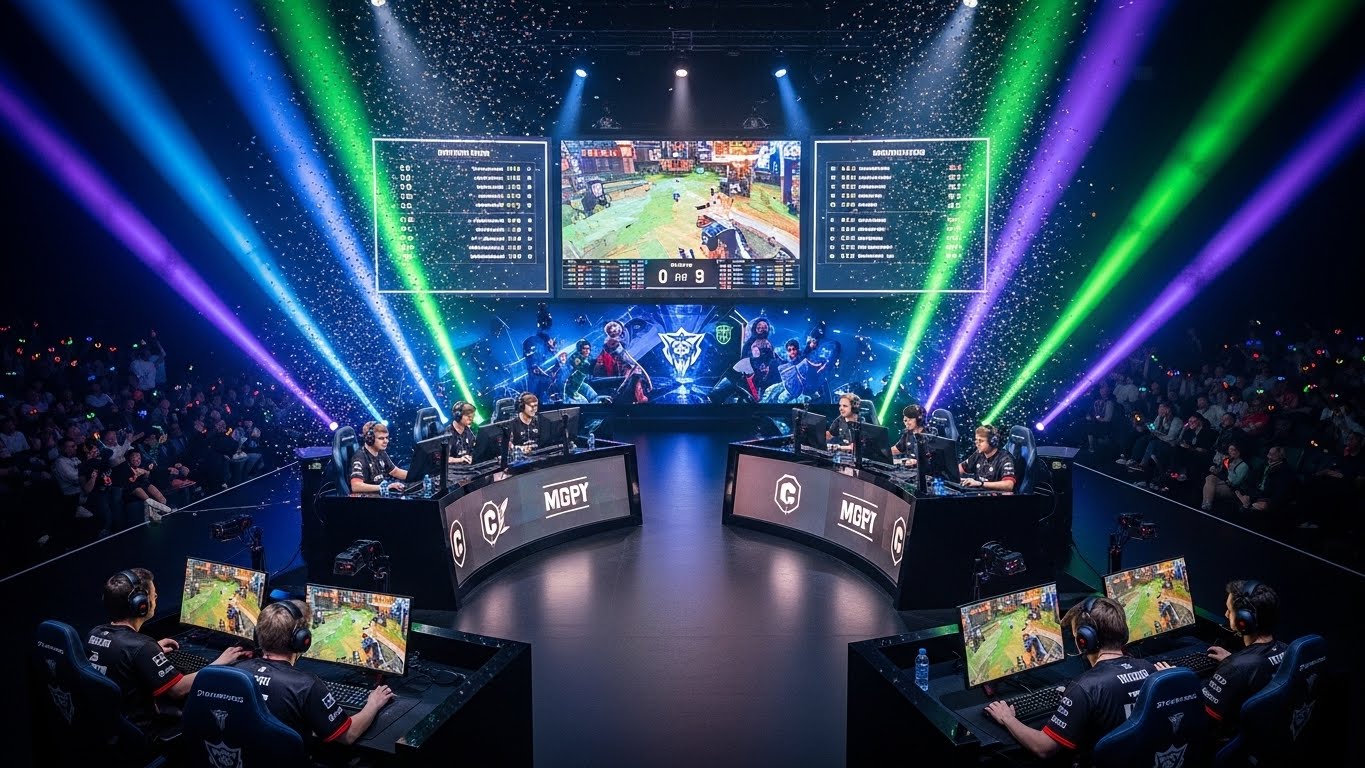
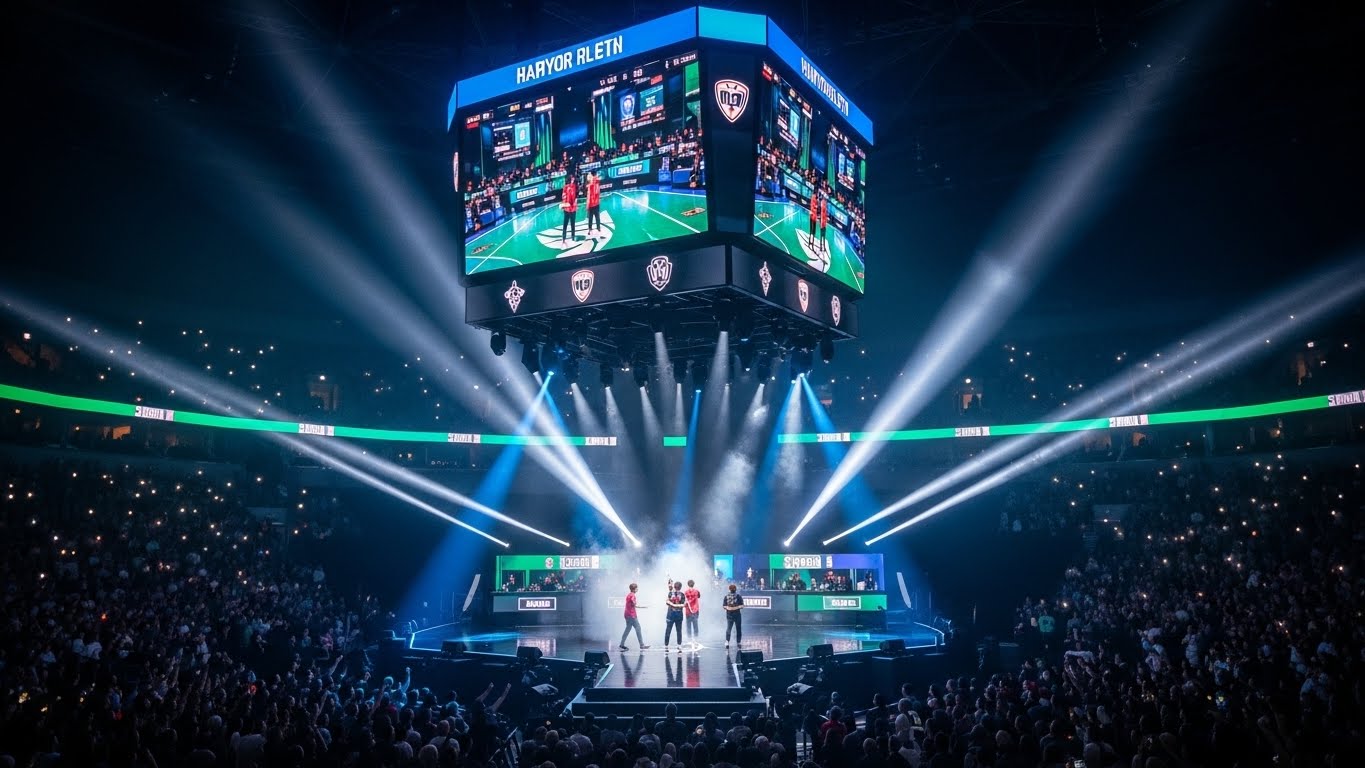
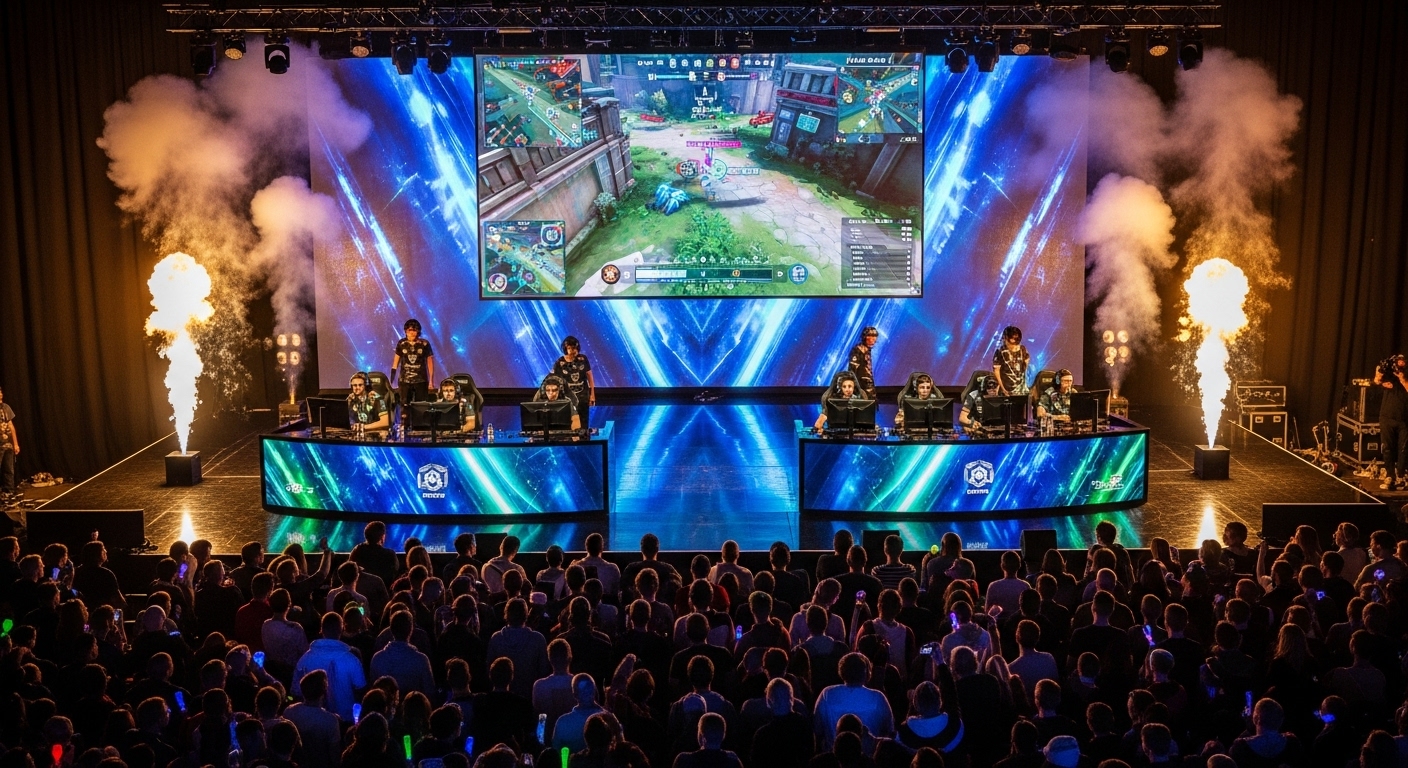
Esports tournaments now fill arenas and stadiums worldwide. Major events such as The International and the League of Legends World Championship draw crowds comparable to those of football or basketball finals. These events generate not only revenue but also tourism and local economic activity.
Streaming platforms monetize through ads, subscriptions, and donations, while players and teams earn from sponsorships and content creation. Some top players make millions annually through combined income streams. Investors and venture capitalists see Esports as a high-growth market that continues to expand despite economic fluctuations.
Esports Education and Career Opportunities
The professionalization of Esports has created new educational and career paths. Universities now offer degrees in Esports management, event production, and game design. Students learn not only about gameplay but also about business, marketing, and broadcasting.
Beyond players and coaches, Esports offers opportunities for commentators, analysts, content creators, event organizers, and software developers. The industry’s ecosystem requires diverse talents, from psychology to data science.
This development has legitimized Esports as a career option. Parents and educators who once dismissed gaming as a distraction are beginning to see its academic and professional value. Esports fosters teamwork, problem-solving, and digital literacy — all essential skills in the modern world.
Challenges Facing Esports
Despite its rapid rise, Esports faces several challenges. One major issue is player burnout due to intense schedules and mental strain. Another is the lack of standardized regulations across different games and regions, leading to inconsistencies in governance.
Cheating and hacking remain concerns, as digital competition opens doors to unethical manipulation. Efforts to establish anti-cheat technologies and fair play systems are ongoing. Additionally, the industry continues to grapple with issues of inclusivity, representation, and diversity.
Financial sustainability can also be volatile, as prize pools often rely on publisher funding. Ensuring a stable income for all participants — not just top players — is crucial for the industry’s long-term health.
The Future of Esports
The future of Esports looks brighter than ever. Technological advancements will continue to enhance both the competitive and viewing experience. Virtual arenas, interactive broadcasts, and AI-driven analysis will create deeper engagement for fans.
As traditional sports organizations invest in Esports teams, the boundaries between digital and physical sports will blur even more. Cross-platform tournaments and hybrid events could become the norm.
Education, healthcare, and even corporate training will begin to adopt Esports principles for skill development and teamwork. Governments may start to regulate and support Esports the way they do with traditional sports, fostering grassroots programs and international competitions.
Esports is poised to become one of the defining cultural and economic forces of the 21st century. Its global community, technological foundation, and universal appeal ensure that it will continue evolving, influencing, and inspiring generations to come.
Conclusion
Esports is no longer a futuristic concept or a youth trend. It is a legitimate, thriving, and influential part of modern life. From small arcade competitions to global championships watched by millions, its journey reflects the power of technology, creativity, and human ambition.
In Esports, players are not just pressing buttons — they are pushing the boundaries of competition, teamwork, and digital innovation. The arena may be virtual, but the passion, skill, and dedication are profoundly real.
As the digital and physical worlds continue to merge, Esports will stand at the intersection of entertainment, sport, and culture — a true symbol of the connected age.