





Introduction
Esports, short for electronic sports, has grown from a niche hobby into a global phenomenon that attracts millions of viewers, players, and investors. Once considered merely a pastime for teenagers and gaming enthusiasts, esports has now carved out a legitimate place in the competitive sports arena. Its rise has not only transformed gaming culture but also impacted technology, entertainment, and even education. This blog explores how esports is shaping the modern world, the factors driving its growth, and the opportunities and challenges it presents.
The Evolution of Esports
The roots of competitive gaming can be traced back to the late 1970s and early 1980s with simple arcade competitions. Early tournaments were small-scale events with limited participants and modest prizes. The rise of multiplayer video games, particularly online games in the 1990s, fueled the growth of competitive gaming. Titles like StarCraft and Counter-Strike created a platform for organized tournaments and professional players. Over the years, esports evolved from informal competitions to structured leagues with professional teams, sponsorships, and dedicated broadcasting channels. Today, it is a multi-billion-dollar industry attracting global attention.
The Popularity of Esports
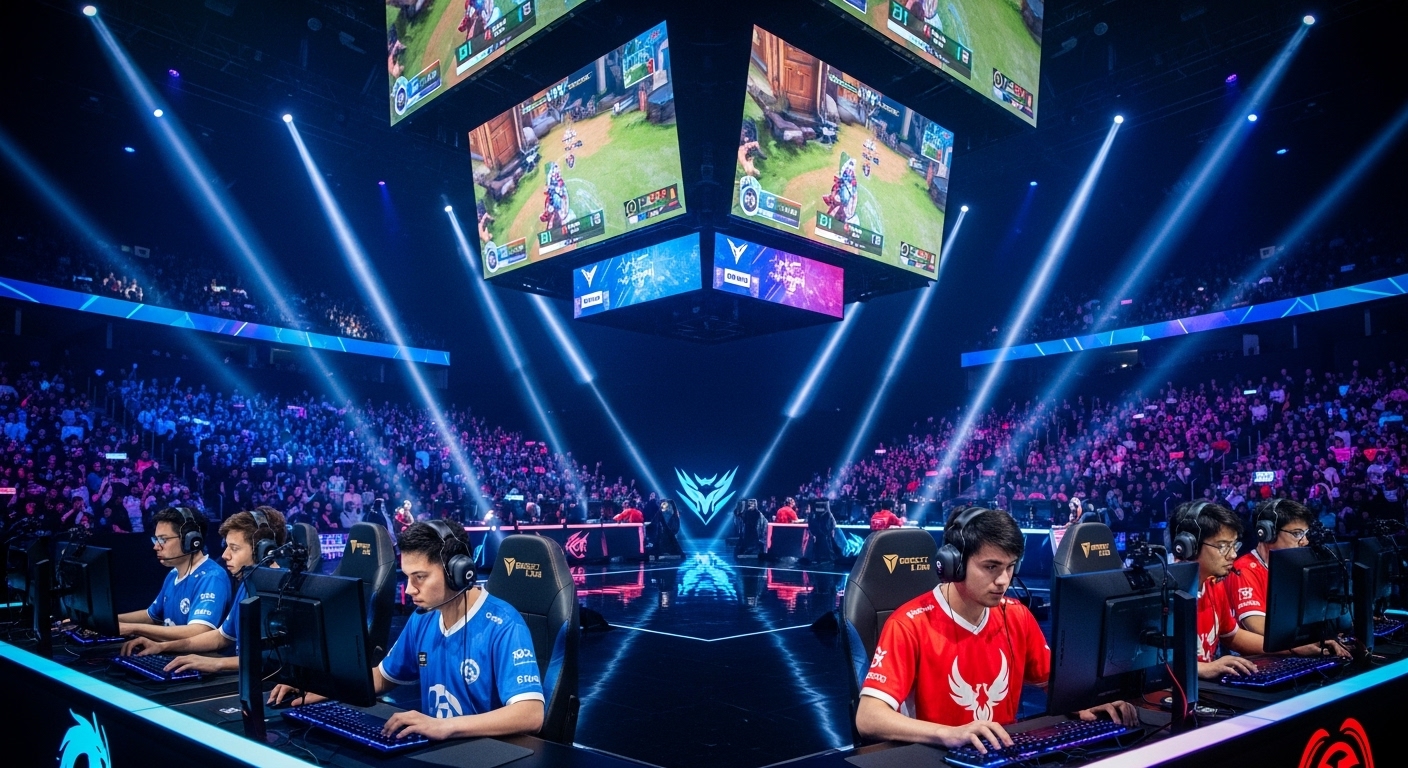
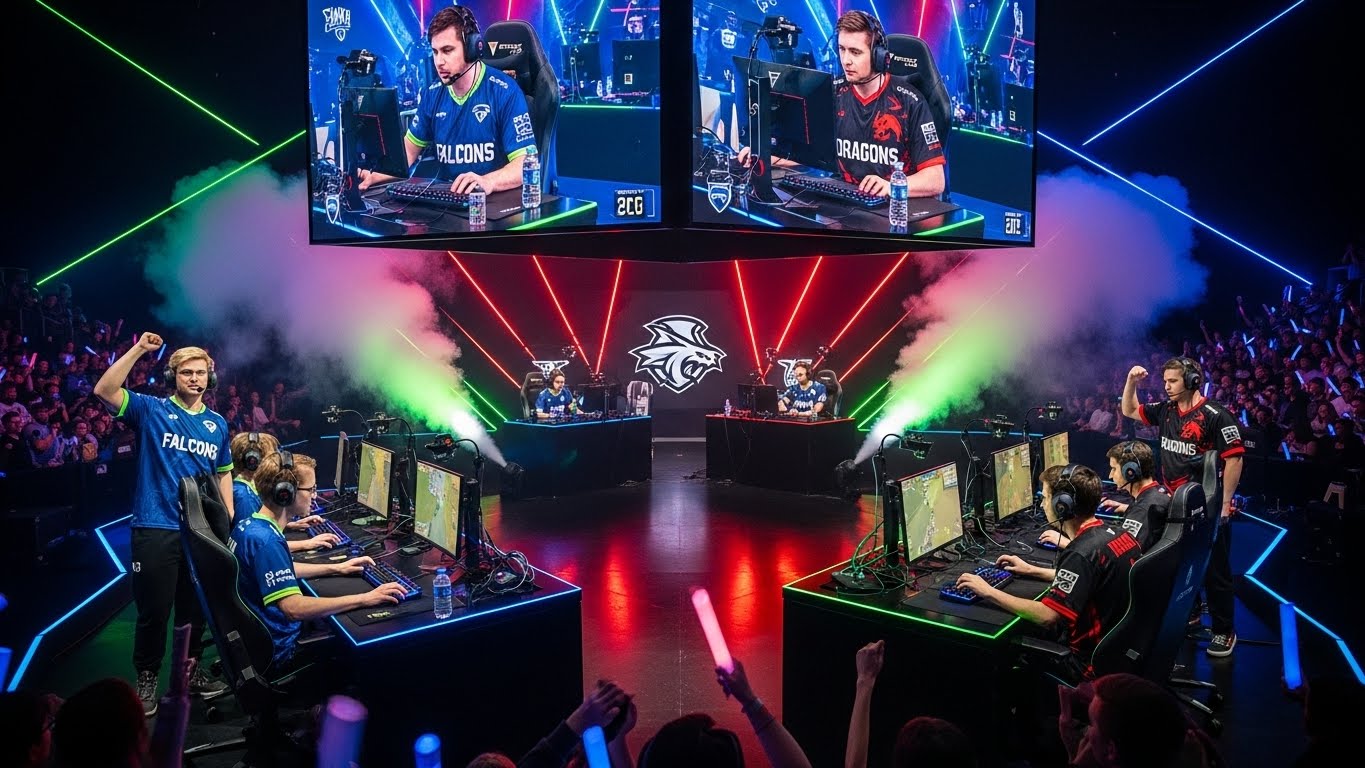
Esports has captured the attention of a wide audience for several reasons. Firstly, the accessibility of online gaming allows players from different parts of the world to compete on a level playing field. Secondly, the sense of community built around games fosters fan engagement. Platforms like streaming services enable players to broadcast their gameplay, creating opportunities for fans to interact in real-time. Major tournaments now fill arenas with thousands of spectators, while millions more watch online. The popularity of esports is not limited to a particular age group or region; it has become a global cultural phenomenon.
Major Esports Titles
Several video games have become the cornerstone of the esports industry. Multiplayer online battle arena games like League of Legends and Dota 2 are among the most popular, known for their strategic gameplay and team-based competition. First-person shooters like Counter-Strike: Global Offensive and Call of Duty attract a competitive audience with fast-paced action and skill-based mechanics. Battle royale games such as Fortnite and PUBG introduced a new genre, emphasizing survival and individual skill within a massive online arena. Sports simulation games like FIFA and NBA 2K have also gained traction, combining traditional sports fandom with digital competition. Each of these games has cultivated its own competitive scene, complete with tournaments, professional teams, and dedicated fan bases.
The Role of Technology in Esports
Technology plays a crucial role in the growth and sustainability of esports. High-speed internet connectivity allows seamless online competition across continents, while streaming platforms provide real-time broadcasting to global audiences. Advanced gaming hardware, from high-performance PCs to specialized controllers, enhances player performance and viewing experiences. Artificial intelligence and data analytics have also made an impact, allowing teams to analyze gameplay strategies, track performance metrics, and improve overall efficiency. Without these technological advancements, esports would not have achieved the scale and professionalism it enjoys today.
Esports as a Career
One of the most intriguing aspects of esports is the emergence of professional gaming as a legitimate career. Top-tier players can earn substantial incomes through tournament winnings, sponsorships, and streaming. Professional teams operate much like traditional sports franchises, with managers, coaches, analysts, and support staff. Beyond players, careers in esports include content creation, broadcasting, event management, marketing, and game development. Universities and colleges have even begun offering esports scholarships, recognizing the value of competitive gaming skills. This professionalization highlights how esports has transitioned from a casual activity into a structured industry with tangible career paths.
The Economic Impact of Esports
The economic footprint of esports has expanded significantly in recent years. Major tournaments offer prize pools in the millions, attracting top talent from around the world. Sponsorship deals with brands ranging from energy drinks to electronics companies fuel industry growth. Streaming platforms generate revenue through subscriptions, advertisements, and donations from fans. Furthermore, esports events drive tourism, with fans traveling to attend live competitions in stadiums and arenas. The global esports market is now valued in billions of dollars, and its economic impact continues to grow as new games, technologies, and business models emerge.
Esports and Cultural Influence
Esports has not only influenced gaming culture but also mainstream entertainment. Celebrities, athletes, and influencers often participate in gaming events, blurring the lines between traditional media and digital sports. Cosplay, fan art, and community-driven content have become integral to esports culture. The global nature of esports fosters cross-cultural interaction, exposing players and fans to diverse perspectives. Moreover, the popularity of esports has challenged traditional notions of sports and competition, emphasizing strategic thinking, reflexes, teamwork, and adaptability. It has proven that intellectual and digital skills can be celebrated on a global stage, much like physical athleticism.
Challenges Facing Esports
Despite its rapid growth, esports faces several challenges. Player burnout and mental health issues are prevalent due to the demanding practice schedules and intense competition. The lack of standardized regulations and governance in some regions creates inconsistencies in tournament organization and player contracts. Cheating, hacking, and match-fixing also threaten the integrity of esports competitions. Additionally, the industry must navigate societal skepticism, as some people still dismiss competitive gaming as less legitimate than traditional sports. Addressing these challenges is crucial for sustaining the long-term growth and credibility of esports.
The Future of Esports
The future of esports looks promising, with technological advancements and growing global interest fueling its expansion. Virtual reality and augmented reality could introduce immersive gaming experiences, transforming how competitions are played and watched. Artificial intelligence may further enhance training methods and strategy development. Additionally, esports is likely to continue integrating with mainstream sports and entertainment, resulting in hybrid experiences that appeal to diverse audiences. As more educational institutions, corporations, and media outlets embrace esports, it is poised to become a permanent fixture in global culture.
Conclusion
Esports has evolved far beyond its humble beginnings as a niche hobby. It has become a global industry that merges technology, entertainment, competition, and culture. From professional players earning millions to fans engaging in massive online communities, esports is redefining how people perceive competition and skill in the digital age. While challenges remain, the continued growth of esports highlights its transformative potential. In a world increasingly driven by technology, esports offers a unique intersection of innovation, entertainment, and human connection, proving that competitive gaming is not just a pastime—it is a global movement reshaping the way we play, watch, and interact with digital sports.