





Introduction
Sports have been part of human civilization since ancient times, serving not just as entertainment but as a reflection of our collective spirit. Whether it’s the rhythmic beating of a basketball on pavement, the echo of a bat meeting a ball, or the roar of a stadium crowd, sports awaken something fundamental in us — the desire to strive, to compete, and to grow.
While many see sports primarily as games or leisure activities, their influence reaches far deeper. They shape personalities, unite diverse communities, and teach values that last a lifetime. In a world increasingly dominated by technology and isolation, sports remain one of the few universal languages that transcend culture, gender, and class.
This blog explores how sports go beyond physical performance — molding minds, building confidence, and nurturing a spirit of unity that defines both individuals and societies.
The Evolution of Sports Through Time
Sports are as old as human history itself. In ancient Greece, physical contests were seen as a way to honor the gods. The Olympic Games, first held in 776 BCE, weren’t just competitions — they were celebrations of discipline, strength, and divine balance. Similar traditions appeared across cultures: wrestling in Mesopotamia, archery in Asia, and the Mesoamerican ball games that carried spiritual significance.
Over centuries, sports evolved from sacred rituals into organized competition. The industrial era gave birth to professional leagues, standardized rules, and global tournaments. With the invention of television, sports became not only a pastime but a shared global experience — capable of uniting billions of people around a single moment, like the World Cup or the Olympics.
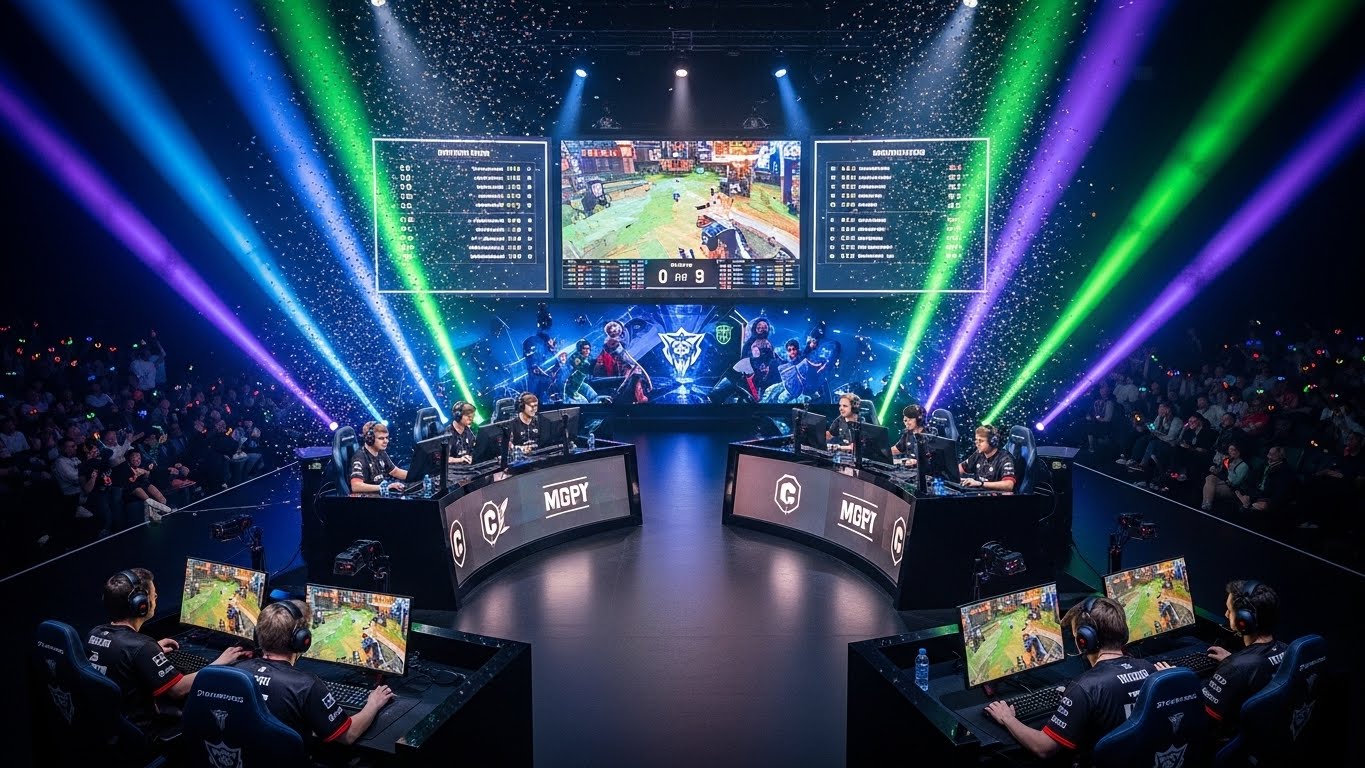
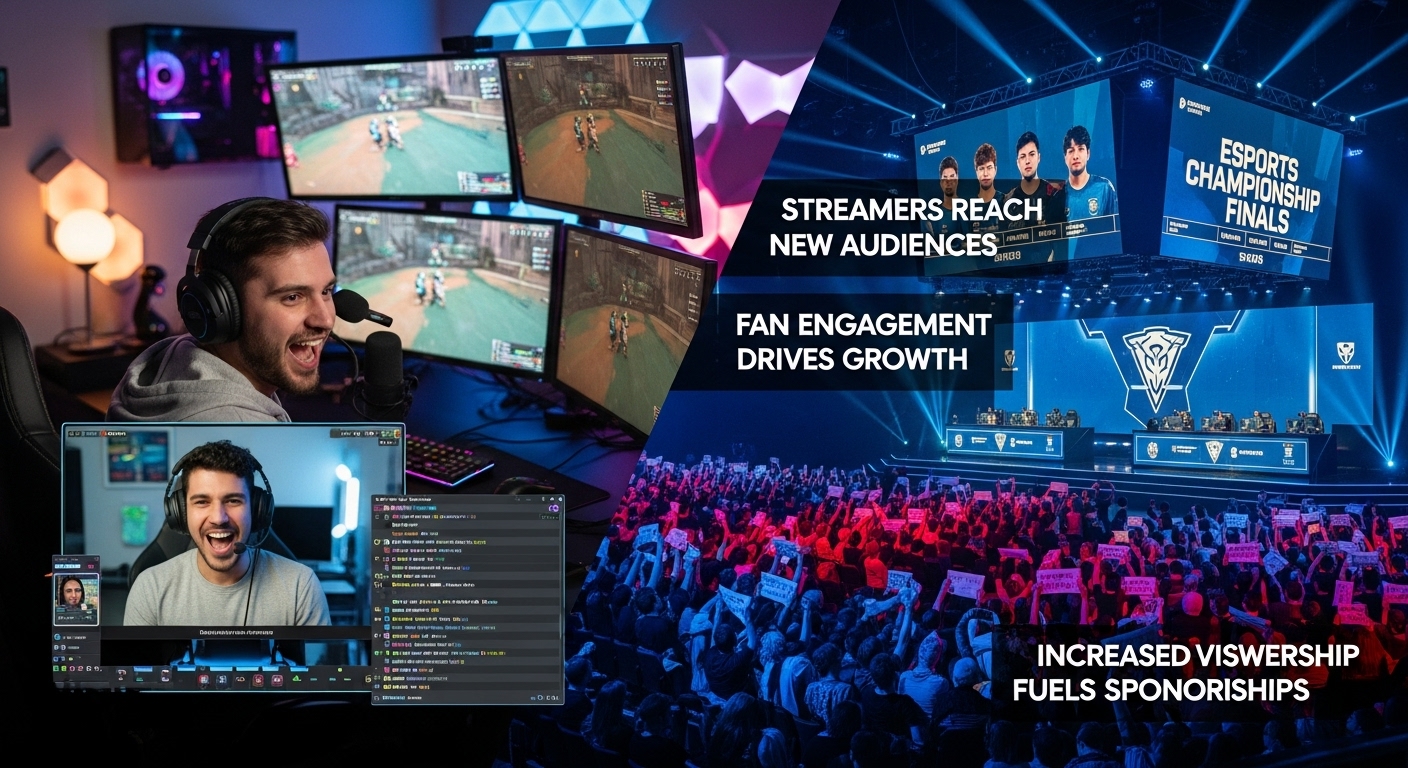
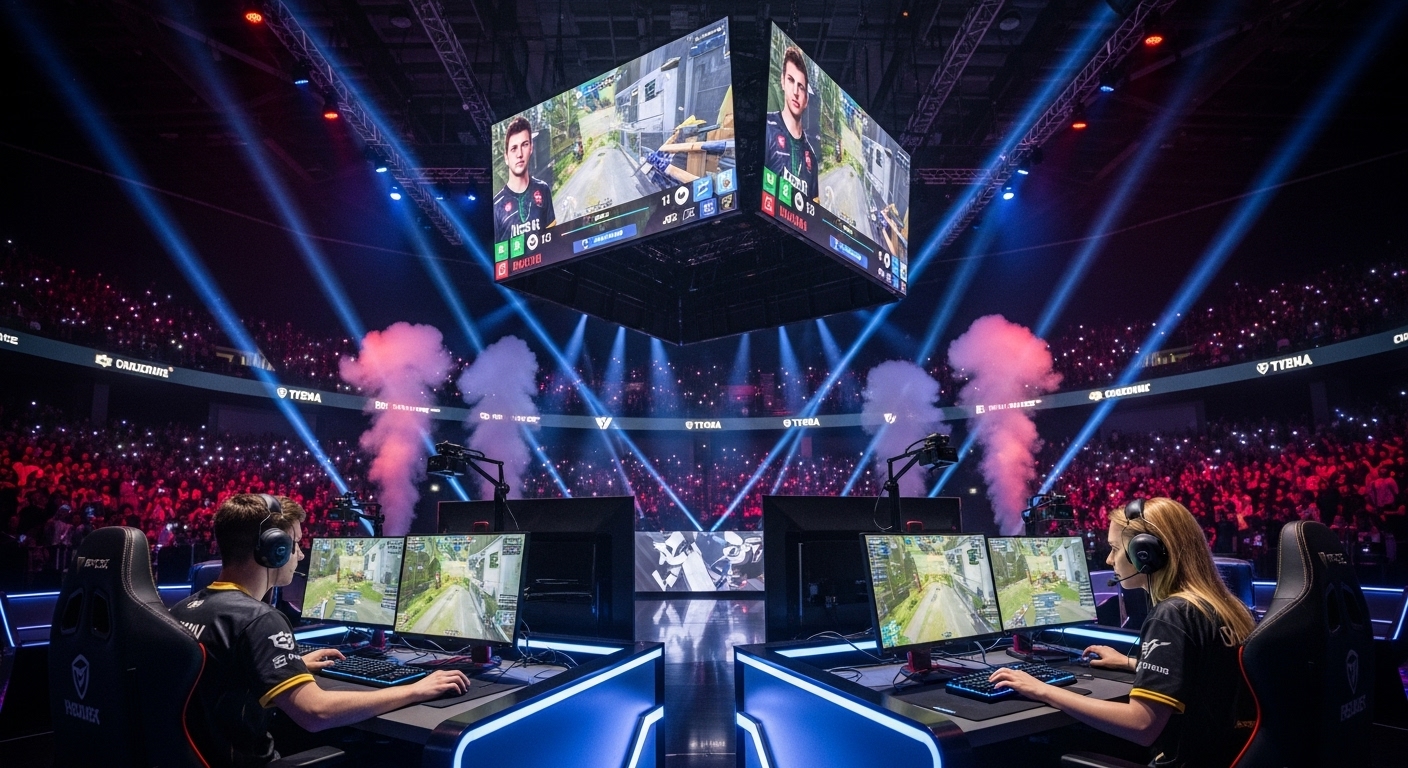
In today’s digital age, sports have entered yet another dimension. Esports, virtual training systems, and analytics-based performance tools are redefining what it means to be an athlete. Yet, despite these changes, the essence of sports remains timeless — pushing human potential to its limits.
The Psychological Benefits of Sports
Beyond physical fitness, sports play a crucial role in mental health and personal development. When a player steps onto the field, their mind engages in a powerful process of focus, discipline, and adaptability.
Discipline and Self-Control
Sports demand consistency. Whether it’s waking up at dawn for practice or maintaining a balanced diet, athletes learn that success doesn’t come from talent alone but from discipline. This lesson, ingrained through years of training, transfers to every aspect of life — from career ambition to personal relationships.
Stress Relief and Mental Clarity
Exercise stimulates the release of endorphins — the brain’s natural stress relievers. Playing sports, even casually, can lift mood, reduce anxiety, and increase concentration. The repetitive rhythm of running, swimming, or cycling has even been compared to meditation, helping athletes achieve a state of calm focus known as “flow.”
Building Resilience
Failure is inevitable in sports. Every missed shot, every loss, becomes a lesson in perseverance. Athletes learn to handle setbacks not as defeats but as stepping stones toward improvement. This resilience is one of the most powerful life skills sports can teach — the ability to rise stronger after every fall.
Sports as a Tool for Building Character
True champions are not defined solely by trophies but by their integrity, teamwork, and humility. Sports, at their core, are moral training grounds.
Teamwork and Cooperation
Team sports, in particular, teach individuals how to function within a group. Players must communicate, adapt to others’ strengths and weaknesses, and trust one another. These lessons extend beyond the field — fostering collaboration in classrooms, workplaces, and communities.
Leadership
Leadership in sports doesn’t always come from the captain. It emerges when someone motivates a teammate, strategizes under pressure, or remains calm in chaos. Sports teach that leadership isn’t about control — it’s about inspiring collective effort toward a common goal.
Fair Play and Ethics
Rules exist to create fairness, and abiding by them is essential to the spirit of sportsmanship. Learning to respect both victory and defeat cultivates humility and empathy — qualities that define not just athletes but good citizens.
The Role of Sports in Building Community
Few things bring people together like sports. In every corner of the world, games create shared identities and collective pride.
Uniting Diverse Groups
A single team can represent an entire nation, city, or culture. When fans gather — cheering side by side regardless of background — barriers of race, religion, and language dissolve. Sports have the power to unify even the most divided societies.
Local Impact
On a smaller scale, community sports programs give youth positive outlets for energy and creativity. Local clubs and school teams provide mentorship, belonging, and structure — steering many away from negative influences.
Global Solidarity
Events like the Olympics or the FIFA World Cup remind the world that competition can coexist with camaraderie. Athletes from rival nations shake hands, exchange jerseys, and celebrate shared humanity. Sports serve as living proof that peace can thrive through mutual respect.
Women in Sports: Breaking Barriers and Redefining Power
For centuries, women faced exclusion from mainstream athletics. Today, female athletes are rewriting history — not just winning medals but changing cultural norms.
Icons like Serena Williams, Megan Rapinoe, and Simone Biles have proven that excellence knows no gender. Their influence extends far beyond courts and arenas, inspiring girls worldwide to dream big.
The rise of women’s leagues and equal pay movements has brought attention to systemic inequalities. But the progress is undeniable. Every record broken by a woman challenges outdated stereotypes and opens doors for future generations.
Women in sports also embody resilience — balancing expectations, criticism, and pressure while achieving greatness. Their victories represent more than personal success; they symbolize the collective triumph of gender equality.
Sports and Education: A Dynamic Partnership
Integrating sports into education cultivates well-rounded individuals. Schools that promote athletics often see improvements not just in fitness but in academics, attendance, and behavior.
The Mind-Body Connection
Physical activity boosts brain function by increasing blood flow and oxygen levels. Studies show that students who engage in sports tend to perform better in memory, problem-solving, and concentration.
Character Development in Schools
Team sports within schools teach leadership, cooperation, and responsibility. They also offer a healthy outlet for emotions, reducing behavioral problems and promoting discipline.
Scholarships and Opportunities
Sports can also serve as a bridge to higher education. For many students, athletic scholarships provide access to universities they might otherwise never attend — turning passion into opportunity.
The Business of Sports: Beyond the Game
Modern sports are not only competitions but massive industries. From broadcasting rights to merchandise sales, they generate billions annually and provide livelihoods for millions.
Marketing and Brand Power
Athletes today are global influencers. Their endorsements shape trends, products, and even social movements. Companies invest heavily in sports sponsorships because the emotional connection between fans and athletes drives loyalty like nothing else.
Economic Growth
Sporting events boost local economies by creating jobs, tourism, and infrastructure. Cities that host major tournaments often experience long-term benefits through improved transport, housing, and global visibility.
Technology and Innovation
From wearable fitness trackers to AI-driven coaching tools, technology is transforming the way athletes train and fans engage. Virtual reality is creating immersive experiences, while analytics help teams make data-driven strategies.
Sports and Social Change
Throughout history, athletes have used their platforms to speak out against injustice.
Sports as a Voice for Equality
Muhammad Ali’s refusal to fight in Vietnam, Tommie Smith’s raised fist in 1968, and Colin Kaepernick’s kneeling protest all exemplify how sports can become a stage for activism. These moments transcend competition, turning arenas into platforms for progress.
Breaking Racial and Cultural Barriers
Jackie Robinson, the first African American in Major League Baseball, didn’t just change a sport — he changed society. His courage paved the way for generations of athletes to pursue their dreams without fear of discrimination.
Sports can challenge prejudice more effectively than speeches ever could, by demonstrating equality through shared struggle and mutual respect.
The Science of Performance: Training the Body and Mind
Behind every victory lies science — biomechanics, nutrition, and psychology working in harmony.
Nutrition and Recovery
Athletes treat food as fuel. Balanced diets rich in proteins, vitamins, and hydration are essential for endurance and muscle repair. Equally important is rest — sleep allows the body to recover, rebuild, and grow stronger.
Sports Psychology
Mental strength often separates good athletes from great ones. Visualization, meditation, and goal-setting are key techniques used to sharpen focus and maintain composure under pressure.
Technology in Training
From GPS trackers that measure speed to AI-powered simulations that analyze movement, technology is redefining athletic preparation. Data-driven insights help athletes fine-tune every aspect of performance — maximizing efficiency and reducing injury risk.
The Future of Sports: Innovation and Inclusion
As society evolves, so do sports. The future promises even more inclusivity, sustainability, and digital integration.
Esports and Virtual Competitions
The line between traditional and digital sports is blurring. Esports tournaments now attract audiences rivaling the Super Bowl, and gamers train with the same discipline as physical athletes.
Sustainability in Sports
Environmental awareness is reshaping event organization. From solar-powered stadiums to recyclable uniforms, the sports industry is taking steps to reduce its ecological footprint.
Inclusive Access
Adaptive sports for people with disabilities are gaining visibility and respect. The Paralympic Games showcase the incredible abilities of athletes once overlooked, proving that determination knows no limits.
Conclusion: More Than Just a Game
Sports are not simply about winning or losing. They are about growth, connection, and transformation. They teach discipline in defeat, humility in victory, and perseverance in adversity. They unite nations, empower individuals, and inspire generations.
Every match played on a dusty field, every race run in silence, carries a story of struggle and triumph. Whether you’re an athlete, a fan, or a casual participant, sports remind us that we are all capable of more than we imagine.
In the end, sports mirror life itself — unpredictable, challenging, and profoundly beautiful.