





Introduction
Esports is no longer a passing trend; it has firmly entrenched itself in the fabric of global entertainment, challenging traditional sports in both cultural significance and financial weight. Over the past two decades, esports has evolved from a niche hobby to a multi-billion-dollar industry, attracting millions of viewers, building loyal fanbases, and creating professional careers for gamers worldwide. What was once seen as a pastime for a select group of enthusiasts is now one of the largest and fastest-growing sectors in global entertainment. This blog post explores the meteoric rise of esports, its cultural impact, economic contributions, and the future of competitive gaming.
The Origins of Esports
The story of esports begins with the early days of video games in the 1970s and 1980s, when arcade games like Pong and Space Invaders became the first multiplayer experiences for gamers. However, it wasn’t until the advent of personal computers and home gaming consoles in the 1990s that esports began to take shape. The introduction of online multiplayer games such as Quake, Warcraft, and StarCraft marked the turning point, allowing gamers to connect globally and compete in real-time.
In the early days, competitive gaming was often limited to local LAN parties or small-scale tournaments. However, the rise of online gaming platforms such as Battle.net in the 1990s enabled the expansion of competitive play beyond geographical boundaries. As games like Counter-Strike and StarCraft gained global popularity, tournaments like the Cyberathlete Professional League (CPL) and the World Cyber Games (WCG) emerged, laying the foundation for what would become a worldwide competitive scene.
By the mid-2000s, esports began to gain more recognition, with major events attracting significant sponsorships and television coverage. The rise of streaming platforms like Twitch in the 2010s played a crucial role in boosting the visibility of esports by allowing fans to watch live tournaments and follow their favorite players from around the world. As a result, competitive gaming evolved from a niche activity into a mainstream phenomenon.
The Growth of Esports: A Global Industry
As esports continued to grow, so did its global reach. By the 2010s, esports had become a truly international spectacle, with tournaments drawing massive viewership both online and at live events. Games like League of Legends, Dota 2, Counter-Strike: Global Offensive, and Fortnite became mainstays of the esports world, each offering professional leagues and tournaments that attracted millions of viewers.
The global scale of esports competitions is truly remarkable. For example, the League of Legends World Championship and The International (Dota 2) regularly draw millions of online viewers, often rivaling the viewership of traditional sports events like the Super Bowl and the FIFA World Cup. In 2019, The International Dota 2 Championship set a record for its prize pool, surpassing $30 million, with top teams battling for the lion’s share. Such events have become not only showcases of incredible gaming talent but also massive cultural celebrations, with live audience events attracting thousands of fans from around the globe.
One of the key drivers of this growth has been the emergence of streaming platforms. Twitch, in particular, has played a pivotal role in broadcasting esports events to millions of fans worldwide. These platforms have enabled fans to watch games live, chat with players, and engage in a way that traditional sports cannot replicate. As a result, esports has built a global community where fans and players interact, share content, and celebrate their favorite teams and players.
The Professional Esports Player: A New Breed of Athlete
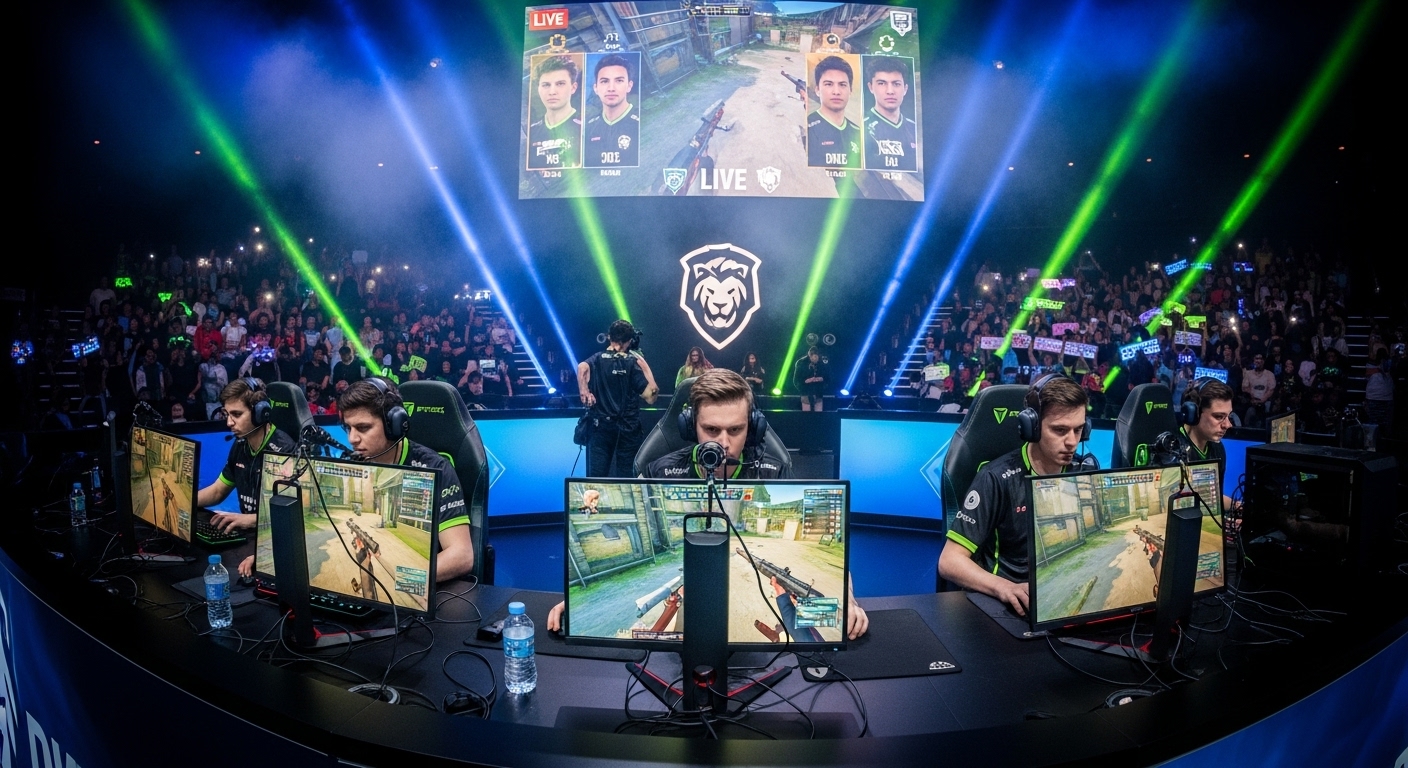
Much like traditional athletes, professional esports players dedicate their lives to perfecting their craft. The life of a pro gamer is one of constant practice, intense training schedules, and high-pressure competition. To compete at the highest level, players must possess not only technical skill but also the ability to think strategically, communicate effectively with their teams, and stay mentally sharp throughout long matches.
The training regimen for professional esports players is rigorous. Many players practice between 8 and 12 hours a day, honing their mechanics, refining their strategies, and studying their opponents. Team-based esports, such as League of Legends, require players to work in harmony with their teammates, understanding each other’s strengths and weaknesses, and developing strategies that give them an edge over the competition. As the level of competition rises, players often work with coaches, analysts, and psychologists to improve their gameplay, mental health, and teamwork skills.
Esports players also have to adapt to the rapidly changing nature of competitive games. Developers frequently release updates, balance patches, and new content, meaning that players must stay up-to-date with the latest developments. Professional gamers must quickly adapt to these changes, sometimes requiring a shift in strategy or a complete change in gameplay mechanics.
Salaries for professional esports players have skyrocketed in recent years. Top-tier players can earn millions of dollars annually from prize money, sponsorships, streaming income, and brand deals. Some players, like Ninja (Tyler Blevins), have crossed over into mainstream celebrity status, becoming household names through their online presence, collaborations with major brands, and media appearances.
The Esports Ecosystem: Teams, Sponsorships, and Events
Just like traditional sports, esports has developed a complex ecosystem that includes professional teams, tournaments, sponsors, and media outlets. Esports teams are often backed by large organizations or investors who provide funding for players’ salaries, travel expenses, and event participation. Teams compete in professional leagues, such as the Overwatch League, Call of Duty League, and Rocket League Championship Series, which operate much like traditional sports leagues with regular seasons and playoff formats.
The sponsorship landscape in esports is vibrant and diverse. Major companies from industries like technology, gaming, apparel, food and beverage, and even finance have partnered with esports teams and tournaments to reach the industry’s massive fanbase. Companies such as Intel, Nike, Coca-Cola, and Red Bull have all invested heavily in esports, seeing it as a way to connect with the coveted millennial and Gen Z demographics. These partnerships help fund tournaments, enhance the fan experience, and allow players to secure lucrative endorsement deals.
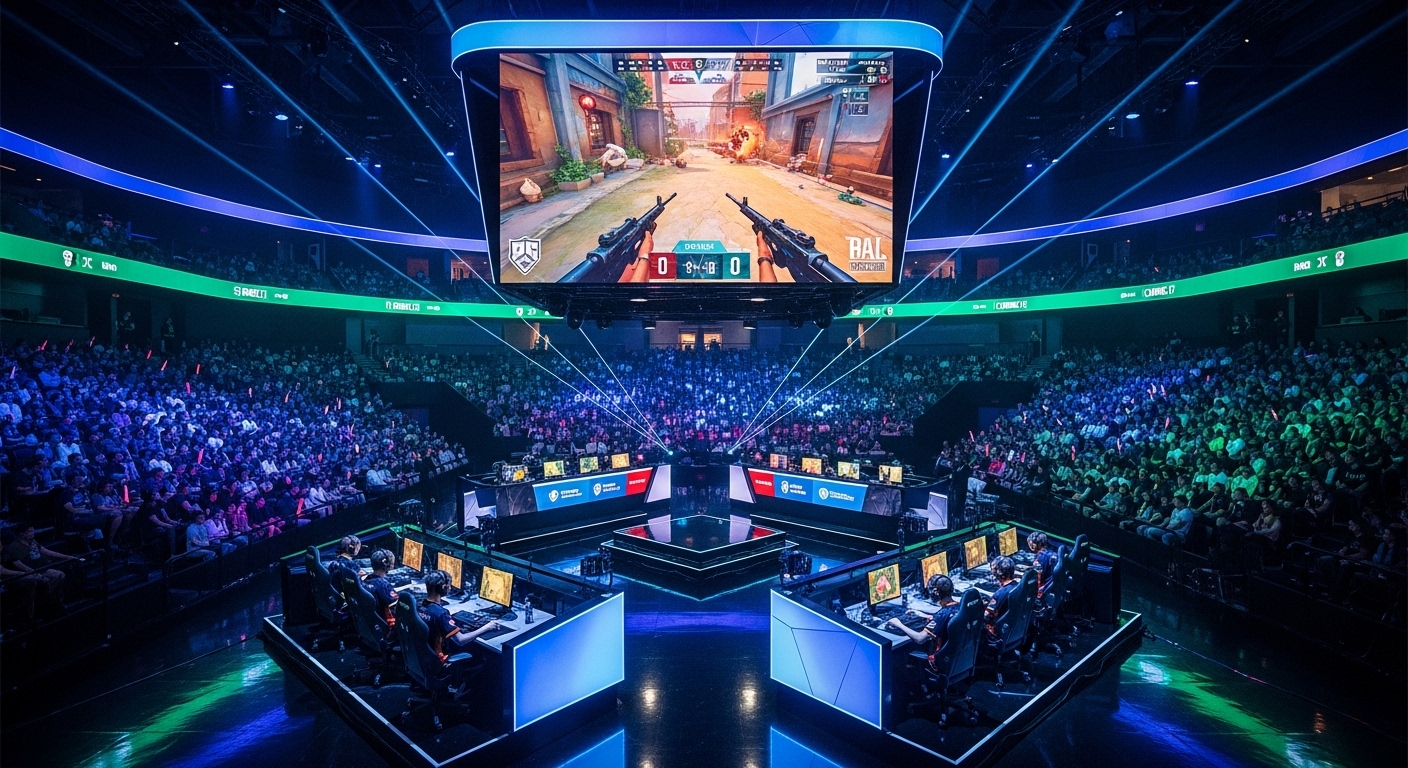
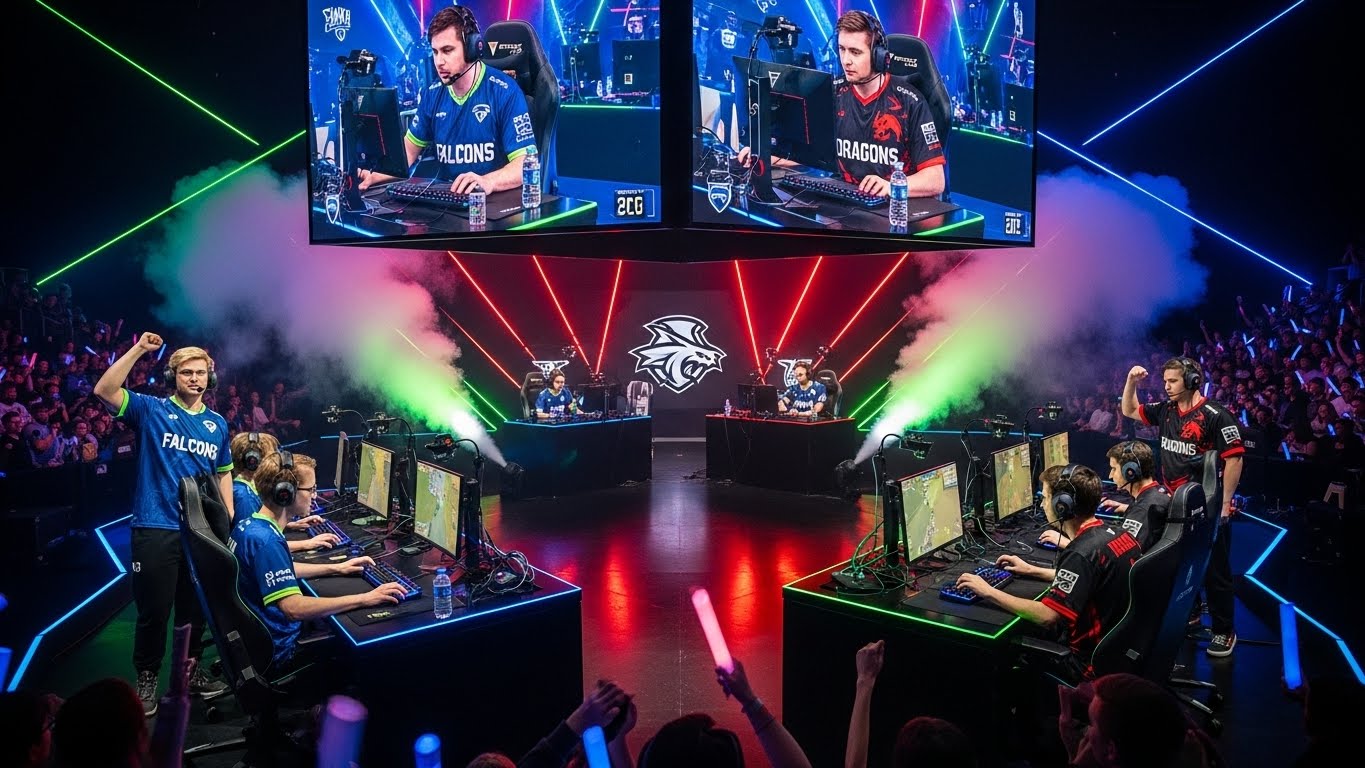
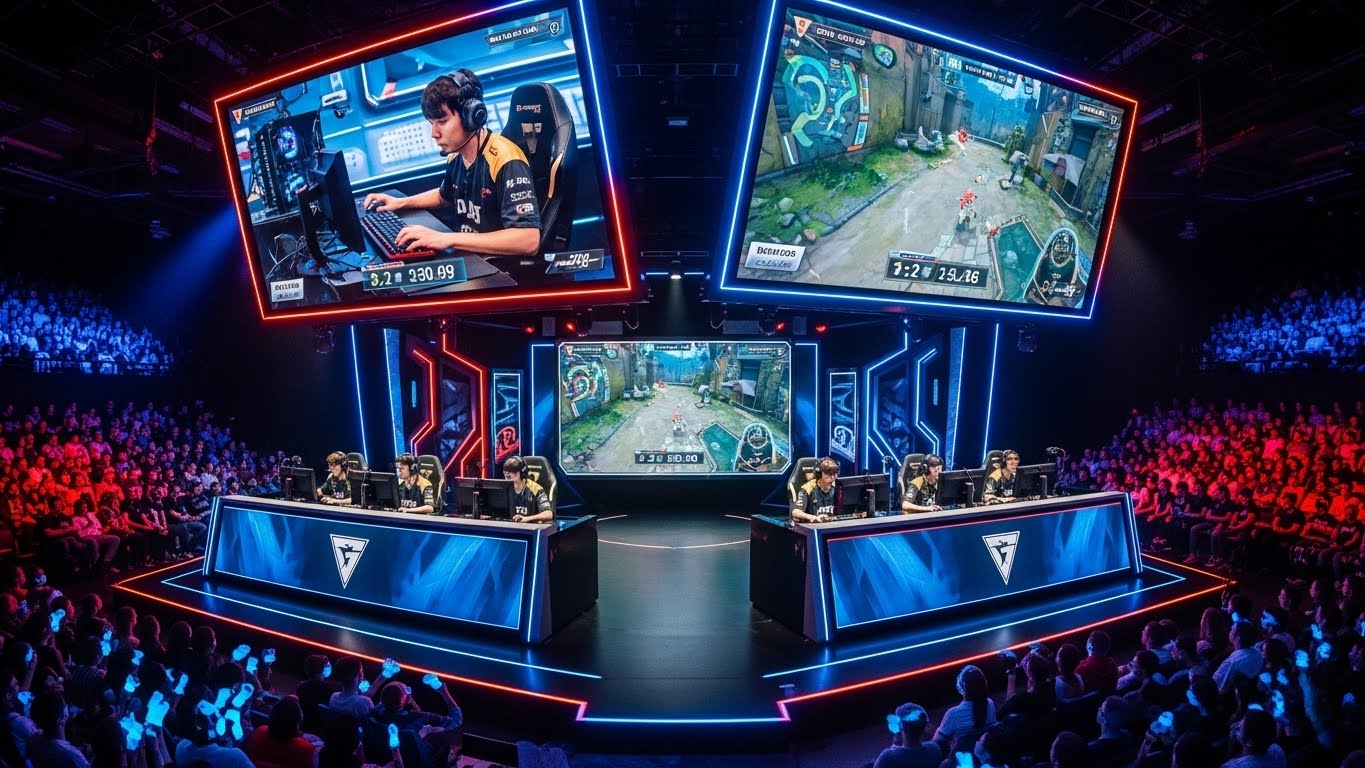
Esports events, from local LAN tournaments to global championships, are a spectacle in themselves. Events like the League of Legends World Championship and The International are broadcast live, drawing massive audiences both in person and online. These tournaments are often held in large arenas, with fans cheering for their favorite teams and experiencing the thrill of the competition firsthand. The atmosphere is electric, and the excitement of these events rivals that of traditional sports leagues. As esports continues to grow, the scale and professionalism of these events will only increase.
The Cultural Impact of Esports
Esports has not only changed the way we watch competition but also the way we engage with gaming as a cultural activity. It has become a cornerstone of online communities, with fans discussing their favorite teams, players, and games on platforms like Reddit, Twitter, and Discord. Esports has introduced a new form of fandom, where followers not only watch games but also create and share content, such as fan art, memes, and even cosplay.
Esports has also helped break down barriers of entry for women and other underrepresented groups. Although the industry is still dominated by men, the increasing visibility of female gamers, casters, and influencers is paving the way for a more inclusive esports culture. Organizations and events are beginning to prioritize diversity and inclusion, offering more opportunities for marginalized groups to compete, work, and engage in the esports ecosystem.
Furthermore, esports has influenced the mainstream media, with television networks such as ESPN broadcasting esports events and covering the industry. Traditional sports organizations, like the NBA and NFL, have also invested in esports, with teams and athletes supporting or even owning esports franchises. This crossover between traditional sports and esports speaks to the growing recognition of esports as a legitimate form of competition and entertainment.
The Challenges Facing Esports
Despite its impressive growth, esports is not without its challenges. One of the biggest obstacles facing the industry is sustainability. The rapid rise of new games, teams, and tournaments has created a highly competitive landscape. Developers and tournament organizers must continually innovate to keep players and fans engaged. Additionally, there are concerns about burnout among players, who often face intense pressure and long hours of practice. Many players struggle to maintain a work-life balance, and mental health issues such as stress and anxiety are common in the esports community.
Another challenge is the need for regulation and governance. As esports continues to grow, it will be necessary to establish standardized rules for tournaments, player contracts, and fair play. Esports is still in its infancy compared to traditional sports, and as the industry matures, ensuring transparency, fairness, and proper player protection will be crucial.
The Future of Esports
The future of esports is bright, with endless possibilities for growth, innovation, and integration into mainstream entertainment. The rise of mobile gaming and cloud gaming platforms will make esports even more accessible, allowing players from all over the world to compete without the need for expensive gaming hardware. Advances in virtual reality (VR) and augmented reality (AR) may also play a significant role in transforming how esports are experienced, adding immersive, interactive layers to the competition.
Esports is also likely to become more integrated into educational systems. As more universities and colleges offer scholarships and degree programs related to esports, students will have opportunities to pursue careers in game development, broadcasting, management, and even coaching. The growth of esports academies and training programs will further professionalize the industry and provide talent pipelines for the next generation of players and leaders.
There is also the possibility of esports becoming part of the Olympic Games. The International Olympic Committee (IOC) has discussed the inclusion of esports in future Olympics,