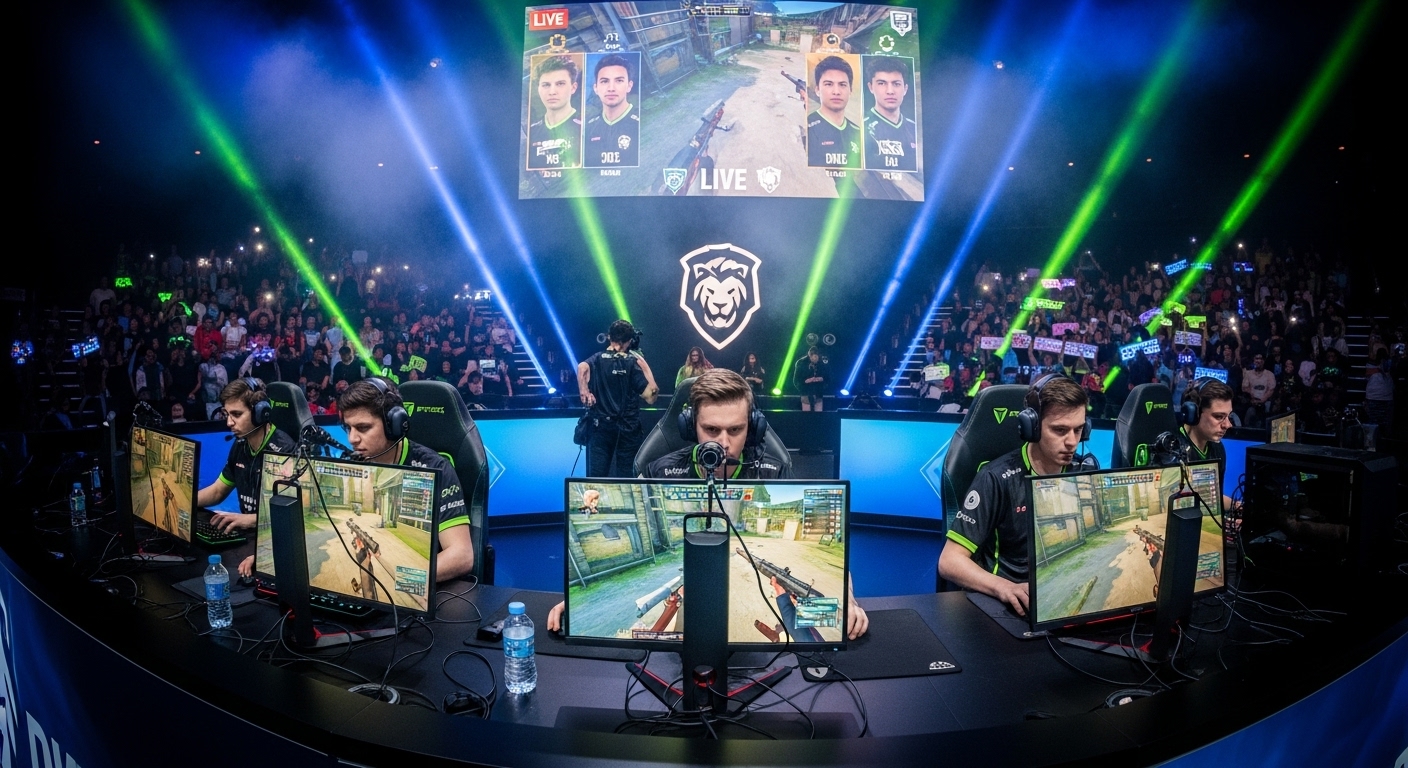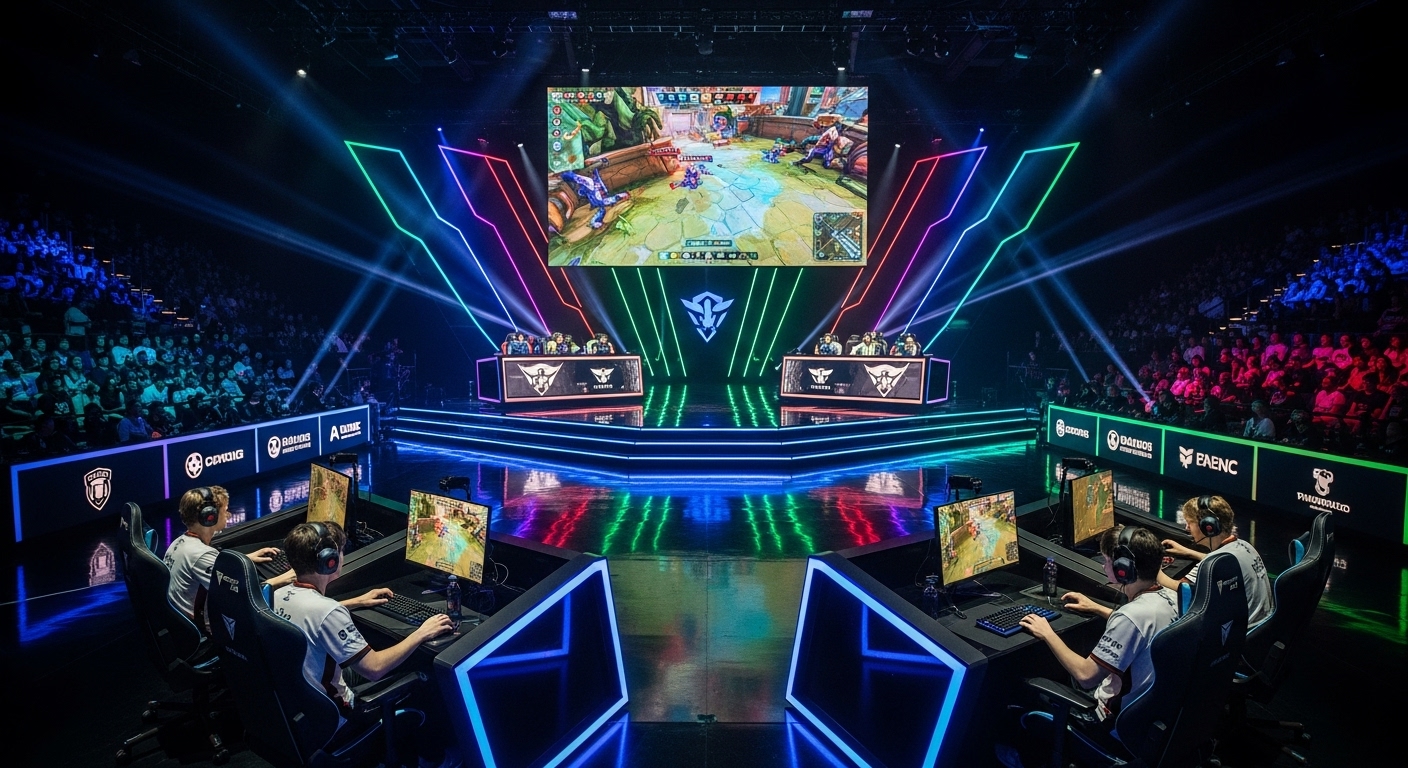






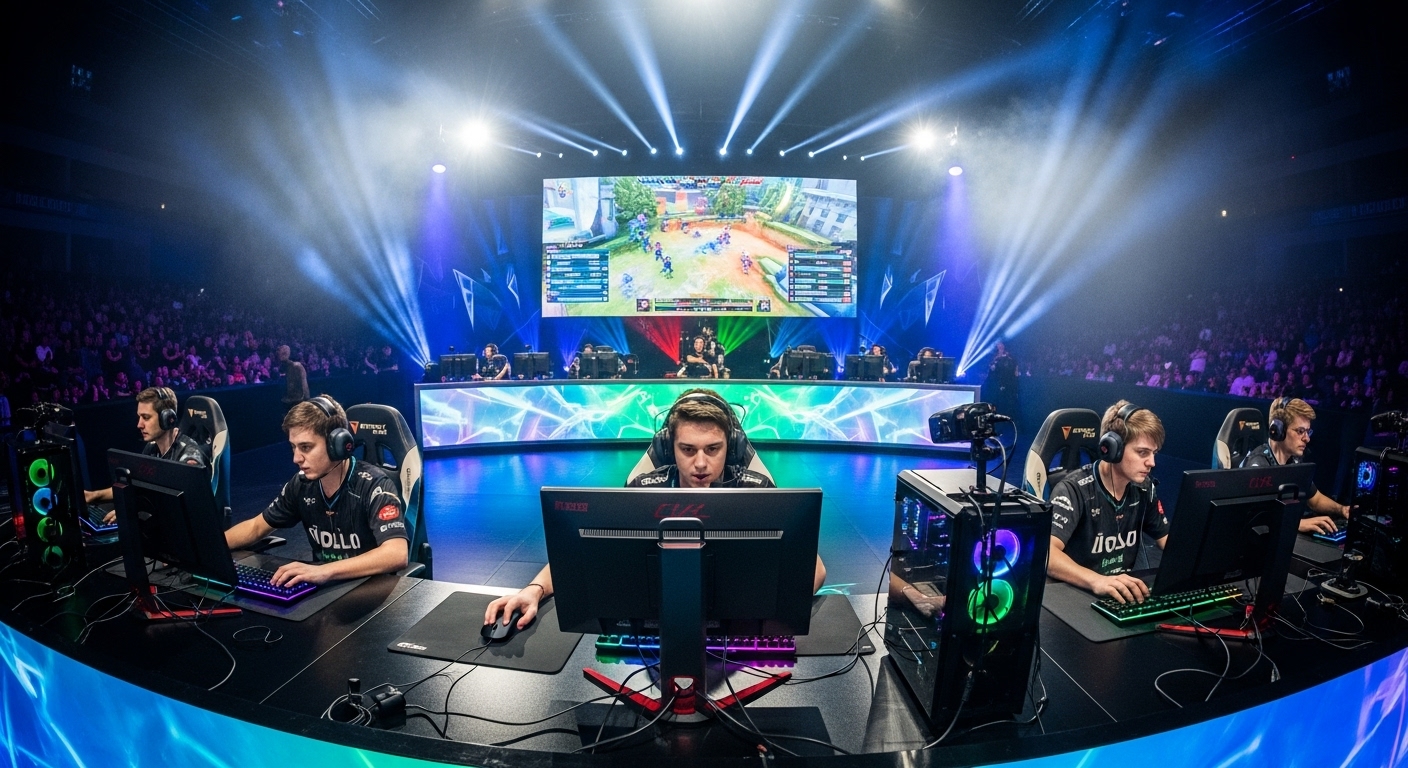
Esports, short for electronic sports, has evolved from a niche hobby into a global phenomenon, captivating millions of fans and creating professional opportunities for players worldwide. The growth of esports over the past two decades has been remarkable, transforming competitive gaming into a legitimate industry with structured leagues, professional teams, and enormous fan engagement. Today, esports is more than just playing games—it represents strategy, skill, entertainment, and culture.
The Early Days of Competitive Gaming
The roots of esports can be traced back to the late 1970s and 1980s, when video games first began gaining popularity. Games like Space Invaders and Pac-Man laid the foundation for competitive gaming. During these early years, competitions were largely local events, often hosted in arcades or universities. One of the earliest known video game competitions was the 1980 Space Invaders Championship, which attracted thousands of participants from across the United States.
As gaming technology advanced, multiplayer games began to gain traction. Titles like Street Fighter II, Quake, and StarCraft helped establish the framework for competitive play. The internet revolutionized esports by enabling online multiplayer gaming, allowing players from different regions to compete against each other. By the late 1990s and early 2000s, esports was starting to form communities, with forums and online networks facilitating organized competitions and strategy sharing.
Defining Esports Today
Esports today encompasses competitive video gaming played at a professional level. Unlike casual gaming, esports involves rigorous training, strategy, and teamwork. Professional players often dedicate hours daily to improving their mechanics, understanding game meta, and coordinating with teammates. Competitions range from small online tournaments to massive global events with live audiences, broadcasting, and sponsorship deals worth millions.
The genre diversity in esports is staggering. Popular games span first-person shooters, real-time strategy, multiplayer online battle arenas (MOBA), and sports simulations. Titles like League of Legends, Dota 2, Counter-Strike: Global Offensive, and Fortnite dominate the scene, attracting massive fan bases and sponsorship deals. Each game has its own ecosystem, rules, and community, creating unique competitive cultures.
The Structure of Esports Competitions
Esports competitions are often organized into leagues, tournaments, and championships, similar to traditional sports. These events can be online, offline, or hybrid, and they often involve stages like qualifiers, group stages, and finals.
Professional leagues, such as the League of Legends Championship Series (LCS) or Overwatch League, operate year-round, offering teams consistent schedules and opportunities for competitive growth. On the other hand, tournaments like The International for Dota 2 provide one-time mega events with staggering prize pools that attract global attention.
The structure also involves professional organizations managing teams, coaching staff, analysts, and sponsorship relations. Players often sign contracts, earn salaries, and compete internationally, turning esports into a full-time career path.
The Role of Technology in Esports Growth
Technological advancements have been a driving force behind the expansion of esports. High-speed internet, streaming platforms, and gaming hardware innovations have made it possible for players and fans to connect globally.
Streaming platforms, particularly Twitch and YouTube Gaming, have played a crucial role in esports’ popularity. They allow fans to watch live competitions, engage with players through chat, and access exclusive content. This interactive experience differentiates esports from traditional sports, fostering community engagement and fan loyalty.
Gaming hardware has also evolved significantly, enhancing the competitive experience. High-refresh-rate monitors, gaming mice with precise sensors, mechanical keyboards, and ergonomic setups give players the tools they need to perform at their best. Virtual reality and augmented reality gaming are beginning to enter the competitive scene, offering immersive experiences and opening doors to new genres of esports.
Esports and Professional Players
Professional esports players are now recognized as athletes in their own right. Unlike traditional athletes, esports players rely on reflexes, strategic thinking, teamwork, and mental endurance rather than physical strength. Training regimens for esports players include hours of daily practice, studying game footage, and analyzing opponents’ strategies.
Mental health has become a significant concern for professional players. The demands of competitive gaming, including long practice hours, intense travel schedules, and online scrutiny, can lead to burnout. Organizations are increasingly investing in sports psychologists, wellness programs, and structured training schedules to ensure player longevity.
Moreover, esports has created global opportunities for young talent. Players from countries like South Korea, China, and the United States dominate competitive scenes in different genres, while countries like Brazil and Germany are emerging as strong contenders in the international esports arena. This global reach highlights esports as a unifying platform for diverse communities.
Economic Impact of Esports
Esports is a multi-billion-dollar industry. Revenue streams include sponsorships, advertising, media rights, merchandise, and ticket sales. Major brands from outside the gaming industry, including technology companies, energy drinks, and sports apparel brands, have recognized esports as a lucrative avenue to reach younger audiences.
Prize pools in esports tournaments have reached record highs. For example, The International 2021 for Dota 2 had a prize pool exceeding $40 million, with the winning team earning tens of millions individually. These large prize pools, combined with salaries, streaming revenue, and sponsorship deals, make esports a financially viable career for top players.
Additionally, esports contributes to local economies. Hosting large tournaments in arenas attracts tourism, media coverage, and investment. Cities like Los Angeles, Shanghai, and Seoul have become hubs for esports events, creating employment opportunities and boosting local businesses.
Esports as a Cultural Phenomenon
Beyond competition, esports has become a cultural movement. Fans identify with teams and players, celebrate victories, and engage in online communities. Cosplay, fan art, memes, and social media interactions contribute to a vibrant ecosystem surrounding esports.
Esports also influences fashion, music, and entertainment. Many esports organizations collaborate with brands to release merchandise, apparel, and digital collectibles, blending gaming culture with mainstream trends. Celebrity endorsements and crossover appearances in popular media further elevate esports’ cultural relevance.
Education and Esports
Esports has penetrated the education sector as well. Universities around the world now offer esports programs, scholarships, and degrees focusing on game design, management, and competitive play. Student-led teams compete in collegiate esports leagues, providing a structured pathway for young talent to enter professional circuits.
Educational institutions see esports as more than entertainment; they recognize its potential to develop teamwork, strategic thinking, communication skills, and technological literacy. By integrating esports into academic programs, schools are legitimizing it as a valuable field for personal and professional development.
The Challenges Facing Esports
Despite its growth, esports faces several challenges. Cheating, hacking, and match-fixing threaten the integrity of competitions. Governing bodies and organizations are working to implement fair play standards, anti-cheat technology, and regulatory frameworks to address these issues.
Another challenge is public perception. While esports has gained mainstream recognition, some still view it as a recreational hobby rather than a legitimate sport. Advocacy, media exposure, and education are essential to shifting perceptions and increasing societal acceptance of esports.
Mental and physical health concerns also persist. Prolonged screen time, poor posture, and repetitive strain injuries are common among competitive players. Organizations must prioritize wellness programs, regular breaks, and ergonomic setups to ensure player longevity and safety.
The Future of Esports
The future of esports looks promising. As technology continues to advance, new genres, immersive experiences, and interactive platforms will emerge. Virtual reality esports, augmented reality games, and cloud gaming have the potential to redefine competitive play, expanding the audience and participant base even further.
Global expansion is another key factor. Emerging markets in Africa, South America, and Southeast Asia are showing increasing interest in esports. This expansion will diversify the talent pool, increase sponsorship opportunities, and enhance cultural exchange within the global gaming community.
Integration with traditional sports is also on the horizon. Many sports organizations are investing in esports teams, hosting esports versions of their games, and collaborating with gaming companies. This convergence will continue to blur the lines between digital and physical sports, creating hybrid entertainment experiences.
Conclusion: Esports as a Mainstream Phenomenon
Esports has grown from humble beginnings in arcades and early online communities to a global powerhouse attracting millions of fans, sponsors, and players. It is a unique blend of competition, culture, technology, and entertainment, redefining what it means to be an athlete in the digital age.
With professional leagues, international tournaments, lucrative careers, and cultural influence, esports has cemented itself as more than just a trend—it is a legitimate and enduring industry. As technology advances, global audiences expand, and communities continue to grow, esports will undoubtedly remain a defining feature of modern entertainment for years to come.