





Introduction: The Growing Influence of Esports
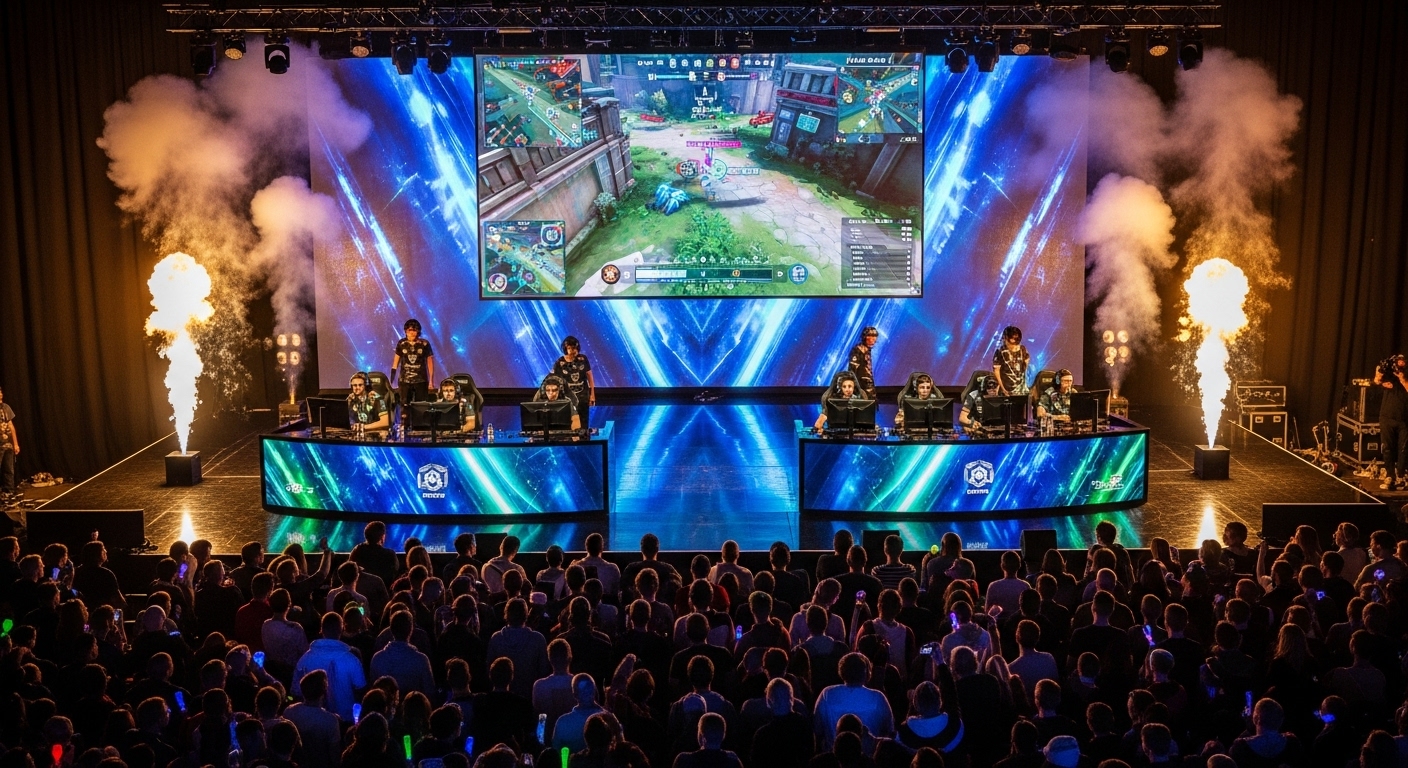
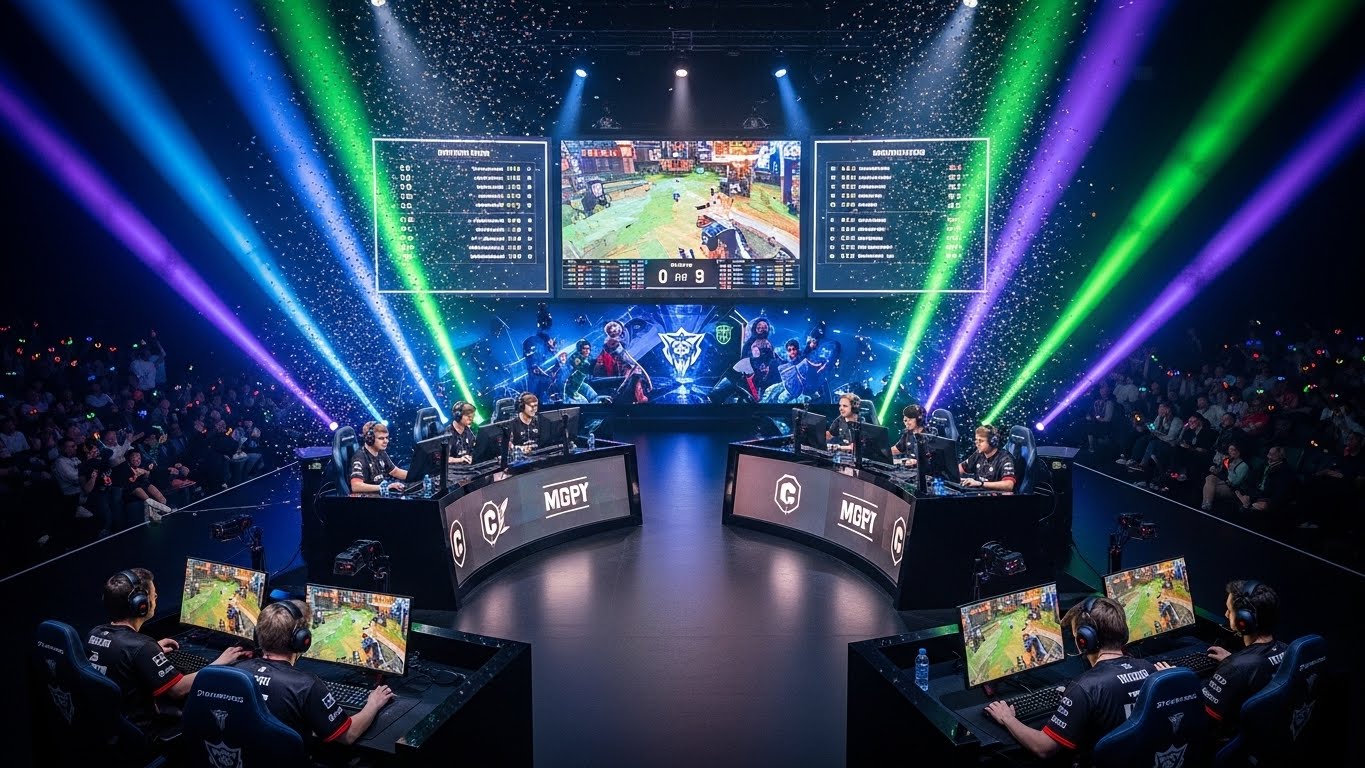
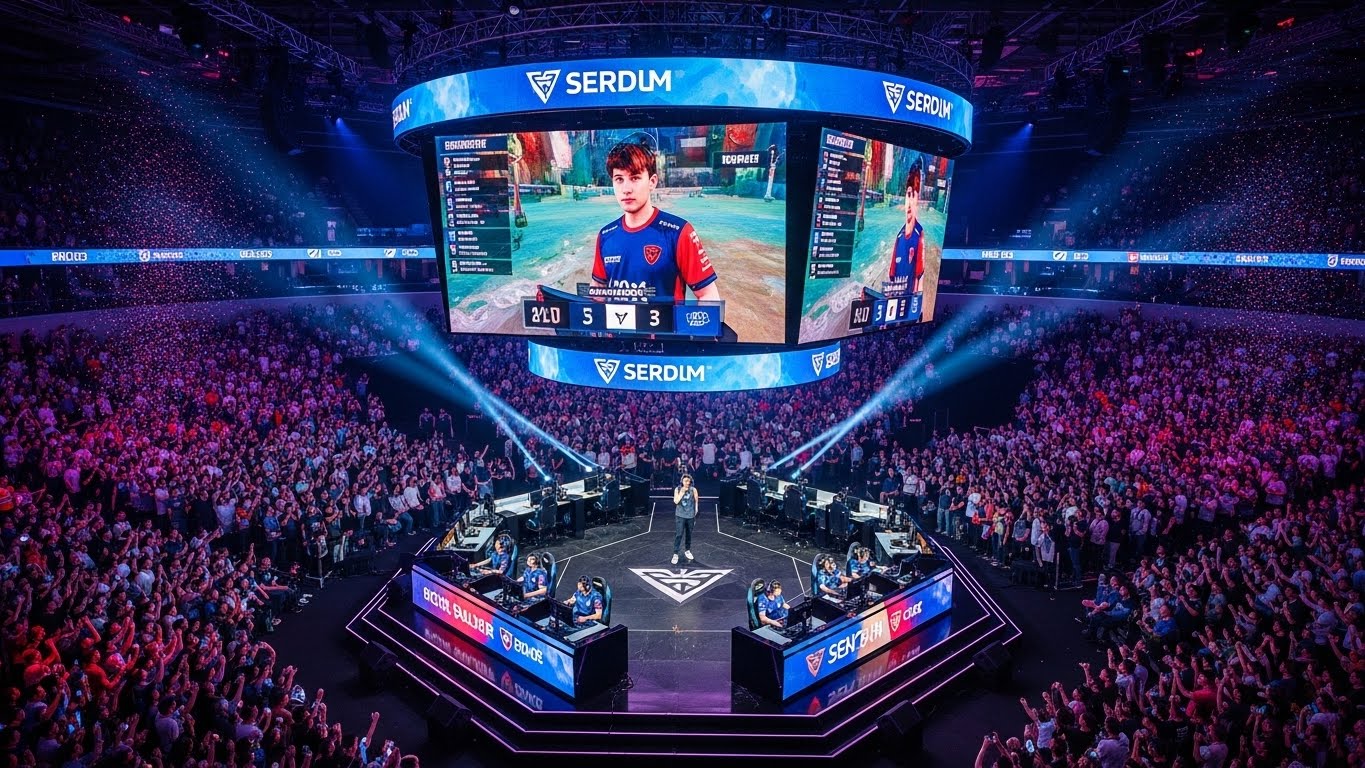
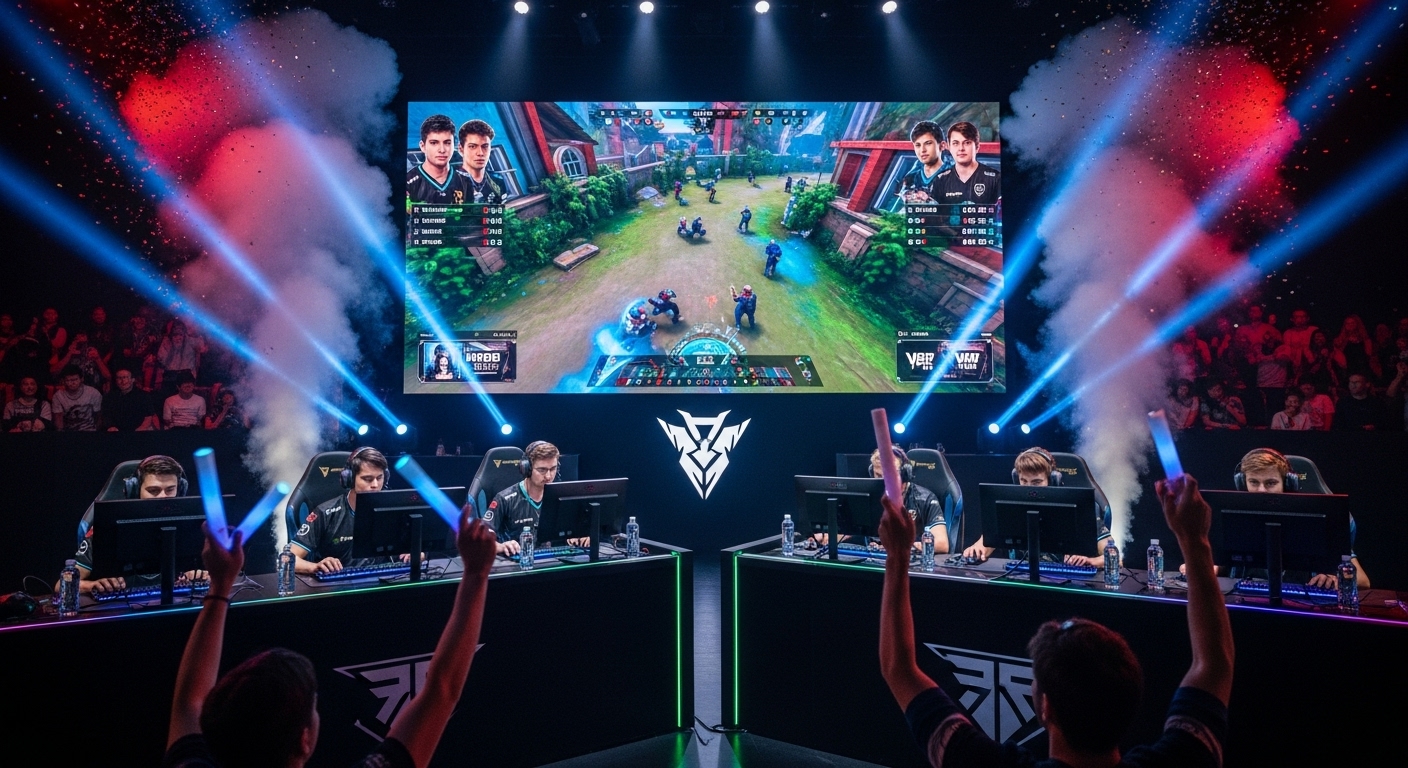
Esports has evolved far beyond its origins as a pastime for gamers into a cultural phenomenon that has captured the attention of millions around the globe. While competitive gaming started as small gatherings and tournaments in the early days of gaming, today, esports is a multi-billion-dollar industry. Professional leagues, global tournaments, and massive fanbases have turned what was once a niche hobby into an entertainment powerhouse.
As esports continues to grow in both scope and popularity, it is reshaping the landscape of traditional sports, entertainment, and even career opportunities. From the rise of streaming platforms to the creation of dedicated esports arenas, the world of competitive gaming is expanding rapidly. In this blog post, we’ll explore the history, impact, and future of esports, examining how this digital revolution is changing the way we think about competitive sports.
The Early Days: A Niche Hobby Turns Competitive
The roots of esports can be traced back to the early days of video gaming. The 1970s and 1980s saw the advent of arcade games, which set the stage for the first competitive gaming experiences. While these games, such as Pong and Space Invaders, allowed players to compete for high scores, the concept of organized tournaments was still in its infancy.
The real foundations of esports began to take shape in the 1990s with the rise of multiplayer games. Titles such as Doom and Quake introduced players to the concept of local area network (LAN) play, where gamers could compete against each other in real-time over a network. As LAN parties became more popular, the idea of formal esports competitions began to take hold.
In 1997, the Red Annihilation tournament for Quake became one of the first major esports events, attracting players from around the world to compete for a substantial prize. By the early 2000s, organized tournaments such as the World Cyber Games and Electronic Sports League began to establish a framework for professional gaming. These events helped elevate esports from a casual hobby to a competitive sport, drawing attention from players, fans, and sponsors alike.
The Growth of Esports: Streaming Platforms and Global Viewership
The next significant leap in the rise of esports came with the advent of streaming platforms like Twitch and YouTube Gaming. These platforms allowed gamers to broadcast their gameplay to a global audience in real-time, opening the door to new possibilities for engagement. For the first time, fans could watch live streams of major esports tournaments, follow their favorite players, and engage with the gaming community through live chats and commentary.
As streaming platforms gained popularity, esports events grew in size and viewership. The League of Legends World Championship, Dota 2’s The International, and Counter-Strike: Global Offensive tournaments became some of the most-watched events in the world, drawing millions of viewers from across the globe. In fact, the viewership of some esports tournaments has surpassed traditional sporting events, with the League of Legends World Championship routinely attracting more than 100 million viewers in its annual broadcast.
The rise of digital platforms transformed esports into a global, accessible experience. Fans no longer had to attend physical events to experience the thrill of competitive gaming; they could simply tune in from the comfort of their own homes. With the growth of esports streaming, the competitive gaming scene reached new heights, expanding its audience far beyond the core gaming community to include people from all walks of life.
Esports as a Professional Career
What was once considered a casual hobby is now a legitimate career option for many individuals. Professional esports players, coaches, analysts, and content creators now make a living from the esports industry, which has rapidly become one of the most lucrative sectors in the entertainment world. Professional esports players often train for hours each day, honing their skills and strategies, much like athletes in traditional sports.
Top-tier esports players participate in organized leagues and tournaments, where they compete for large cash prizes, sponsorship deals, and media attention. In 2019, The International for Dota 2 had a prize pool exceeding $34 million, making it one of the largest esports tournaments in history. Similarly, League of Legends tournaments regularly feature multi-million-dollar prize pools, attracting the best players and teams from around the world.
In addition to the players themselves, a large ecosystem of support staff has developed around professional esports. Coaches work closely with players to fine-tune their strategies, while analysts review game footage to provide insight and identify areas for improvement. Content creators, such as streamers and YouTubers, create engaging content that attracts millions of viewers and contributes to the growth of esports. Additionally, team managers, marketing experts, and event organizers all play essential roles in the development of the esports industry.
With the growth of esports as a professional career path, many universities and colleges have even begun offering scholarships and degree programs in esports management and game design. These academic opportunities provide aspiring players and industry professionals with the tools they need to succeed in the competitive gaming world, further legitimizing esports as a viable career choice.
The Financial Impact of Esports: Sponsorships and Revenue Streams
Esports has become a multi-billion-dollar industry, with revenue coming from a variety of sources. The most significant contributors to the financial success of esports are sponsorships and advertising. Major companies like Intel, Coca-Cola, Red Bull, and Mercedes-Benz have partnered with esports organizations and tournaments to promote their products and reach a young, tech-savvy audience.
Sponsorship deals often include everything from event sponsorships to branding on player uniforms and in-game advertising. As esports events become more televised and streamed on digital platforms, these sponsorships provide significant revenue to organizers, players, and teams. These deals also help cover the costs of running large-scale tournaments, including venue rentals, production costs, and player salaries.
Advertising is another crucial revenue stream in esports. During live-streamed events, platforms like Twitch and YouTube Gaming generate income from pre-roll ads, mid-roll ads, and sponsorship messages. Advertisers target specific audiences, ensuring that brands reach viewers who are most likely to engage with their products. As esports viewership continues to grow, advertising revenue will likely continue to rise.
In addition to sponsorships and advertising, esports organizations also generate revenue from merchandise sales and ticket sales. Fans of professional esports teams purchase jerseys, hats, and other branded items to support their favorite players. Major tournaments like League of Legends Worlds and The International also sell tickets to live events, where fans can watch the action in person.
The combination of these revenue streams has made esports a profitable industry, and with more sponsorships and partnerships on the horizon, the financial future of esports looks bright.
The Esports Audience: A Global and Diverse Fanbase
One of the most impressive aspects of esports is its global and diverse audience. Unlike traditional sports, which are often limited by geography or national boundaries, esports transcends borders. Gamers and fans from every corner of the world participate in the global esports community, creating a diverse fan base that spans different cultures, languages, and backgrounds.
While countries like South Korea, China, the United States, and Europe have traditionally been esports powerhouses, other regions such as Southeast Asia, Latin America, and the Middle East have seen rapid growth in esports participation and viewership. The international nature of esports allows players to compete against opponents from different countries, while fans can cheer on their favorite teams and players regardless of location.
The rise of mobile esports has further expanded the global reach of competitive gaming. Mobile games like PUBG Mobile, Free Fire, and Arena of Valor have become immensely popular in regions with high mobile penetration, particularly in developing countries where access to high-end gaming PCs may be limited. This has allowed esports to thrive in regions where console and PC gaming had previously been less accessible.
The digital nature of esports also means that fans can engage with their favorite games and players online through social media platforms, streaming services, and gaming communities. Whether it’s participating in live chats, watching gameplay tutorials, or interacting with influencers on platforms like Twitter and Instagram, esports fans are highly engaged and active in the community. This level of interaction helps build stronger connections between players and their fans, further cementing esports as a cultural force.
The Challenges Facing Esports
While esports has seen tremendous growth, it is not without its challenges. One of the most significant issues facing the industry is the mental health and burnout of players. Many professional gamers begin their careers at a young age and face immense pressure to perform at the highest level. The long hours of practice, constant travel, and intense competition can take a toll on players’ well-being, leading to stress, anxiety, and burnout.
Organizations are beginning to recognize the importance of mental health in esports, with several teams now providing resources such as sports psychologists and wellness programs to support their players. Balancing the demands of competitive gaming with self-care and mental health is an ongoing challenge, but it is one that the industry is increasingly addressing.
Another issue in esports is cheating and match-fixing. As the stakes of esports tournaments continue to rise, the temptation to cheat or manipulate results has grown. Esports organizations and tournament organizers are working to implement anti-cheating measures, such as improved anti-cheat software and more thorough investigation processes. However, this remains a persistent challenge that must be tackled to preserve the integrity of the industry.