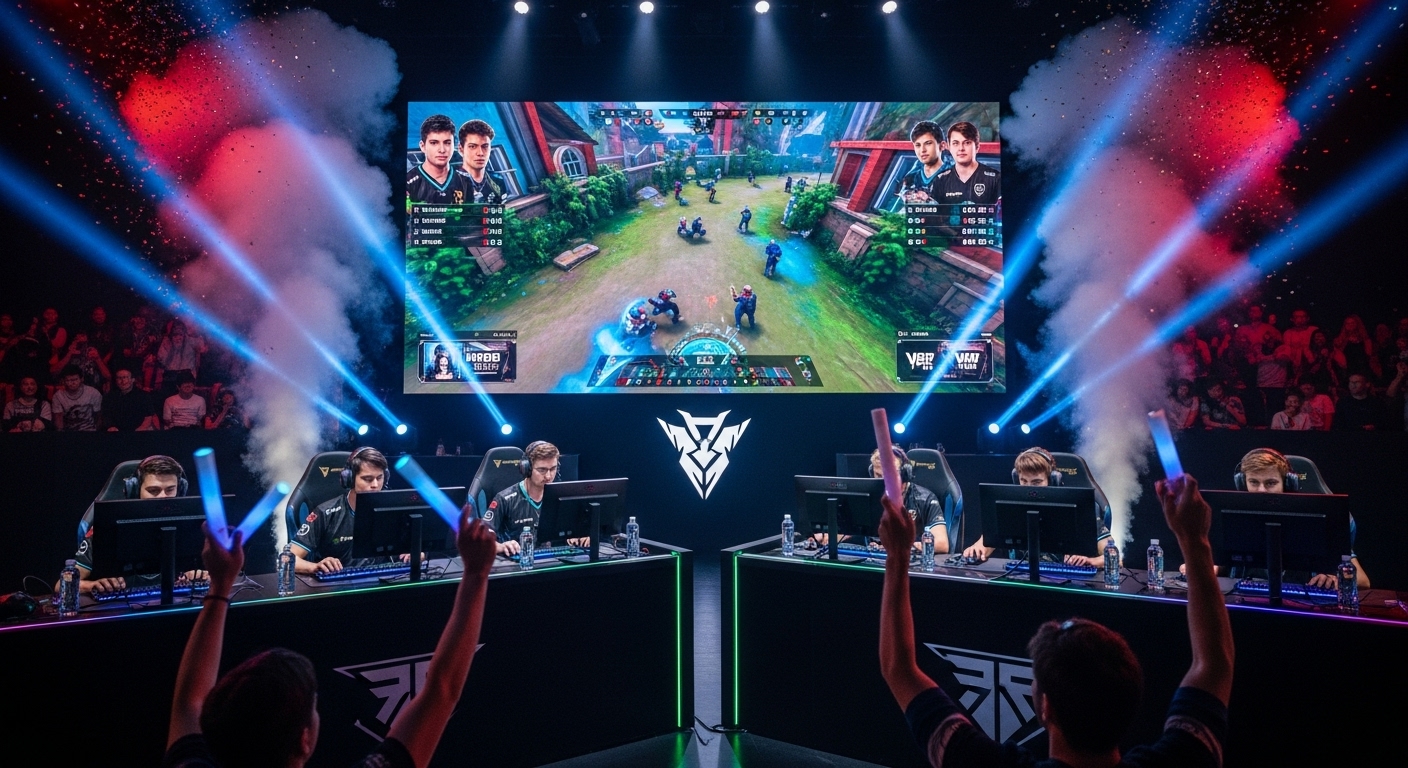






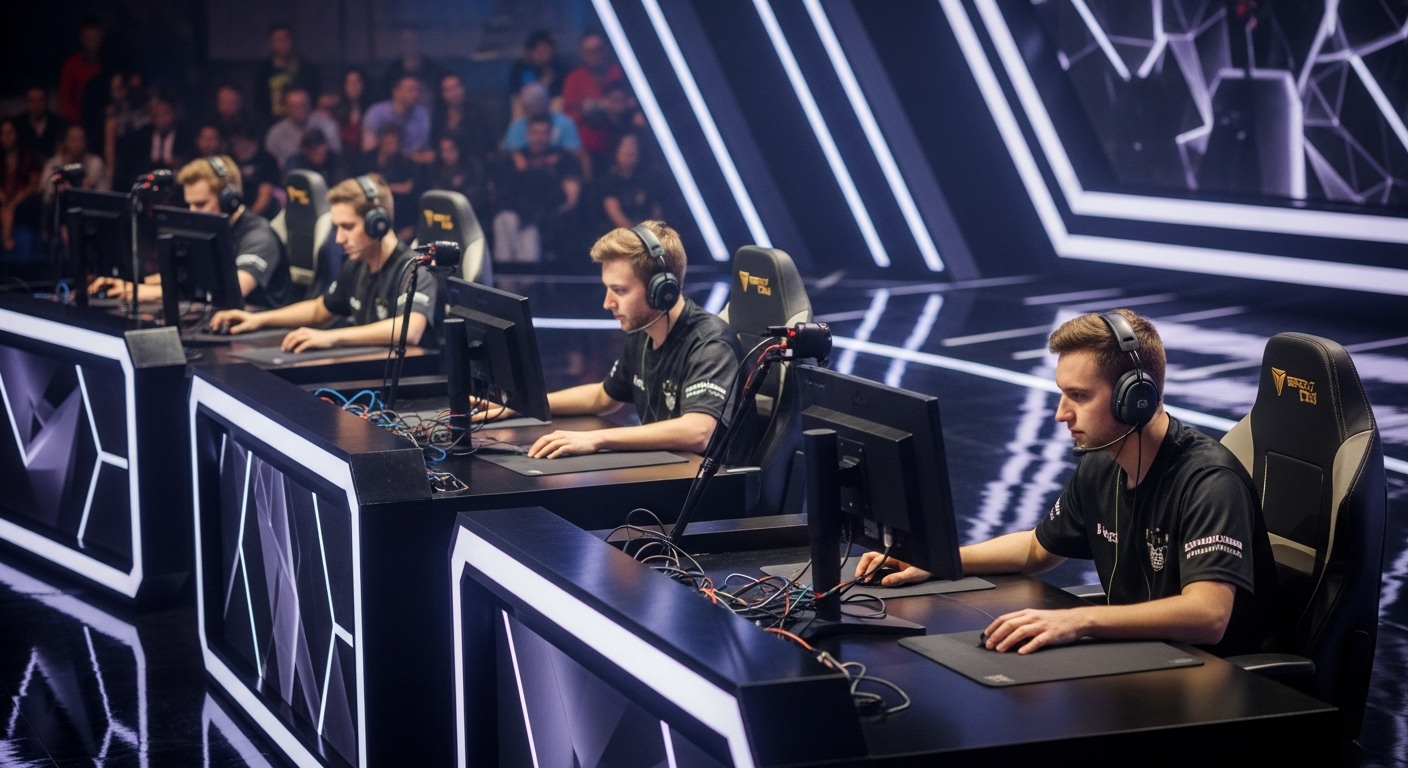
In recent years, esports has become a global cultural phenomenon. Once a niche activity confined to basement tournaments, competitive gaming has blossomed into a billion-dollar industry, drawing millions of viewers, players, and investors. The rise of esports reflects not only the rapid growth of video games but also a shift in how entertainment is consumed, how communities are formed, and how talent is recognized. This blog post delves into the origins of esports, its rapid growth, the impact it has on gaming culture, and its future as a dominant force in the world of sports entertainment.
The Early Days of Esports
The concept of competitive gaming has roots that stretch back to the 1970s. Early video games like Spacewar!, created in 1962, set the stage for players to face off against one another for fun. However, organized competition as we know it today began to take shape in the late 1990s. The game Quake, a first-person shooter developed by id Software, became one of the first titles to host formalized tournaments. In 1997, the Red Annihilation Tournament for Quake was a key milestone in the development of esports, where the winner walked away with not just cash but a Ferrari.
At the same time, StarCraft and Warcraft III introduced real-time strategy (RTS) games to the esports scene, making strategy and coordination a central part of competitive play. These games, alongside early first-person shooters (FPS) like Counter-Strike, laid the groundwork for esports, shaping competitive gaming into an entertainment category that people could watch and cheer for, just as they do for traditional sports.
Esports Blossoms in the 2000s
The early 2000s saw the first steps toward making esports a global spectacle. As online gaming began to take off, more and more players started competing in games like Counter-Strike, Warcraft III, and StarCraft. These games’ accessibility, coupled with the rise of broadband internet, made it easier for players to compete with others across the globe.
The year 2000 marked a turning point with the founding of The World Cyber Games (WCG), often referred to as the “Olympics of esports.” The WCG brought together the best players from around the world to compete in a variety of games, and it helped establish the idea of esports as an international competition. Meanwhile, other tournaments like The Electronic Sports World Cup (ESWC) helped to expand esports’ visibility and legitimacy.
Streaming platforms, particularly Twitch, would later prove to be the missing piece in the puzzle, allowing players to broadcast their gameplay to a global audience. Launched in 2011, Twitch allowed gamers to stream their matches, interact with their fans in real-time, and build massive followings. This fundamentally changed how people engaged with competitive gaming, shifting it from niche LAN parties to major global broadcasts.
Esports Goes Mainstream
The 2010s were a transformative decade for esports. As the quality of game design improved, so did the production value of esports tournaments. Games like League of Legends, Dota 2, Overwatch, and Counter-Strike: Global Offensive became major staples in the competitive gaming scene. What followed was nothing short of a cultural shift. The League of Legends World Championship alone attracts millions of viewers each year, with prize pools often exceeding $1 million.
The media’s embrace of esports, particularly through platforms like Twitch and YouTube Gaming, brought it to mainstream attention. Major television networks began covering esports tournaments, and sponsorships from global brands like Intel, Coca-Cola, and Mercedes-Benz transformed esports into a commercial juggernaut. The high level of competition, the intense fandom, and the lucrative prize pools made esports a legitimate career for top players, streamers, and team owners.
The increasing scale of esports tournaments also helped build an infrastructure around the industry. Esports teams began to resemble traditional sports teams in terms of management. Players now have coaches, analysts, and even sports psychologists to improve their performance, much like athletes in traditional sports. Players signed multimillion-dollar contracts, traveled the world for international competitions, and built personal brands as influencers and celebrities.
The Rise of Esports as a Career
As the industry evolved, the idea of professional gaming gained significant traction. Competitive gaming was no longer just a hobby for those passionate about video games—it became a legitimate career for many. Some of the most famous players, such as Lee “Faker” Sang-hyeok in League of Legends, Tyler “Ninja” Blevins in Fortnite, and Johan “N0tail” Sundstein in Dota 2, have amassed wealth and fame on par with traditional athletes.
Esports athletes, just like their counterparts in traditional sports, spend hours each day training and strategizing with their teams. They refine their skills, learn to work together as a unit, and make calculated decisions in high-pressure environments. Many esports players live in team houses, where they practice daily, much like a professional sports team would train in a training facility.
Salaries and prize winnings are no longer small change. Top-tier players can make millions of dollars annually. Streaming platforms like Twitch allow esports stars to monetize their gaming content, further boosting their income through sponsorships, donations, and ad revenue. For example, Ninja, one of the most well-known streamers, made $17 million in 2019 alone. This shift has not only changed the way we view gaming but has also inspired a new generation of players to pursue gaming professionally.
The Broad Appeal of Esports Games
What makes esports so appealing is the variety of games that are played competitively. There is no one-size-fits-all game for esports; rather, it’s a diverse ecosystem that caters to different types of players and fans. Some of the most popular genres in esports include:
1. First-Person Shooters (FPS)
Games like Counter-Strike: Global Offensive (CS:GO), Overwatch, Valorant, and Call of Duty are dominant in the FPS space. These games emphasize reflexes, teamwork, and strategic thinking. With fast-paced action and high skill ceilings, FPS games have become some of the most exciting to watch, with large fanbases supporting teams and players.
2. Multiplayer Online Battle Arenas (MOBA)
League of Legends and Dota 2 are the pillars of the MOBA genre. These games pit two teams of players against each other in a battle to destroy the enemy’s base. MOBAs require immense strategic thinking, communication, and coordination. With global competitions like The International (Dota 2) and the League of Legends World Championship, these games are central to the esports landscape.
3. Real-Time Strategy (RTS)
Although it’s not as dominant as it once was, StarCraft II remains a cornerstone of competitive gaming. RTS games focus on real-time resource management, base building, and strategic combat. The complexity of RTS games, combined with the need for quick decision-making and multitasking, makes them exciting for both players and viewers.
4. Battle Royale
Games like Fortnite and PUBG have brought the Battle Royale genre to the forefront of competitive gaming. In these games, players fight to be the last one standing in an ever-shrinking arena. The unpredictability and tension make Battle Royale games immensely popular for both playing and watching.
5. Fighting Games
The fighting game community (FGC) has been around for decades, with games like Street Fighter, Tekken, and Super Smash Bros. leading the charge. These games are usually one-on-one matchups that require precision, timing, and excellent control of characters. The FGC has an incredibly passionate fanbase and continues to thrive at major esports events like EVO.
Esports’ Global Impact
Esports’ growth has had a profound impact on global culture. It has brought people together from all corners of the world, with online communities providing a space for gamers to share their passion and connect. International esports tournaments allow people from diverse backgrounds to compete on a level playing field, fostering a sense of global unity.
In some countries, esports has become as popular as traditional sports. For instance, South Korea has become a hub for esports, with games like StarCraft achieving cultural icon status. Major cities like Los Angeles, Berlin, and Shanghai regularly host large-scale esports events, making esports a global affair.
Esports has also had an impact on education. Several universities worldwide now offer esports scholarships and even have dedicated esports programs. The idea that competitive gaming can lead to professional opportunities in the same way that traditional sports do is a powerful testament to the legitimacy of esports as a career path.
The Future of Esports
As esports continues to grow, its potential seems limitless. The introduction of virtual reality (VR) and augmented reality (AR) could revolutionize the way players compete and viewers experience games. Imagine a future where spectators can immerse themselves in the action through VR headsets, watching tournaments from a player’s perspective. The possibilities for expanding the fan experience are endless.
Esports is also on the brink of becoming an Olympic sport. Several organizations have pushed for esports to be included in the Olympic Games, further legitimizing it as a competitive field. The potential for esports to become a permanent fixture in global sports events seems inevitable, as the younger, tech-savvy generation continues to embrace digital competition.