





Introduction: The Rise of Esports
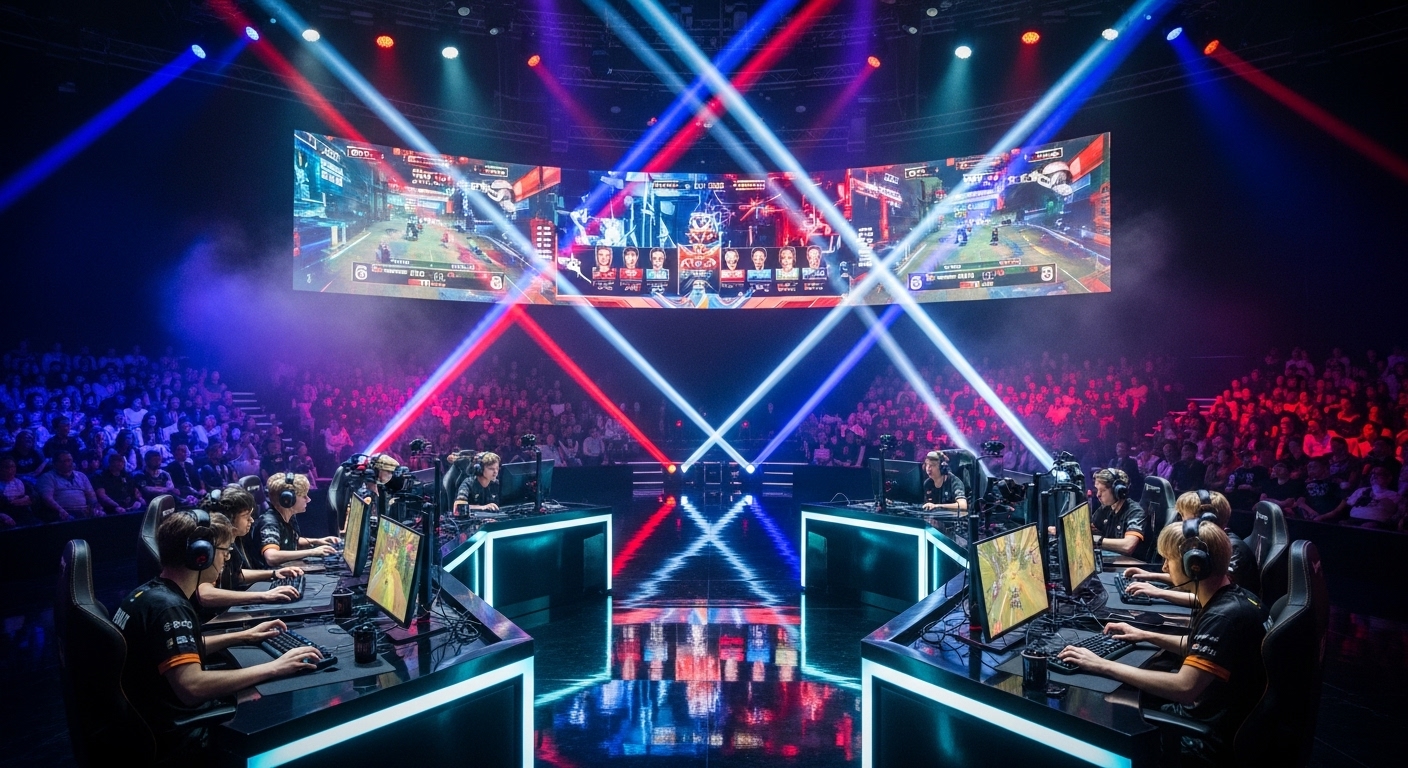
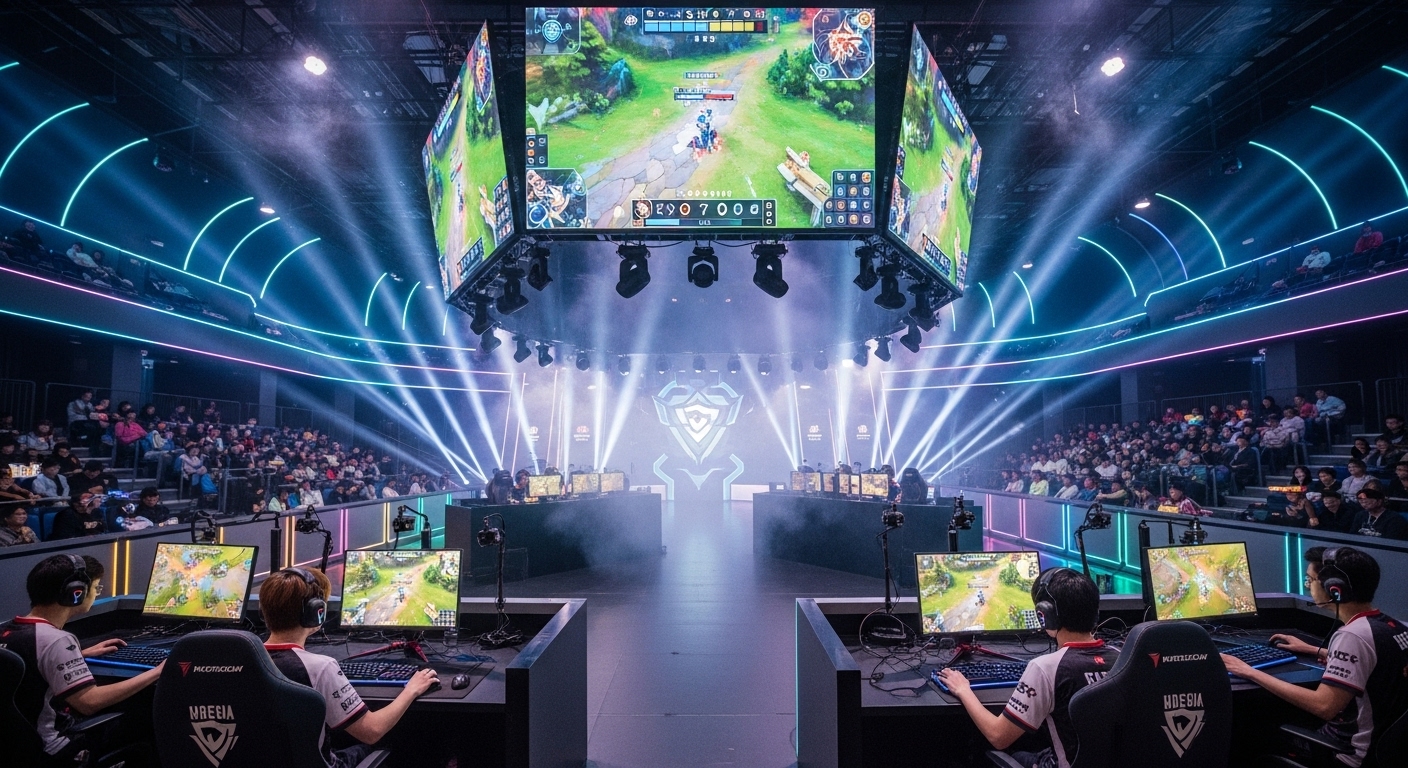
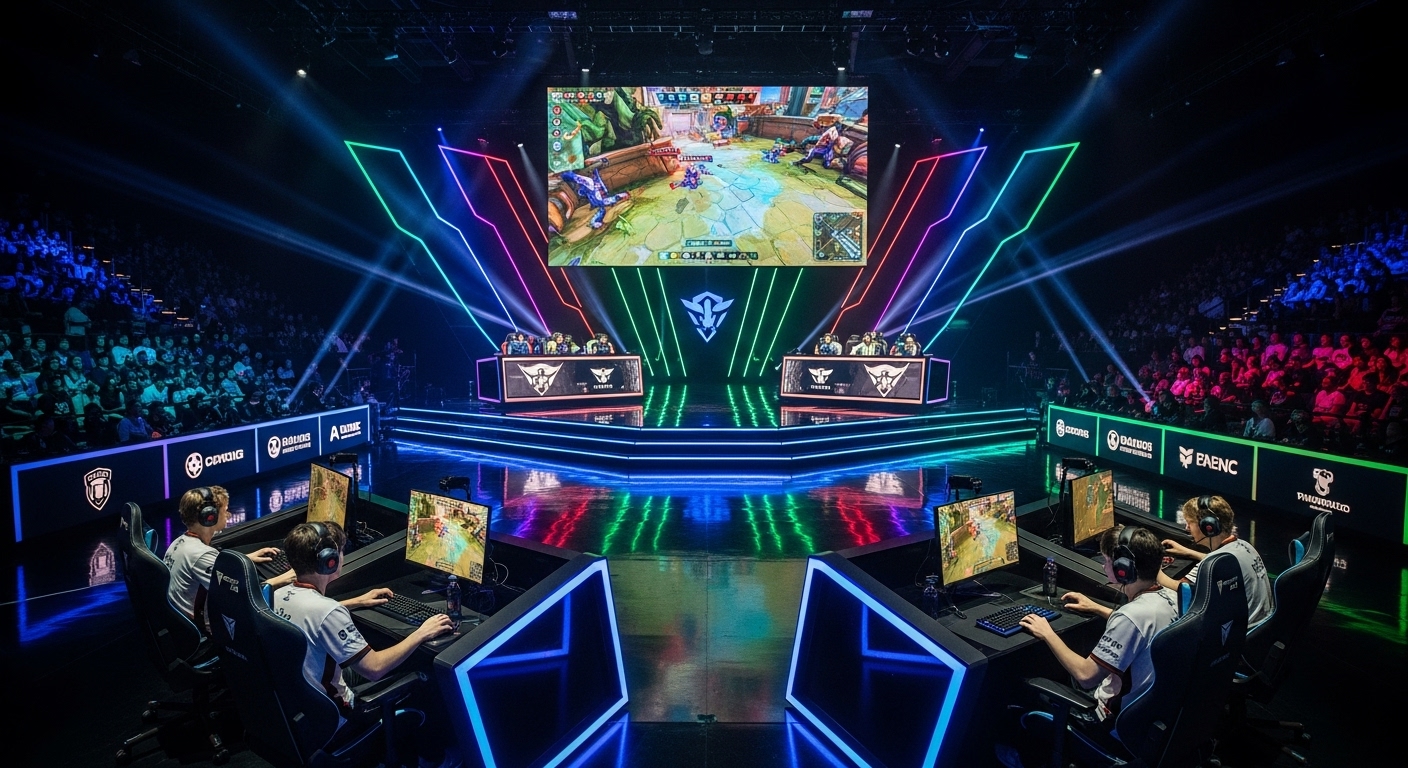
Esports, short for electronic sports, has grown from a casual pastime into a global phenomenon, redefining what it means to compete. What began as small video game competitions among friends has evolved into a billion-dollar industry, with professional teams, leagues, and tournaments drawing millions of viewers worldwide. Esports combines skill, strategy, teamwork, and entertainment in a way that resonates with modern audiences. It is no longer just gaming; it has become a cultural, economic, and social force, shaping the way people perceive competition in the digital age.
The Origins of Esports
The roots of esports date back to the 1970s, when arcade competitions for games like “Space Invaders” and “Pong” began attracting attention. In the 1990s, competitive PC gaming emerged with titles like “Quake” and “StarCraft,” connecting players through local area networks and the early internet. The 2000s brought multiplayer online games such as “Counter-Strike” and “Warcraft III,” paving the way for organized leagues and professional tournaments. These developments transformed gaming from a hobby into a structured competitive ecosystem with teams, coaches, and sponsorships.
What Makes Esports More Than Gaming
While esports involves playing video games, it requires far more than casual participation. Professional players dedicate hours to training, analyzing opponents, refining strategies, and perfecting mechanics. It demands quick reflexes, mental focus, strategic thinking, and strong communication skills. Like traditional sports, esports athletes face high pressure and must maintain discipline, resilience, and dedication. The combination of technical skill and mental strength makes esports a legitimate and demanding form of competitive activity.
Popular Esports Genres and Games
Esports encompasses a variety of game genres, each with distinct skills and challenges. Multiplayer online battle arena (MOBA) games, such as “League of Legends” and “Dota 2,” focus on teamwork, strategy, and rapid decision-making. First-person shooters (FPS) like “Counter-Strike” and “Call of Duty” emphasize precision, reflexes, and tactical planning. Battle royale games, including “Fortnite” and “PUBG,” combine survival instincts, creativity, and adaptability. Real-time strategy (RTS) games challenge players to manage resources and execute long-term strategies. Each genre has unique appeal, attracting diverse communities and fan bases.
Professional Esports: Careers and Competition
Esports has developed into a professional industry with structured leagues, tournaments, and high-stakes competitions. Professional players are often part of teams with specialized roles, coaches, analysts, and support staff. Major tournaments such as the “League of Legends World Championship” and “The International” for Dota 2 attract millions of viewers globally and offer prize pools worth millions of dollars. Professional esports requires rigorous training, strategic analysis, and teamwork, mirroring the demands of traditional sports. It also provides career opportunities beyond playing, including coaching, content creation, and event management.
Economic Impact of Esports
Esports is now a multibillion-dollar industry, generating revenue through sponsorships, merchandising, advertising, ticket sales, and media rights. Companies invest in esports to reach younger, digitally-engaged audiences, while players and organizations monetize through streaming platforms and endorsements. The industry has created jobs beyond competitive play, including marketing, analytics, commentary, and event production. Esports’ economic growth demonstrates its legitimacy and influence, highlighting the potential for long-term investment and professional opportunities worldwide.
Streaming and Online Platforms
Streaming platforms play a pivotal role in esports’ growth. Sites like Twitch and YouTube Gaming allow fans to watch live matches, interact with players, and engage with communities in real time. Streaming transforms gaming into a shared experience, creating interactive audiences and fostering global communities. It also democratizes access, allowing aspiring players from any part of the world to showcase their skills and gain recognition. Streamers and professional players often build large followings, turning gaming into a career and creating content that extends the esports ecosystem beyond competitive matches.
Mental and Physical Demands
Esports may appear sedentary, but it places significant demands on both mind and body. Players must maintain high levels of concentration, make split-second decisions, and execute precise actions under pressure. Physical health is also important, as prolonged gameplay can lead to strain, fatigue, or repetitive stress injuries. Professional teams incorporate fitness routines, ergonomic practices, and mental coaching to maintain performance. Esports requires stamina, strategy, and resilience, proving that it is a demanding competitive endeavor comparable to traditional sports.
Esports in Education
Esports has increasingly found a place in educational institutions. Schools and universities worldwide offer esports programs, scholarships, and facilities, allowing students to develop teamwork, communication, and leadership skills. These programs also provide opportunities for careers in competitive gaming, content creation, or esports management. Integrating esports into education encourages technological literacy, critical thinking, and discipline, preparing students for a wide range of future career paths.
Community and Social Impact
Esports fosters strong communities where players, fans, and content creators interact. Online forums, social media, and live streaming platforms create spaces for mentorship, collaboration, and social engagement. The inclusivity of esports allows individuals from different backgrounds and abilities to compete on equal footing. Beyond competition, esports communities often contribute to charitable initiatives, awareness campaigns, and educational programs. This social aspect highlights esports’ ability to connect people, promote positive values, and foster global interaction.
Women in Esports
Historically dominated by men, esports is now seeing increasing participation by women. Female players compete professionally, stream content, and lead esports organizations. Initiatives promoting inclusivity and equality are breaking barriers, allowing more women to enter the field. Successful female players inspire future generations, demonstrating that skill and determination are not defined by gender. The rise of women in esports reflects the industry’s commitment to diversity, fairness, and innovation.
Challenges in Esports
Despite its rapid growth, esports faces challenges. Online harassment, toxicity, and high-pressure environments can negatively impact mental health. Career longevity is often uncertain, and players may depend heavily on sponsorships and tournament winnings. Managing screen time, physical health, and social balance is critical, especially for younger participants. Establishing standardized regulations, supporting player welfare, and promoting responsible gaming are essential for sustaining the industry’s growth and credibility.
The Future of Esports
The future of esports is both promising and dynamic. Virtual reality and augmented reality technologies are creating immersive gaming experiences. Mobile esports is expanding the audience, making competitive gaming accessible to millions. Adaptive esports programs are increasing inclusivity for players with disabilities. Esports is gaining international recognition, with discussions about including it in multi-sport events. Advancements in technology, education, and professional opportunities ensure that esports will continue to thrive, innovate, and influence global culture.
Conclusion: Esports as a Cultural and Competitive Force
Esports has evolved from casual gaming into a powerful cultural, economic, and professional phenomenon. It combines skill, strategy, teamwork, and entertainment in ways that resonate with modern audiences. Professional leagues, international tournaments, and streaming platforms showcase its global reach and influence. Esports promotes social interaction, inclusivity, education, and technological literacy, shaping the next generation of competitors, creators, and fans. As esports continues to grow, it proves that passion, dedication, and competition can thrive not only on physical fields but also in digital arenas, redefining the concept of sports in the modern world.