





The world of esports has transformed dramatically over the past decade. What once began as a niche interest among gamers has evolved into a global cultural and economic phenomenon. Esports is no longer just about casual gaming or friendly competition—it has grown into a thriving multi-billion-dollar industry with millions of fans, professional teams, and tournaments. In this post, we will explore the rise of esports, its impact on the gaming community, its role in the entertainment industry, and its potential future trajectory. This is a deep dive into how competitive gaming has shaped modern culture and what lies ahead for this burgeoning industry.
The Origins and Growth of Esports
Esports, or electronic sports, refers to competitive video gaming where players, individually or in teams, compete in various games in organized tournaments. The roots of esports can be traced back to the 1990s, when the gaming community began to organize small-scale competitions in arcades and LAN (local area network) events. However, it was the rise of online gaming in the early 2000s that really set the stage for esports’ meteoric rise.
Games such as StarCraft, Warcraft III, and Counter-Strike became pioneers in the esports scene. In South Korea, StarCraft became a national sensation, and the country developed a competitive gaming scene that was highly organized and supported by broadcasters. This early success laid the groundwork for esports to evolve into the global phenomenon it is today. The introduction of high-speed internet, more accessible gaming hardware, and game developers actively supporting competitive play all played crucial roles in esports’ growth.
During the mid-2000s, game developers began recognizing the potential of competitive gaming, and this marked the beginning of a more structured approach to esports. Major tournaments and leagues began to form, giving rise to professional players, teams, and organizations.
The Global Explosion of Esports
By the early 2010s, esports had gone from a niche activity to a worldwide phenomenon. With the increasing popularity of online streaming platforms such as Twitch and YouTube Gaming, esports started to reach global audiences, allowing fans from different continents to follow their favorite players, teams, and tournaments. Esports events were no longer confined to local LAN parties or regional competitions but had become broadcast to millions of viewers in real-time.
Games like League of Legends, Dota 2, Counter-Strike: Global Offensive, and Overwatch became household names in the competitive gaming world. As these games gained widespread popularity, so did the competitions around them. The League of Legends World Championship, The International (Dota 2), and CS:GO Majors became the gold standard for esports tournaments, offering multi-million-dollar prize pools and attracting millions of viewers both in person and online.
The rise of esports tournaments was closely followed by a boom in esports organizations. These organizations began to recruit professional players, form teams, and manage sponsorships, while broadcasters and streamers helped grow the visibility of these tournaments. Brands such as Red Bull, Coca-Cola, Intel, and Razer began investing heavily in esports, further solidifying its presence in the global entertainment industry.
The Impact of Esports on Gaming Culture
Esports has had a profound impact on the wider gaming culture. First and foremost, it has changed the perception of gaming from a solitary activity to a social, competitive, and professional pursuit. Professional gamers are now seen as athletes in their own right, with dedication, practice, and skill being essential components of success. Just like traditional sports, esports players train for hours daily, strategize with their teams, and compete in high-pressure environments.
Esports has also created new career opportunities for gamers, such as professional players, coaches, analysts, broadcasters, and even social media influencers. The gaming industry, in partnership with esports, has provided a pathway for individuals to turn their passion into a full-time career.
Moreover, esports has contributed to the acceptance and mainstreaming of gaming as a legitimate form of entertainment. What was once seen as a pastime for “nerds” or “geeks” is now celebrated as an exciting, high-energy form of entertainment that rivals traditional sports in terms of viewership and excitement. As esports continues to grow, it is also fostering diversity within gaming, with both men and women from all backgrounds competing in esports tournaments.
Esports as a Multibillion-Dollar Industry
The financial growth of esports has been nothing short of spectacular. According to reports, the global esports industry is projected to generate over $1 billion in revenue annually, with sponsorships, media rights, ticket sales, and merchandise being the primary sources of income. The success of major events like The International, which regularly boasts prize pools in the tens of millions of dollars, has opened doors for sponsors and advertisers to invest in esports.
One of the key drivers of esports’ economic success has been the rise of streaming platforms. Twitch, which was acquired by Amazon in 2014, has become the dominant platform for live-streaming esports competitions, while YouTube and Facebook Gaming have also become increasingly popular. These platforms provide a direct way for fans to watch live esports events, interact with streamers, and discover new games and players. Esports content creators and professional players have used these platforms to build their fanbases, often leading to lucrative deals with brands and gaming companies.
Furthermore, esports organizations and teams are capitalizing on the growing interest in the sport by securing sponsorships with multinational companies. Brands such as Mercedes-Benz, Nike, and Adidas have all shown interest in esports, and some have even partnered with esports teams to develop branded apparel, gaming accessories, and other merchandise.
Esports: A New Age of Professional Gaming
With the rise of esports, the role of professional players has changed dramatically. Gone are the days when gamers would simply play for fun or as a hobby. Today, professional esports players dedicate their time and energy to mastering their craft, training for tournaments, and constantly adapting to new strategies in their respective games. Many top-tier players are sponsored by large companies, have personal brands, and participate in exclusive content creation for their fans.
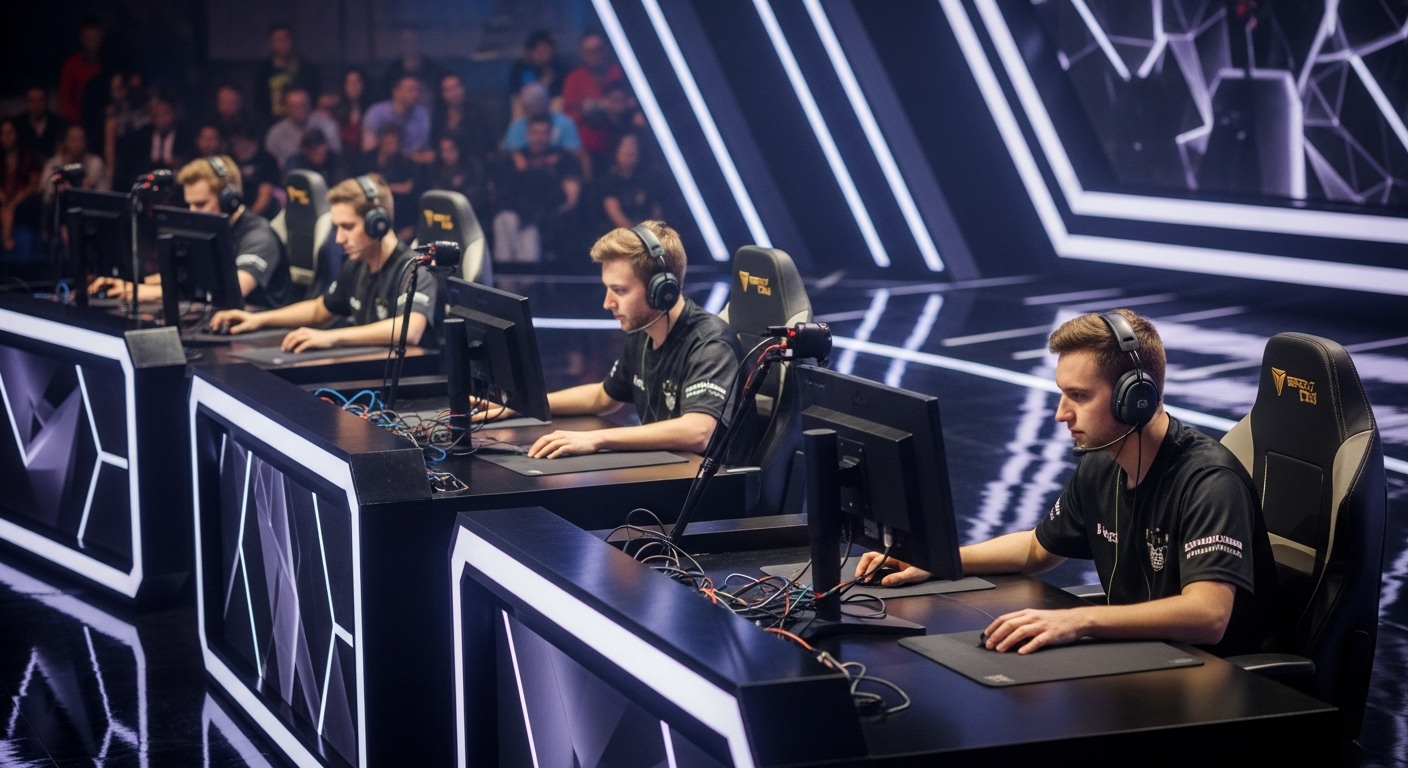
In addition to individual players, esports teams have emerged as prominent entities. These teams often consist of players who specialize in different roles within a game and are managed by coaches, analysts, and even psychologists to optimize performance. These teams travel globally, competing in tournaments, and often have their own training facilities. Just like in traditional sports, the level of discipline and professionalism required to succeed in esports has reached new heights.
Some of the most well-known esports organizations today include Team Liquid, Cloud9, Fnatic, and T1, among others. These teams are not only known for their performance on the digital battlefield but also for their extensive fanbases and sponsorships.
Esports as a Spectator Sport
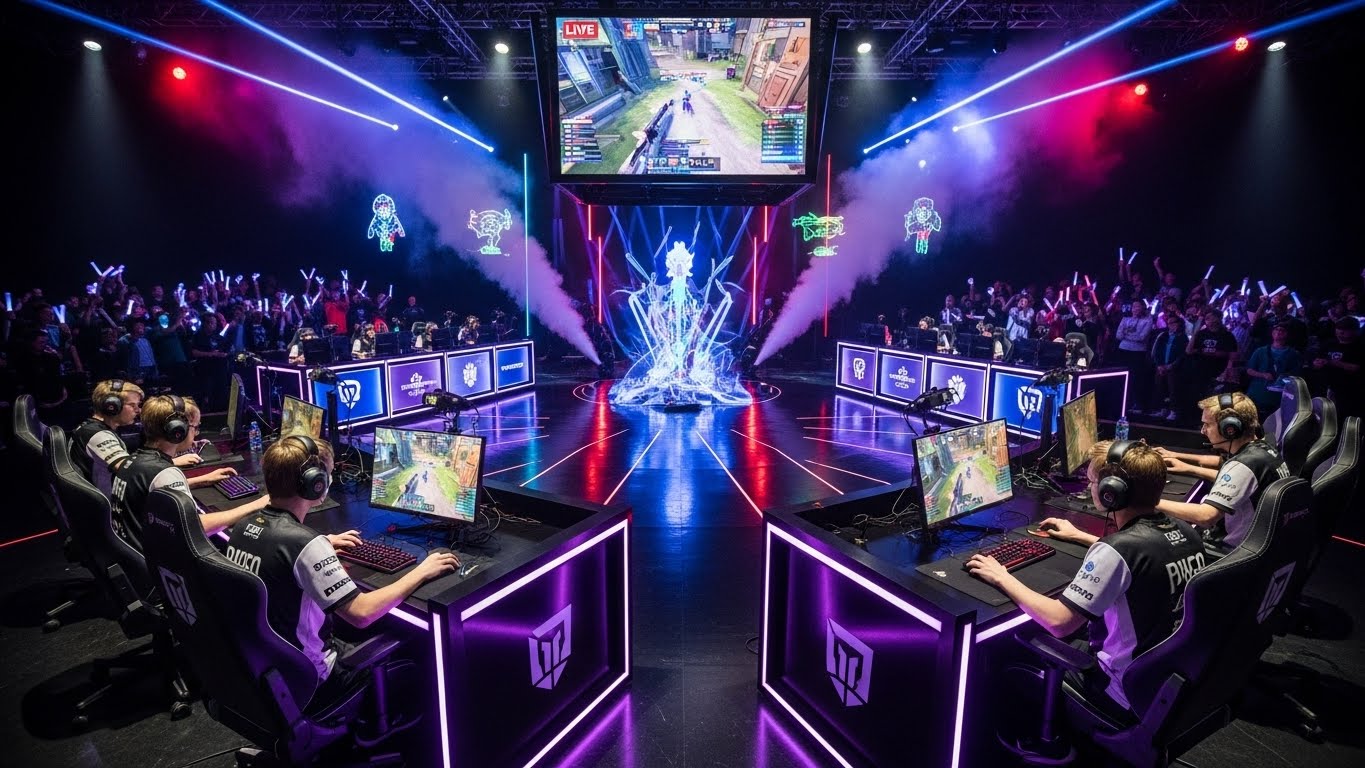
The appeal of esports goes far beyond just playing the games. Millions of fans tune in to watch high-stakes competitions, much like traditional sports events such as football or basketball games. Esports tournaments have transformed the way fans consume entertainment, with live-streamed events providing an interactive and immersive experience.
Platforms like Twitch and YouTube Gaming have made it possible for fans to watch esports competitions live, commentate on matches, and engage in conversations with other fans. The fan experience is enhanced by live interactions, post-game analysis, and behind-the-scenes content. Many fans feel a strong sense of connection to the teams and players they support, which creates a vibrant community around each tournament.
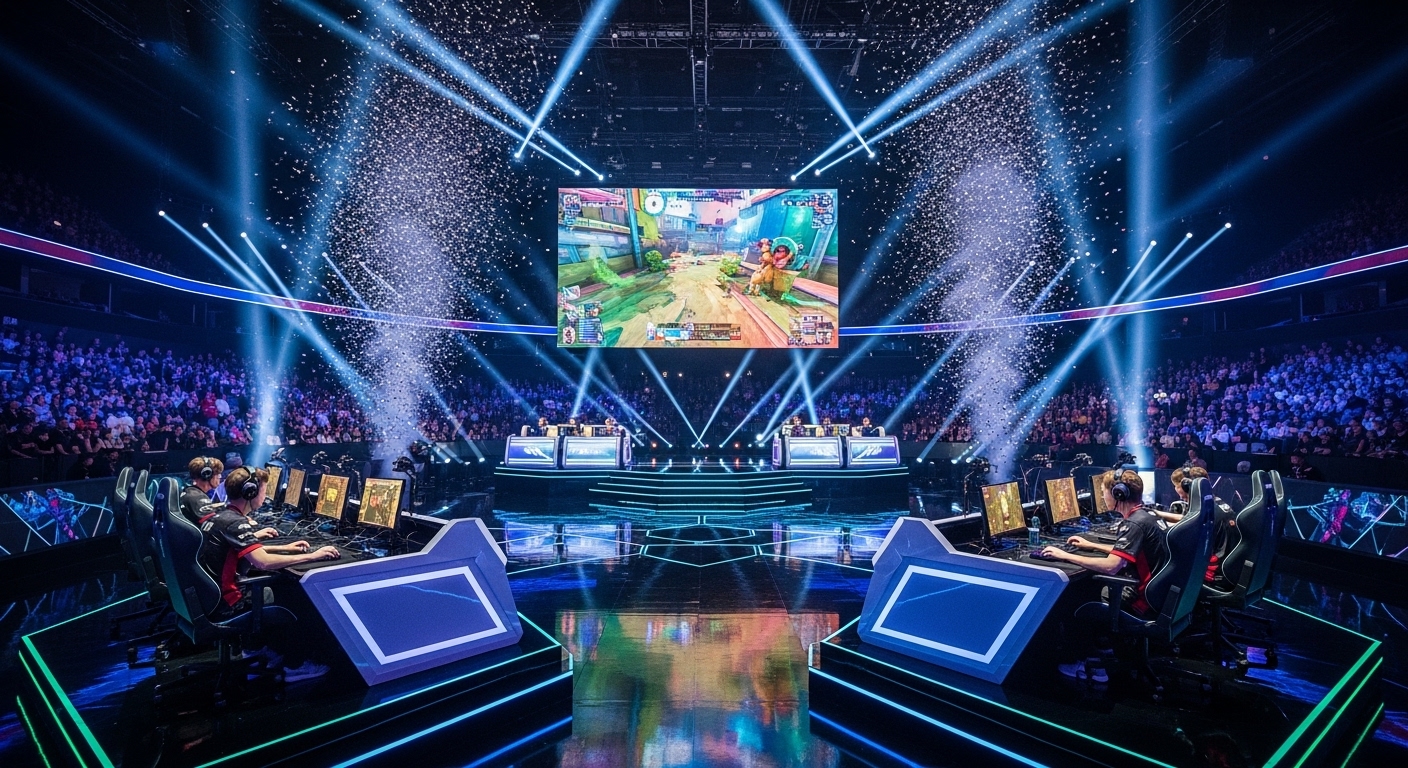
Additionally, esports events have been held in large arenas and stadiums, with some tournaments like The League of Legends World Championship and The International filling up massive venues. These live events offer fans the opportunity to watch their favorite players and teams in person, adding another layer of excitement and immersion to the esports experience.
The Future of Esports: What Lies Ahead?
As esports continues to expand, its future looks incredibly promising. The next big step for esports could be the integration of virtual reality (VR) and augmented reality (AR). These technologies have the potential to redefine the esports experience, providing players and viewers with new levels of immersion and interactivity. Imagine watching a live match where you can control the camera angles, experience the game from the perspective of the players, or even participate in virtual environments alongside the pros.
Additionally, the increasing involvement of major traditional sports organizations with esports signals a bright future. The NBA, NFL, and other professional sports leagues have already shown interest in investing in esports, either through sponsorships or by creating their own esports leagues. This partnership between traditional sports and esports may lead to further mainstream recognition of competitive gaming as a legitimate form of entertainment.
Moreover, the growth of college esports programs in universities around the world is another exciting development. More and more schools are offering scholarships to talented players, and many have developed esports teams that compete at the collegiate level. This integration of esports into the education system could lead to a new generation of professional gamers and esports enthusiasts.
Conclusion: Esports Is Here to Stay
Esports has come a long way since its humble beginnings in basement LAN parties. Today, it’s a global industry that blends entertainment, competition, and culture. With millions of players, fans, and viewers across the world, esports has firmly secured its place in the future of entertainment. The industry continues to grow rapidly, driven by technological advancements, sponsorships, and the passion of dedicated players and fans.
As esports evolves and integrates with new technologies, expands into new regions, and garners more mainstream attention, the potential for growth seems limitless. Whether you’re a casual viewer or an aspiring professional player, it’s clear that esports is here to stay, and its impact on the gaming industry and popular culture will only continue to intensify.