





Introduction: From Pixels to Podiums
In the past two decades, esports has emerged from the shadows of casual gaming to become a global phenomenon. Once dismissed as a niche hobby, competitive gaming now draws millions of viewers, attracts high-profile sponsors, and creates professional careers with salaries rivaling those of traditional athletes. Esports, or electronic sports, is not just about playing video games; it represents a cultural shift in how we perceive competition, skill, and entertainment. This digital evolution is changing the way we interact with technology, build communities, and even pursue careers.
The Origins of Competitive Gaming
The history of esports dates back to the late 1970s and early 1980s with simple arcade competitions. These events were modest, often hosted in small venues or universities, with local players competing for trophies or small prizes. As home computers and gaming consoles became widely available, competitive gaming slowly gained traction. Titles like Street Fighter, StarCraft, and Counter-Strike became staples of early tournaments, laying the foundation for structured competitive play.
However, the true growth of esports occurred with the rise of the internet. Online multiplayer games enabled players from different cities, countries, and continents to compete in real time. Streaming technology allowed audiences to watch matches live, creating a new type of spectator culture that combined the excitement of sports with the accessibility of digital media.
Esports as a Cultural Movement
Esports is more than a game; it is a cultural movement that transcends geographical boundaries. Traditional sports focus on physical prowess, but esports highlights mental agility, strategy, and reflexes. Players must make split-second decisions, coordinate with teammates, and anticipate opponents’ moves. These skills demand intense focus, discipline, and practice, proving that esports requires dedication comparable to any physical sport.
Moreover, esports fosters a unique sense of community. Fans from around the world connect through online platforms, forums, and social media. They follow their favorite players, discuss strategies, and share experiences, creating a vibrant global network of digital enthusiasts. Esports events often feel like festivals, celebrating both the competition and the shared passion of the audience.
The Life of a Professional Gamer
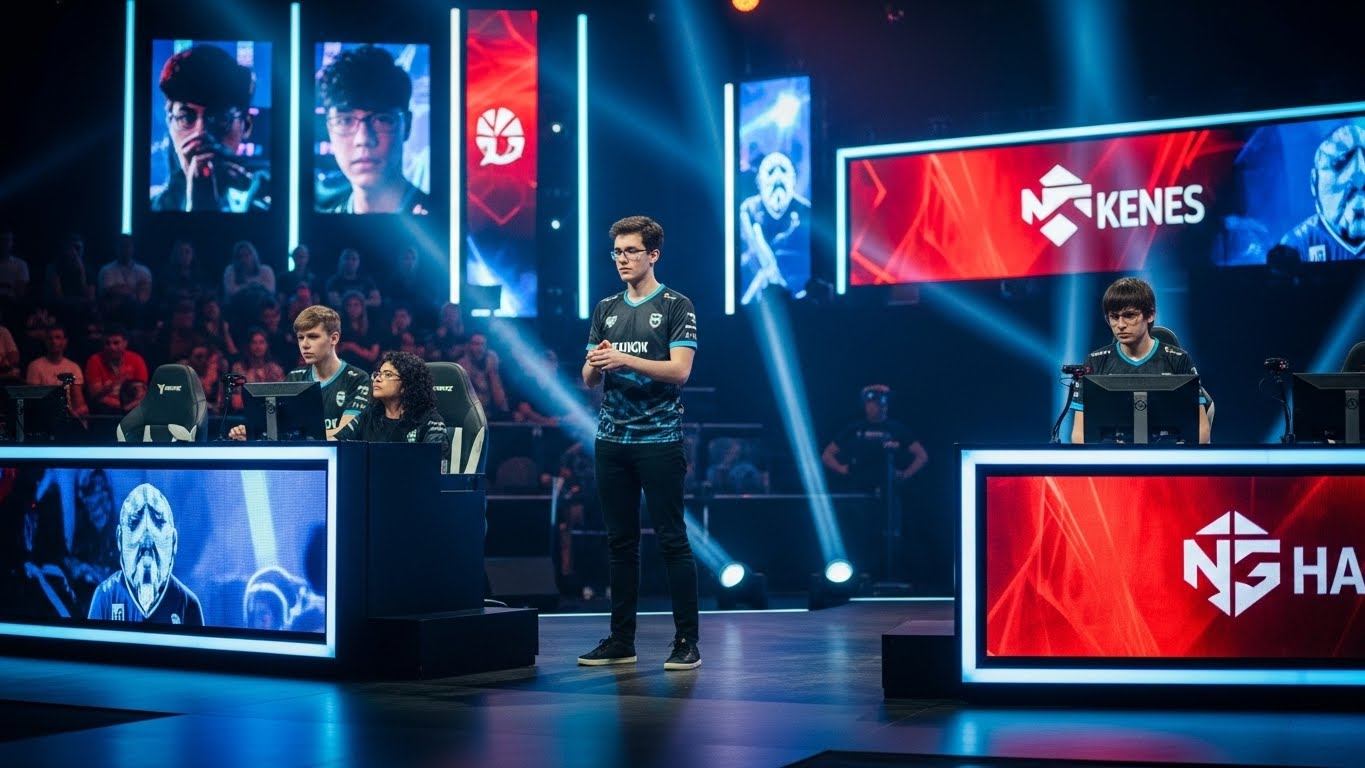
Professional esports players are often referred to as digital athletes for good reason. Their daily routines mirror those of traditional athletes, with hours of practice, strategy discussions, physical conditioning, and mental preparation. High-level gameplay requires exceptional hand-eye coordination, lightning-fast reflexes, and the ability to process vast amounts of information under pressure.
Esports teams often include coaches, analysts, and support staff who help optimize player performance. Players maintain strict schedules, follow nutrition plans, and work on improving both individual and team performance. Unlike casual gaming, professional esports demands consistency, resilience, and the ability to perform under the scrutiny of thousands of viewers.
The Spectacle of Live Esports Events
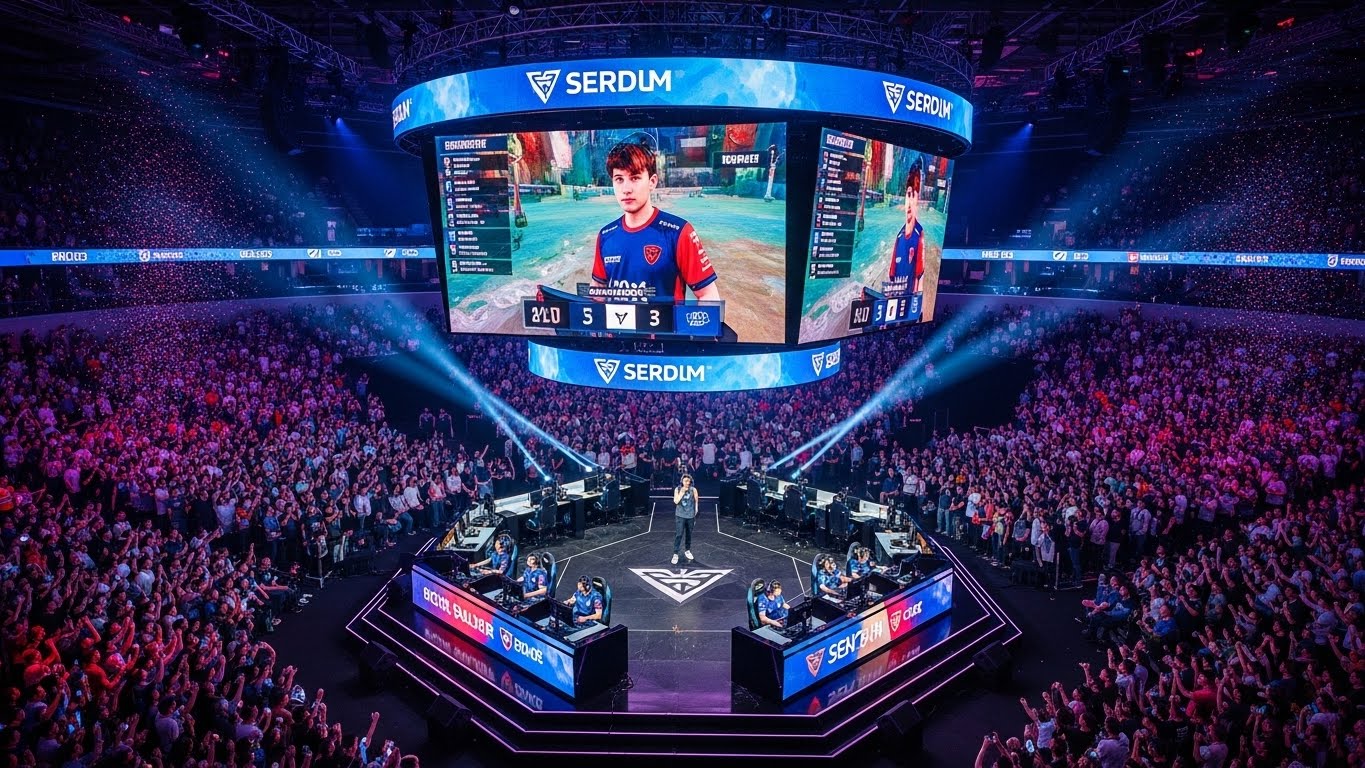
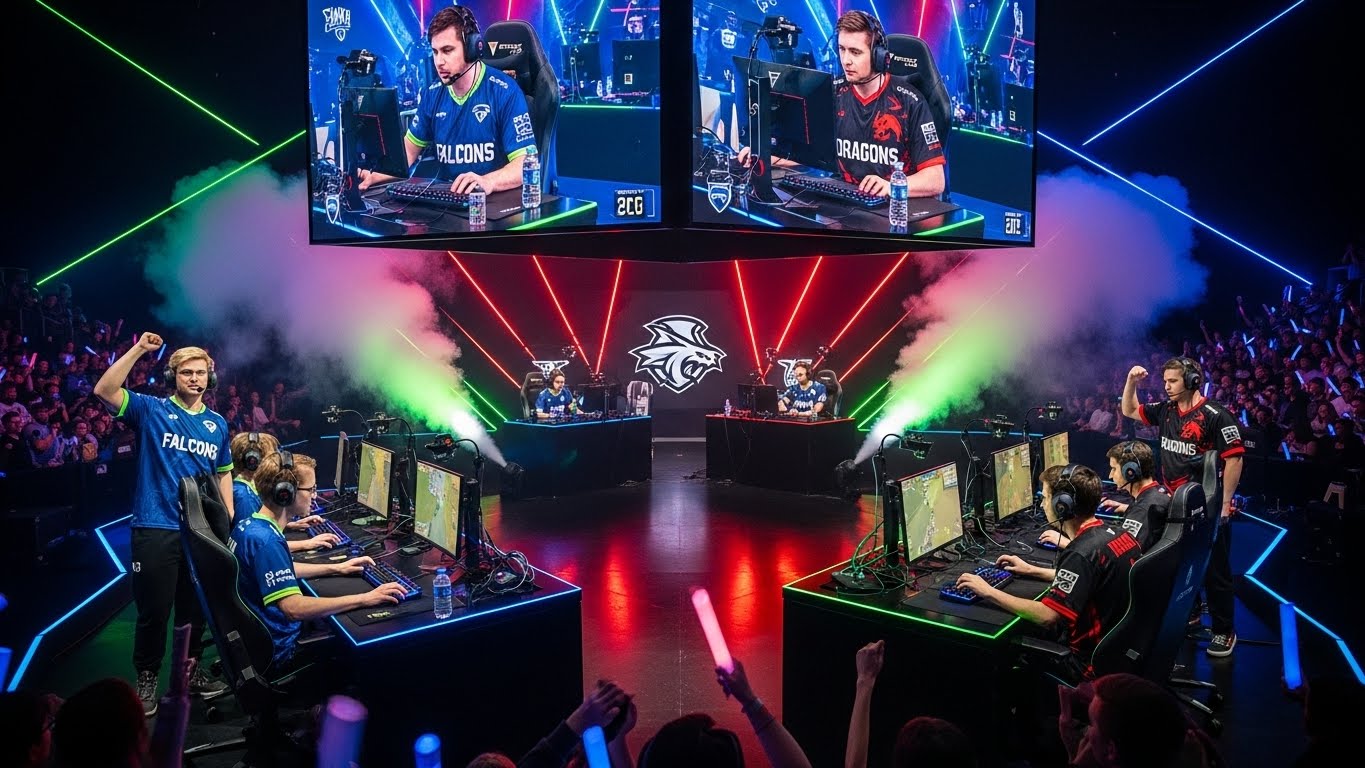
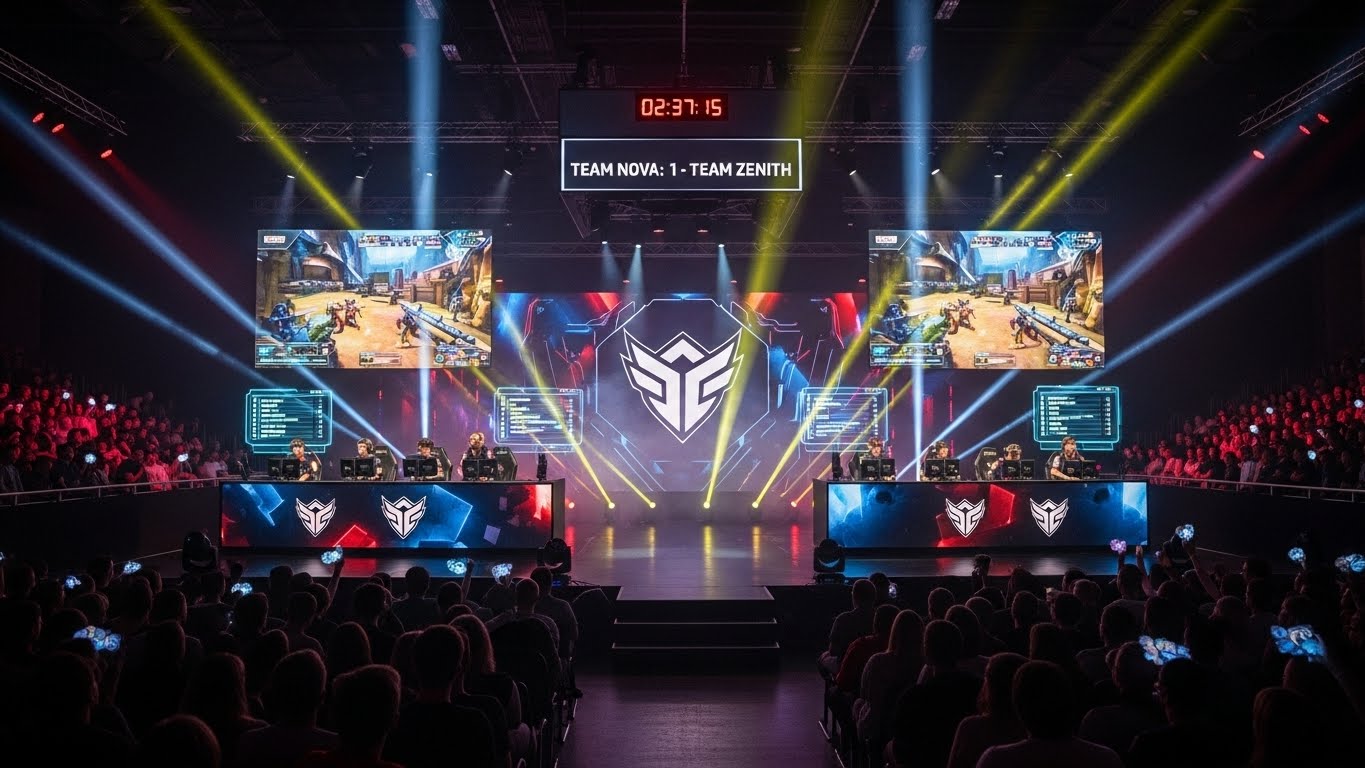
Esports has evolved to include large-scale live events that rival traditional sports in size and production value. Arenas fill with fans cheering for their favorite teams, waving banners, and wearing team jerseys. The atmosphere is electric, with giant screens, dramatic lighting, and live commentary adding to the excitement.
Major tournaments often offer multi-million-dollar prize pools, attracting the best talent from around the world. These events not only entertain but also inspire young players, demonstrating that gaming can be a legitimate career path. The fusion of digital action and live spectacle creates an immersive experience that traditional sports are beginning to emulate.
Streaming Platforms and Fan Engagement
The popularity of esports is closely tied to streaming platforms that allow fans to watch games live and interact with content creators. Unlike traditional sports broadcasts, esports streaming offers real-time interaction through chat, polls, and audience participation. This engagement creates a sense of community and belonging, making viewers feel like active participants rather than passive spectators.
Content creators and professional players often share behind-the-scenes insights, personal stories, and casual gameplay sessions. This transparency strengthens the bond between players and fans, creating loyalty and long-term engagement. Streaming has also opened doors for amateur players to gain recognition, potentially leading to professional opportunities.
Economic Impact of Esports
The esports industry has grown into a billion-dollar market with diverse revenue streams. Sponsorships, advertising, media rights, merchandise, and ticket sales all contribute to the financial ecosystem. Brands see esports as a gateway to reach younger, digitally native audiences who are less engaged with traditional forms of entertainment.
Game developers also play a key role in sustaining the industry. They invest in tournaments, provide regular updates to maintain competitive balance, and promote esports-friendly features in their games. The result is a self-reinforcing cycle where competitive gaming attracts players, viewers, and investment, further solidifying esports’ economic significance.
Career Opportunities Beyond Playing
Esports offers a wide range of career paths beyond professional play. Event managers, commentators, analysts, marketers, graphic designers, and community managers are all in high demand. Educational institutions have recognized the potential of esports, offering scholarships and programs focused on game design, event production, and digital media management.
The industry’s growth has created an ecosystem that mirrors traditional sports, providing diverse opportunities for creative, technical, and managerial talent. This means esports is not only a career path for players but also for those passionate about technology, storytelling, and entertainment.
Esports on a Global Scale
Esports is truly a global phenomenon, with players and fans spanning continents. International tournaments bring together diverse cultures and foster cross-cultural collaboration. Countries in Asia, Europe, and North America lead in competitive gaming, but emerging regions are gaining recognition through local leagues and international competitions.
Some nations have embraced esports as part of national development programs, supporting players with training facilities and resources. Professional gamers in these regions are celebrated like traditional athletes, and their successes inspire new generations to pursue competitive gaming.
Addressing Misconceptions About Esports
Despite its growth, esports faces skepticism. Many believe it lacks physicality or that gaming is inherently isolating. However, esports requires physical coordination, mental endurance, and strategic thinking. Professional players train rigorously, and teamwork is essential for success.
Another common misconception is that gaming encourages isolation. In reality, esports fosters collaboration, communication, and community building. Players form deep bonds with teammates, fans, and other competitors, creating social networks that extend well beyond the digital realm.
Health, Wellness, and Player Support
As the industry matures, player health and wellness have become priorities. Organizations now emphasize ergonomic setups, physical fitness, mental health support, and balanced schedules. These measures help prevent burnout, improve longevity in the industry, and promote a healthier gaming culture.
The emphasis on wellness also sets a positive example for aspiring players. It demonstrates that while gaming is a professional pursuit, maintaining physical and mental health is essential for long-term success.
Inspiring the Next Generation
Esports has inspired a new generation of digital innovators. It demonstrates that skills developed in gaming—strategy, critical thinking, teamwork, and quick decision-making—can translate to real-world opportunities. Young people see that passion and dedication can lead to professional careers, challenging outdated notions of gaming as a mere hobby.
Esports also encourages creativity. Players often experiment with strategies, adapt to new game mechanics, and develop personal brands through streaming and social media. This fosters entrepreneurship, innovation, and self-expression, shaping well-rounded digital citizens.
The Future of Esports
The future of esports is bright and continually evolving. Emerging technologies such as virtual reality, augmented reality, and artificial intelligence are poised to transform how games are played and viewed. Spectator experiences will become more immersive, and training methods will become increasingly sophisticated.
The line between traditional sports and esports is also blurring. Many professional sports teams now invest in esports franchises, and hybrid competitions could become more common. As technology continues to reshape entertainment, esports is likely to become an even more integral part of global culture.
Conclusion: Embracing the Digital Arena
Esports has grown from humble beginnings to a global stage where digital gladiators compete for glory, recognition, and opportunity. It represents the convergence of technology, entertainment, and culture, reflecting the values of an increasingly connected world. Far from being a passing trend, esports has established itself as a legitimate career path, a thriving industry, and a powerful cultural phenomenon.
The rise of esports demonstrates that competition, community, and creativity are not limited by physical boundaries. It celebrates skill, strategy, and dedication in a digital context, inspiring millions worldwide. As esports continues to evolve, it will remain a defining element of the future of competition, entertainment, and innovation.