





Esports, or competitive video gaming, has experienced explosive growth in the last two decades, evolving from casual entertainment into a multi-billion-dollar industry. Once limited to arcades and living rooms, esports now commands global tournaments, professional teams, massive fan bases, and sponsorship deals that rival traditional sports. Beyond entertainment, esports is reshaping culture, education, and technology, while creating unprecedented career opportunities for players and professionals worldwide. This article delves into the evolution, impact, and future of esports, exploring how competitive gaming has become a defining feature of the digital era.
The Origins of Esports
Competitive gaming has roots that stretch back to the late 1970s and early 1980s. Early video games like Space Invaders, Pac-Man, and Donkey Kong introduced the concept of high-score challenges, often held in arcades or small competitions. Players competed not only for bragging rights but also for recognition in their local communities. These initial contests, though informal, laid the groundwork for structured competitive gaming.
The 1990s marked a turning point with the rise of multiplayer PC games such as Quake, StarCraft, and Counter-Strike. These games introduced organized formats, online competitions, and team-based play. South Korea emerged as a pioneer, where StarCraft competitions were broadcast on television, drawing millions of viewers and turning professional players into national celebrities. This period demonstrated the potential of competitive gaming as both entertainment and a professional pursuit.
The Global Popularity of Esports
Esports has expanded far beyond regional competitions to achieve global prominence. Popular titles such as League of Legends, Dota 2, Fortnite, and Valorant dominate the competitive scene. Millions of players participate daily, while streaming platforms like Twitch and YouTube Gaming allow fans to watch live events, interact with players, and become part of a worldwide community.
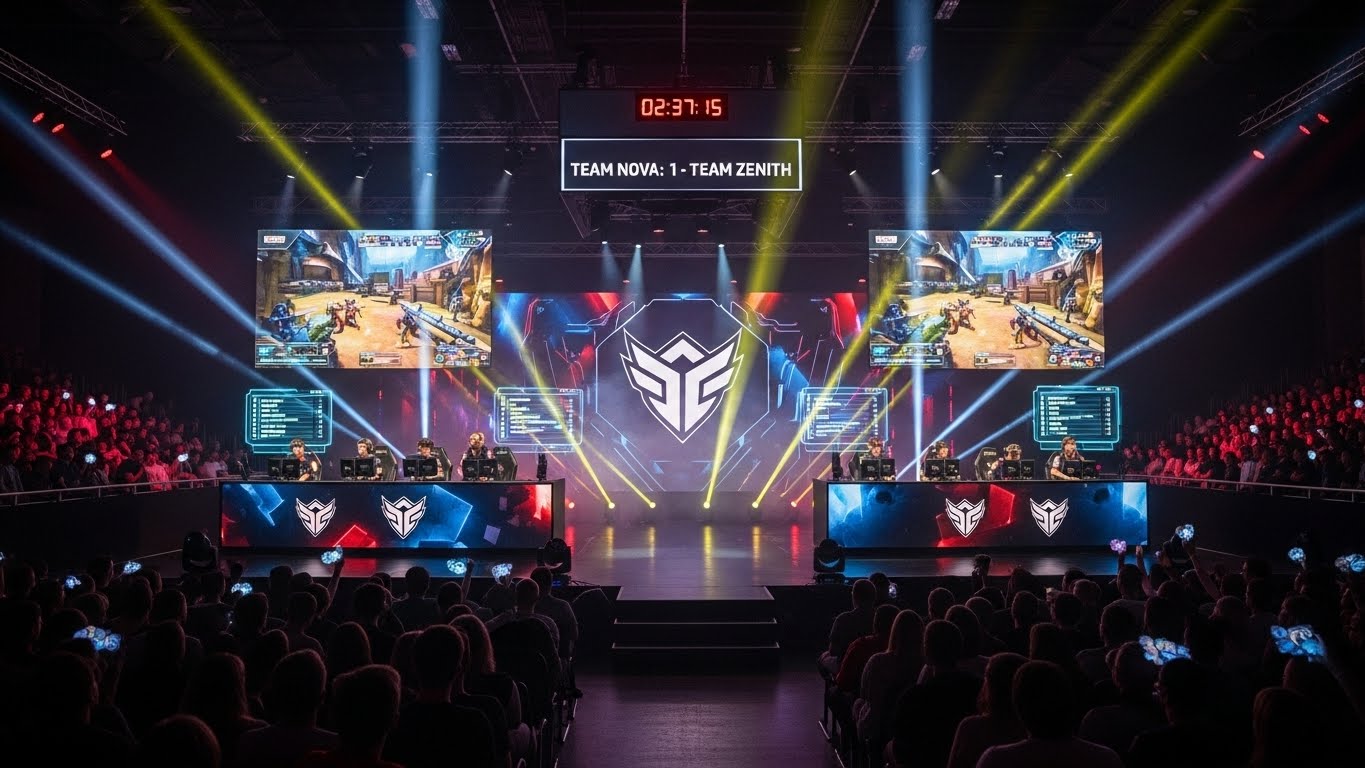
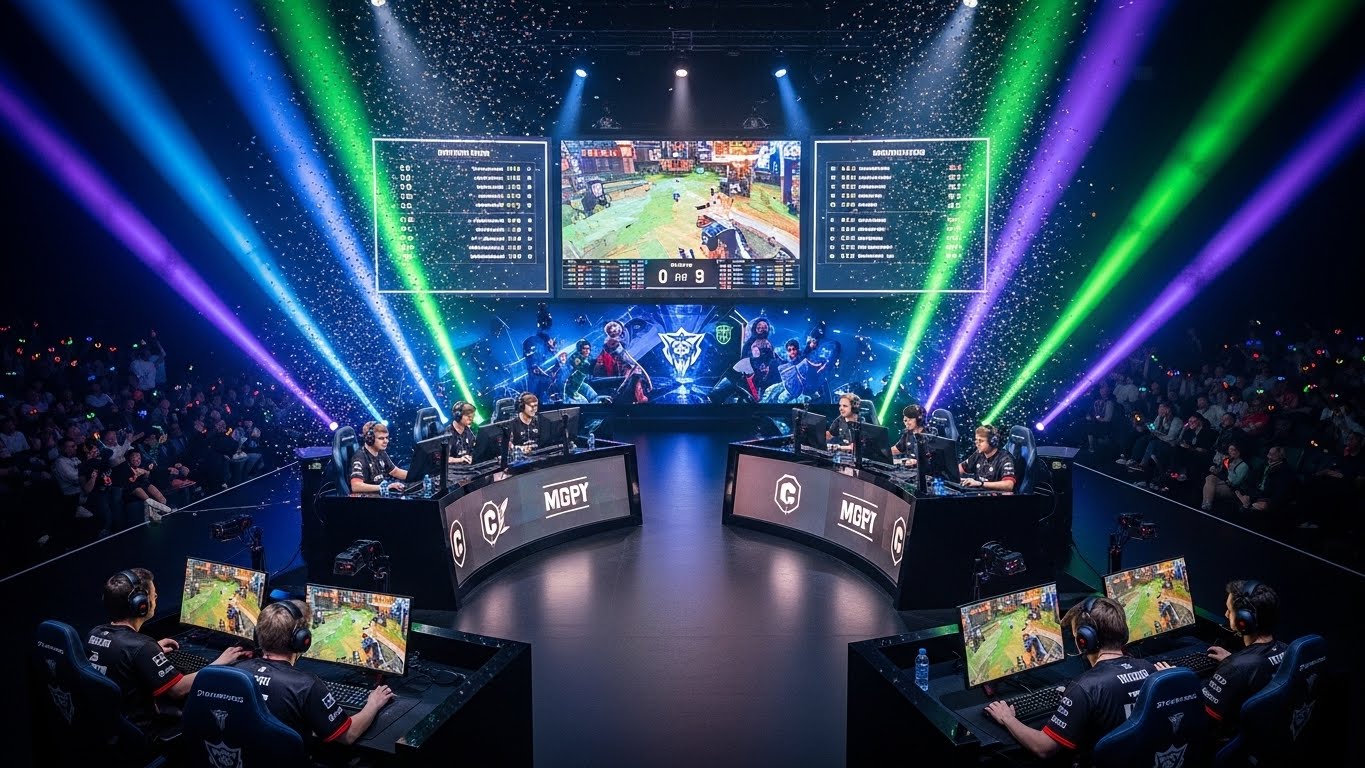
Major esports tournaments rival traditional sports events in scale and excitement. For instance, the League of Legends World Championship consistently attracts tens of millions of viewers globally, while Dota 2’s The International boasts prize pools exceeding thirty million dollars. Such events illustrate how esports has become an integral part of global entertainment and culture, drawing audiences who might not even play games themselves but are captivated by the competition and spectacle.
Esports as a Career
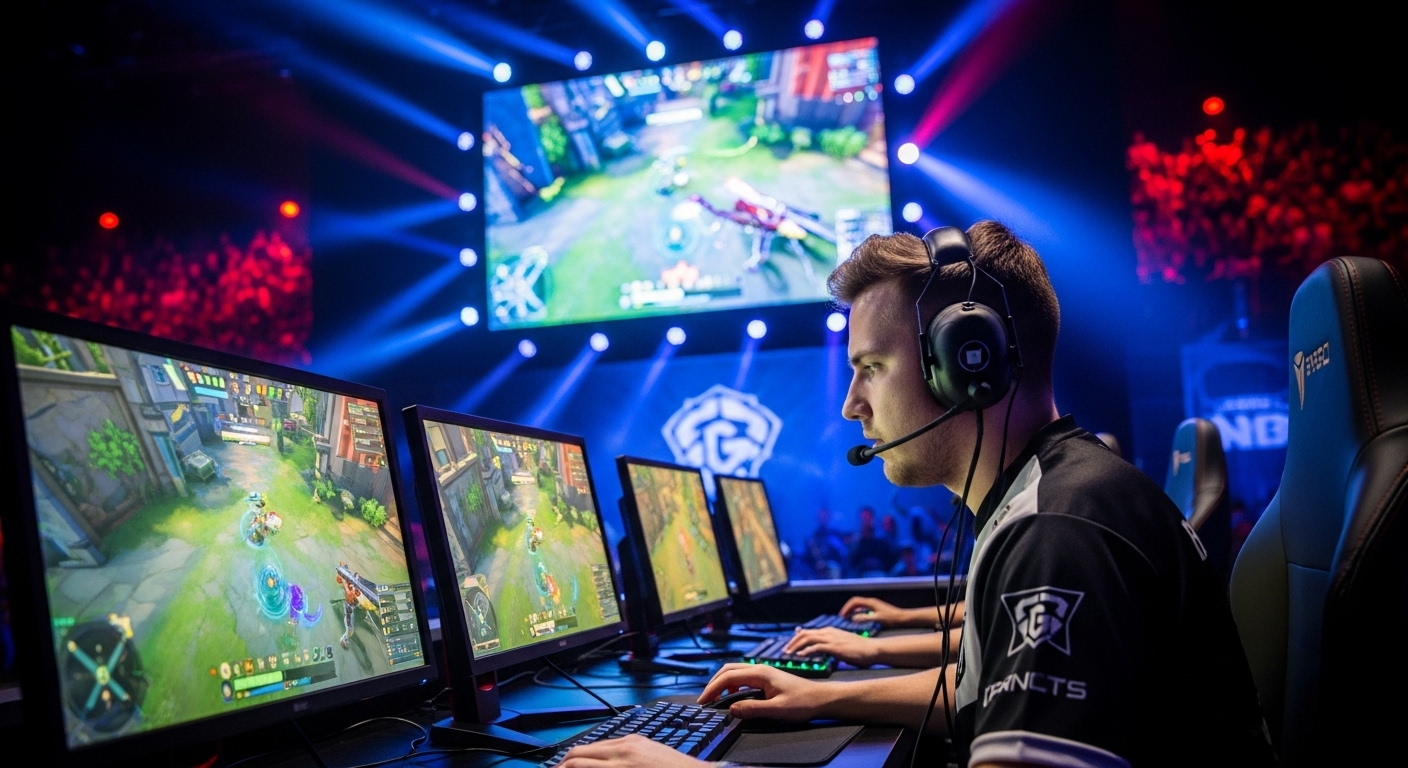
Competitive gaming has emerged as a legitimate career path. Professional esports players dedicate extensive hours to practice, strategy development, and team coordination. Similar to athletes in traditional sports, they undergo rigorous physical and mental training to maintain performance under pressure. Top-tier players earn significant salaries, endorsement deals, and tournament prize money, making esports a financially viable profession.
Beyond players, the esports industry offers careers in coaching, event management, content creation, broadcasting, game design, and marketing. Educational institutions have recognized esports’ potential by offering scholarships, degree programs, and structured training to prepare students for careers in this growing sector. This evolution demonstrates that esports is no longer a pastime but a professional ecosystem with long-term opportunities.
The Social Impact of Esports
Esports has a profound social influence, connecting players and fans across cultural and geographical boundaries. Online gaming communities foster collaboration, communication, and competition, creating friendships and support networks. Fans gather to celebrate shared victories and experiences, forming communities united by passion for the game.
Esports also promotes inclusivity. Unlike many traditional sports, competitive gaming is accessible regardless of age, gender, or physical ability. Women, older individuals, and players with disabilities can compete at high levels, challenging stereotypes and expanding the definition of an athlete. The inclusive nature of esports empowers a broader range of participants to pursue excellence, fostering equality and cultural diversity within the gaming community.
Cognitive and Mental Benefits
Esports is more than entertainment; it develops essential cognitive and mental skills. Competitive gaming requires strategic thinking, problem-solving, decision-making under pressure, and teamwork. Players analyze opponents, adapt to dynamic environments, and execute precise actions, enhancing critical thinking and multitasking skills.
Mental resilience is another key benefit. Esports players learn to cope with setbacks, maintain focus, and persevere through challenging situations. Goal-setting and long-term planning are crucial to achieving success in competitive gaming, which cultivates discipline and persistence applicable in real-world contexts. Cognitive flexibility, quick reflexes, and creative problem-solving make esports a unique avenue for mental development.
Technology and Innovation in Esports
Technology has been central to the growth of esports. High-speed internet, advanced hardware, streaming platforms, and performance analytics have transformed gameplay and spectator experiences. Coaches and analysts can monitor minute performance metrics, helping players optimize strategies and reduce the risk of burnout.
For spectators, technology enhances engagement through live streaming, high-definition broadcasts, real-time commentary, and interactive features. Emerging technologies such as virtual reality, cloud gaming, and artificial intelligence promise to redefine both gameplay and fan interaction. These innovations make esports more immersive and accessible, bridging the gap between players and audiences worldwide.
Economic Impact of Esports
Esports has become a major economic driver, generating billions of dollars annually. Revenue streams include sponsorships, advertising, merchandise sales, ticket sales, and media rights. Global tournaments attract international brands, while professional teams secure lucrative deals with technology companies, apparel brands, and energy drinks.
Hosting major esports events also stimulates local economies. Cities benefit from increased tourism, event production jobs, and media coverage. The esports ecosystem is interconnected, providing opportunities not just for players but for businesses, broadcasters, and content creators, highlighting the financial significance of the industry.
Health and Wellness in Esports
Contrary to popular stereotypes, professional esports players emphasize health and wellness. Physical fitness, nutrition, and mental well-being are critical to sustaining peak performance. Many teams employ fitness trainers, nutritionists, and sports psychologists to support players’ holistic development.
Responsible gaming habits, including scheduled breaks, exercise, and balanced lifestyles, help players avoid burnout and maintain focus. Mental health is particularly important, as competitive environments can be stressful. Integrating wellness practices ensures longevity in esports careers and demonstrates the importance of physical and psychological care in digital sports.
Esports and Education
Education is increasingly integrating esports into curricula and extracurricular programs. Schools and universities offer competitive teams, scholarships, and academic courses focused on esports management, marketing, and game development. These programs provide students with practical skills, including leadership, teamwork, communication, and strategic thinking.
Educational esports initiatives also teach time management and discipline, as students must balance academic commitments with gaming practice. These programs highlight the potential for esports to support both personal and professional growth, bridging entertainment with skill development.
Challenges Facing Esports
Despite its growth, esports faces challenges. Gaming addiction, excessive screen time, online harassment, and burnout are significant concerns. Gender disparities and inclusivity issues continue to require attention. Additionally, legal and financial matters such as contracts, intellectual property, and tournament regulations pose ongoing challenges for the industry.
Maintaining ethical standards, ensuring player welfare, and promoting responsible gaming practices are essential to the sustainable development of esports. Addressing these challenges will enable esports to thrive while remaining safe, inclusive, and respected globally.
The Future of Esports
The future of esports is full of opportunities. Advancements in virtual reality, cloud gaming, and artificial intelligence will reshape gameplay, training, and fan engagement. Esports is likely to merge further with mainstream media, education, and culture, creating hybrid events that appeal to a broad audience.
As recognition of esports as a legitimate sport grows, professional leagues and international tournaments will continue to expand. Career opportunities will diversify, and global audiences will increase, solidifying esports as a major force in entertainment, technology, and culture. Competitive gaming is positioned to remain a defining aspect of modern society.
Conclusion
Esports has evolved from casual gaming into a global industry with cultural, social, and economic significance. It provides opportunities for career development, cognitive growth, social engagement, and technological innovation. Competitive gaming challenges traditional notions of sports, promotes inclusivity, and connects people worldwide.
The rise of esports demonstrates the power of dedication, strategy, and skill. It is not just a form of entertainment; it is a global phenomenon that shapes culture, creates economic opportunities, and inspires millions. As esports continues to grow, it will redefine how we play, watch, and experience competition, establishing itself as a transformative force in the modern world.