





Introduction: The Rise of a Digital Arena
Esports is no longer a niche hobby hidden in internet cafés or college dorm rooms. It has evolved into a global phenomenon that commands massive audiences, fills stadiums, and generates billions in revenue. What began as friendly competition between gamers has transformed into a highly structured industry with professional teams, coaches, analysts, sponsors, and dedicated fans. Esports today stands at the intersection of technology, entertainment, and sport, reshaping how competition is defined in the modern age.
This blog explores the evolution of esports, its ecosystem, cultural impact, career opportunities, and the challenges it faces as it continues to grow. Esports is not just about playing games; it is about community, identity, and the future of digital competition.
Understanding Esports: More Than Just Gaming
Esports, short for electronic sports, refers to organized competitive video gaming where individuals or teams compete under structured rules in front of live or online audiences. Unlike casual gaming, esports requires high-level skill, strategic thinking, teamwork, and relentless practice. Professional players often train for many hours a day, refining reflexes, mastering mechanics, and studying opponents.
Popular esports titles span multiple genres, including strategy, shooters, sports simulations, and battle arenas. Each game has its own ecosystem, ruleset, and competitive culture. What unites them is the emphasis on skill-based competition and spectator engagement. Just as traditional sports fans follow leagues and athletes, esports fans follow teams, rivalries, and seasonal tournaments.
The Evolution of Esports: From Arcades to Arenas
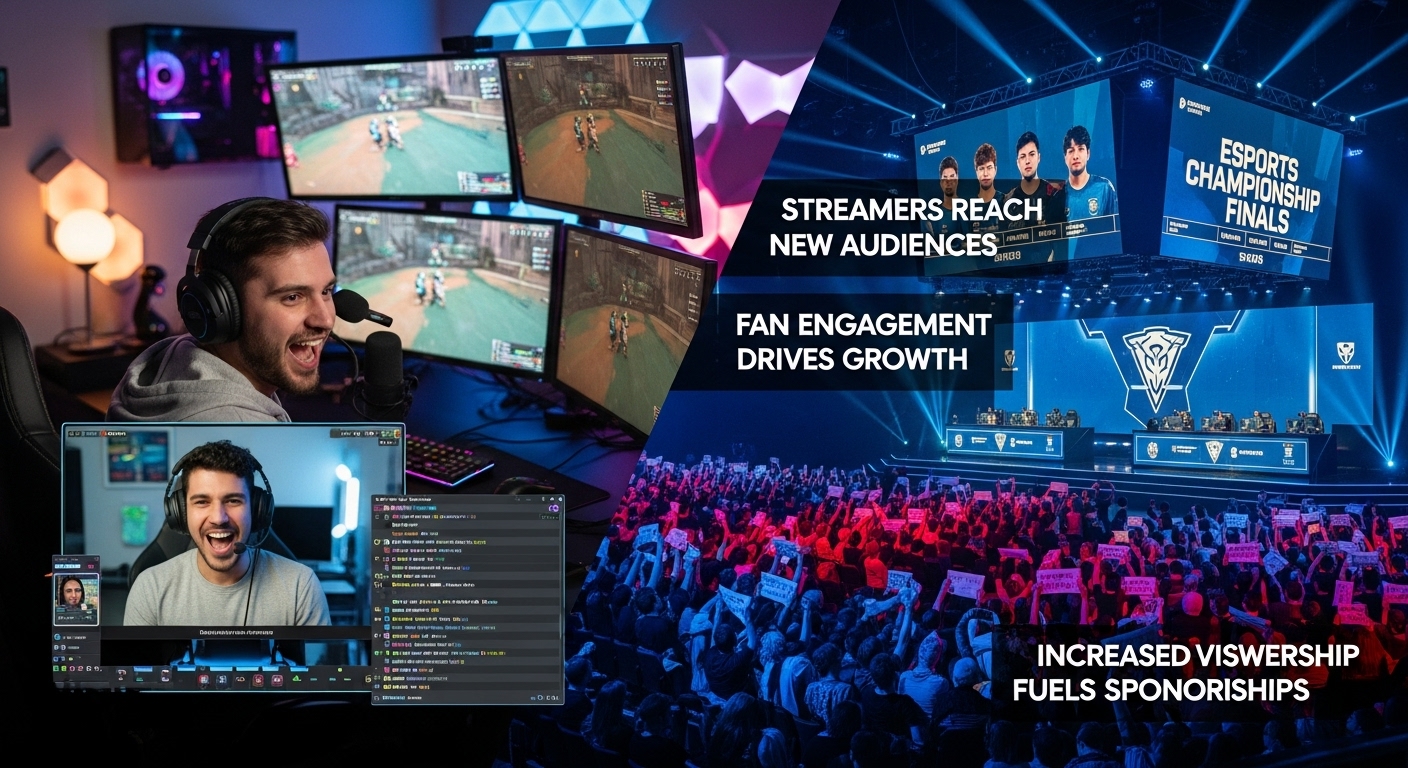
The roots of esports can be traced back to early gaming competitions held in arcades and university campuses. As internet connectivity improved, online multiplayer games allowed players from different regions to compete, laying the foundation for global tournaments. Streaming platforms played a crucial role in this transformation by enabling fans to watch matches live and interact with players in real time.
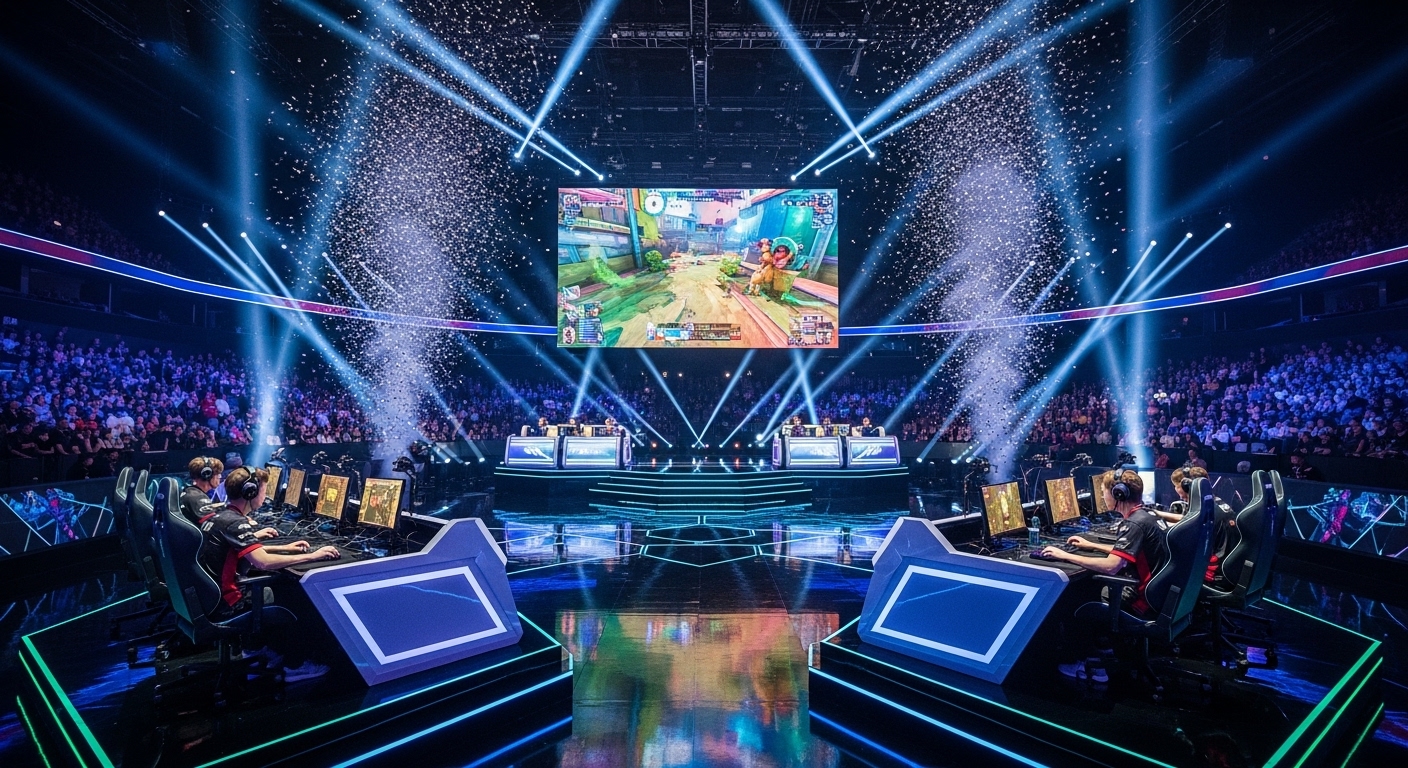
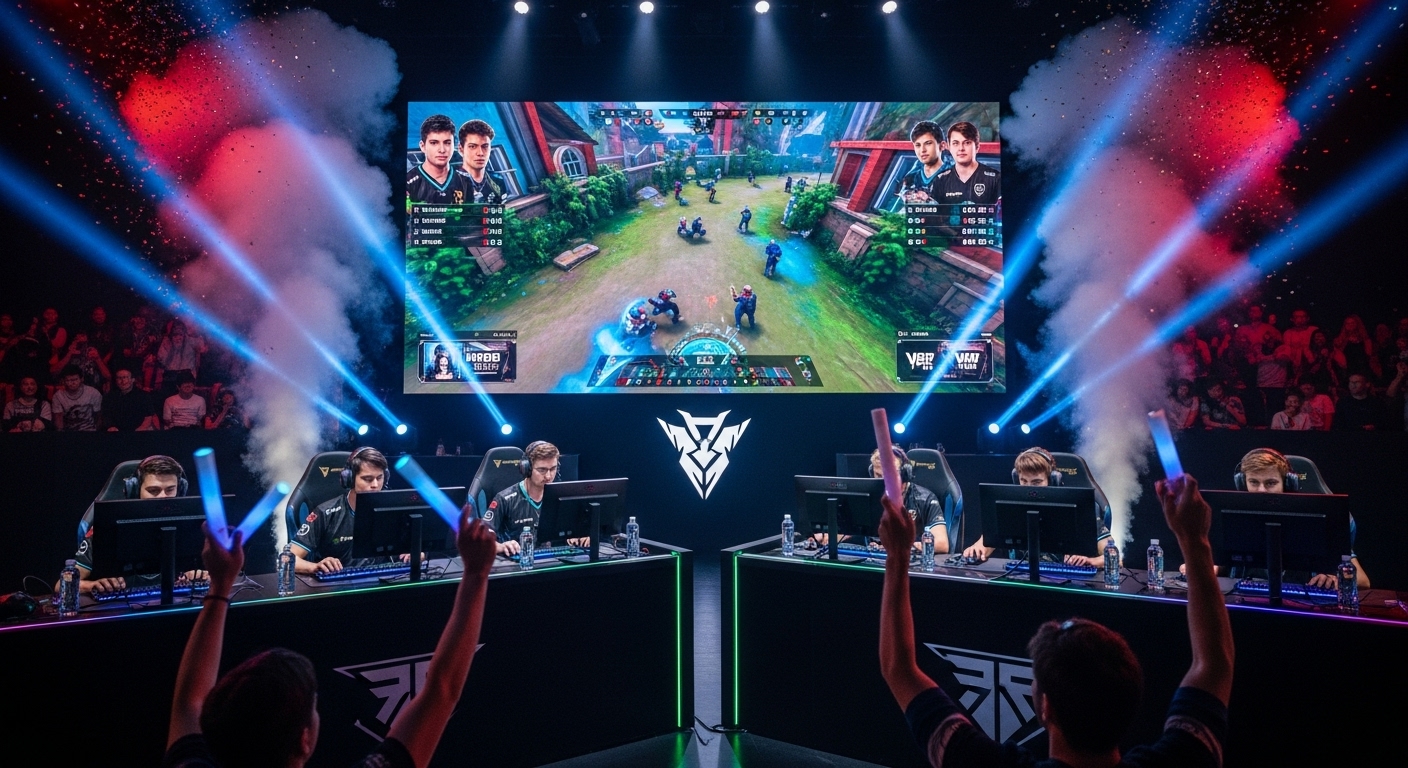
Over the years, esports events have grown in scale and professionalism. Prize pools increased dramatically, production quality improved, and events began to resemble traditional sports broadcasts. Stadiums filled with thousands of spectators cheering for their favorite teams, while millions more tuned in online. This evolution has helped esports gain mainstream recognition and legitimacy as a competitive discipline.
The Esports Ecosystem: Players, Teams, and Organizations
At the heart of esports are the players. Professional gamers are highly specialized athletes who rely on quick decision-making, precise execution, and mental resilience. Many begin their journey at a young age, climbing online rankings before being scouted by teams or organizations.
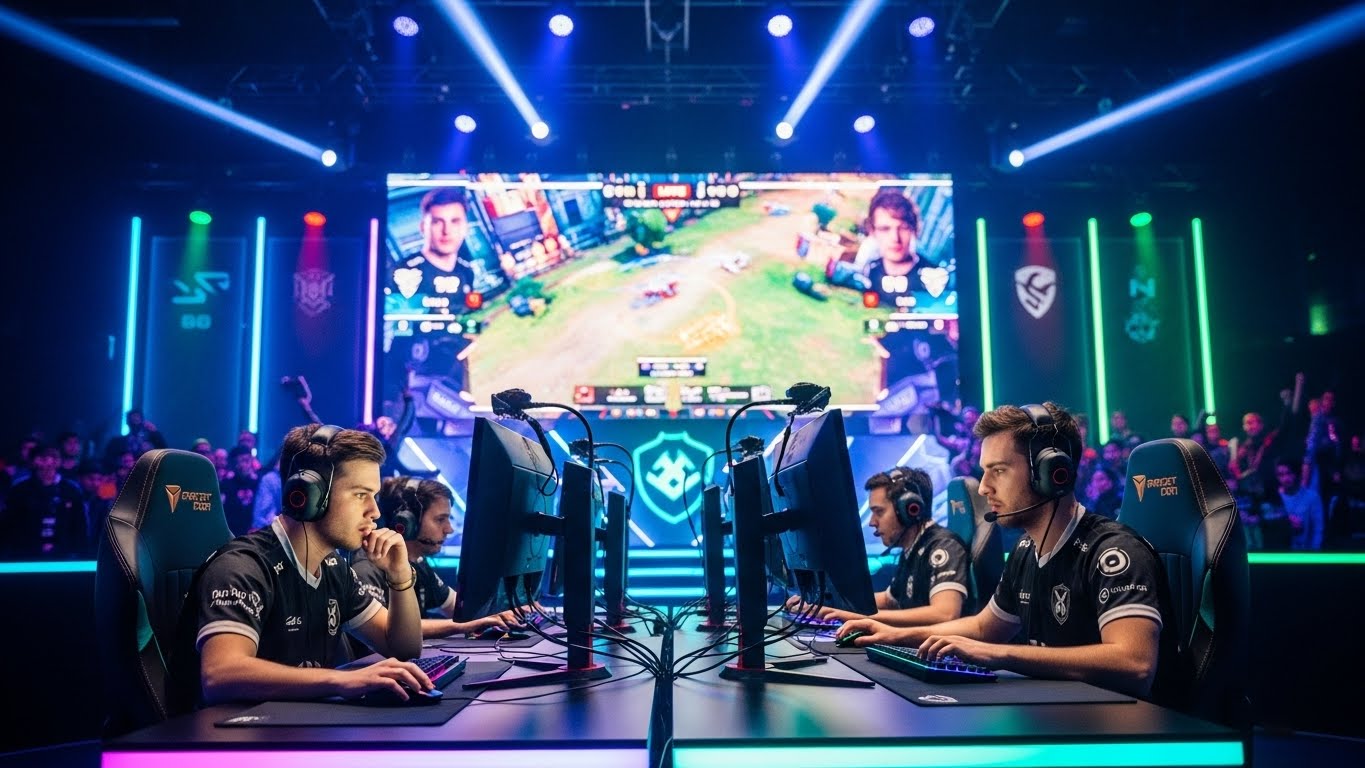
Esports teams function similarly to traditional sports franchises. They sign players to contracts, provide coaching and support staff, and compete in leagues and tournaments. Coaches focus on strategy and performance improvement, while analysts study data and opponents to gain a competitive edge. Managers handle logistics, branding, and partnerships, ensuring the team operates smoothly.
Tournament organizers and league operators form another critical layer of the ecosystem. They establish rules, schedule competitions, and ensure fair play. Game publishers also play a unique role in esports, as they own the intellectual property of the games being played and often influence competitive formats and updates.
The Role of Technology in Shaping Esports
Technology is the backbone of esports. High-performance hardware, low-latency internet, and advanced software tools are essential for competitive play. Innovations in streaming technology have made it possible to broadcast matches to global audiences with minimal delay and high production value.
Data analytics has become increasingly important in esports. Teams use performance metrics to evaluate players, optimize strategies, and track improvement. Spectators also benefit from enhanced viewing experiences, including real-time statistics, multiple camera angles, and immersive commentary.
Virtual reality and augmented reality are beginning to influence how esports events are presented, offering new ways for fans to engage with matches. As technology continues to evolve, it will further blur the line between physical and digital competition.
Esports as Entertainment and Culture
Esports is not just a competitive activity; it is a cultural movement. It has created its own language, heroes, and traditions. Fans form deep emotional connections with teams and players, celebrating victories and mourning defeats together. Online communities thrive around games, sharing strategies, memes, and discussions that extend far beyond the matches themselves.
The accessibility of esports has contributed to its cultural impact. Anyone with a gaming device and internet connection can participate, watch, or aspire to compete. This inclusivity has helped esports resonate with younger generations who grew up in digital environments.
Esports has also influenced fashion, music, and media. Team jerseys, gaming peripherals, and branded merchandise have become symbols of identity. Collaborations between esports organizations and mainstream brands highlight how deeply esports has penetrated popular culture.
Career Opportunities Beyond Playing
While professional players receive the most attention, esports offers a wide range of career paths. Content creators build personal brands by streaming gameplay, creating videos, and engaging with fans. Casters and analysts provide commentary and insights, enhancing the viewing experience.
Behind the scenes, there are opportunities in event management, marketing, graphic design, software development, and community management. Sports psychologists, nutritionists, and fitness trainers are increasingly involved, supporting player well-being and performance.
Education and training programs focused on esports management and production are emerging, reflecting the industry’s growing maturity. For many, esports represents a viable and exciting career option that combines passion with professional growth.
The Business of Esports
Esports has developed into a powerful business sector. Revenue streams include sponsorships, advertising, merchandise sales, media rights, and ticketed events. Brands are drawn to esports because of its engaged and digitally savvy audience.
Investment in esports organizations and infrastructure has increased significantly. Venture capital firms, traditional sports teams, and celebrities have all entered the space, bringing resources and visibility. This influx of investment has accelerated growth but also raised expectations for sustainability and profitability.
Monetization models continue to evolve as the industry experiments with new ways to support teams and players while maintaining a positive fan experience.
Challenges Facing the Esports Industry
Despite its success, esports faces several challenges. Player burnout is a growing concern due to intense training schedules and pressure to perform. Maintaining mental and physical health is essential for long-term careers.
Regulation and standardization remain complex issues. Different games have different rules, and the global nature of esports makes governance challenging. Ensuring fair play, preventing cheating, and managing contracts require consistent oversight.
Another challenge is inclusivity. While esports is accessible, representation across gender and regions still needs improvement. Creating safe and welcoming environments for all participants is crucial for the industry’s future.
The Future of Esports
The future of esports looks promising and dynamic. As technology advances, esports will become even more immersive and interactive. Crossovers with traditional sports, education, and entertainment are likely to increase, further integrating esports into everyday life.
Grassroots initiatives and youth programs will play an important role in developing new talent and expanding the player base. As audiences grow older, esports will continue to adapt, offering diverse content and experiences.
Ultimately, esports is redefining what competition means in a digital world. It challenges traditional notions of athleticism and highlights the value of cognitive skill, teamwork, and adaptability.
Conclusion: A New Era of Competition
Esports represents a new chapter in the history of competition and entertainment. It combines the thrill of sport with the creativity of gaming and the power of technology. What started as a pastime has become a global stage where skill, strategy, and passion collide.
As esports continues to grow, it will shape careers, cultures, and communities in ways we are only beginning to understand. Beyond the screen lies a vibrant world of opportunity and innovation, proving that competition in the digital age is as real and meaningful as any played on a physical field.