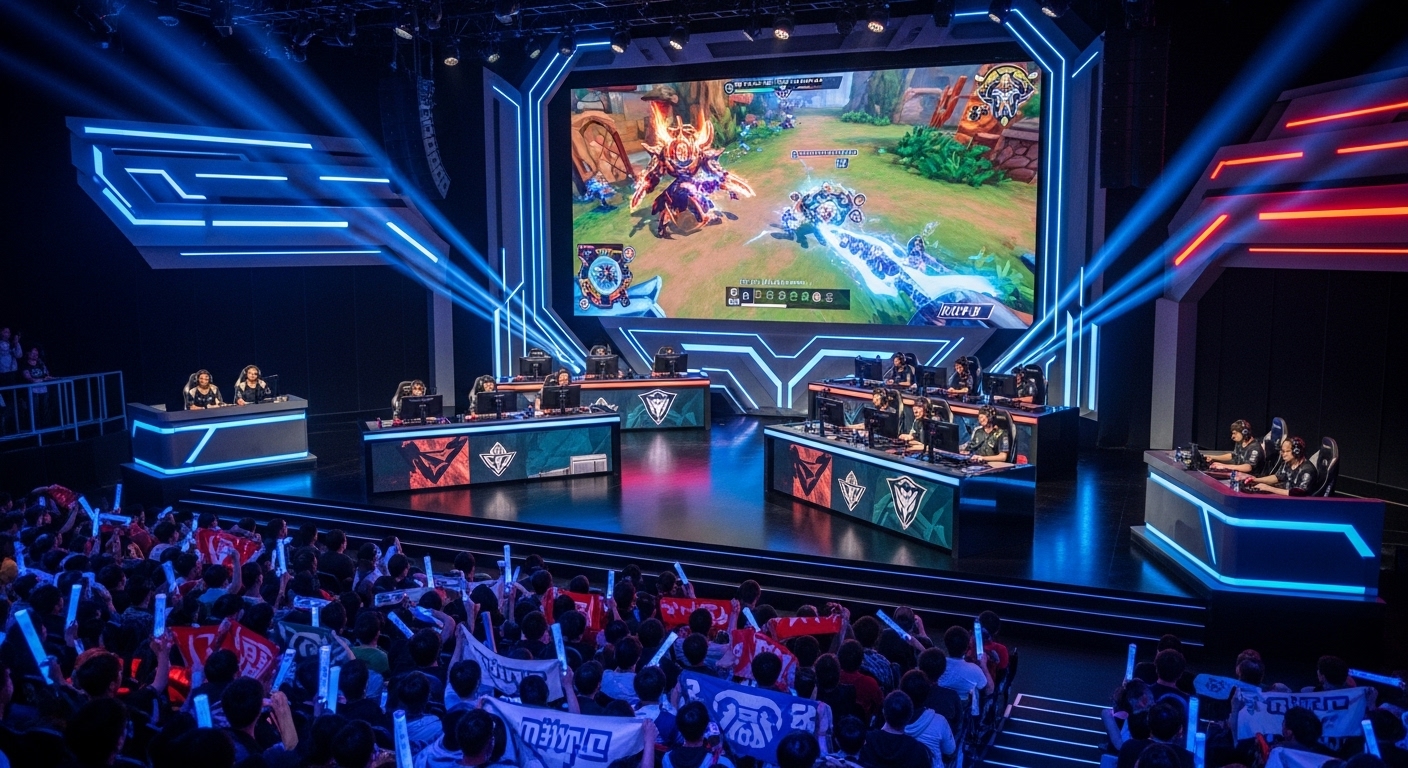






Esports, once a niche hobby for a small group of enthusiasts, has rapidly evolved into a global phenomenon. What began as casual gaming competitions has transformed into a billion-dollar industry with professional players, massive tournaments, sponsorships, and dedicated fan bases. The rise of esports is not just about entertainment; it is redefining the way people compete, connect, and consume digital content. In this blog, we explore the evolution of esports, its impact on players and audiences, the business behind it, and the future of competitive gaming.
The Birth and Evolution of Esports
The roots of esports date back to the late 1970s when simple arcade games sparked the first competitive tournaments. Early competitions like Space Invaders and Pac-Man attracted local participants, but the concept of esports as we know it today began with the rise of personal computers and online gaming in the 1990s. Games such as StarCraft and Counter-Strike laid the foundation for competitive gaming by combining strategy, teamwork, and skill in ways that appealed to serious gamers.
With the proliferation of the internet, players from around the world could now compete in real-time, giving birth to online tournaments and professional leagues. Today, esports spans multiple genres, including MOBAs (Multiplayer Online Battle Arenas), first-person shooters, battle royale games, and sports simulations. Each genre has its own dedicated fan base, tournament structure, and professional ecosystem, contributing to the explosive growth of competitive gaming.
The Professional Competitive Scene
Modern esports is highly organized and professionalized. Competitive teams and players train rigorously, much like traditional athletes. Daily practice sessions, strategy meetings, and coaching support are standard elements in professional esports teams. Players are expected to maintain physical and mental fitness to perform at the highest level.
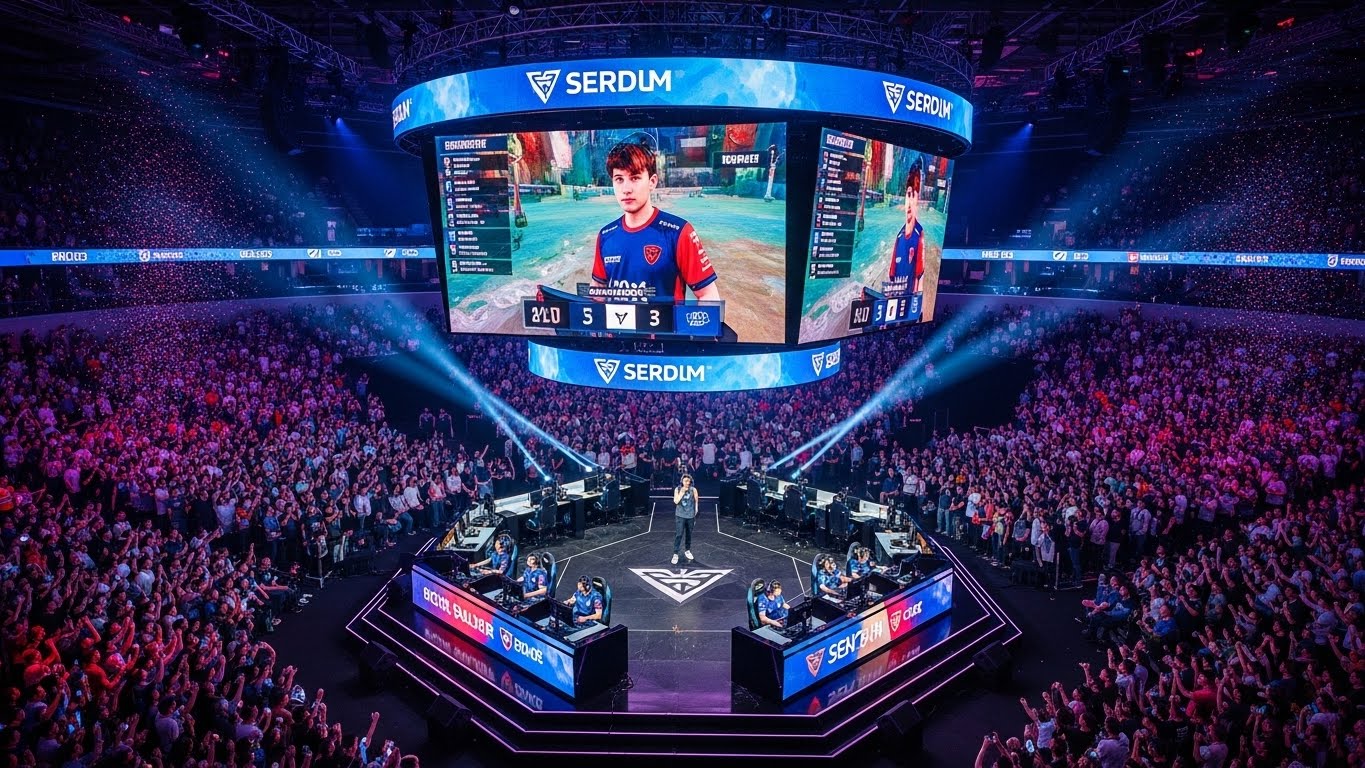
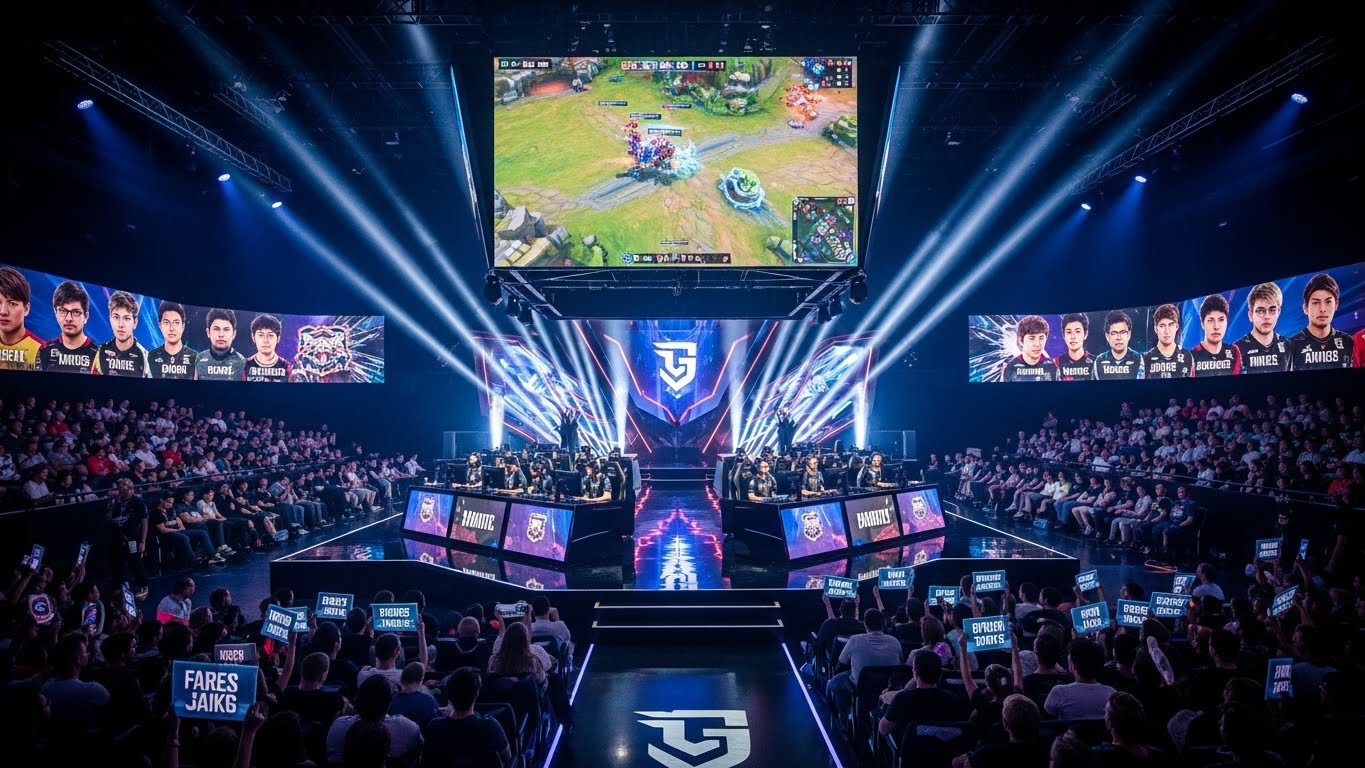
Tournaments now offer substantial prize pools, sometimes reaching millions of dollars. Events like the League of Legends World Championship and Dota 2 International attract global audiences and are streamed live to millions of viewers. The competitive scene is not limited to Asia and North America; Europe, South America, and increasingly, regions in Africa and the Middle East are producing top-tier players and hosting large-scale tournaments.
Streaming and the Rise of Esports Audiences
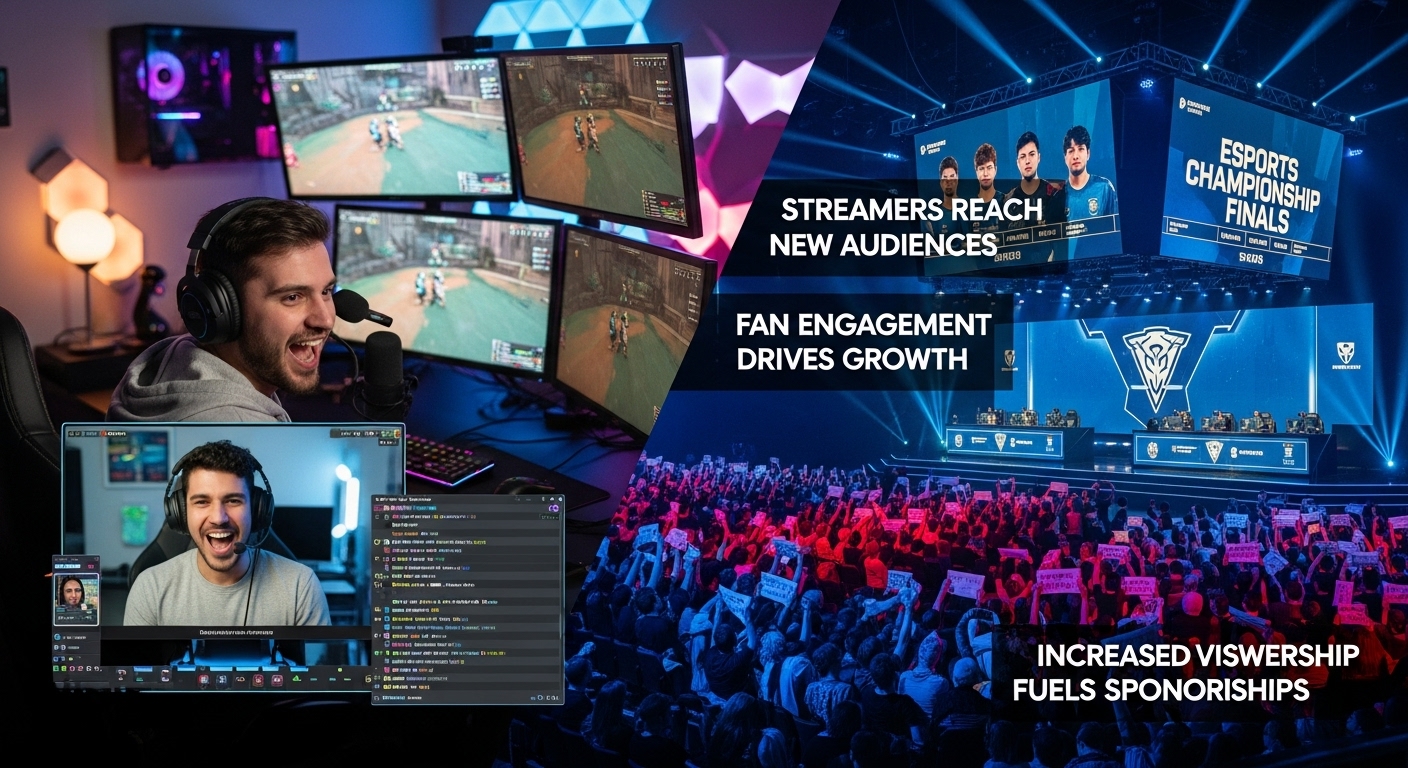
One of the driving forces behind the esports revolution is the rise of streaming platforms. Services that allow fans to watch live competitions in real-time have created a unique ecosystem for interaction and engagement. Viewers can chat, follow their favorite players, and even learn strategies through live broadcasts. This interactive nature has amplified fan engagement far beyond what traditional sports can offer.
Streaming also empowers content creators and aspiring professional players to showcase their skills to a global audience. These platforms allow for monetization through subscriptions, sponsorships, and donations, creating additional income streams and career opportunities within the esports ecosystem. By providing both entertainment and education, streaming platforms have transformed esports into a mainstream entertainment option.
Economic Impact of Esports
Esports has grown into a multi-billion-dollar industry, attracting investment from diverse sectors. Sponsorships from technology companies, beverage brands, apparel manufacturers, and other industries have become a primary revenue source. Tournament organizers earn revenue through ticket sales, merchandise, and media rights, while game developers benefit from in-game purchases, downloadable content, and community engagement.
Esports organizations function similarly to traditional sports franchises. Teams have management staff, marketing departments, coaching personnel, and support staff to ensure smooth operations and competitive success. The industry also stimulates local economies by hosting tournaments and events that attract tourism, create temporary jobs, and promote technology adoption. This economic footprint highlights the substantial influence esports has on both local and global markets.
Mental and Physical Demands on Players
Contrary to common misconceptions, esports players face significant mental and physical challenges. The intense pressure to perform, long practice hours, and the competitive nature of tournaments can lead to stress, burnout, and mental fatigue. To mitigate these challenges, professional teams employ sports psychologists, nutritionists, and wellness coaches to ensure players maintain balance and health.
Physical fitness is increasingly recognized as essential. Proper exercise routines, posture correction, and hand-eye coordination training are incorporated into player schedules. Mental focus and emotional resilience are equally important, as players must make split-second decisions under high-pressure scenarios. Esports is a unique blend of mental and physical demands, demonstrating that competitive gaming requires discipline and dedication.
Esports and Education
Educational institutions have begun to recognize the value of esports in teaching skills such as teamwork, strategy, leadership, and digital literacy. Many universities now offer esports programs, scholarships, and dedicated gaming facilities. Collegiate leagues allow students to compete at high levels while balancing academic responsibilities, creating pathways for professional opportunities within the industry.
Esports education is not limited to gameplay. Students gain experience in broadcasting, event management, marketing, game design, and data analysis. This comprehensive approach to esports education helps legitimize the industry as a career path while equipping students with versatile skills for the modern workforce.
Diversity and Inclusion in Esports
While esports has traditionally been male-dominated, efforts are underway to promote diversity and inclusivity. Women, LGBTQ+ individuals, and players from underrepresented regions are increasingly participating in professional gaming. Organizations are implementing mentorship programs, safe spaces, and anti-harassment policies to create welcoming environments for all players.
Diverse teams bring unique perspectives, strategies, and creativity, enriching the competitive experience. Inclusion also expands the fan base, allowing esports to reach new demographics and grow as a global cultural phenomenon. By fostering diversity, esports positions itself as a forward-thinking and socially responsible industry.
The Future of Esports
The future of esports is marked by innovation, accessibility, and expansion. Emerging technologies like virtual reality and augmented reality promise to create immersive experiences that redefine competitive gaming. VR esports could enable players to compete in fully interactive 3D environments, while AR can enhance live tournaments with real-time overlays and interactive fan experiences.
Mobile esports is another rapidly growing sector. With the widespread availability of smartphones and mobile games, competitive gaming is now accessible to a broader audience worldwide. Countries in Asia, Latin America, and Africa are witnessing significant growth in mobile esports, contributing to the global expansion of the industry.
Collaboration between traditional sports and esports is also on the rise. Professional sports leagues are exploring esports competitions as a way to engage younger audiences and create hybrid entertainment experiences. This convergence of industries demonstrates that esports will continue to gain recognition and influence in mainstream culture.
Career Opportunities in Esports
The esports industry offers diverse career paths beyond competitive gameplay. Professionals can pursue roles in coaching, team management, broadcasting, content creation, marketing, event planning, and game development. Technical expertise, creativity, and adaptability are highly valued in these roles.
Aspiring players and industry professionals must stay informed about trends, build strong networks, and continuously develop skills to succeed. Esports is a fast-paced and evolving industry, rewarding those who combine passion with strategic planning and professional growth.
The Cultural Impact of Esports
Esports has become more than just a form of entertainment; it has evolved into a cultural movement. It fosters communities where fans and players connect over shared interests, strategies, and experiences. Major tournaments have become social events, bringing together thousands of attendees and millions of viewers worldwide.
Esports also challenges traditional notions of competition and sportsmanship. The rise of digital competition highlights the value of skill, strategy, and teamwork in a virtual environment. By merging technology, culture, and entertainment, esports reflects the evolving ways in which people engage with media and leisure.
Conclusion
Esports has transcended its origins as casual gaming to become a global industry with cultural, economic, and educational significance. Professional competitions, streaming platforms, sponsorships, and educational programs demonstrate the multifaceted impact of esports on society. Players train rigorously, audiences engage passionately, and businesses invest strategically, reflecting the legitimacy and sustainability of competitive gaming as a profession and entertainment medium.
As technology continues to advance, the esports industry is poised for further growth and innovation. Virtual reality, mobile esports, and collaborations with traditional sports are shaping the future of competitive gaming. By embracing inclusivity, supporting mental health, and fostering community engagement, esports will continue to redefine entertainment in the digital age. Competitive gaming is no longer just a hobby; it is a global movement, a thriving industry, and a testament to the power of technology in connecting people and inspiring creativity. The esports revolution has only just begun, and its influence will continue to expand for years to come.