




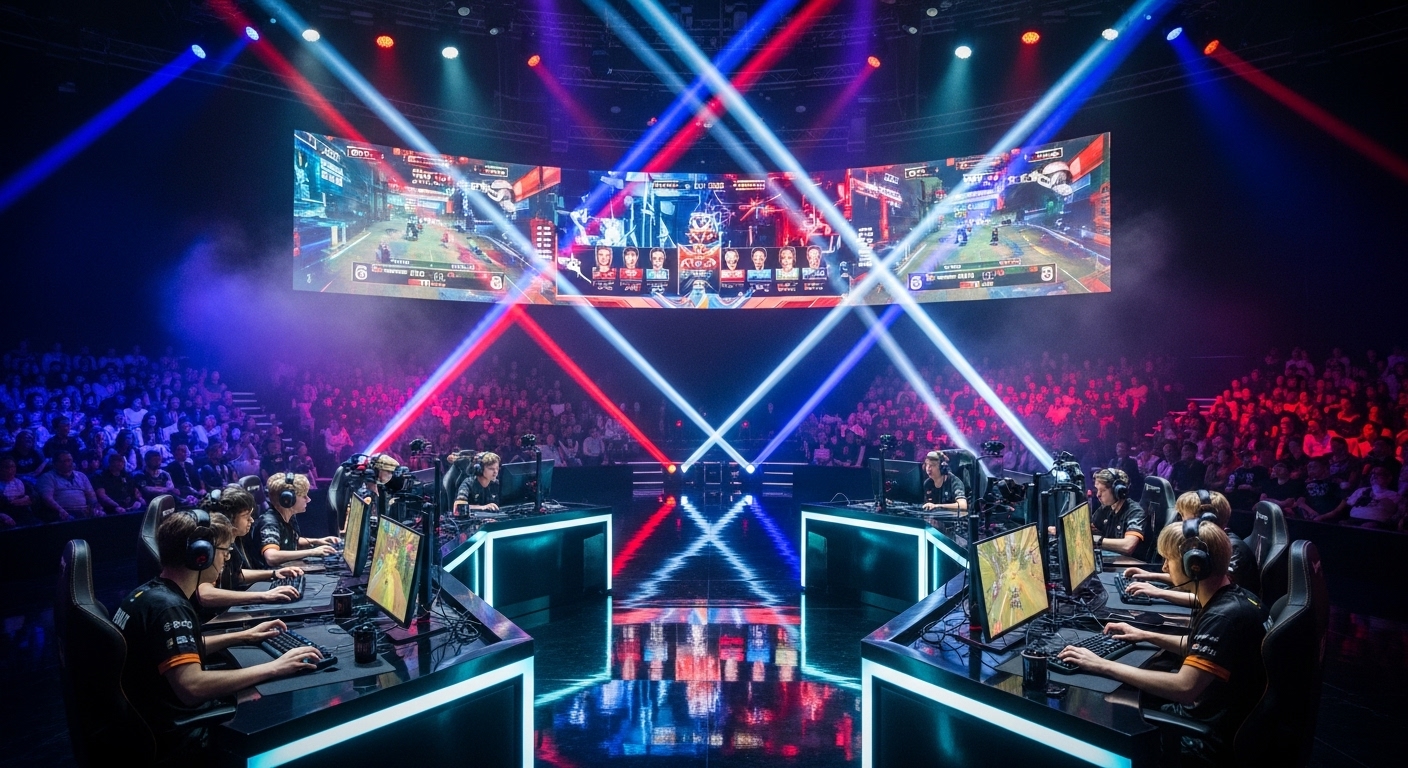
For many students, gaming is more than just a hobby—it’s a way to relax, connect with friends, and even pursue esports ambitions. However, balancing gaming with school responsibilities can be challenging. Without proper time management and discipline, academics can suffer, and stress levels can rise. On the other hand, with the right approach, it is possible to enjoy gaming while maintaining strong school performance.
In this blog, we’ll explore practical strategies and tips for balancing gaming and school, ensuring that students can excel both in the classroom and in their favorite esports or gaming activities.
Create a Structured Schedule
Time management is the foundation of balancing school and gaming. Students should develop a structured daily or weekly schedule that allocates specific periods for studying, homework, extracurricular activities, and gaming.
- Set Study Blocks: Dedicate focused periods to complete assignments, review material, and prepare for exams. Avoid multitasking during study time to maximize efficiency.
- Plan Gaming Time: Schedule gaming sessions as a reward after completing academic tasks. This ensures that gaming does not interfere with school responsibilities.
- Use Calendars or Planners: Visual planning tools help track deadlines and prevent last-minute stress.
A structured schedule reduces the risk of neglecting schoolwork while allowing time for gaming in a controlled manner.
Prioritize Responsibilities
Understanding priorities is key to maintaining balance. Schoolwork and responsibilities should take precedence, while gaming serves as a form of relaxation and reward.
- Set Academic Goals: Clear academic goals help students stay focused and motivated. Completing tasks on time allows for guilt-free gaming.
- Break Down Tasks: Large assignments or exam preparation can be divided into smaller, manageable tasks, making it easier to balance with gaming.
- Avoid Procrastination: Putting off schoolwork often leads to stress and limits time available for gaming.
By prioritizing responsibilities, students can enjoy gaming without compromising their academic performance.
Practice Time Management During Gaming
Gaming itself can be a time-consuming activity, so it’s important to manage gaming time effectively.
- Set Limits: Use timers or reminders to avoid excessively long sessions. One to two hours of focused gaming is usually sufficient for entertainment or practice.
- Focus on Quality Over Quantity: Instead of playing long hours, prioritize meaningful and engaging gaming sessions, such as practicing specific skills or competing in tournaments.
- Avoid Distractions: During gaming time, eliminate distractions like unnecessary phone notifications to maximize enjoyment and skill development.
Effective time management ensures that gaming remains a positive and controlled activity rather than a source of stress.
Combine Gaming with Physical Activity
Esports and gaming are largely sedentary, which can affect physical and mental health if not balanced with movement.
- Regular Exercise: Incorporate physical activity into your routine to maintain energy levels, focus, and overall well-being.
- Stretching Breaks: During long gaming sessions, take short breaks to stretch and rest your eyes, reducing fatigue and improving posture.
- Active Gaming Options: Consider motion-based games or VR experiences to combine gaming with light exercise.
Balancing gaming with physical activity supports both academic focus and long-term health.
Use Gaming as a Motivational Tool
Gaming can be leveraged as a reward system to motivate academic achievement.
- Set Rewards: Allow yourself gaming sessions after completing assignments, achieving study goals, or earning good grades.
- Gamify Studying: Turn learning into a game-like experience by setting challenges, tracking progress, and rewarding milestones.
- Stay Positive: Viewing gaming as a privilege rather than a distraction encourages discipline and balance.
This approach transforms gaming into a motivational tool that enhances productivity rather than detracting from it.
Develop Strong Study Habits
Successful balancing requires efficient study techniques that maximize learning in limited time.
- Active Learning: Engage with material through summarization, flashcards, or teaching concepts to others.
- Eliminate Multitasking: Focus entirely on schoolwork during study time to complete tasks faster and retain information better.
- Seek Help When Needed: Don’t hesitate to ask teachers, tutors, or classmates for guidance to stay on track.
Strong study habits reduce academic stress, creating more free time for gaming without guilt.
Foster Supportive Environments
Your surroundings can significantly affect your ability to balance gaming and school.
- Quiet Study Space: Dedicate a space free of distractions for schoolwork.
- Organized Gaming Area: Keep your gaming setup organized and separate from study materials to mentally distinguish work from play.
- Communicate with Family and Friends: Let others know your schedule so they can support your balance between academics and gaming.
A supportive environment reinforces discipline and helps prevent conflicts between gaming and school responsibilities.
Learn to Say No
Balancing multiple commitments sometimes requires making difficult choices.
- Avoid Excessive Gaming Sessions: Saying no to late-night gaming or extra matches when schoolwork is due helps maintain balance.
- Limit Social Media During Study Time: Reduce distractions that compete with both gaming and academics.
- Recognize Burnout Signs: Take breaks or reduce gaming if mental fatigue begins to affect studies or health.
Learning to set boundaries ensures that neither academics nor gaming suffers.
Embrace the Social Benefits of Gaming
While balancing school is important, gaming can provide valuable social interaction and teamwork skills.
- Team-Based Games: Playing cooperative or competitive games teaches communication, collaboration, and problem-solving.
- Online Communities: Engaging with gaming communities can improve social skills and provide a sense of belonging.
- Balance Social Life and School: Incorporate gaming as part of a broader social experience, rather than isolating it from other activities.
When approached responsibly, gaming can complement personal development rather than hinder academic growth.
Conclusion: Achieving Harmony Between Gaming and School
Balancing gaming and school is achievable with structure, discipline, and smart strategies. By managing time effectively, prioritizing responsibilities, maintaining healthy habits, and leveraging gaming as a motivational tool, students can excel academically while enjoying their favorite esports or gaming experiences.
The key is to view gaming as a complementary activity rather than a distraction. With careful planning, strong study habits, and mindful engagement, it’s possible to thrive both in the classroom and in the gaming arena. Mastering this balance equips students with skills in time management, discipline, and focus that will serve them well in all areas of life.