






Introduction: Entering the World of Competitive Gaming
Esports has grown from a small, niche hobby into a global spectacle. What once began as casual gaming among friends has transformed into a professional industry attracting millions of viewers and generating significant revenue. Today, esports is more than entertainment—it is a career, a cultural movement, and a symbol of the digital age.
The Rise of Esports
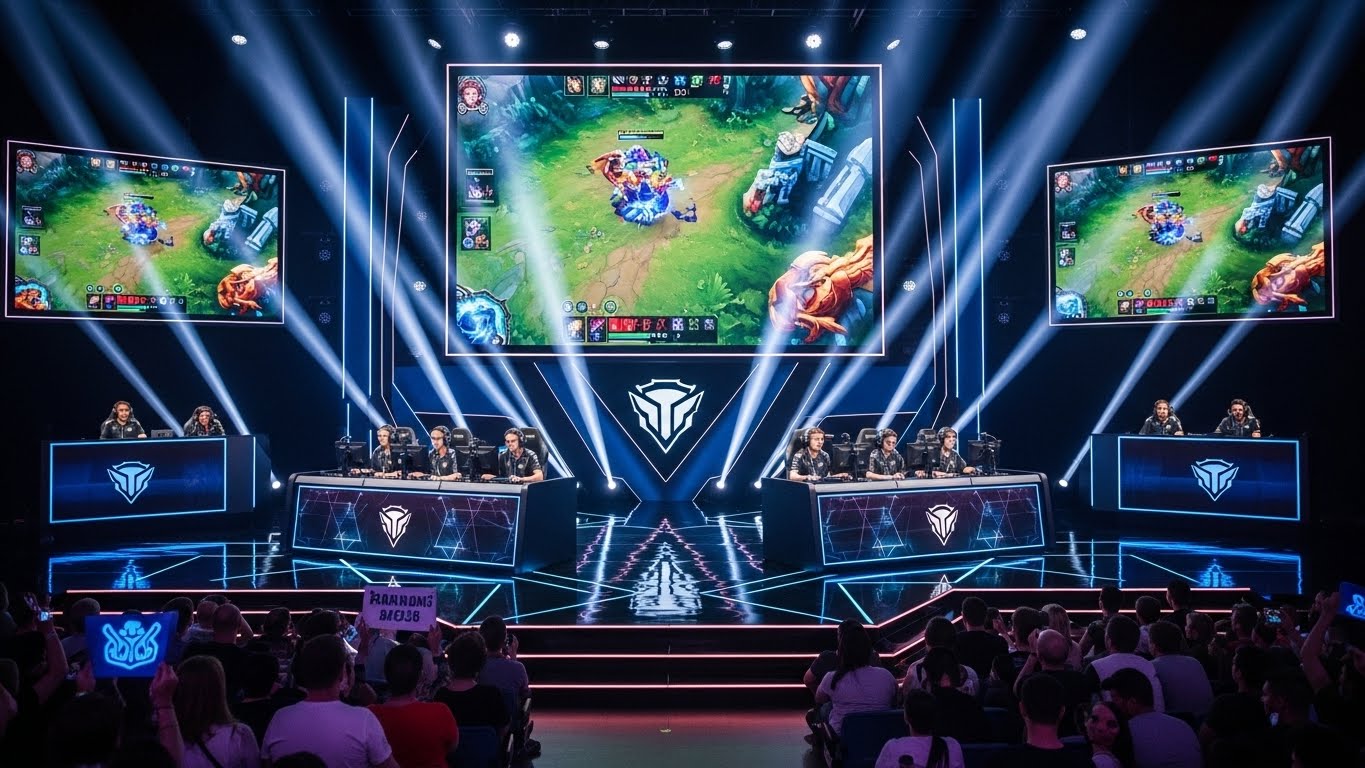
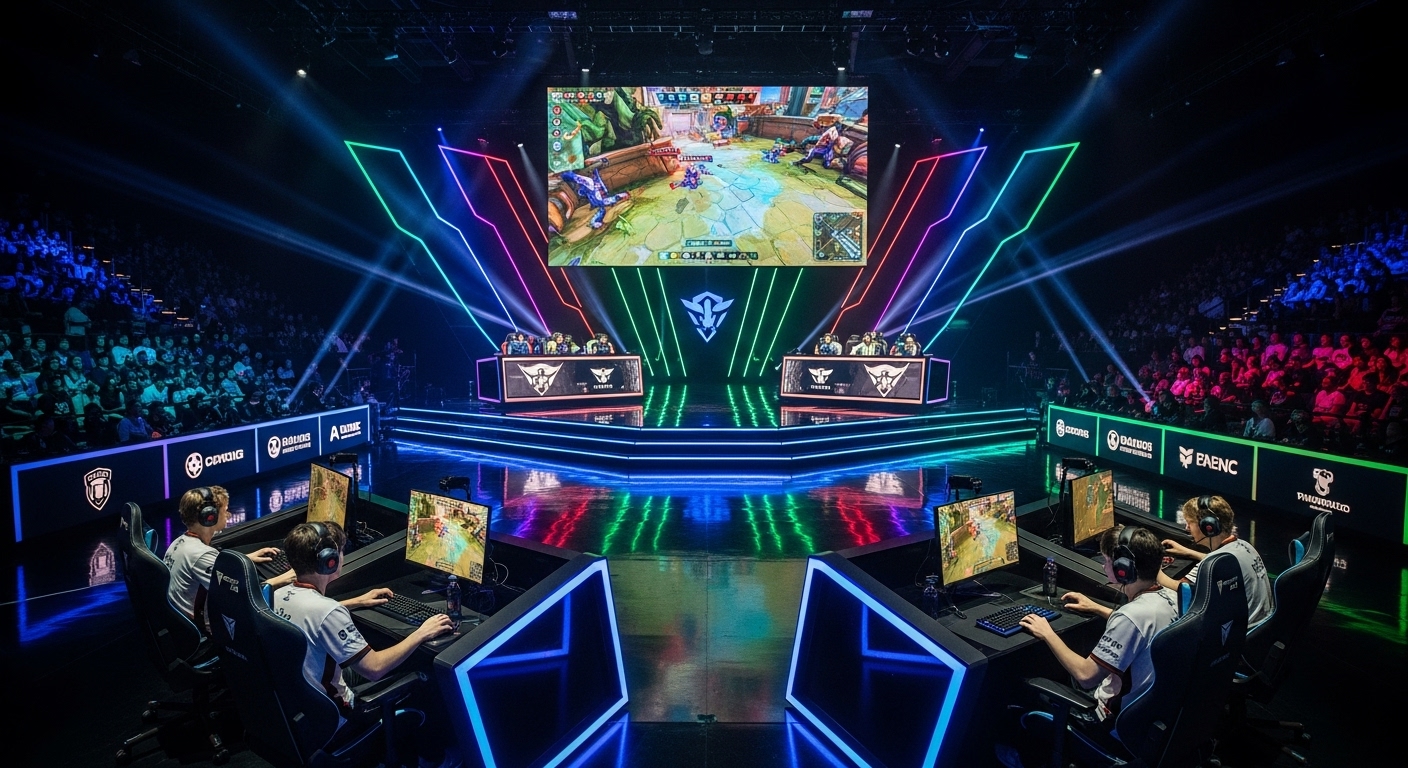
The rise of esports is a testament to the power of technology and connectivity. Early tournaments were modest affairs, often limited to local players and small audiences. As internet speeds increased and streaming platforms emerged, competitive gaming gained unprecedented reach. Today, major esports tournaments fill arenas, attract international audiences, and offer prize pools that rival traditional sports championships.
Popular Esports Games and Genres
Esports spans multiple genres, each with a passionate following. Multiplayer online battle arena games like League of Legends and Dota 2 emphasize strategy, teamwork, and precision. First-person shooters such as Counter-Strike and Valorant test reflexes, aiming, and tactical thinking. Other genres, including fighting games, sports simulations, and real-time strategy titles, showcase a diversity of skills and appeal to a wide range of players and fans.
Life of a Professional Gamer
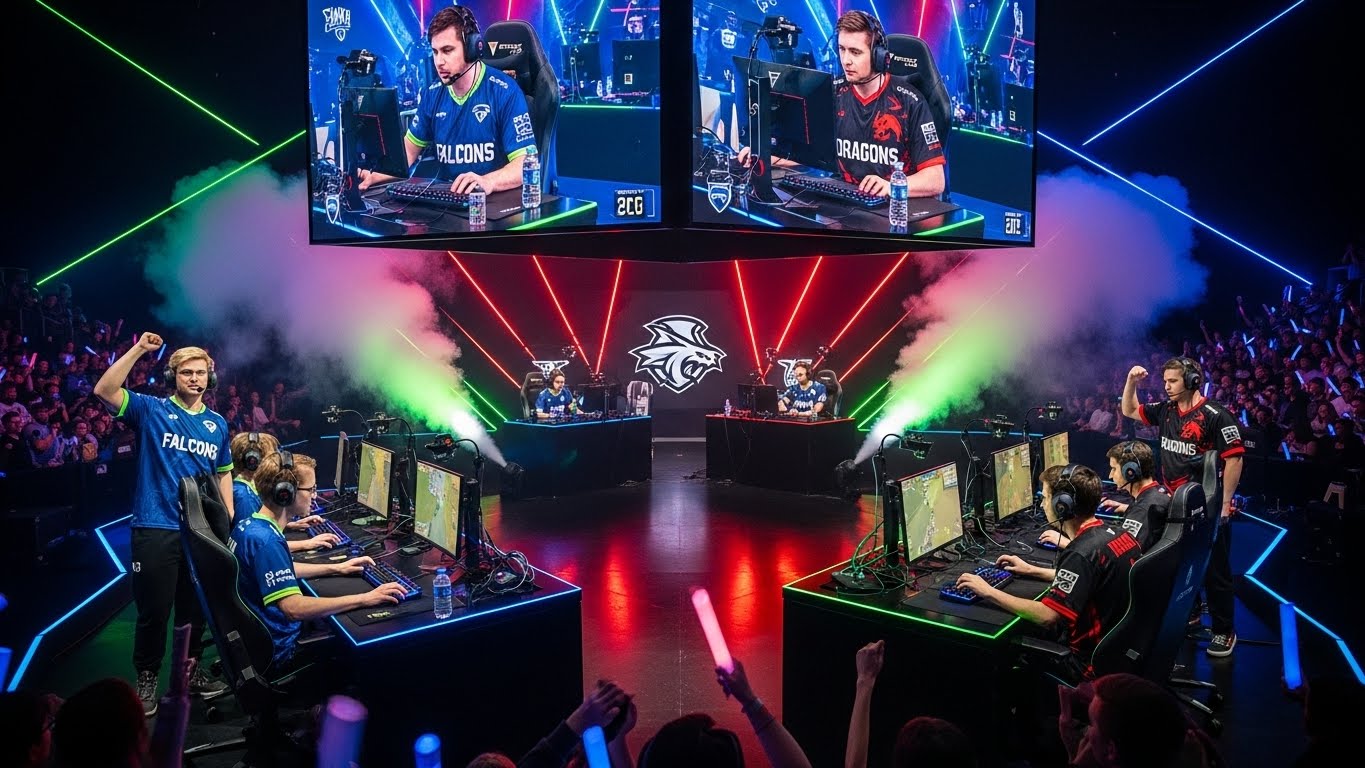
Professional esports players lead disciplined lives similar to traditional athletes. Their daily routines involve hours of practice, strategy planning, physical fitness, and mental conditioning. Competing at the highest level demands focus, endurance, and resilience. Many players also engage with fans through streaming and social media, building personal brands and connecting with global communities.
Cultural and Social Impact
Esports has reshaped how society views gaming. It has fostered online communities, inspired creativity, and influenced popular culture. Universities and educational institutions now offer scholarships and courses in esports management and game design. Beyond entertainment, esports provides opportunities for career development and encourages teamwork, problem-solving, and critical thinking.
Challenges in the Esports Industry
Despite its growth, esports faces challenges. Player burnout, online toxicity, and fair play regulations remain critical concerns. The industry must navigate sponsorship ethics, tournament regulations, and sustainable development. Addressing these issues is essential to ensure the continued legitimacy and expansion of competitive gaming.
The Future of Esports
Esports is poised for further growth and innovation. With technological advancements, global expansion, and increased mainstream acceptance, competitive gaming will continue to evolve. Virtual reality, enhanced streaming experiences, and new competitive formats promise to make esports more immersive and engaging for both players and audiences.
Conclusion: Redefining Competition in the Digital Age
Esports represents a fusion of skill, strategy, and technology. Its rapid rise has transformed gaming from a pastime into a professional and cultural phenomenon. As the industry continues to grow, esports will redefine competition, inspire the next generation of gamers, and leave a lasting impact on global entertainment.