





Introduction: The Rise of a Digital Arena
Esports, once dismissed as a niche hobby for gamers, has evolved into a global competitive phenomenon that rivals traditional sports in viewership, revenue, and cultural influence. What began in small internet cafés and local tournaments has grown into packed stadiums, multi-million-dollar prize pools, and professional athletes who train with the same discipline as footballers or basketball players. Esports is no longer just about playing games; it is about strategy, teamwork, mental endurance, branding, and a rapidly expanding digital economy. This blog explores how esports emerged, why it matters today, and what its future means for competition and society.
Understanding Esports: More Than Just Gaming
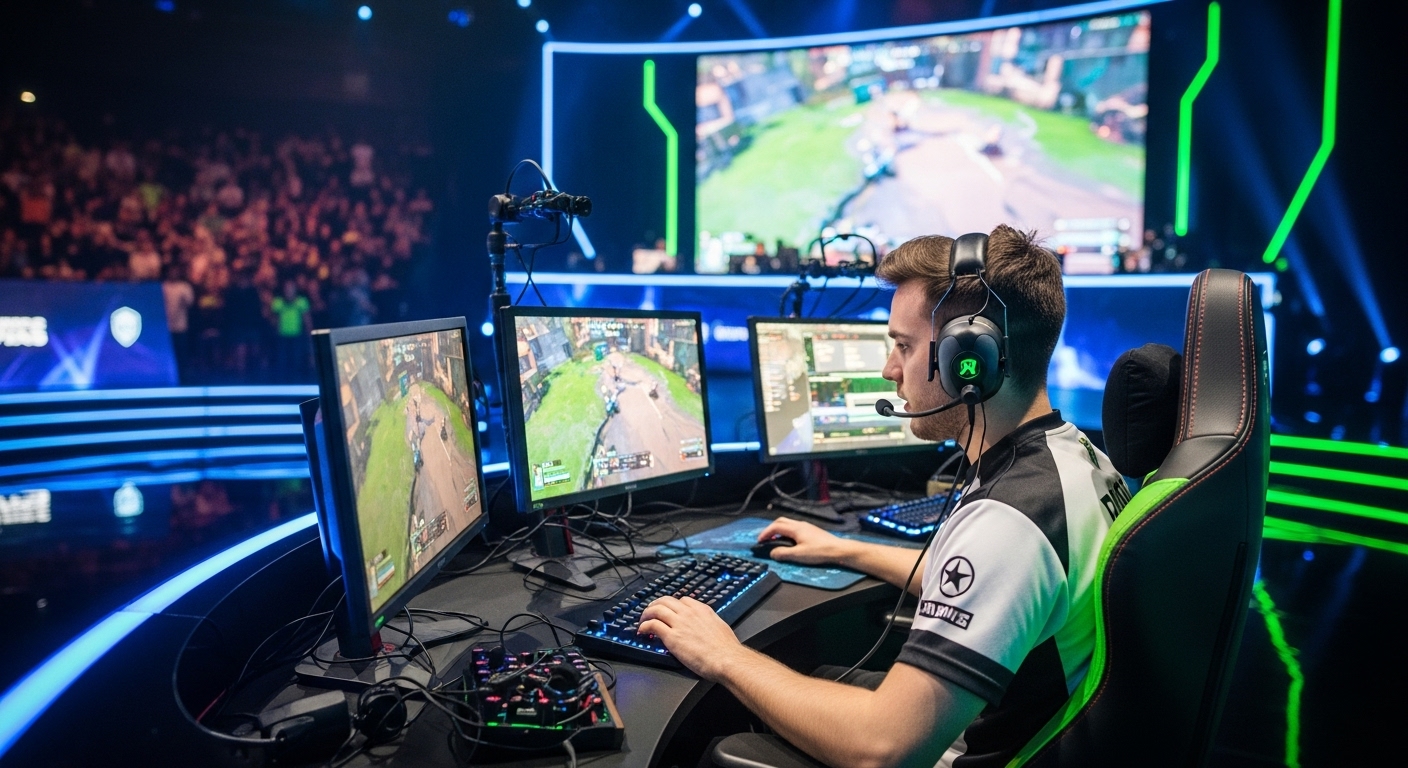
At its core, esports refers to organized, competitive video gaming where individuals or teams compete in popular titles across various genres. These include multiplayer online battle arenas, first-person shooters, real-time strategy games, and sports simulations. Unlike casual gaming, esports demands precision, tactical planning, and intense practice. Professional players often spend eight to twelve hours a day refining their skills, studying opponents, and adapting to frequent game updates.
What separates esports from traditional gaming is its structure. There are leagues, seasons, coaches, analysts, and governing organizations. Matches are broadcast live to global audiences, complete with commentators, pre-game analysis, and post-match breakdowns. This professional framework has helped legitimize esports as a true competitive discipline rather than a recreational pastime.
The Evolution of Esports Through the Years
The journey of esports began decades ago with small-scale competitions in arcades and early computer labs. As internet connectivity improved, online multiplayer gaming enabled players from different regions to compete in real time. This technological leap laid the foundation for global tournaments and international rivalries.
The 2010s marked a turning point. Streaming platforms allowed fans to watch matches live, interact with players, and become part of online communities. Game publishers began investing directly in competitive ecosystems, ensuring consistent tournament structures and financial stability. As sponsorships from major brands entered the scene, esports transitioned from grassroots enthusiasm to a structured industry with professional standards.
The Players: Digital Athletes of a New Generation
Esports athletes challenge the outdated stereotype of gamers as isolated or unmotivated. At the professional level, players must maintain peak mental performance, fast reaction times, and exceptional hand-eye coordination. Team-based games require constant communication, trust, and adaptability under pressure.
Many esports organizations now employ fitness trainers, sports psychologists, and nutritionists to support their players. This holistic approach recognizes that mental health and physical well-being directly impact in-game performance. Careers in esports can be short due to burnout or the rapid evolution of games, making discipline and adaptability essential traits for long-term success.
Esports as a Spectator Experience
One of the most remarkable aspects of esports is its ability to captivate massive audiences. Fans tune in not only to watch skilled gameplay but also to follow storylines, rivalries, and underdog victories. Just like traditional sports, esports thrives on emotion, suspense, and shared experiences.
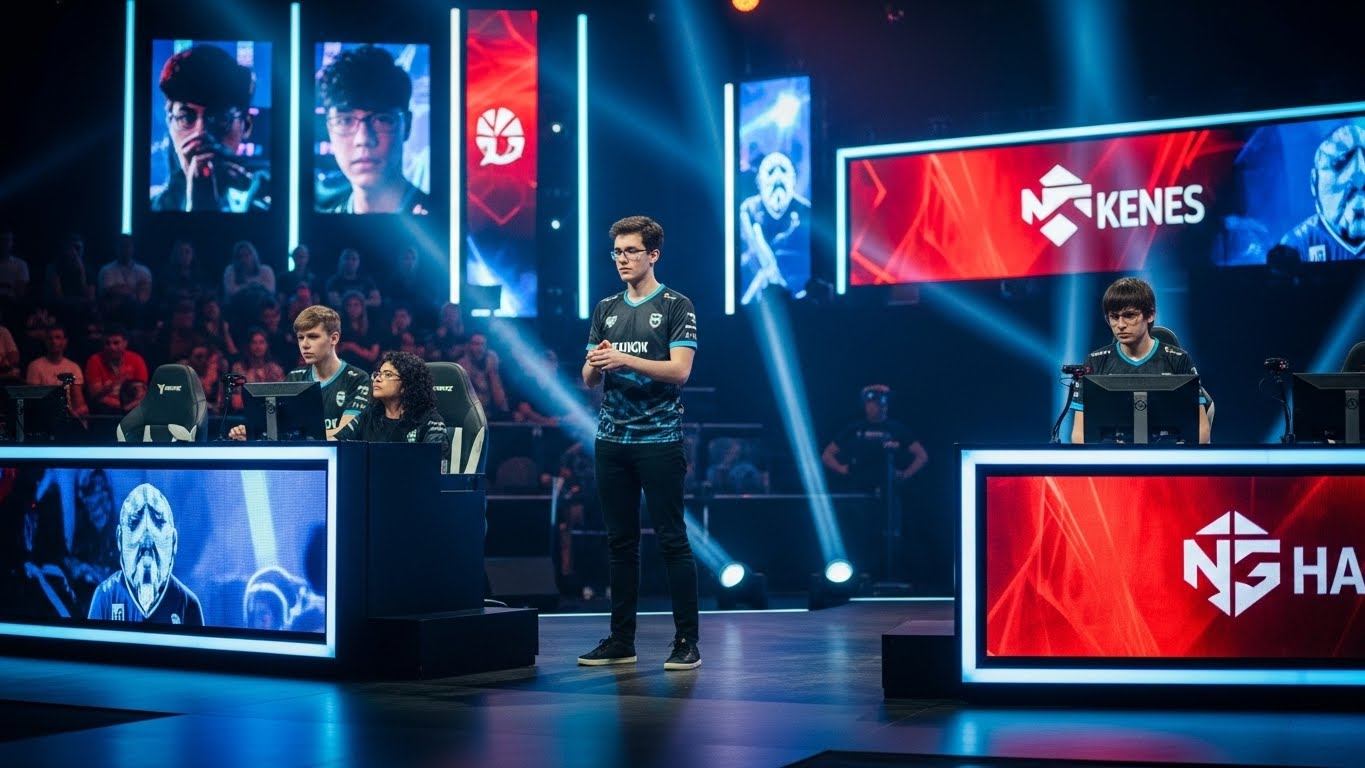
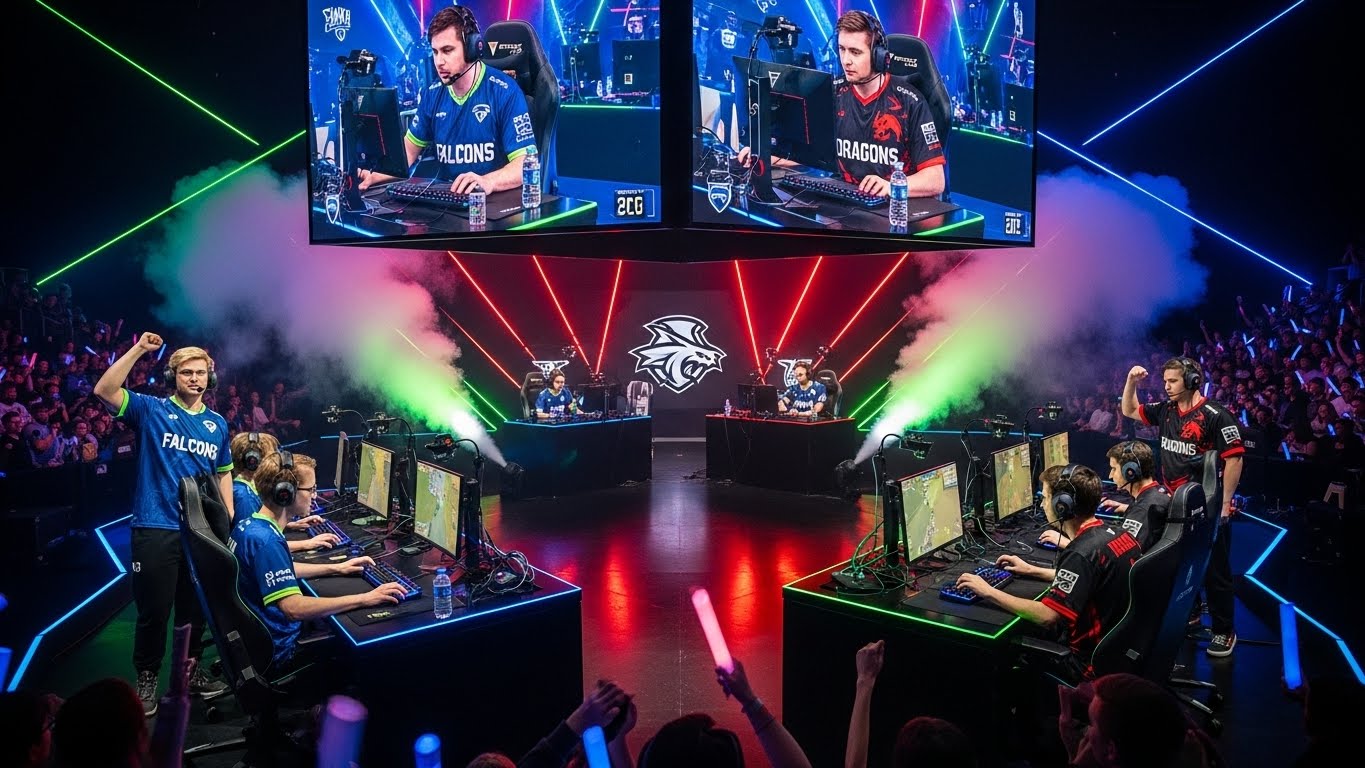
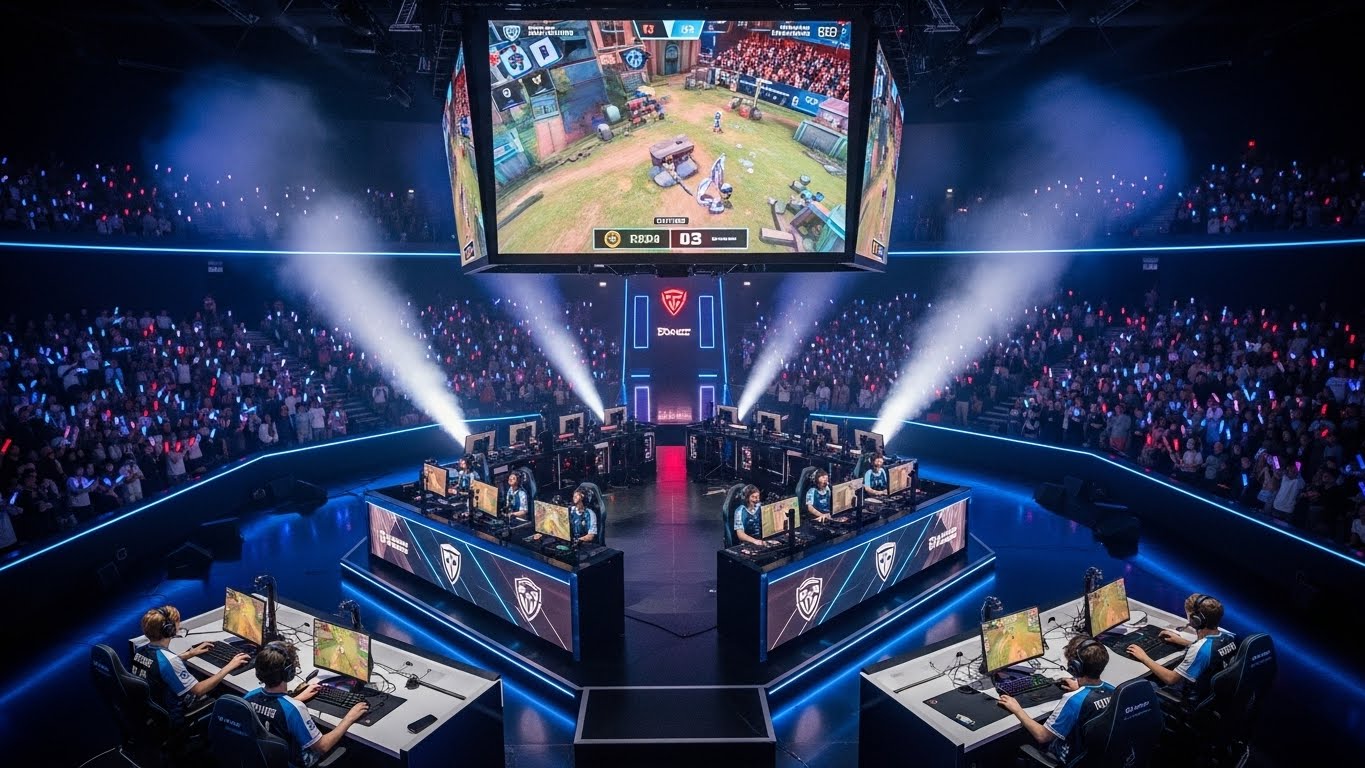
Live events transform digital competition into real-world spectacle. Stadiums fill with cheering fans, elaborate stage designs, and dramatic lighting. Online viewers participate through chat, social media, and fan communities, creating a sense of belonging that transcends geography. This interactive nature makes esports particularly appealing to younger audiences who value engagement over passive consumption.
Economic Impact and Career Opportunities
The esports industry has become a significant economic force. Revenue streams include sponsorships, advertising, merchandise, media rights, and ticket sales. Beyond professional players, esports supports a wide range of careers such as event management, broadcasting, marketing, game development, coaching, and content creation.
Educational institutions are also recognizing esports as a legitimate field of study. Scholarships, academic programs, and university teams are emerging worldwide, offering students pathways into the industry. This integration into education further solidifies esports as a sustainable career option rather than a risky gamble.
Technology and Innovation Driving Growth
Technology lies at the heart of esports’ success. High-speed internet, advanced gaming hardware, and sophisticated software enable seamless global competition. Data analytics plays a growing role, helping teams analyze performance, predict strategies, and gain competitive advantages.
Virtual reality and augmented reality are beginning to influence how fans experience esports, offering immersive viewing options and interactive features. As technology continues to evolve, esports will likely become even more accessible and engaging, blurring the line between player and spectator.
Cultural Influence and Social Impact
Esports has reshaped popular culture, particularly among younger generations. It has created new forms of celebrity, where players and streamers build massive followings and influence trends in fashion, language, and entertainment. Esports also promotes diversity by providing opportunities regardless of physical attributes, allowing talent to shine based on skill and dedication.
However, challenges remain. Issues such as online toxicity, player burnout, and unequal representation need ongoing attention. The industry is gradually addressing these concerns through community guidelines, mental health initiatives, and inclusive policies aimed at fostering a healthier competitive environment.
Esports Versus Traditional Sports: A New Rival or a New Partner
Rather than replacing traditional sports, esports often complements them. Many sports organizations have invested in esports teams, recognizing the value of reaching digital-native audiences. The two worlds share core principles such as competition, teamwork, and fan loyalty, even if the arenas differ.
Esports also challenges traditional definitions of athleticism. While it may not require physical strength in the conventional sense, it demands exceptional cognitive abilities, reflexes, and emotional control. This shift invites a broader conversation about what it means to be an athlete in the modern age.
The Future of Esports: What Lies Ahead
The future of esports looks promising but complex. As the industry matures, sustainability will become a key focus. Balancing commercial interests with player welfare, maintaining competitive integrity, and adapting to rapidly changing technology will define the next phase of growth.
Global recognition continues to expand, with discussions around esports inclusion in major international sporting events. As acceptance grows, so does responsibility. Esports has the potential to set new standards for digital competition, community engagement, and global connectivity.
Conclusion: A New Chapter in Competitive History
Esports represents more than a trend; it is a reflection of how technology reshapes human interaction and competition. By merging gaming, entertainment, and professional sports, esports has created a unique cultural space that resonates with millions worldwide. Its influence extends beyond screens into education, business, and social identity.
As esports continues to evolve, it challenges us to rethink competition, redefine athleticism, and embrace new forms of connection. Whether you are a player, a fan, or an observer, one thing is clear: esports is not just the future of gaming, but a powerful force shaping the future of global competition itself.