





Introduction
In the past two decades, the world of entertainment has witnessed a transformation unlike any before. What started as a niche hobby of playing video games has evolved into a global phenomenon known as esports. Competitive gaming now attracts millions of players, fans, and investors worldwide, turning digital competition into a professional pursuit and a cultural movement. Esports is not just about playing games; it is about strategy, teamwork, skill, and a level of dedication comparable to traditional sports.
Esports’ journey from humble beginnings in arcades to professional stadiums filled with cheering fans is remarkable. Its growth reflects how technology, culture, and human ambition have combined to redefine competition in the modern age.
The Origins of Esports
The history of esports can be traced back to the early 1970s, when the first known video game competition took place at Stanford University. Students competed in the game Spacewar, with the prize being a one-year subscription to a science magazine. While the stakes were small, the event marked the beginning of organized competitive gaming.
In the 1980s, arcades became cultural hubs where players competed for high scores in games like Pac-Man, Donkey Kong, and Space Invaders. These competitions laid the foundation for esports by fostering community and rivalry among players. The emergence of home consoles and personal computers allowed competitive gaming to move into private spaces, creating a new era of accessibility and opportunity.
LAN Parties and Early Competitive Communities
By the 1990s, Local Area Network (LAN) parties became the breeding ground for organized competition. Gamers would bring their computers to community centers or friends’ homes to compete in titles like Quake, StarCraft, and Counter-Strike. These gatherings were not just about winning; they were social events that strengthened community bonds and nurtured the competitive spirit.
During this period, small competitive organizations began to form. Teams such as SK Gaming and Ninjas in Pyjamas started to emerge, setting the stage for professional esports. These early pioneers demonstrated that gaming could be more than a pastime—it could become a career.
The Impact of Online Gaming
The rise of broadband internet in the early 2000s transformed esports entirely. Players were no longer limited to local competitions; they could compete globally. Online multiplayer games such as Warcraft III, Counter-Strike 1.6, and Halo created competitive ecosystems with ladders, rankings, and online tournaments.
This era also introduced the first generation of esports celebrities. Players with exceptional skill and charismatic personalities gained loyal followings, laying the foundation for the concept of esports stars. The ability to broadcast matches and share highlights with a global audience accelerated esports’ popularity and commercial potential.
The Streaming Revolution
The introduction of live streaming platforms revolutionized esports in the late 2000s and early 2010s. Services like Twitch allowed fans to watch matches in real time, interact with players through live chat, and immerse themselves in the culture of competitive gaming. Streaming transformed esports from a niche activity into a global spectacle.
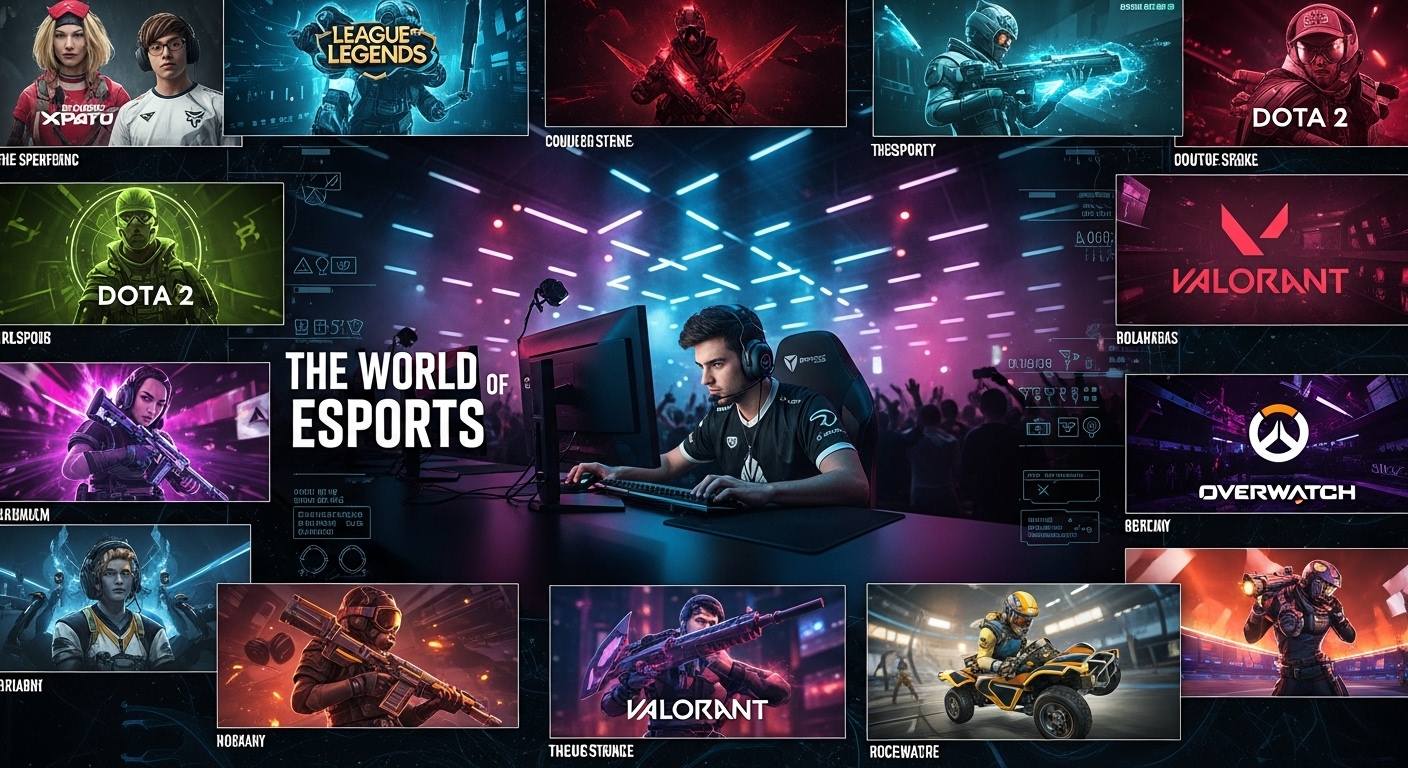
Titles such as League of Legends, Dota 2, and Counter-Strike: Global Offensive became household names. Professional tournaments attracted massive audiences, both online and in person. With prize pools reaching millions of dollars, players began to consider esports a viable professional path.
Streaming also created new opportunities for fan engagement. Players became influencers and content creators, building communities around their personalities and gameplay. Fans were no longer passive observers—they became part of the esports ecosystem, contributing to its growth and cultural impact.
The Professionalization of Esports
As esports grew, it adopted the structure of traditional sports. Teams hired coaches, analysts, managers, and psychologists to optimize player performance. Training facilities equipped with high-end computers, ergonomic setups, and structured practice routines became standard.
Franchised leagues, such as the Overwatch League and League of Legends Championship Series, introduced city-based teams, local fanbases, and seasonal competition. These structures provided stability, attracted investors, and legitimized esports as a professional industry.
Corporate sponsorships further fueled growth. Brands from technology, beverage, apparel, and automotive industries recognized the potential of esports audiences. Television networks and media outlets began broadcasting tournaments, solidifying esports’ place in mainstream entertainment.
The Cultural Impact of Esports
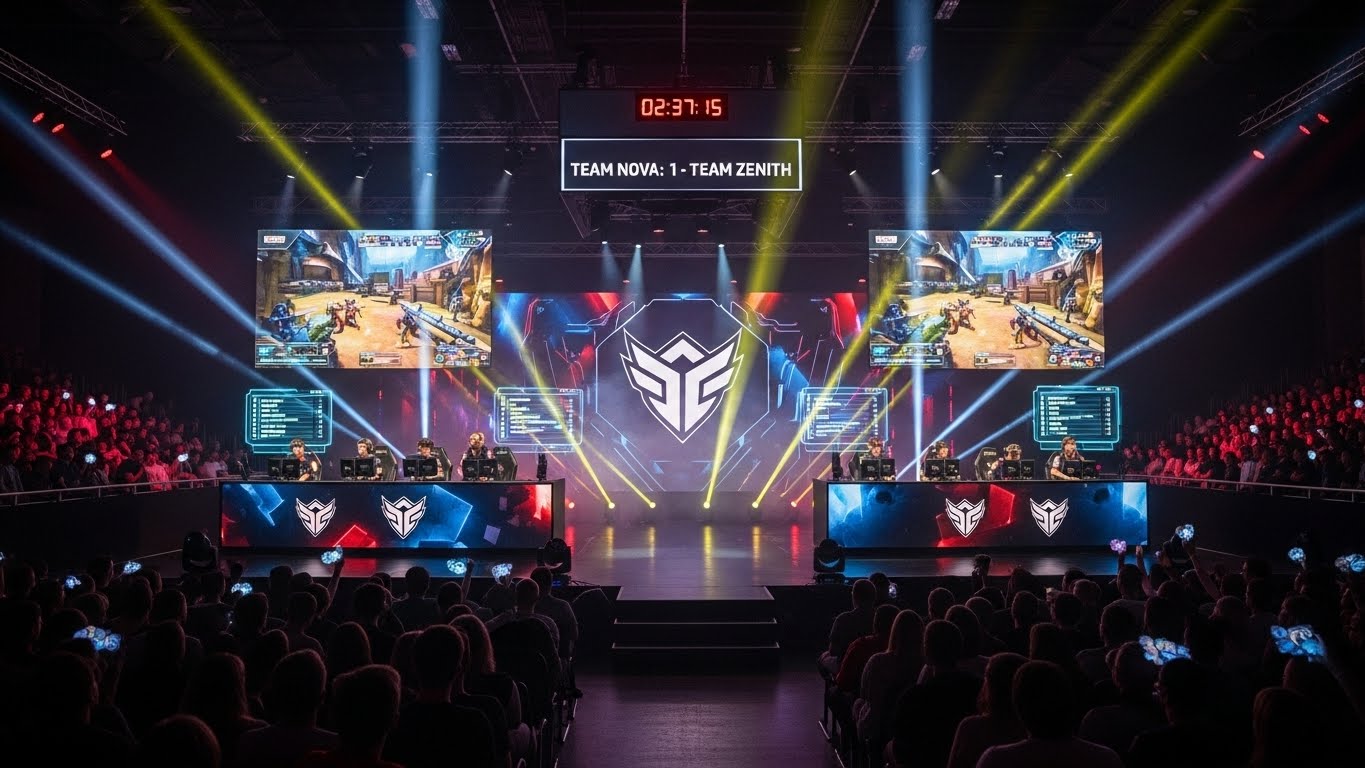
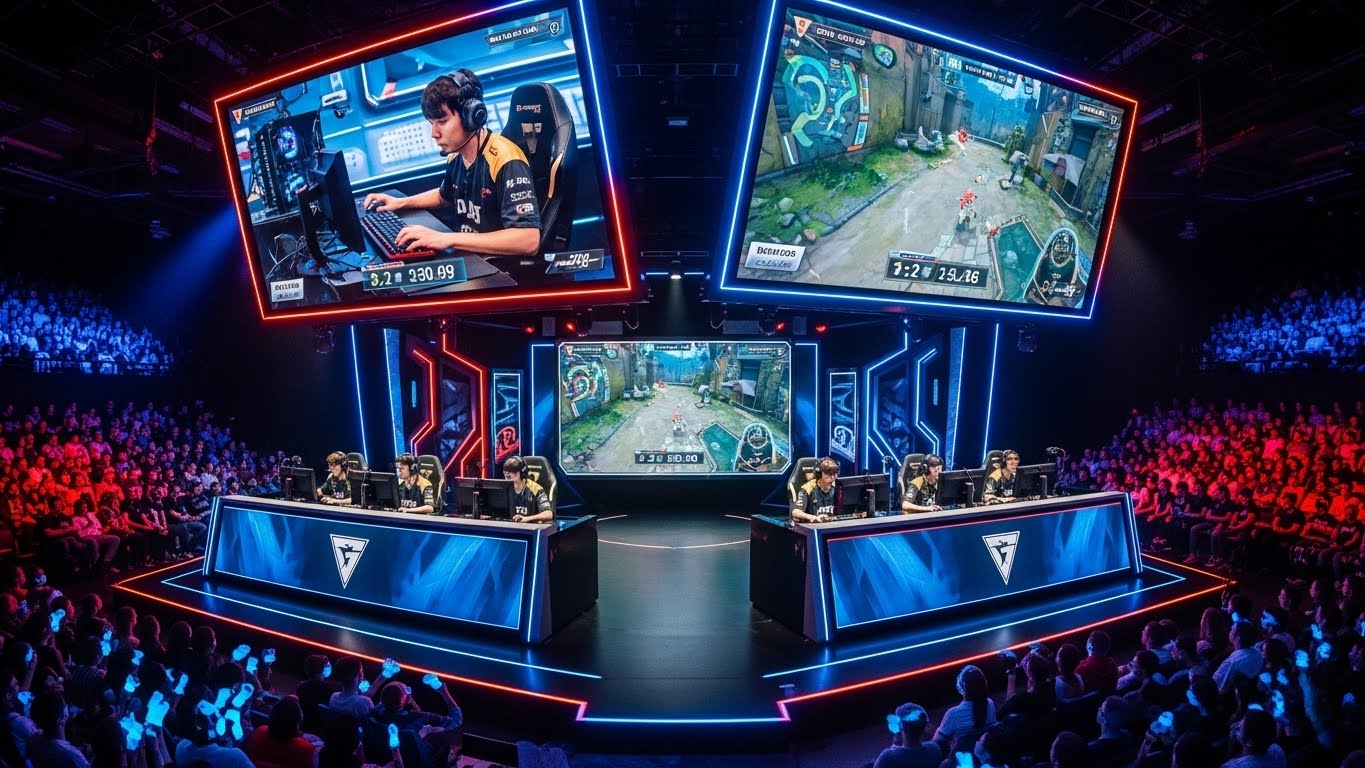
Esports has become a cultural phenomenon, influencing fashion, entertainment, and social behavior. Gaming cafes, esports arenas, and themed events have emerged worldwide, creating spaces for fans to gather and celebrate their passion.
Documentaries, films, and series centered on esports have gained mainstream popularity, reflecting the industry’s integration into popular culture. Universities offer scholarships for esports athletes, and governments in countries like South Korea, China, and the United States officially recognize esports players as professionals.
Traditional sports organizations have also embraced esports. Football clubs like Paris Saint-Germain and Manchester City have launched esports divisions, bridging the gap between physical and digital competition. This cultural integration demonstrates esports’ ability to transcend conventional boundaries.
The Economics of Esports
The esports industry operates as a sophisticated economic ecosystem. Revenue streams include sponsorships, advertising, merchandise, ticket sales, and media rights. Top organizations function as full-scale businesses, employing not only players but also marketing, media, and management professionals.
Prize pools for tournaments have grown significantly. Events like The International for Dota 2 offer tens of millions of dollars in rewards, often crowdfunded by the community. The massive engagement of fans translates directly into economic power, making esports one of the most lucrative sectors in entertainment.
Emerging markets, particularly in Asia and South America, are fueling growth. Mobile esports has become increasingly popular due to widespread smartphone adoption, providing access to competitive gaming for millions who lack high-end PCs or consoles.
Technology Driving Esports
Technology is both the foundation and the future of esports. High-speed internet, powerful hardware, and advanced game engines allow players to compete at elite levels. Artificial intelligence enhances performance analysis, strategic planning, and broadcast production.
Emerging technologies like virtual reality and augmented reality promise to create immersive new forms of competitive gaming. Cloud gaming platforms are breaking hardware barriers, allowing players to compete on any device without the need for expensive equipment. Technology continues to expand the reach and sophistication of esports, making it increasingly accessible and engaging.
The Players Behind the Games
Professional esports athletes are central to the industry’s growth. These players dedicate hours daily to practice, strategy, and teamwork. Their skill, reaction time, and decision-making rival those of traditional athletes.
The journey to professional gaming is demanding. Players face mental stress, physical strain, and intense public scrutiny. Burnout is a common issue, and many players retire in their mid-twenties. To counter this, organizations now offer wellness programs, psychological support, and structured career paths.
The influence of players extends beyond competition. Many transition into coaching, commentary, content creation, or entrepreneurship. Their experiences provide inspiration for aspiring gamers and demonstrate the diverse career opportunities within esports.
Esports Education
Esports has impacted the education sector by integrating competitive gaming into academic programs. Universities offer courses in esports management, marketing, and production, while scholarships for skilled players are becoming common.
High schools and colleges recognize esports as a valuable extracurricular activity. Participation develops skills such as teamwork, strategic thinking, and communication. Esports education also prepares students for careers in digital media, technology, and entertainment, showing that gaming can be both enjoyable and professionally rewarding.
The Global Community
Esports thrives on its community. Fans connect through social media, forums, live chats, and local events. These interactions create a sense of belonging and identity, fostering loyalty and enthusiasm.
The inclusivity of esports is remarkable. Anyone, regardless of age, gender, or background, can participate as a player or fan. This global connectivity allows esports to transcend cultural and geographic boundaries, uniting millions under a shared passion for gaming.
Challenges Facing Esports
Despite its growth, esports faces several challenges. Regulation is inconsistent due to varying rules and governance by game publishers. Cheating, match-fixing, and unethical behavior threaten competitive integrity.
Player welfare remains a critical concern. Intense schedules and early career pressure contribute to burnout and health issues. Addressing these problems requires standardized contracts, support systems, and ethical oversight.
Online communities, while vibrant, sometimes harbor toxicity. Promoting positive behavior, inclusivity, and respect is essential for the long-term sustainability of esports culture.
The Future of Esports
The future of esports is promising. Technological innovation, broader accessibility, and growing mainstream acceptance suggest that esports will continue to expand. Virtual and augmented reality will introduce immersive new experiences, while artificial intelligence will enhance training, strategy, and fan engagement.
Esports is expected to integrate further into entertainment and pop culture, collaborating with music, film, and fashion. As global audiences grow, esports may rival traditional sports in viewership, revenue, and cultural impact.
The industry will continue to connect people worldwide, demonstrating that passion and skill can unite humanity across borders. Esports represents not only a form of competition but a medium for creativity, innovation, and global community building.
Conclusion
Esports is more than a digital pastime; it is a cultural and professional revolution. From small arcade competitions to grand international tournaments, esports has evolved into a multi-billion-dollar industry with global influence.
It celebrates skill, teamwork, and strategy, proving that competition transcends physical space. Professional players, passionate fans, and technological advancements all contribute to a dynamic ecosystem that continues to grow.
As esports moves forward, it will remain a defining feature of modern culture, bridging entertainment, technology, and human ambition. The digital arena is no longer just a game—it is a global stage where talent, passion, and innovation converge, shaping the future of competition and connection.