





Introduction: The Era of Competitive Gaming
Esports, short for electronic sports, has become a cultural phenomenon that bridges gaming, entertainment, and professional competition. What began as casual play among friends has grown into a global industry where players train rigorously, teams compete professionally, and tournaments draw millions of viewers worldwide. The rapid rise of esports illustrates how technology, skill, and community engagement intersect to create a unique form of entertainment. Unlike traditional sports, esports is accessible to anyone with a computer or gaming console and an internet connection, opening doors to a new generation of competitive athletes.
The Origins of Esports
Competitive gaming has a rich history that dates back to the early days of video games. In the 1980s, arcade competitions became a platform for players to showcase their skills in games like Pac-Man, Donkey Kong, and Space Invaders. The 1990s introduced local area network (LAN) tournaments, enabling multiplayer games such as StarCraft and Counter-Strike to develop competitive followings. These early competitions were smaller in scale but laid the foundation for professional esports. By the early 2000s, the growth of high-speed internet and streaming platforms allowed players to compete on a global scale, transforming competitive gaming into a professional pursuit.
Professionalization of Esports
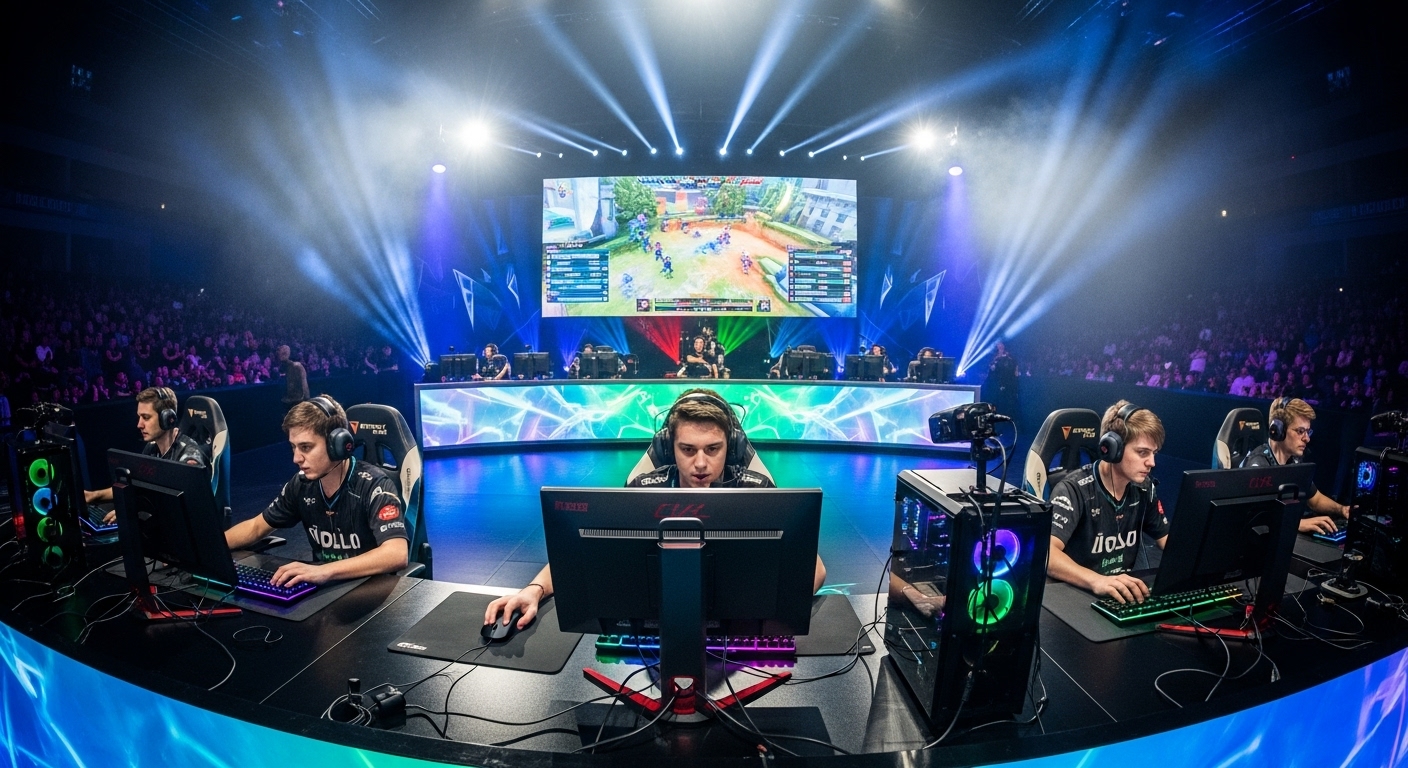
Esports today is highly structured and professional. Professional players follow strict training schedules, often dedicating eight to twelve hours a day to practice, strategy sessions, and mental conditioning. Teams have coaches, analysts, and support staff, similar to traditional sports organizations. Professional leagues, such as the League of Legends Championship Series and Dota 2’s The International, offer multi-million-dollar prize pools and international exposure. Sponsorships and media deals have made esports a lucrative career path. The professionalization of esports demonstrates that competitive gaming requires discipline, strategy, and teamwork, elevating it from a hobby to a respected career.
Popular Esports Titles and Genres
Esports encompasses a wide array of game genres, each attracting distinct audiences. Multiplayer Online Battle Arenas (MOBAs) like League of Legends and Dota 2 emphasize strategy, communication, and quick decision-making. First-Person Shooters (FPS) such as Counter-Strike: Global Offensive and Valorant require precision, reflexes, and tactical coordination. Fighting games like Street Fighter and Tekken highlight technical skill and timing, while sports simulation games, including FIFA and NBA 2K, replicate real-world competition in a digital environment. This variety ensures that esports appeals to diverse audiences and provides multiple pathways for players to pursue professional careers.
Streaming Platforms and Audience Engagement
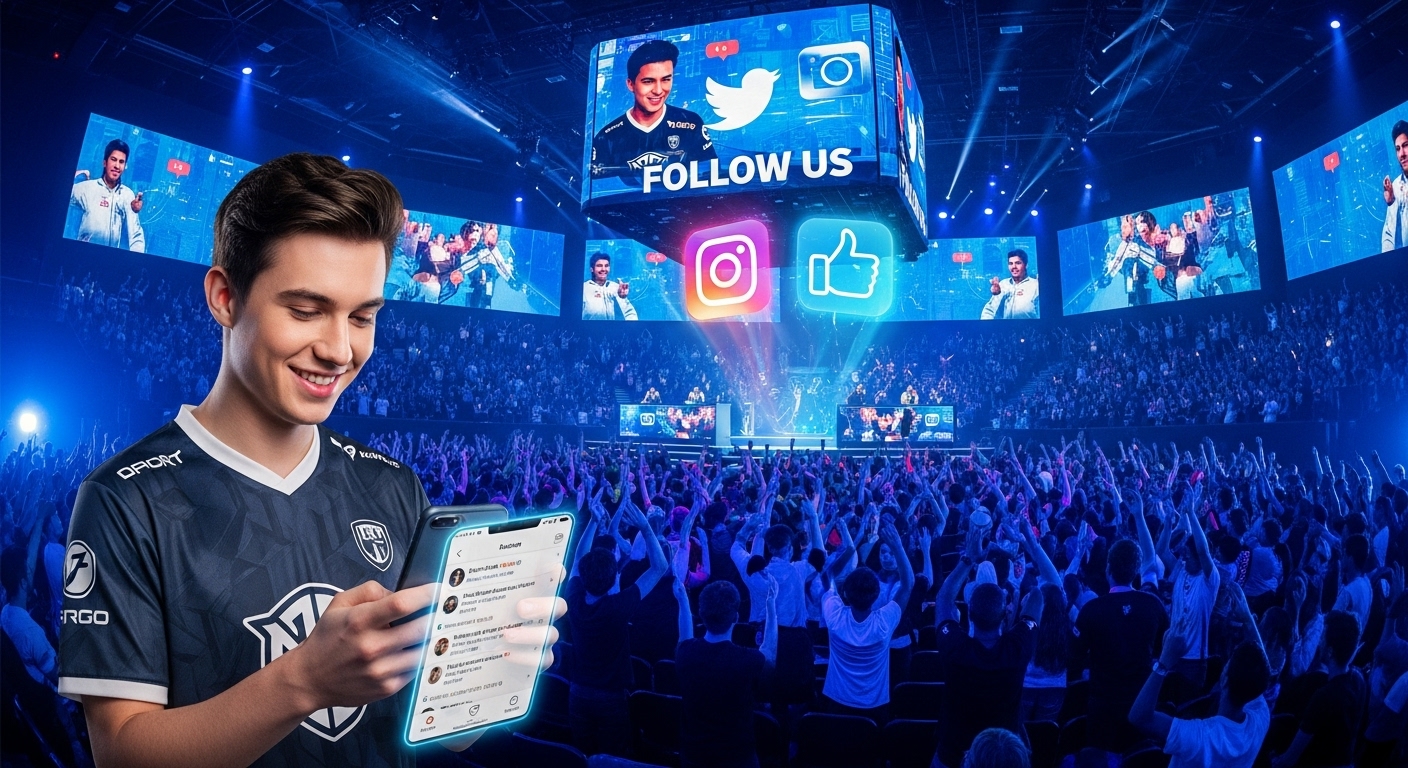
Streaming platforms are central to esports’ global growth. Services like Twitch and YouTube Gaming allow fans to watch live competitions, interact with players, and become part of an active gaming community. Streamers act as influencers, providing entertainment, strategy breakdowns, and personal interactions with fans. Live chat features, donations, and subscription models enhance engagement, creating a sense of belonging and interaction. The combination of live streaming and esports tournaments has transformed passive viewership into an interactive experience, fostering loyalty and community among fans.
Major Esports Tournaments
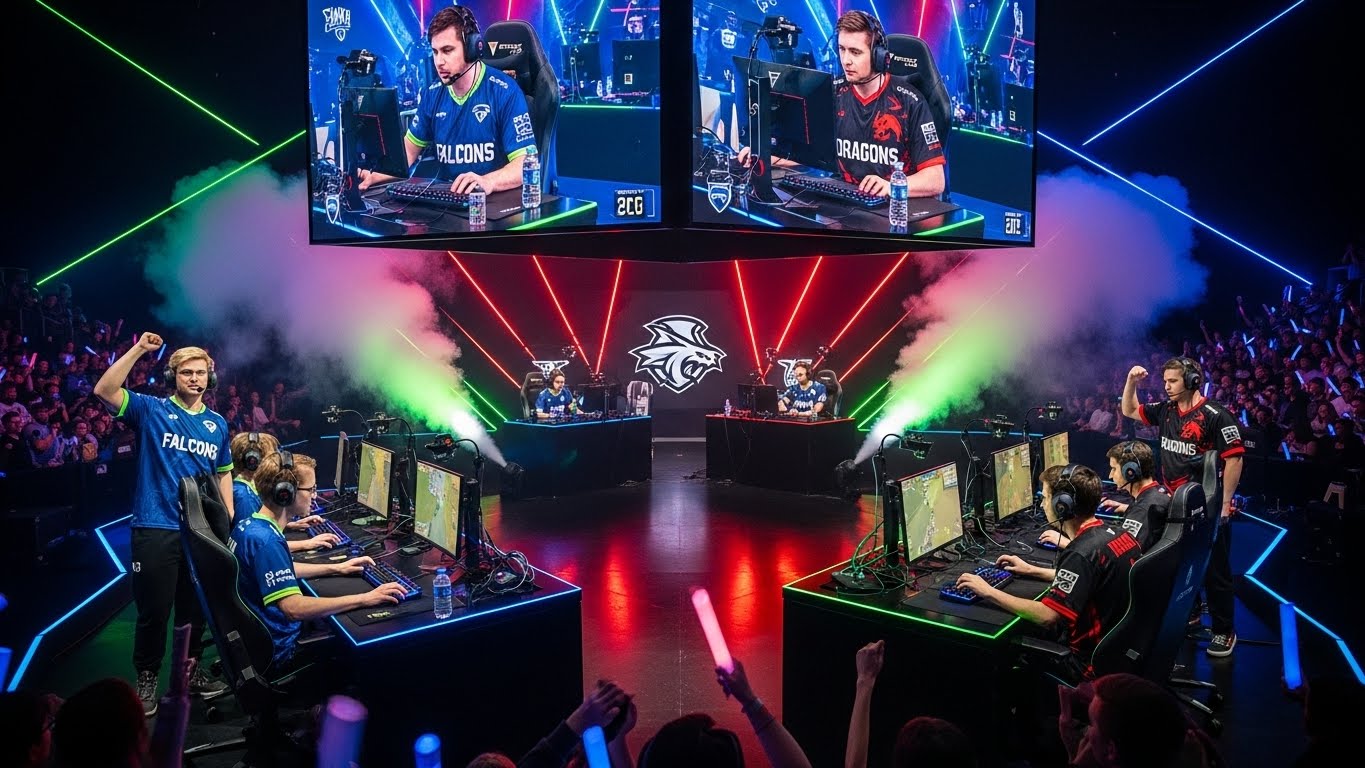
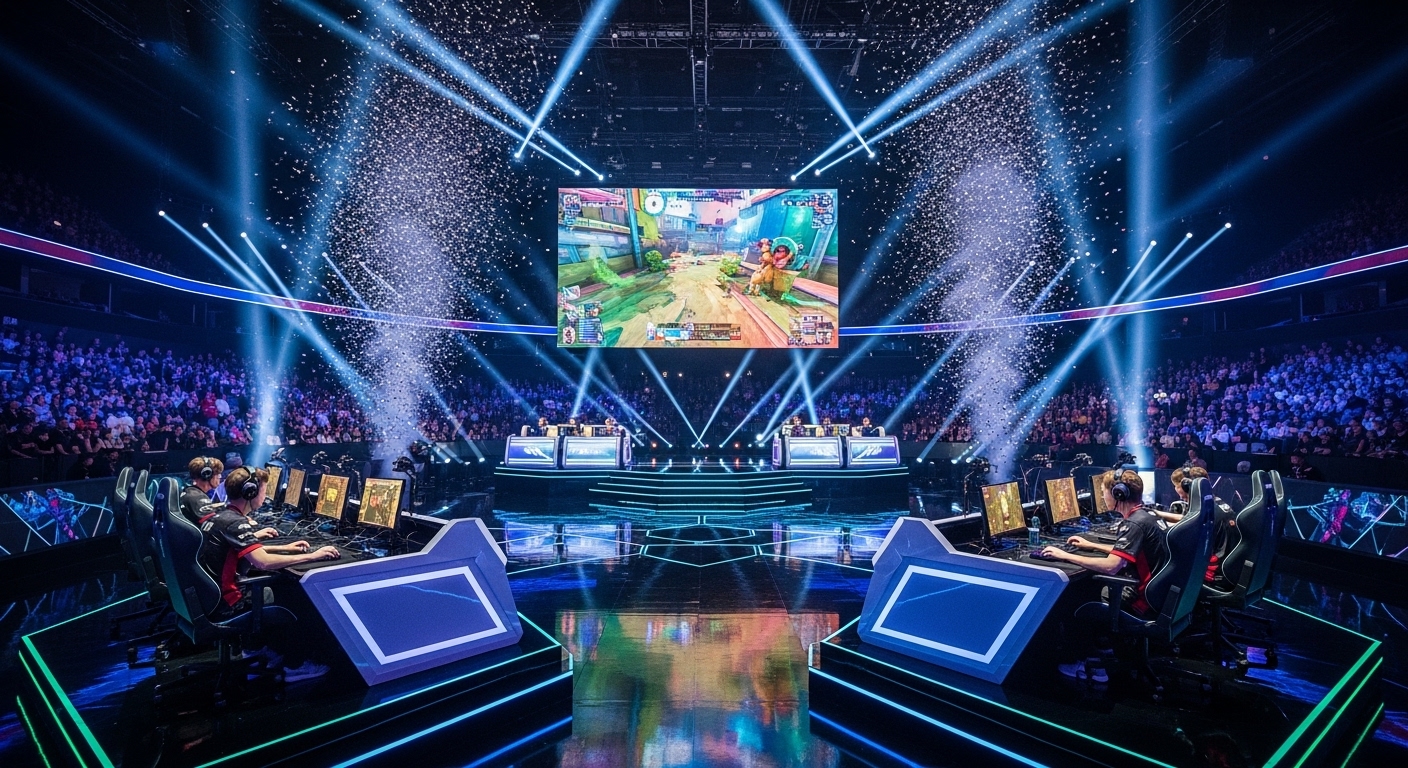
Esports tournaments have grown into major international events with production values rivaling traditional sports finals. Events such as The International for Dota 2, the League of Legends World Championship, and the Fortnite World Cup draw millions of viewers globally and offer prize pools exceeding several million dollars. These tournaments feature professional commentary, detailed analytics, and cinematic production techniques, creating a captivating spectator experience. The global scale of esports tournaments highlights the universal appeal of gaming and the ability of digital competition to connect people across borders.
Economic Impact of Esports
Esports is a significant economic driver. Revenue streams include sponsorship deals, advertising, merchandise sales, ticketed events, and media rights. Professional teams operate similarly to traditional sports franchises, managing branding, marketing, and player contracts. Universities and colleges now offer esports scholarships, acknowledging competitive gaming as a viable career. The industry has also created numerous jobs in coaching, event management, content creation, and digital media. The economic impact of esports continues to grow, solidifying its position as a major player in the entertainment and technology sectors.
Community Building Through Esports
Esports fosters strong global communities. Online forums, fan pages, and social media platforms connect players and enthusiasts, allowing them to share strategies, celebrate achievements, and discuss competitions. These communities promote inclusivity, bringing together individuals from diverse backgrounds with a shared passion for gaming. Esports also offers social opportunities for collaboration, teamwork, and leadership development. The communal aspect of esports strengthens fan loyalty and contributes to the sustainability and growth of the industry.
Health and Wellbeing in Esports
While esports provides career opportunities and entertainment, it also presents physical and mental health challenges. Extended hours of gameplay can lead to eye strain, repetitive stress injuries, and physical fatigue. Mental health is equally crucial, as players face intense competition, public scrutiny, and high expectations. Professional organizations now emphasize physical training, proper nutrition, and mental health support for players. Maintaining overall health is essential for longevity in esports careers, highlighting the need for balance and self-care in competitive gaming.
Esports in Education
Esports has found applications in educational settings. Colleges and universities are creating programs in esports management, game design, and digital media production. Participation in competitive gaming teaches students teamwork, strategic thinking, and leadership skills. It encourages problem-solving, discipline, and technological literacy, which are transferable to other professional fields. By integrating esports into education, institutions provide students with both career opportunities and practical skills, demonstrating that gaming can be both entertaining and educational.
Technological Innovations Driving Esports
Technology is the backbone of esports. High-performance gaming equipment, fast internet connectivity, and advanced peripherals enhance player performance and viewing experiences. Data analytics and AI-driven tools allow teams to study opponents, improve strategies, and optimize gameplay. Emerging technologies, including virtual and augmented reality, are beginning to create immersive esports experiences. Technology ensures that esports remains dynamic and innovative, capable of adapting to the changing needs of players and fans.
Challenges Facing the Esports Industry
Despite rapid growth, esports faces several challenges. Regulatory frameworks for competitive gaming are still developing, raising concerns about fair play, player contracts, and gambling. Online toxicity, harassment, and cheating persist within gaming communities. Career stability and long-term financial security for players remain critical issues. Addressing these challenges requires collaborative efforts from industry stakeholders, including developers, leagues, players, and regulatory authorities, to create a safe and sustainable environment for esports.
The Future of Esports
The future of esports looks promising and dynamic. Advancements in technology will enable more immersive and interactive competitions. Virtual reality and AI-assisted training tools will enhance player performance and viewer experiences. Esports is gaining mainstream recognition, with professional status for players, televised events, and educational programs. Global expansion and technological innovation will continue to drive growth, ensuring esports remains at the forefront of digital entertainment and professional competition.
Conclusion: Esports as a Cultural and Economic Force
Esports has transformed from casual gaming into a global industry that blends technology, entertainment, and professional competition. It offers career opportunities, builds strong communities, and generates substantial economic value. Professional leagues, tournaments, and streaming platforms have made esports a mainstream phenomenon, engaging millions of players and fans worldwide. While challenges related to health, regulation, and career stability exist, the potential of esports is undeniable. As the industry continues to grow and evolve, esports is poised to remain a defining feature of modern digital culture and competitive entertainment.