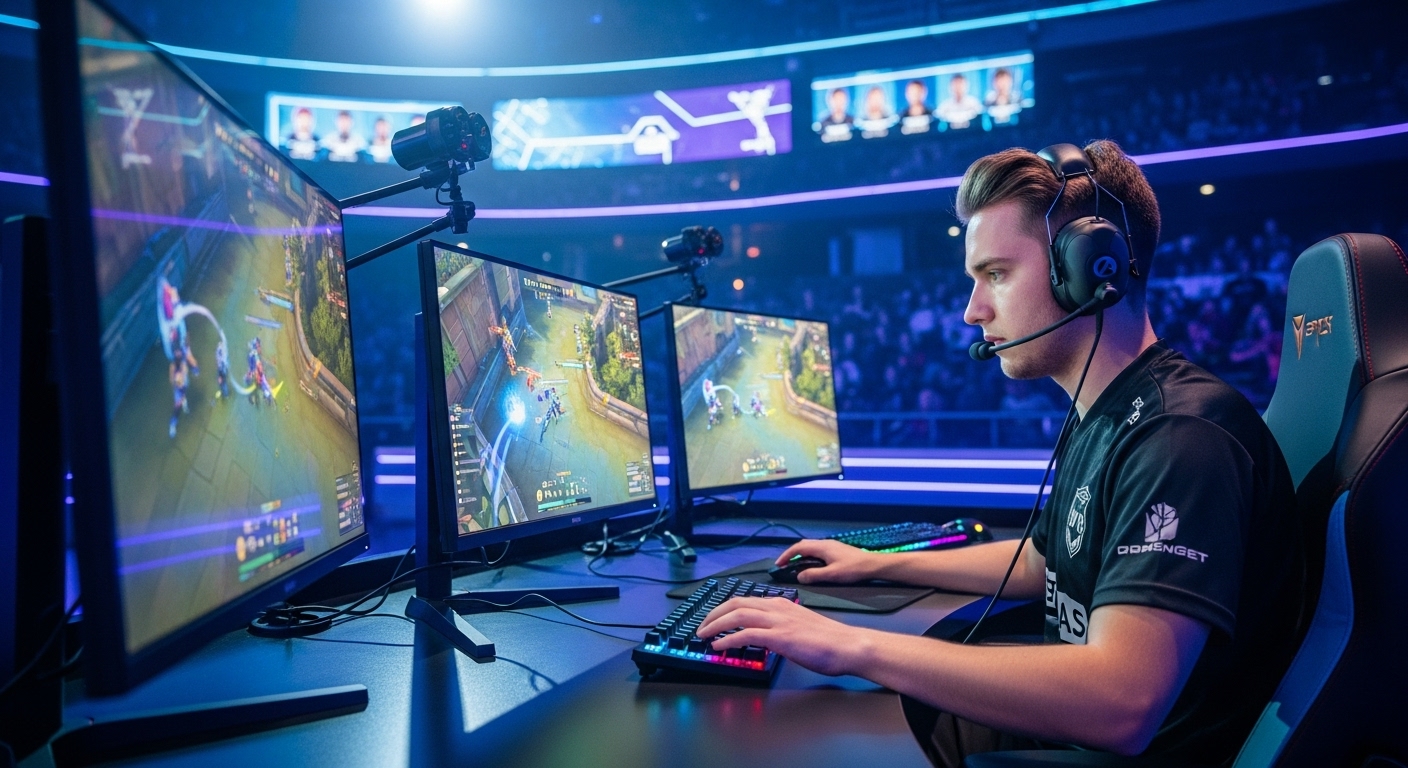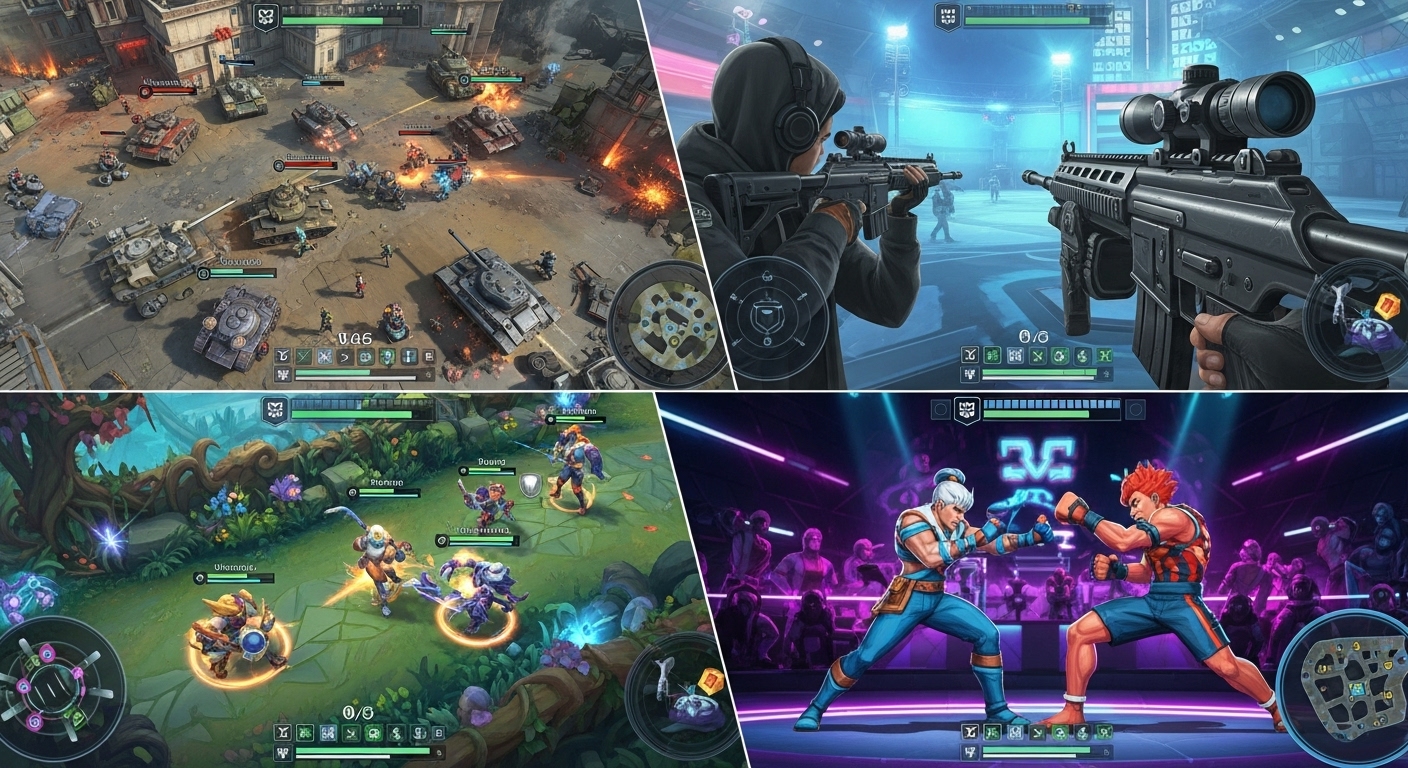







The world of competitive gaming, known as eSports, has transformed from a niche hobby to a global entertainment powerhouse. With massive tournaments, top-tier players, enthusiastic fans, and an ever-growing industry, eSports has made its mark in a way few could have predicted. In this blog, we’ll dive into the rise of eSports, its impact on the entertainment industry, the key components that make it thrive, and what the future holds for this digital revolution.
What is eSports?
At its core, eSports is competitive video gaming at a professional level. Players or teams compete against one another in various games with high stakes, often for cash prizes, sponsorship deals, and the title of world champion. Unlike casual gaming, eSports demands exceptional skill, strategy, and teamwork, often requiring hundreds or even thousands of hours of practice to reach the top.
While the concept of competitive gaming has existed since the 1970s, eSports as we know it today began to take shape in the late 1990s and early 2000s with the growth of multiplayer online games and the advent of high-speed internet. Games such as StarCraft, Counter-Strike, and Warcraft played a key role in the formation of organized tournaments that set the stage for the eSports explosion we are witnessing today.
The rise of streaming platforms like Twitch and YouTube, alongside the expansion of digital broadcasting, brought eSports to a global audience. What started as small-scale competitions now attracts millions of viewers, with some tournaments boasting prize pools in the tens of millions of dollars.
The Evolution of eSports: From Grassroots to Global Phenomenon
The history of eSports can be broken down into several key stages. The first phase saw competitive gaming as a hobby among enthusiasts. In the late 1990s, gaming tournaments were largely regional affairs. Local LAN (Local Area Network) parties would bring together players who could connect through their own networks to compete. While these events were small in scope, they were pivotal in fostering the spirit of competitive play.
The real shift began in the early 2000s when the rise of online multiplayer games, alongside improved internet speeds, allowed players to compete from virtually anywhere. Warcraft III and StarCraft became the bedrock of competitive gaming in the early 2000s, especially in Korea, where the first real professional eSports leagues took off. The Korean ProLeague and the World Cyber Games (WCG) were among the first to elevate competitive gaming to a professional level.
The 2010s marked the true boom of eSports, with global events and high-profile sponsorships. Games like League of Legends, Dota 2, and Counter-Strike: Global Offensive (CS:GO) rose to prominence, and dedicated leagues were established. eSports’ transformation into a mainstream entertainment industry was further fueled by platforms like Twitch, where players could live-stream their gaming sessions and build substantial fan bases. These streams offered fans not only a front-row seat to live competitions but also a chance to interact with players, adding a layer of engagement previously unseen in traditional sports.
As viewership grew, so did the financial backing. Sponsorships from major brands, lucrative media deals, and substantial prize pools turned eSports into a billion-dollar industry. What was once seen as a subculture is now a major player in the world of entertainment.
The Structure of eSports: Teams, Leagues, and Tournaments
Unlike traditional sports, eSports operates across several different structures, each with its own unique set of rules and formats. The most significant aspect of competitive gaming is the formation of professional teams, which is akin to how traditional sports are organized.
Professional Teams and Players
Professional eSports teams are the heart of the industry. These teams are composed of players who specialize in specific games and compete together in leagues and tournaments. Top eSports teams such as Team Liquid, Cloud9, G2 Esports, and Fnatic have become household names in the gaming world. They recruit the best players, offer salaries, coaching, and sometimes even housing to help players focus on their competitive careers. In many ways, these teams operate like traditional sports franchises, offering a blend of individual excellence and team-based cooperation.
The life of a professional eSports player is intense, requiring extensive practice, teamwork, and mental resilience. Just like athletes in traditional sports, these players train for hours each day to refine their skills, study strategies, and remain at the top of their game. Success in eSports often comes with sponsorship deals, media appearances, and a global fan following.
eSports Leagues
eSports leagues are another crucial component of the professional scene. These leagues are organized competitions where teams battle for the championship title over the course of a season. The most prominent of these leagues include the League of Legends Championship Series (LCS), Overwatch League (OWL), and Call of Duty League (CDL). These leagues structure their events around regular season matches, playoffs, and a grand final, just like major traditional sports leagues.
Unlike traditional sports, eSports leagues can feature a global reach, with teams representing different regions across the world. The Overwatch League, for example, has teams from North America, Asia, and Europe, and the League of Legends World Championship attracts teams from every continent.
Major Tournaments
While leagues run throughout the year, major eSports tournaments are the highlight of the competitive calendar. These tournaments often feature the best players and teams from around the world, competing for multi-million-dollar prize pools. The most famous of these is The International, the annual tournament for Dota 2, which has consistently broken records for its massive prize pools, often exceeding $30 million.
Other notable tournaments include the League of Legends World Championship, CS:GO Major Championships, and Intel Extreme Masters. These events not only offer substantial prizes but also draw massive audiences, both in-person and online. The final of the League of Legends World Championship, for example, regularly attracts over 100 million viewers, making it one of the most-watched single-day sporting events worldwide.
The rise of these tournaments has made eSports a spectator sport in its own right. Fans don’t just watch; they participate in the experience by cheering for their favorite players and teams, following live streams, and attending events in person.
The Business of eSports: Money, Sponsorships, and Media
The growth of eSports has been accompanied by an influx of money, both in terms of sponsorships and broadcasting rights. Companies from a variety of industries—technology, automotive, energy drinks, and apparel—have recognized the value of reaching the dedicated and growing eSports fan base. Brands like Coca-Cola, Intel, Red Bull, and Monster Energy have all heavily invested in eSports sponsorships, helping fund tournaments, teams, and leagues.
In addition to sponsorships, media rights have become a major revenue stream for eSports organizations. Companies like Blizzard Entertainment, Riot Games, and Valve Corporation have begun selling broadcasting rights for their major tournaments to global networks, with some events being broadcast on traditional sports channels. Furthermore, live streaming platforms like Twitch and YouTube have revolutionized how fans interact with eSports. Viewers can watch live broadcasts, participate in live chats, and donate to their favorite streamers. This real-time engagement has helped create a more interactive and community-driven entertainment experience than traditional sports can offer.
Additionally, eSports has seen significant growth in terms of merchandise sales, with fans purchasing jerseys, caps, and other team-branded items. With such a diverse set of revenue sources, it’s no surprise that eSports has become one of the fastest-growing industries globally.
The Cultural Impact of eSports: A Global Community
eSports has not only changed the landscape of competitive gaming but has also had a profound impact on global culture. The rise of professional players has brought gaming into the spotlight, making it more acceptable as a legitimate career path. Some top eSports players, such as Faker (Lee Sang-hyeok) from League of Legends or s1mple (Oleksandr Kostyliev) from CS:GO, have become global superstars, with fan bases numbering in the millions.
In many parts of the world, particularly in countries like South Korea and China, eSports has become a part of mainstream culture. South Korea is home to dedicated eSports arenas, government-backed training programs for young gamers, and a strong eSports media presence. Meanwhile, in the West, games like Fortnite and Call of Duty have become household names, further embedding eSports into everyday conversation.
The social aspect of eSports has also created vibrant online communities. Fans from different parts of the world come together to discuss strategies, share content, and cheer on their favorite teams. Online platforms like Reddit, Discord, and Twitch allow fans to form connections and build friendships through shared interests.
The Future of eSports: Where is it Headed?
As eSports continues to evolve, the future looks promising. Technology will continue to play a major role in shaping the experience. Virtual reality (VR) and augmented reality (AR) are already being explored as ways to enhance the spectator experience. VR could allow fans to immerse themselves in tournaments, creating a more interactive viewing experience that goes beyond traditional screens.
In addition, the rise of mobile gaming presents new opportunities for eSports to expand even further. Titles like PUBG Mobile and Clash Royale have already introduced competitive mobile gaming, and as mobile gaming technology advances, we can expect eSports to continue its expansion across platforms.
Moreover, the continued professionalization of eSports, along with its integration into traditional sports and education, means that eSports will likely continue to gain recognition as a legitimate and valuable form of entertainment.