





The world of eSports has grown from small online competitions into a global phenomenon that rivals traditional sports. Competitive gaming is no longer just a hobby; it is a professional industry, a cultural movement, and a source of entertainment for millions worldwide. eSports is redefining what it means to compete, connect, and succeed in the digital age.
Understanding eSports
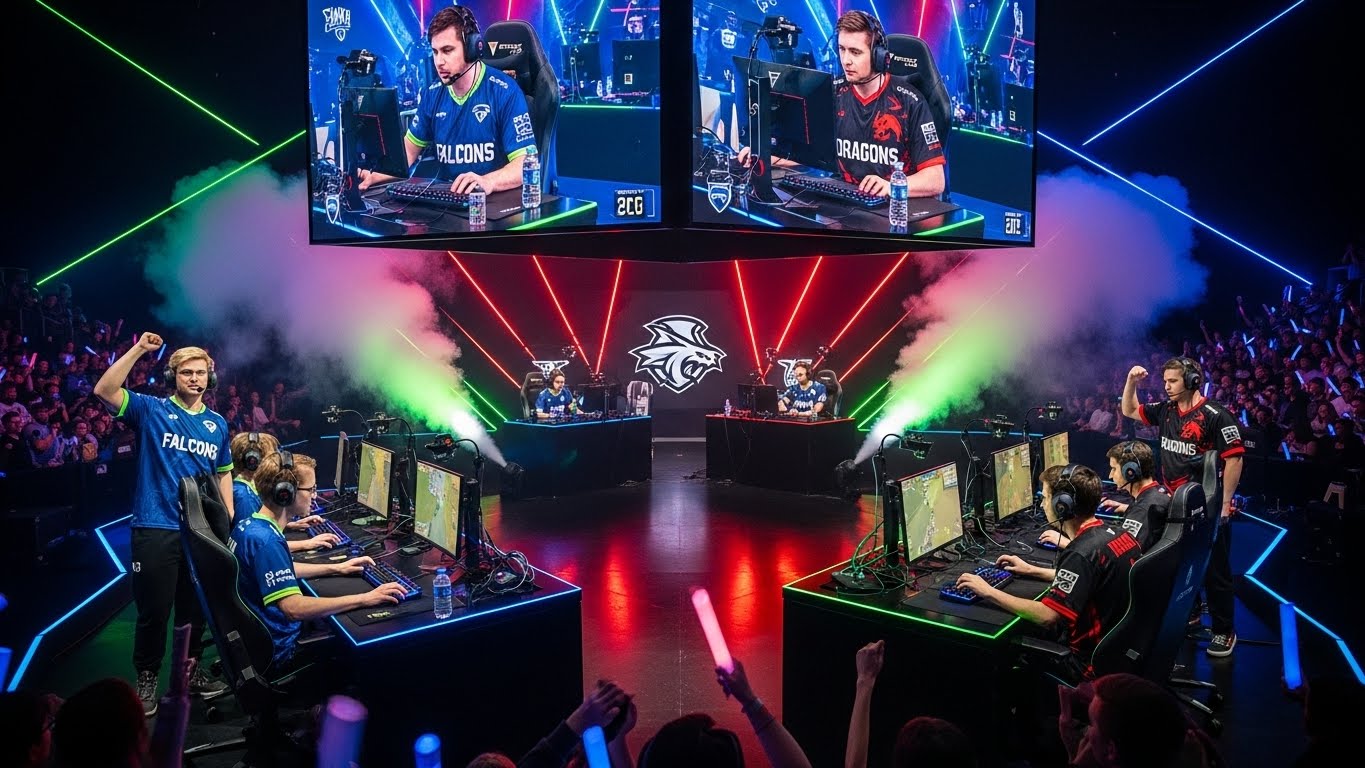
eSports, short for electronic sports, refers to organized competitive video gaming. Players and teams compete in various genres such as multiplayer online battle arenas, first-person shooters, sports simulations, and strategy games. Unlike casual gaming, eSports demands high levels of skill, strategy, and teamwork. Professional players dedicate countless hours to practice, refining their reflexes, communication, and decision-making skills to compete at elite levels.
The Growth of the eSports Industry
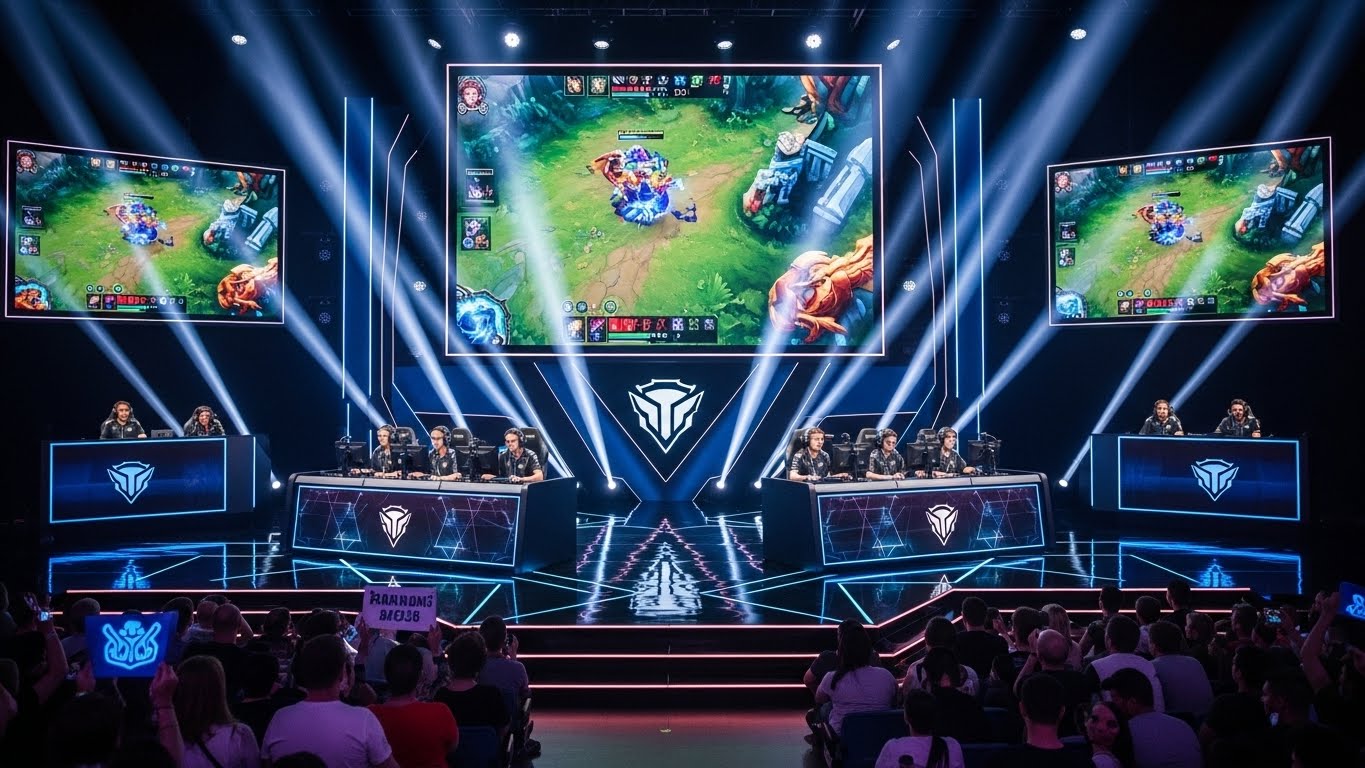
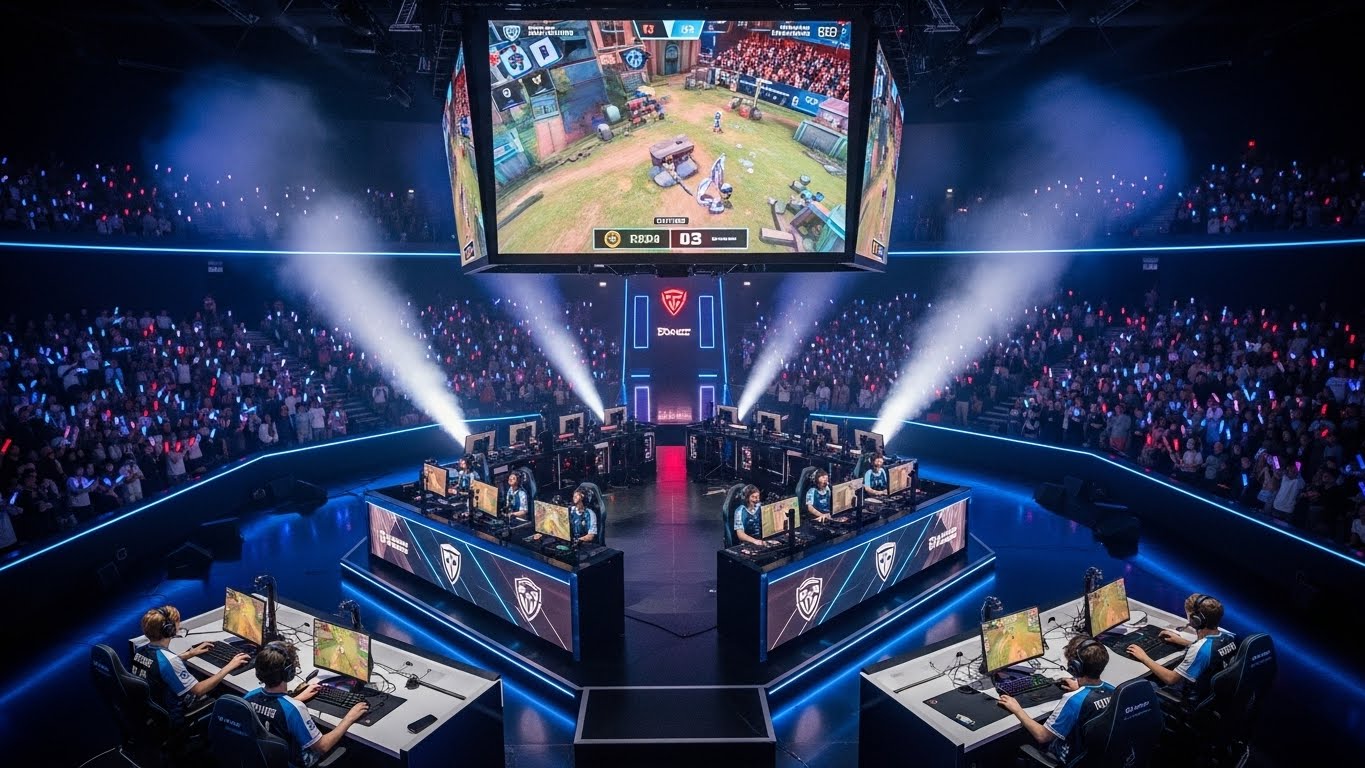
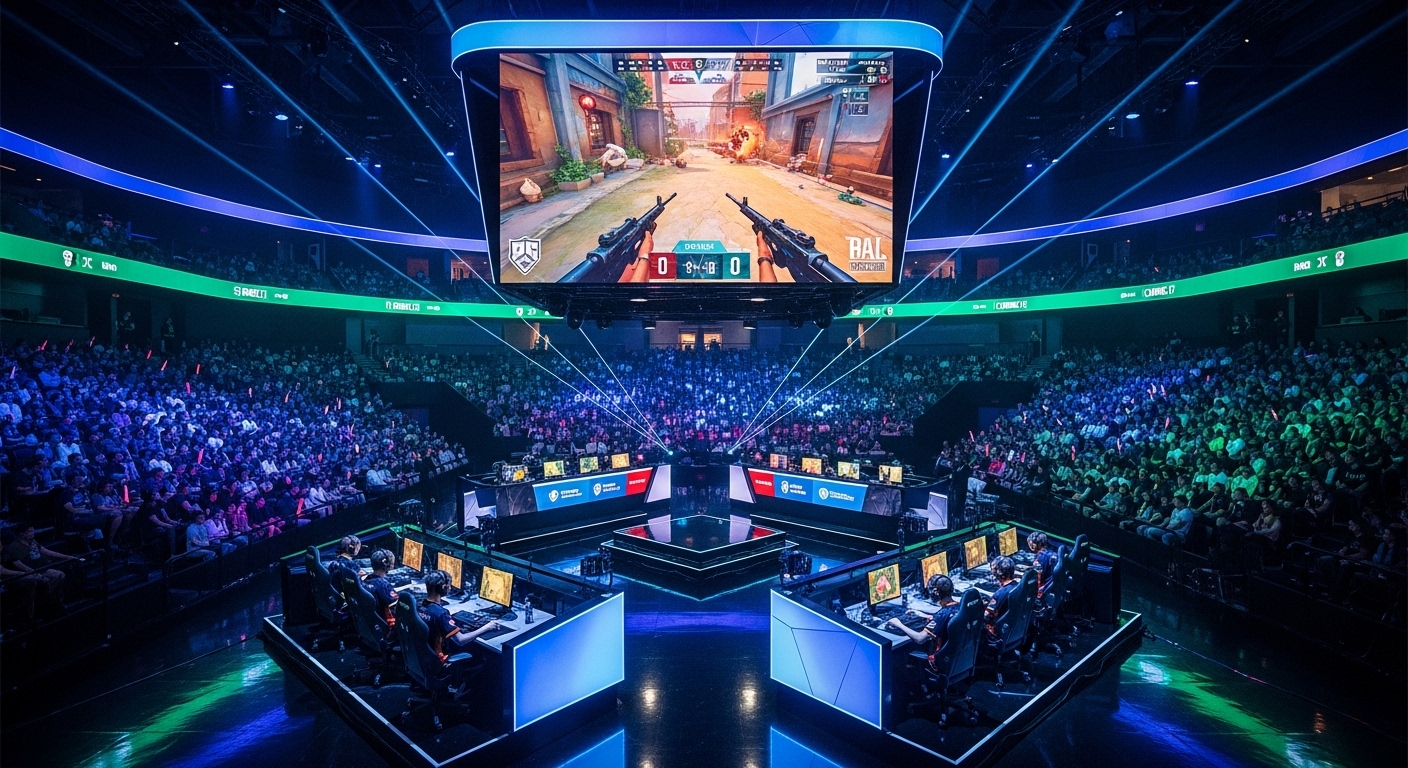
The eSports industry has exploded in popularity over the past decade. Major tournaments are now held in arenas packed with spectators, while millions more watch live streams online. Sponsorship deals, merchandise, and media rights have transformed eSports into a multi-billion-dollar industry. Its rapid growth reflects the mainstream acceptance of gaming as a serious form of competition and entertainment.
Building Communities Through eSports
Beyond competition, eSports fosters vibrant communities. Fans gather to support their favorite teams, discuss strategies, and share experiences. Streaming platforms, social media, and online forums allow players and audiences to interact globally. These communities give fans a sense of belonging and make eSports an interactive and social experience, not just a game.
Skills Gained Through Competitive Gaming
eSports develops more than just gaming skills. Players enhance critical thinking, strategic planning, communication, and teamwork. Professional gamers also manage schedules, sponsorships, and media interactions, cultivating discipline, leadership, and time management. These skills demonstrate that competitive gaming can be a pathway for personal growth and professional development.
Challenges Facing eSports
Despite its success, eSports faces challenges. Player burnout, mental health issues, and toxicity within gaming communities are significant concerns. The lack of standardized regulations across games and regions can also create inconsistencies in competition. Addressing these challenges is vital to ensuring that eSports remains sustainable, fair, and inclusive for future generations.
The Future of eSports
The future of eSports is full of potential. Advancements in virtual reality, augmented reality, and artificial intelligence promise to make gameplay more immersive and analytical. Increased media coverage and global tournaments will continue to expand eSports’ reach, solidifying its place alongside traditional sports. As technology evolves, eSports will remain a dynamic force, shaping entertainment, culture, and competition worldwide.
Conclusion
eSports has transformed gaming into a professional, social, and cultural phenomenon. It connects communities, develops valuable skills, and offers opportunities for players to pursue careers in a growing industry. As the world embraces digital competition, eSports will continue to thrive, inspiring the next generation of players and redefining the future of gaming.