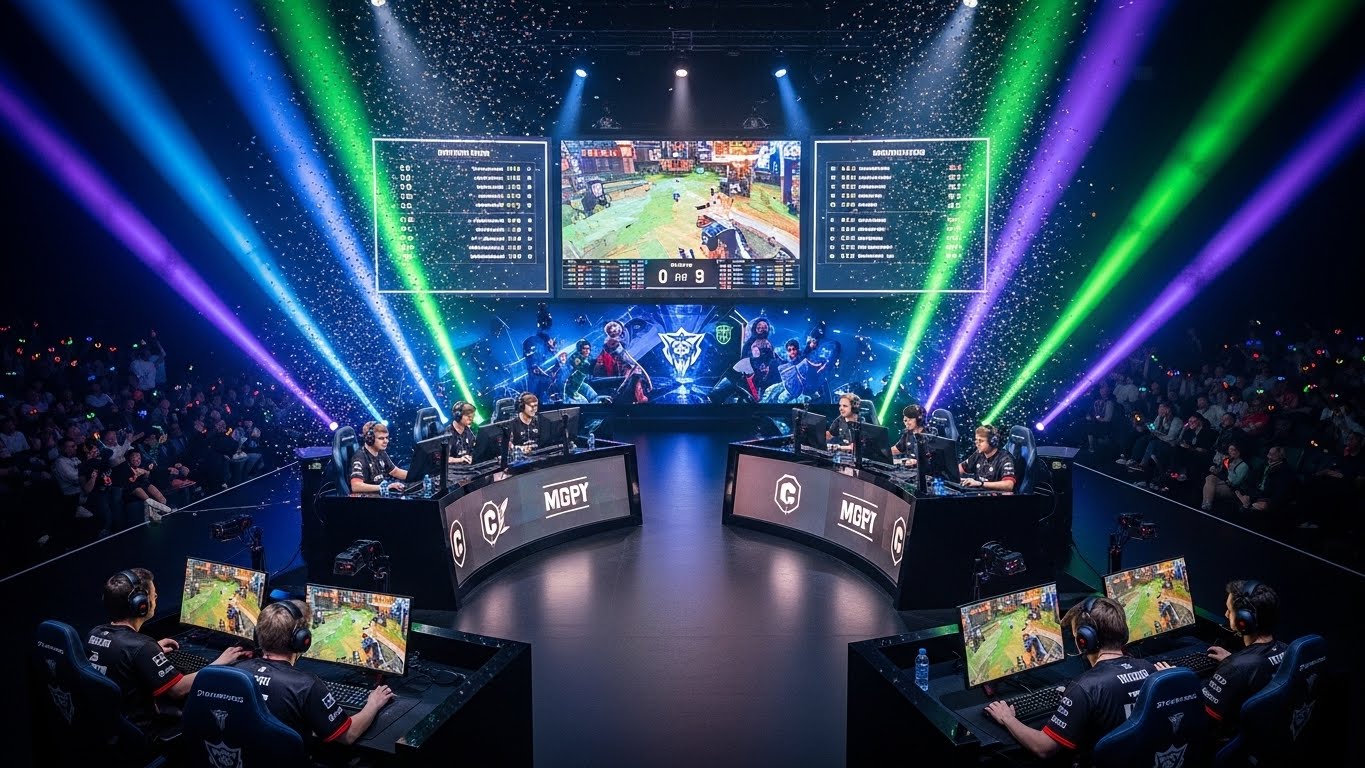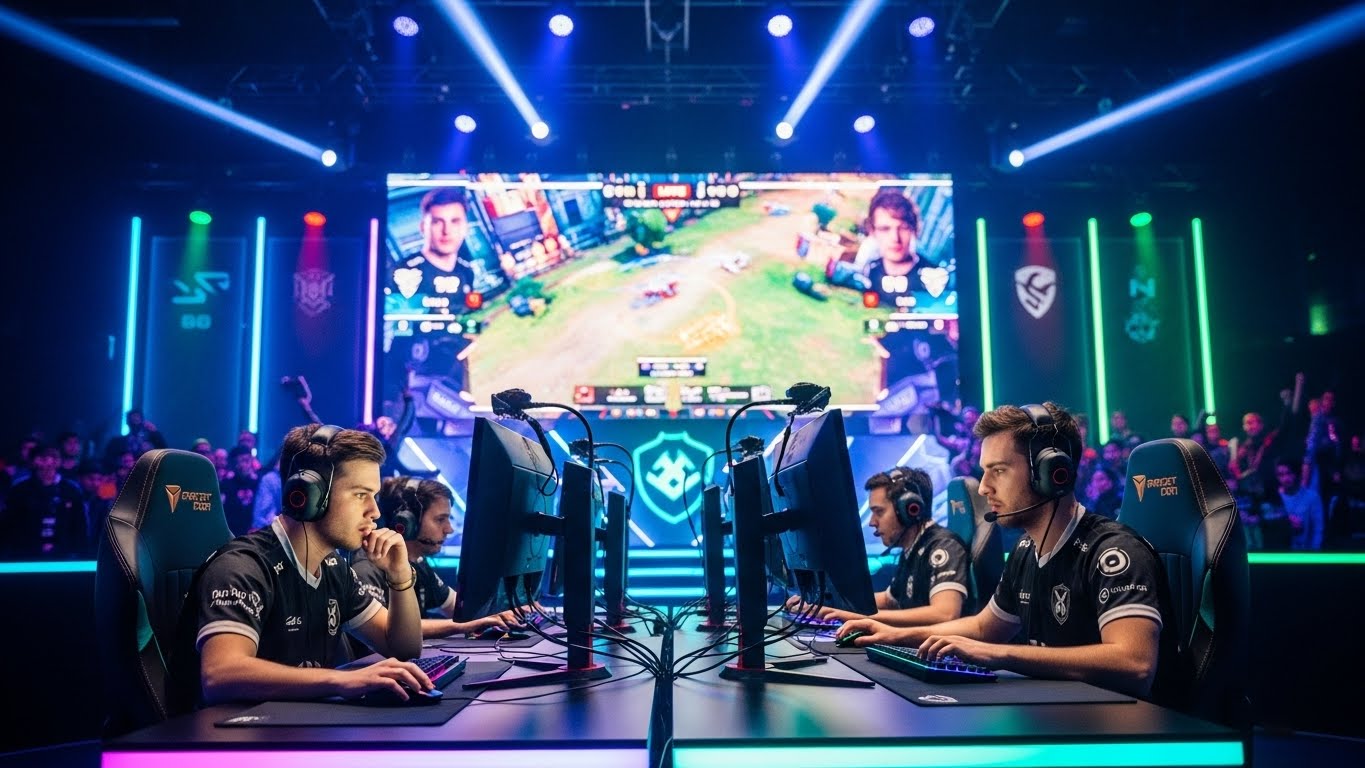






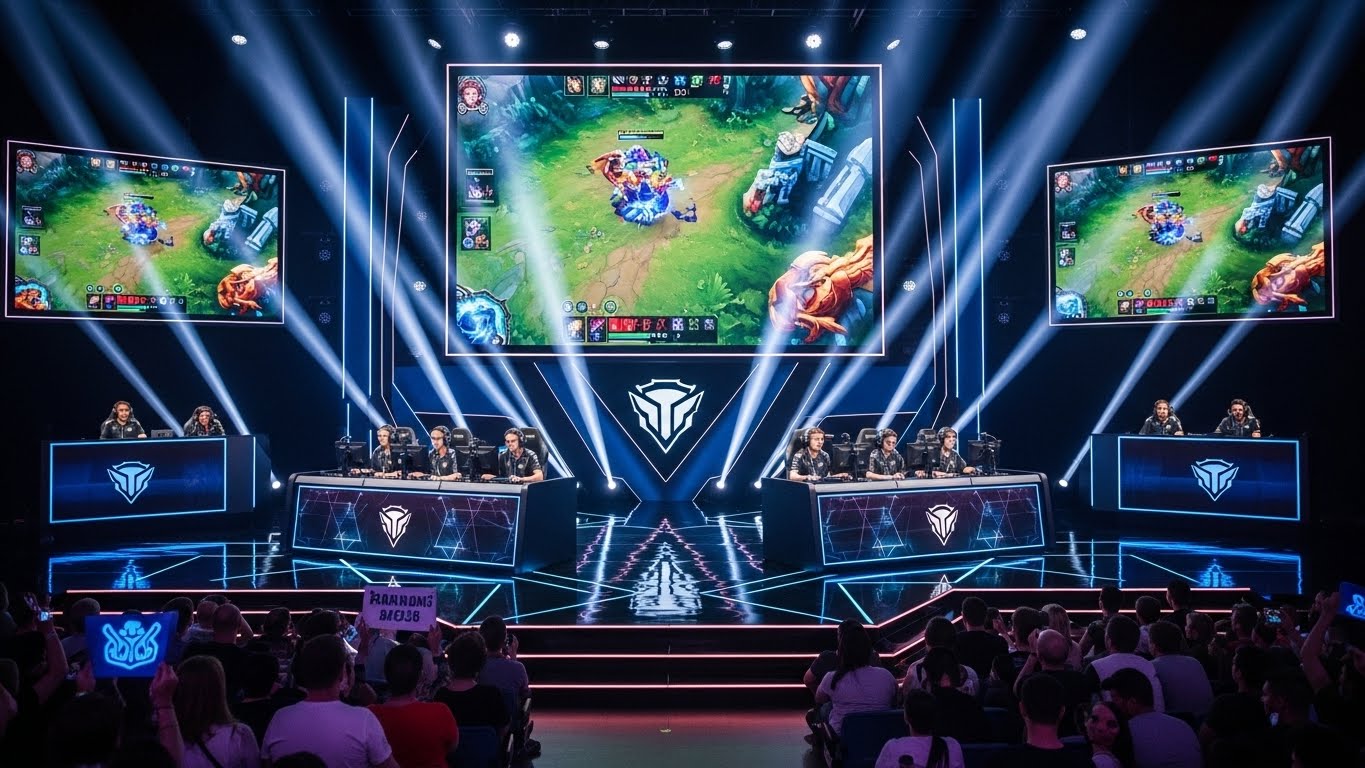
Esports has evolved from a niche hobby into a global phenomenon, captivating millions of fans and generating billions in revenue each year. Once considered a pastime for teenagers and hobbyists, esports is now recognized as a legitimate form of competition, entertainment, and career opportunity. Its influence spans technology, education, culture, and even international business. In this blog, we explore the origins of esports, its growth as a professional industry, the communities it fosters, and the opportunities and challenges it presents for the future.
The Origins of Esports
Esports has roots that go back decades, even before the internet became a household tool. In the 1970s and 1980s, arcade games such as Space Invaders, Pac-Man, and Donkey Kong encouraged competitive play through high-score competitions. These early gatherings were local and informal, but they demonstrated the human desire to compete and excel in digital arenas.
As personal computers and consoles became more widely available in the 1990s, competitive gaming expanded. Multiplayer games such as StarCraft, Quake, and Counter-Strike introduced strategic teamwork and competitive skill, laying the foundation for organized tournaments. Players began forming online communities where they could share strategies, organize matches, and celebrate achievements. The arrival of high-speed internet allowed players from around the world to compete with each other in real time, transforming esports from a local activity into a global phenomenon.
Esports as a Modern Entertainment Form
Esports represents a new form of entertainment that merges technology, competition, and storytelling. Unlike traditional sports, which rely on broadcast television, esports thrives on digital streaming platforms. Millions of viewers tune in to watch live tournaments, follow their favorite players, and participate in interactive chats. This interactivity allows fans to engage directly with players, comment on matches in real time, and be part of a larger community experience.
The rise of esports has shifted entertainment consumption from passive viewing to active participation. Fans can follow live events, learn game strategies, and even emulate professional players in their own games. The accessibility of esports has played a crucial role in its growth, as anyone with an internet connection can watch, play, or participate.
The Economic Impact of Esports
Esports has become a significant economic force, rivaling some traditional sports in revenue generation. Prize pools for major tournaments can reach millions of dollars, attracting top talent from around the world. Professional teams operate similarly to traditional sports franchises, complete with coaches, analysts, management staff, and training facilities.
Revenue in esports comes from multiple streams. Sponsorships, advertising, merchandise sales, and media rights contribute to its financial growth. Additionally, in-game purchases and exclusive content tied to esports events generate further income. Major corporations, ranging from technology brands to energy drinks and automotive companies, have invested heavily in esports, recognizing its appeal to younger, tech-savvy audiences.
The industry also provides numerous career opportunities beyond competitive play. Analysts, commentators, coaches, event organizers, marketers, and content creators all contribute to the esports ecosystem, demonstrating that the industry is not just about gaming, but about building a professional infrastructure around it.
The Life of a Professional Esports Player
Becoming a professional esports player requires discipline, dedication, and exceptional skill. Many players start their journey at a young age, practicing for several hours each day to refine their reflexes, strategy, and game sense. Like athletes in traditional sports, esports players develop mental endurance, teamwork, and the ability to perform under pressure.
Professional players can earn income from tournament winnings, team salaries, sponsorships, and streaming. However, the career of a competitive gamer is often short due to the physical and mental demands, as well as the need for quick reflexes. Burnout is a real risk, and many players transition into coaching, commentary, or content creation to extend their involvement in the industry. Organizations are increasingly providing support systems to ensure player wellness and career longevity.
Building Communities Around Esports
At the heart of esports is its community. Fans are passionate, dedicated, and deeply engaged, supporting their favorite teams and players through online forums, social media, and streaming platforms. This community fosters connection, belonging, and shared excitement.
Esports communities play a critical role in maintaining the longevity of games. Players and fans collaborate to organize events, discuss strategies, and create content that enhances the gaming experience. The cultural impact of these communities cannot be overstated, as they transform competitive gaming into a social and lifestyle phenomenon.
Esports in Education
Esports has made significant inroads into education. High schools and universities worldwide are offering esports programs, teams, and scholarships. Students can participate in competitive gaming while learning skills such as teamwork, communication, strategic thinking, and problem-solving.
Incorporating esports into educational programs also encourages interest in technology, media, and digital innovation. Game design, software development, and event management are areas where students can apply what they learn in esports programs. These initiatives help legitimize esports as a career path and show that competitive gaming teaches valuable life skills beyond the game itself.
The Role of Technology in Esports
Technology drives every aspect of esports, from gameplay to broadcasting. High-speed internet, advanced gaming hardware, and sophisticated software platforms make competitive gaming accessible to a global audience. Developers design games specifically for competitive play, ensuring balance, fairness, and excitement for spectators.
Emerging technologies such as virtual reality, augmented reality, and artificial intelligence are beginning to reshape esports. VR and AR could create more immersive experiences for both players and audiences, while AI can assist with player training, strategy development, and fair play enforcement. These technological innovations will continue to elevate esports and expand its possibilities.
Esports as a Global Phenomenon
Esports transcends borders and unites people from diverse cultures and backgrounds. International tournaments bring together players from all over the world, promoting cultural exchange and global cooperation. Countries such as South Korea, China, the United States, and various European nations have become hubs of competitive gaming, producing world-class talent and innovative approaches to esports.
Government recognition of esports is increasing. Some countries now provide visas for professional players, and esports is increasingly treated with the same respect as traditional sports. Global media coverage and international sponsorships reflect the widespread appeal and legitimacy of competitive gaming.
Challenges Facing the Esports Industry
Despite its growth, esports faces several challenges. Mental health concerns and burnout among players are major issues, and organizations must provide adequate support systems to mitigate these risks. The intense pressure to perform can lead to anxiety and stress, emphasizing the importance of wellness initiatives.
Maintaining fairness and integrity is another challenge. Cheating, match-fixing, and unethical practices threaten the credibility of competitions. Strict regulations, technological safeguards, and transparency are essential to protect both players and fans.
Diversity and inclusivity remain areas for improvement. While esports is growing rapidly, not all communities feel equally represented. Promoting participation from underrepresented groups is essential for the long-term health and expansion of the industry.
The Future of Esports
The future of esports is full of opportunity. Mainstream recognition continues to grow, and the industry is expected to expand further in revenue, audience size, and global reach. New game genres, technological advancements, and innovative approaches to fan engagement will shape the future landscape.
Esports could become a standard feature of entertainment and education, with professional leagues, broadcasting networks, and dedicated facilities around the world. As younger generations grow up with gaming as a central part of their lives, esports will continue to integrate into culture, shaping how people play, watch, and experience competitive entertainment.
Conclusion
Esports has evolved from small arcade competitions into a global powerhouse, blending entertainment, technology, and competition in ways that were once unimaginable. It has created careers, built communities, and influenced education, while driving technological innovation and economic growth.
As esports continues to grow, it will redefine what it means to compete, engage, and entertain in the digital age. For players, fans, and innovators, the world of esports represents a dynamic and evolving frontier where skill, passion, and creativity come together. The rise of esports demonstrates that digital competition is not only a game—it is a global movement shaping the future of entertainment, education, and culture.