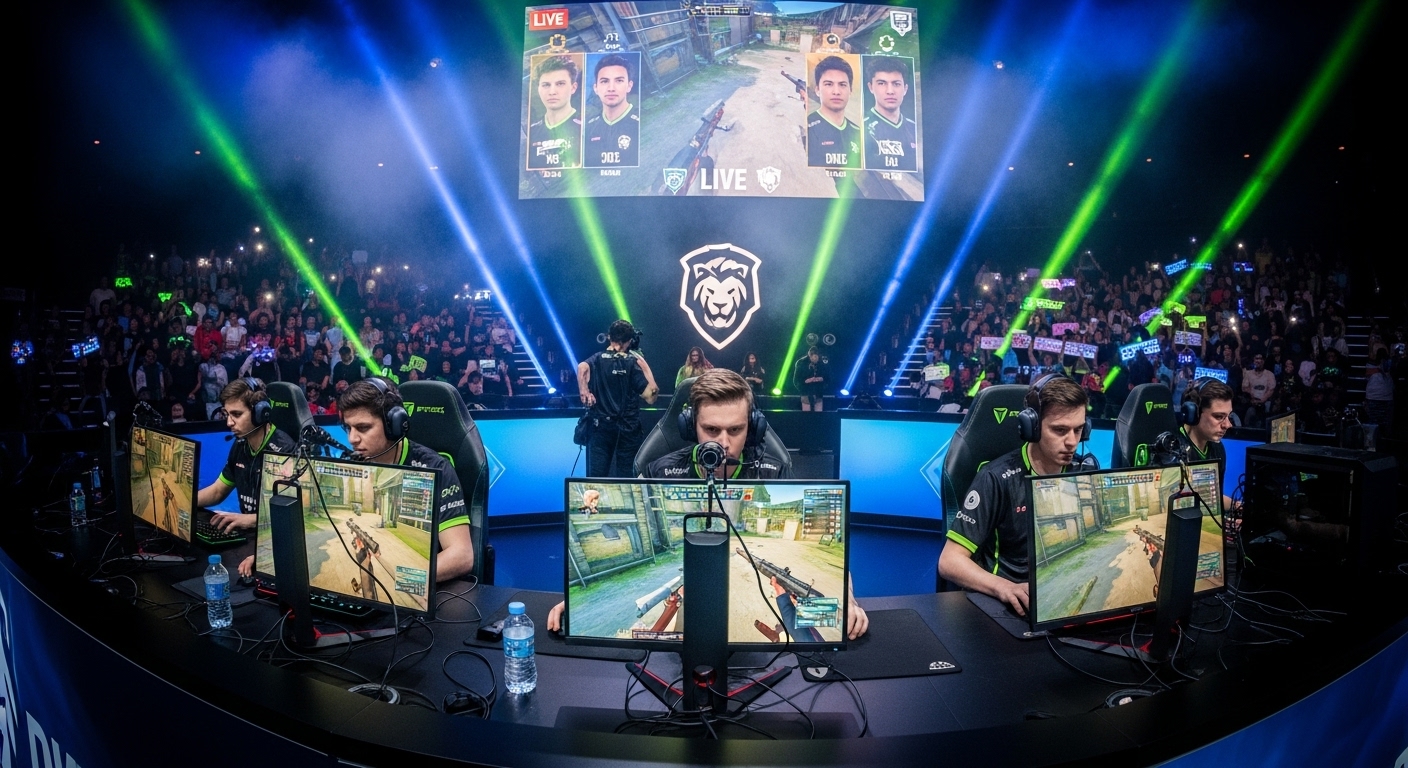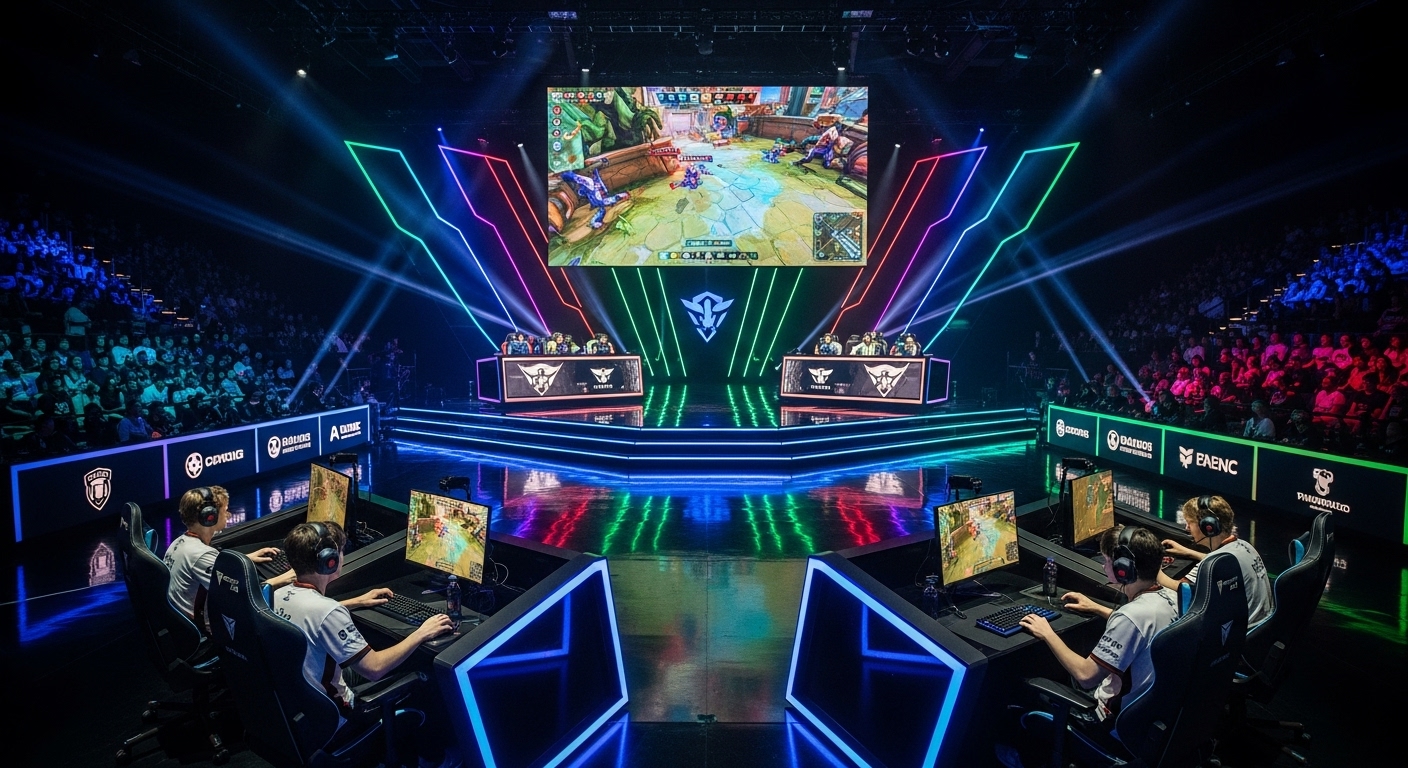






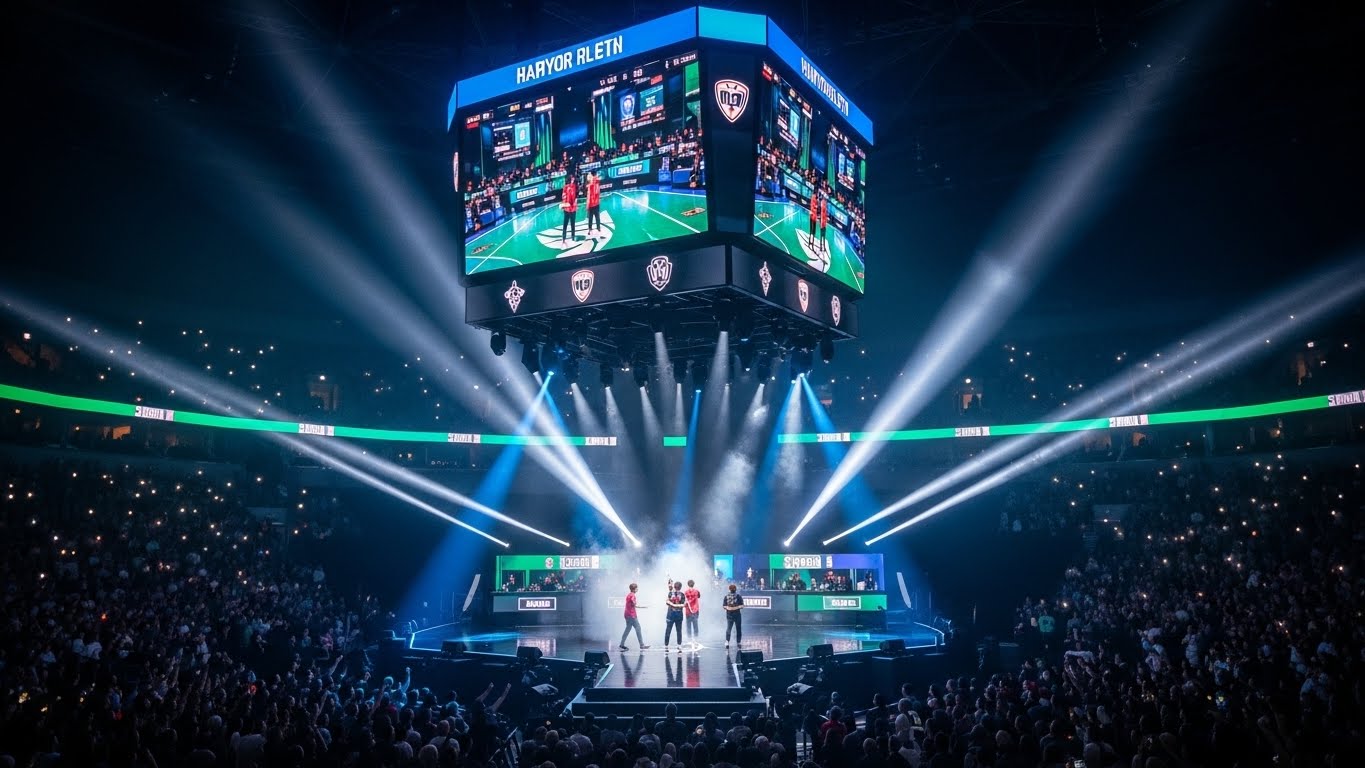
Esports, once considered a hobby for a niche group of gamers, has exploded into a global phenomenon, capturing the attention of millions worldwide. It has evolved from local arcade competitions into a billion-dollar industry with professional players, organized tournaments, massive fan bases, and cultural significance rivaling traditional sports. The digital age has allowed esports to transcend geographical boundaries, creating communities, careers, and entertainment experiences that were unimaginable just two decades ago. This article explores the origins of esports, its meteoric rise, the professional ecosystem, its economic and cultural impact, and the challenges and opportunities that lie ahead.
The Birth of Competitive Gaming
The origins of esports can be traced back to the late 1970s and 1980s, a time when video games like Space Invaders, Pac-Man, and Donkey Kong captivated arcade enthusiasts. High score competitions in arcades and early gaming tournaments provided the first taste of organized competition in the gaming world. Though small in scale, these events laid the groundwork for the competitive gaming culture that would later expand globally.
The 1990s saw the emergence of more complex games on PCs and consoles. Titles such as Street Fighter, StarCraft, and Quake introduced multiplayer mechanics, strategy, and skill-based competition. Players began forming teams, participating in local tournaments, and connecting online. The development of the internet played a crucial role in expanding these competitions, allowing players from different regions to challenge one another and creating the first international esports rivalries.
The Digital Revolution and the Rise of Modern Esports
The 2000s marked a turning point for esports. High-speed internet, advanced gaming technology, and the popularity of multiplayer games created an environment ripe for competitive gaming to flourish. Games like Counter-Strike, DotA, League of Legends, and Call of Duty introduced structured competitive frameworks, enabling organized leagues and professional teams to form.
One of the most significant factors in the growth of esports was the emergence of live streaming platforms. These platforms allowed fans to watch tournaments in real-time, follow professional players, and learn advanced strategies. Viewers could interact with players and communities directly, making esports a highly engaging spectator experience. As a result, tournaments grew larger, attracting thousands of spectators both online and offline, and bringing esports into mainstream entertainment.
Building a Global Community
Esports is unique in its ability to unite people worldwide. Unlike traditional sports, esports transcends physical boundaries. A player in Asia can compete against a team in Europe or North America without leaving home. This global accessibility has allowed esports to reach diverse demographics and cultures, creating one of the largest and most active fan communities in modern entertainment.
Online forums, social media platforms, and dedicated fan channels have made it easier for enthusiasts to connect, discuss strategies, and celebrate the achievements of players and teams. Fans play an active role in shaping the esports ecosystem, influencing game development, tournament formats, and team popularity. The sense of community in esports is powerful because it is participatory; fans are not just spectators—they are contributors to the culture and growth of the industry.
The Professionalization of Esports
The transformation of esports from casual competition to a professional industry has been remarkable. Professional players dedicate countless hours to perfecting their skills, studying game mechanics, and developing strategies. They face the same pressures as athletes in traditional sports, including intense competition, mental stress, and the need for peak performance under high stakes.
Esports teams operate similarly to professional sports franchises. They hire coaches, analysts, nutritionists, and psychologists to ensure optimal performance and well-being. These organizations invest in training facilities, performance tracking systems, and even lifestyle management programs. Prize pools have grown exponentially, with some tournaments offering multi-million-dollar rewards, making esports a viable career path. Sponsorships from brands in technology, energy drinks, fashion, and automotive industries further reinforce the legitimacy and financial sustainability of professional esports.
Iconic Tournaments and Competitive Structures
Esports tournaments have become major spectacles, rivaling traditional sports events in scale, production, and fan engagement. Competitions for games such as League of Legends, Dota 2, Counter-Strike: Global Offensive, and Valorant draw thousands of fans to arenas while millions watch online. These events feature professional commentary, immersive production elements, and live performances, creating entertainment experiences beyond the gameplay itself.
International competitions are especially significant, fostering rivalries between regions and showcasing the global talent pool. The drama, skill, and strategy displayed in these tournaments captivate audiences and create a level of engagement similar to the World Cup or Olympic Games. Fans follow their favorite teams passionately, with merchandise, fan chants, and social media interactions adding to the cultural phenomenon of esports.
The Economic Power of Esports
Esports has become a multi-billion-dollar industry. Revenue streams are diverse, including tournament prize pools, team sponsorships, merchandise sales, media rights, and game-related purchases. Corporations recognize esports as a powerful marketing tool to connect with younger, digitally-savvy audiences who prefer interactive entertainment over traditional media.
Game developers are integral to the economic structure of esports. They maintain and update games, organize leagues, and create competitive content that sustains player engagement. Tournaments, both official and third-party, provide additional revenue opportunities. The business ecosystem of esports includes players, teams, event organizers, media companies, and advertisers, making it a sophisticated and interconnected industry with rapid growth potential.
Cultural Influence and Mainstream Acceptance
Esports has influenced more than just the gaming industry; it has permeated broader culture. Professional players have become public figures, appearing in advertisements, collaborating with brands, and shaping fashion trends. Music, art, and entertainment have intersected with esports, creating crossover appeal and increasing mainstream recognition.
Education systems have also embraced esports. Many schools and universities now offer scholarships, structured programs, and facilities for competitive gaming. These initiatives combine gaming with academic study in fields such as game design, media management, and sports marketing, preparing students for careers in an expanding industry. Esports promotes critical thinking, teamwork, and digital literacy, skills that are transferable to professional environments beyond gaming.
Technological Innovation Driving Esports
The growth of esports is closely linked to technological advancement. Improved graphics, faster internet speeds, and high-performance hardware have enhanced gameplay and spectator experiences. Emerging technologies such as virtual reality, augmented reality, and artificial intelligence are set to further transform how esports is played and watched, offering more immersive and interactive experiences.
Mobile gaming has become a significant driver of esports growth, particularly in regions where PCs or consoles are less accessible. Mobile esports tournaments attract millions of participants and viewers, expanding the industry’s reach to new audiences. As technology continues to evolve, esports will continue to innovate, offering fresh ways for fans to engage and players to compete.
Challenges Facing the Esports Industry
Despite its success, esports faces challenges that could impact its long-term growth. Player burnout is a significant issue due to long hours of practice, high-pressure competition, and frequent travel. Teams and organizations are increasingly emphasizing mental health, rest schedules, and balanced training routines to address these concerns.
Regulation and standardization are also important. The esports ecosystem is fragmented, with multiple leagues, publishers, and organizers operating independently. Creating unified standards for competition integrity, contracts, and player rights will help the industry maintain professionalism and credibility. Inclusivity and diversity remain ongoing priorities, as efforts continue to ensure that esports is accessible to all players regardless of gender, region, or background.
The Future of Esports
The future of esports is bright, with tremendous potential for growth and innovation. New game genres, technologies, and competition formats will attract broader audiences and redefine the spectator experience. Integration with mainstream sports, educational institutions, and entertainment industries will further solidify esports’ position as a major cultural force.
Esports could eventually gain recognition in international multi-sport events and even the Olympics. Its ability to adapt to new technologies, connect global audiences, and provide immersive entertainment ensures that esports will continue to thrive. The industry’s trajectory points toward increased professionalism, sustainability, and global influence in the coming decades.
Conclusion
Esports has transformed from a niche hobby into a global entertainment powerhouse. Its rise has been fueled by technological innovation, professionalization, passionate communities, and cultural acceptance. Tournaments rival traditional sports events, players have become international stars, and the industry generates significant economic value.
Esports is more than just playing games; it is a platform for creativity, competition, community, and personal development. As the industry continues to evolve, it promises to shape entertainment, education, and culture for generations to come. From pixels to podiums, esports has proven that the digital arena is not only here to stay but is poised to redefine the very concept of competitive sport.