





Introduction
Esports has transformed the way we perceive gaming and entertainment. What was once a niche activity enjoyed by small communities of gamers has now grown into a global phenomenon, attracting millions of viewers and billions of dollars in revenue. From competitive tournaments to live-streamed championships, esports has become a cultural and professional force, redefining the idea of modern sports and entertainment. In this blog, we explore the rise of esports, its impact on culture and business, the opportunities it provides, and the challenges it faces as it continues to grow into the future.
The Origins of Competitive Gaming
The journey of esports began with humble beginnings. In the 1970s and 1980s, competitive gaming took the form of arcade competitions and early video game tournaments. Players would gather in local arcades to compete in games like Space Invaders and Pac-Man, while high score competitions became the first taste of organized competition in the gaming world.
With the advent of personal computers and internet connectivity in the 1990s, online multiplayer games began to emerge. Titles like Quake, StarCraft, and Counter-Strike became the first platforms where players could compete across cities and countries. These early competitive environments were small but significant. They demonstrated that gaming could be more than a hobby—it could be a structured, competitive activity that required skill, strategy, and dedication.
Technological Advancements Fueling Esports Growth
Esports could not have grown without advancements in technology. High-speed internet allowed players from different parts of the world to compete in real time, while improvements in computer hardware and gaming consoles enabled more complex and visually engaging games. The rise of streaming platforms revolutionized esports by allowing matches to be broadcast to millions of viewers globally.
Streaming brought a new level of interactivity to esports. Fans could watch live matches, comment in real-time, and even engage with their favorite players. This created an entirely new type of spectator experience, where viewers felt connected to the action in ways traditional sports could not always provide. High-quality production, professional commentary, and digital storytelling turned esports tournaments into events that rivaled mainstream sports broadcasts in entertainment value.
The Professionalization of Esports
Esports has evolved into a legitimate career path for many individuals. Professional players now train rigorously, often practicing for eight to twelve hours a day to maintain peak performance. Teams employ coaches, analysts, and strategists to maximize their chances of success. Organizations sponsor players and teams, providing salaries, housing, and training facilities similar to traditional sports clubs.
Beyond players, esports has created numerous career opportunities in areas such as event management, broadcasting, content creation, and marketing. Universities and colleges around the world now offer esports scholarships and dedicated programs, recognizing it as a viable career option for young talent. This professionalization has legitimized esports, shifting public perception from casual gaming to a recognized competitive industry.
Global Tournaments and Spectacle
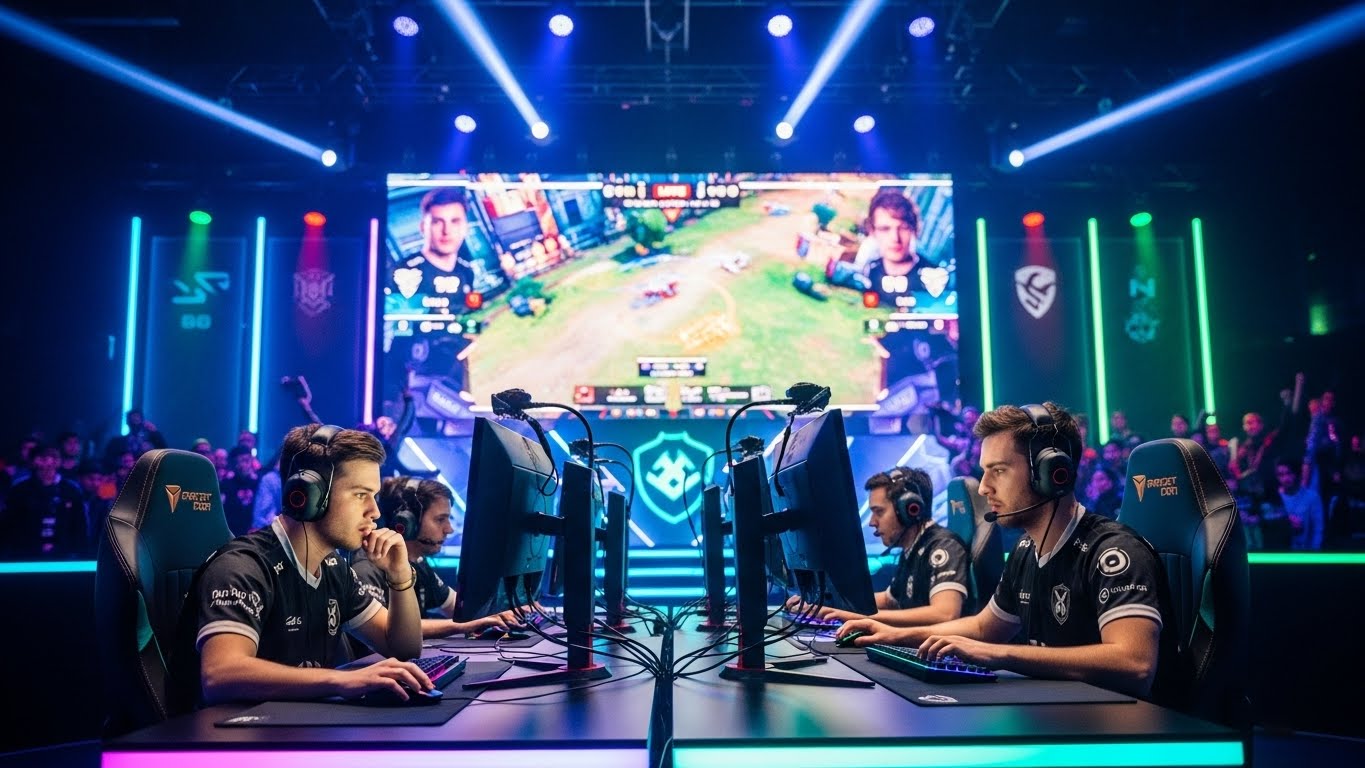
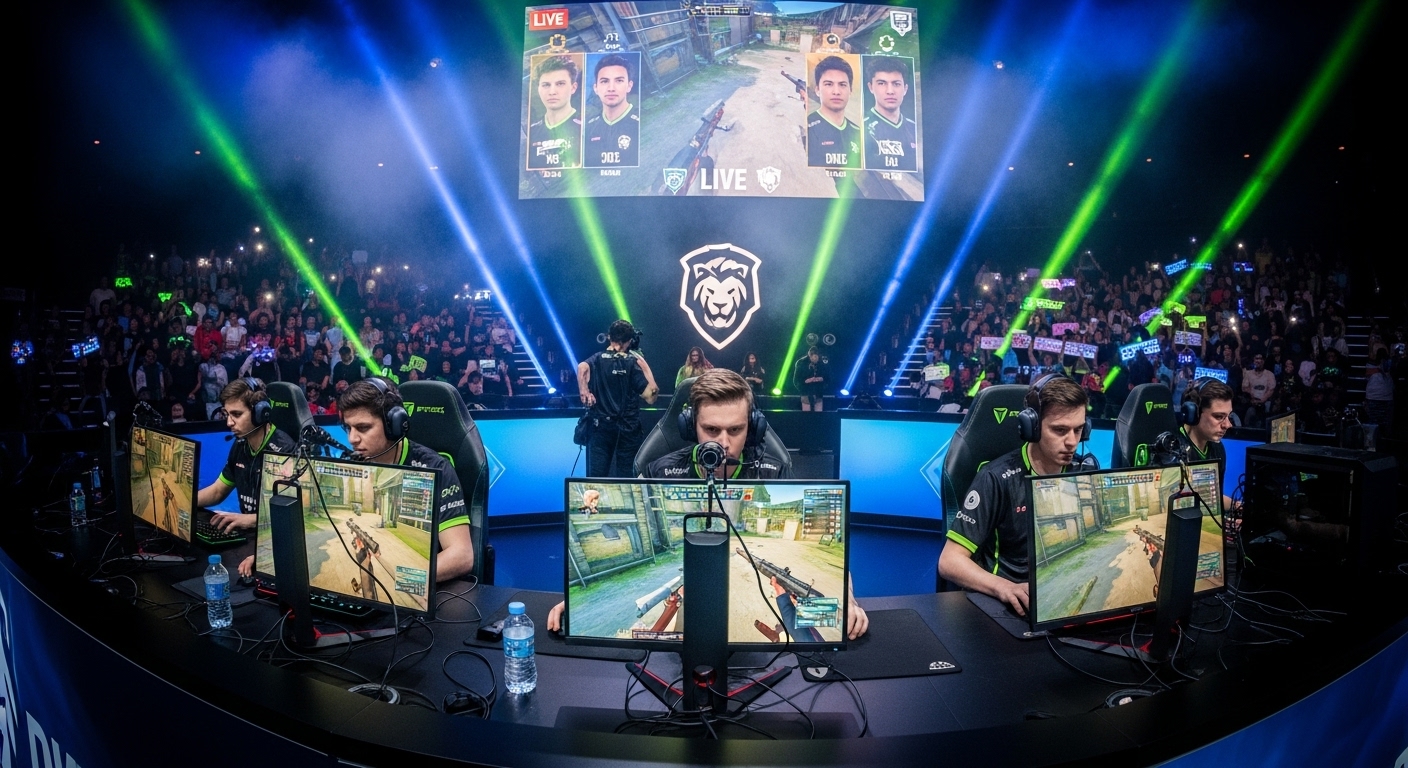
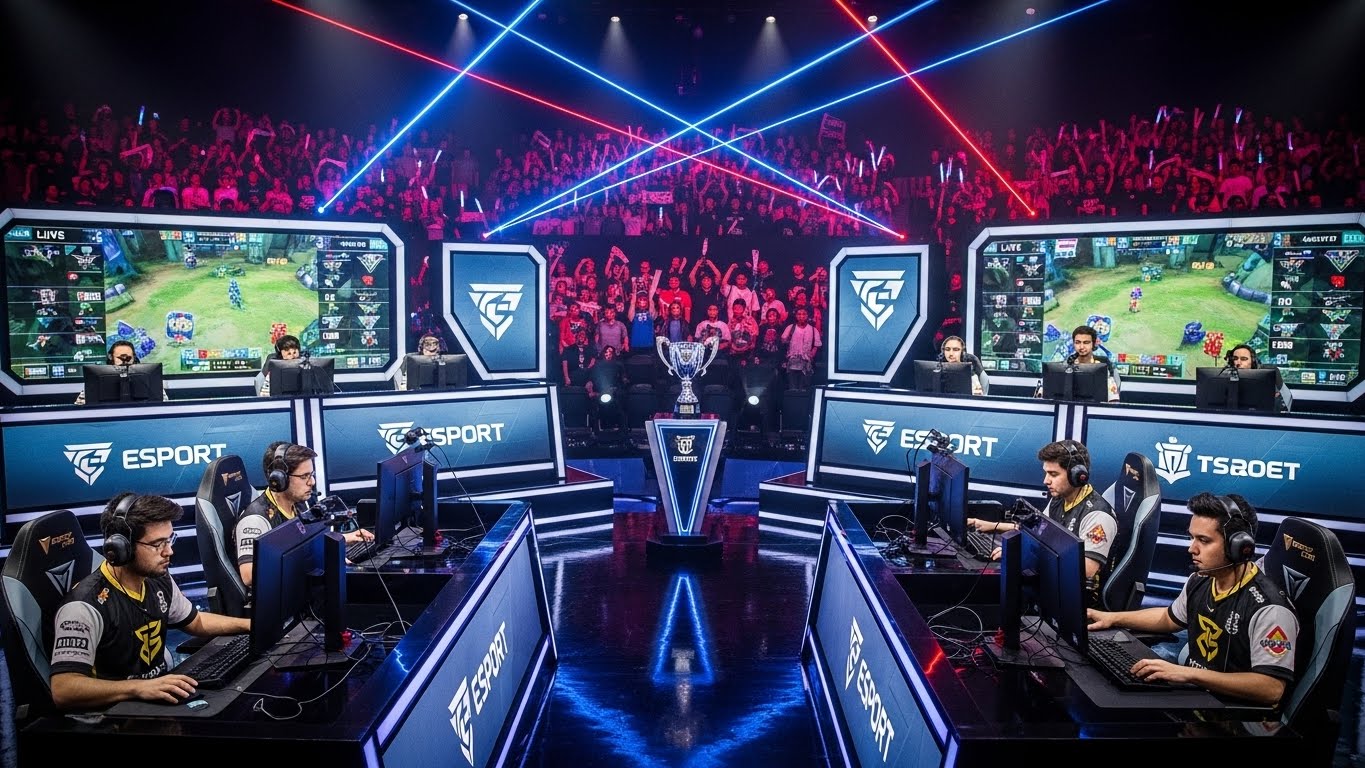
One of the defining features of esports is the scale and spectacle of its tournaments. Major competitions such as the League of Legends World Championship, Dota 2’s The International, and the Fortnite World Cup attract millions of viewers online and fill stadiums with live audiences. Prize pools often reach millions of dollars, highlighting the level of competition and stakes involved.
These events are not just about the games—they are immersive entertainment experiences. Opening ceremonies feature elaborate performances, player storylines are showcased, and live commentary guides fans through every strategic move. The combination of competition, storytelling, and production value has helped esports become a mainstream form of entertainment that rivals traditional sports.
Cultural Impact of Esports
Esports has had a significant impact on global culture. It has created a shared language and community that transcends national and cultural boundaries. Fans from different countries connect over their favorite games, players, and teams, fostering a sense of belonging in the digital space.
The influence of esports extends beyond gaming. It shapes fashion, music, and lifestyle trends, with collaborations between gaming brands and clothing lines, gaming-themed music releases, and esports celebrities amassing massive social media followings. Younger generations increasingly consume content through streaming and interactive platforms, and esports has become a central part of their media landscape.
Economic Significance of Esports
Esports is not just a cultural phenomenon—it is also a booming business. Sponsorships, advertising, merchandise, ticket sales, and media rights contribute to a multi-billion-dollar industry. Brands recognize esports as a way to engage younger audiences, offering unique marketing opportunities that are difficult to achieve through traditional channels.
Game developers play a crucial role as both creators and operators. By designing games for competitive play, supporting tournaments, and managing online platforms, developers sustain the ecosystem and generate continuous engagement. Streaming platforms contribute to the economic growth of esports through subscription fees, ad revenue, and virtual gifts, sharing profits with creators and teams. The result is a diverse and dynamic economic ecosystem with opportunities for a wide range of professionals.
Challenges Facing the Esports Industry
Despite its rapid growth, esports faces several challenges. Player health and well-being are major concerns. Long hours of practice and high-pressure competition can lead to physical strain, mental fatigue, and burnout. Many teams now employ wellness programs, fitness routines, and mental health support to address these issues.
Another challenge is the lack of standardized regulations. Game developers often control competitive structures, which can limit independent tournament organization and create uneven opportunities. Issues such as cheating, match-fixing, and inconsistent rule enforcement threaten the integrity of competitions. As esports continues to expand, creating standardized governing bodies and regulations will be essential for long-term sustainability.
The Future of Esports
The future of esports is filled with potential. Emerging technologies such as virtual reality, augmented reality, and mixed-reality competitions will create more immersive experiences for players and audiences alike. The integration of esports with traditional sports teams and organizations will continue to legitimize the industry and expand its fan base.
Education and youth development programs will play a larger role, providing structured pathways for aspiring players. As the global audience grows, esports will increasingly influence entertainment trends, media consumption, and even lifestyle habits. The industry’s ability to innovate and adapt ensures that its growth trajectory will continue for years to come.
Conclusion
Esports has evolved from casual gaming competitions into a global entertainment powerhouse. It combines skill, strategy, technology, and culture in ways that redefine the boundaries of modern sports and entertainment. Professional players, global tournaments, and massive online communities illustrate how far esports has come, while the growing economic and cultural influence highlights its importance in the modern world.
As technology advances and audiences continue to engage, esports is poised to become an even more integral part of global culture. The industry offers opportunities for careers, innovation, and entertainment while challenging traditional notions of competition and media. Esports has leveled up the world of entertainment, and its story is just beginning.