




Introduction
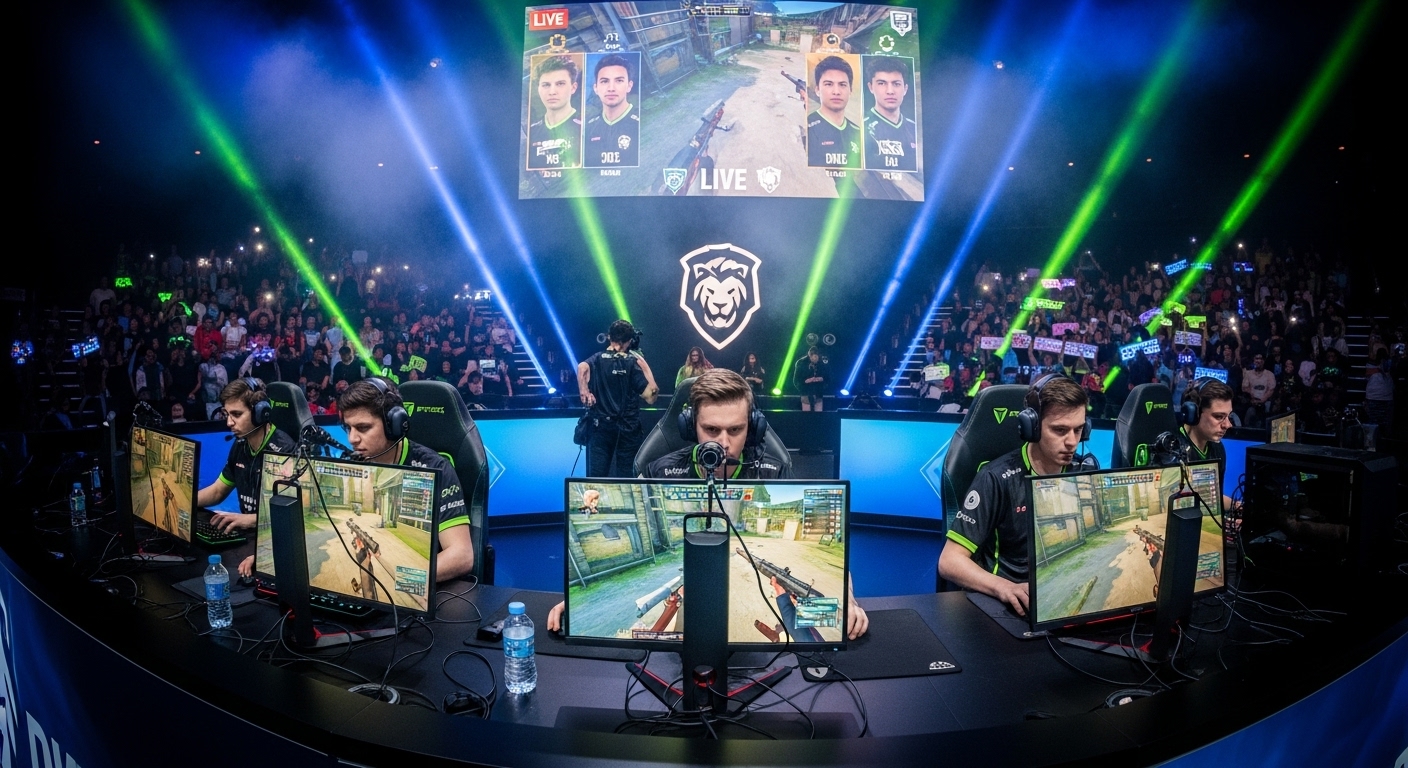
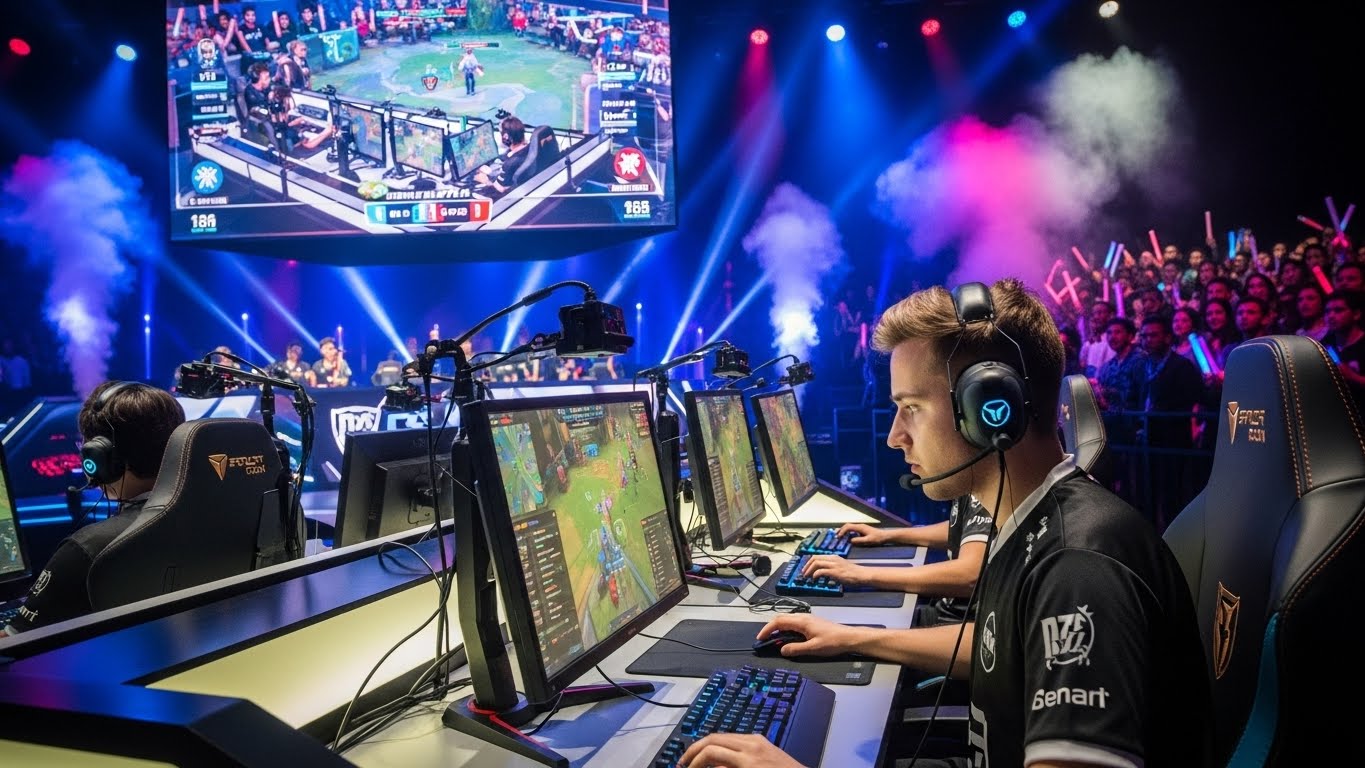
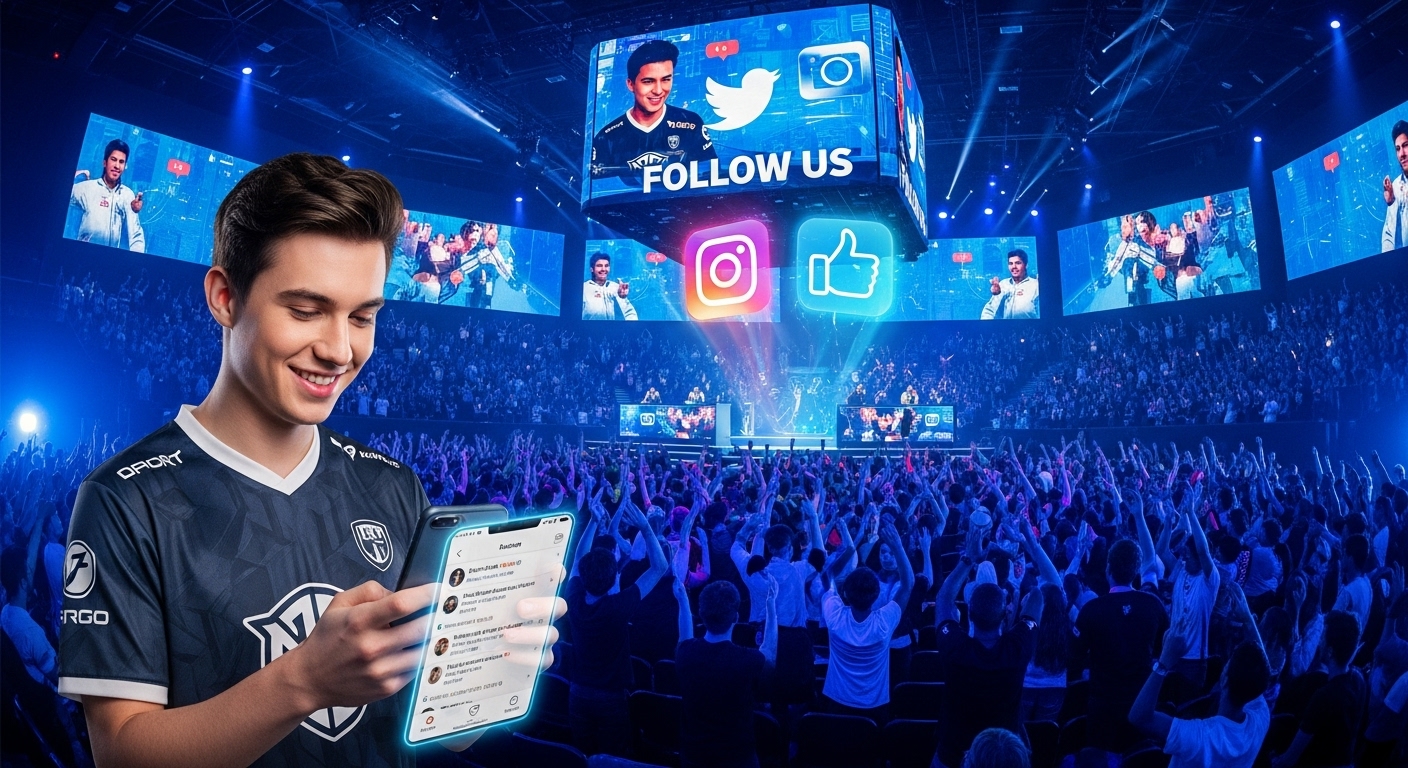
Esports has transformed from a niche pastime into a global entertainment powerhouse. Once confined to LAN parties and internet cafés, competitive gaming now fills stadiums, boasts multi-million-dollar prize pools, and commands audiences rivaling traditional sports. But alongside the competitions themselves, a parallel battlefield has emerged—social media.
For esports organizations, players, tournament organizers, and even brands, social media is more than just a marketing tool. It is the lifeline of fan engagement, the stage where identities are crafted, stories are told, and loyal communities are cultivated. Whether it’s a professional player sharing behind-the-scenes practice moments, a team posting hype content before a major match, or fans debating strategies on Twitter and Reddit, social media has become the central hub of esports culture.
In this blog, we will explore in detail how social media drives growth in esports, the strategies teams and players use to build a fanbase, the platforms that matter most, and the future of online fan engagement.
The Role of Social Media in Esports
Social media serves multiple functions in esports:
- Community Building – Esports thrives on communities, and social platforms allow fans to connect with one another and with their favorite teams or players.
- Storytelling – A tournament isn’t just about scores. It’s about rivalries, underdog runs, and emotional highs and lows—all amplified through memes, videos, and streams.
- Brand Growth – Teams use social media to differentiate themselves. A bold, meme-heavy presence (like FaZe Clan) appeals to some audiences, while others prefer a professional, stats-driven approach (like OG in Dota 2).
- Revenue & Sponsorships – Sponsors care about reach and engagement. Social media metrics are often more valuable to sponsors than actual tournament results.
- Global Accessibility – Unlike local stadium sports, esports is global by nature. Social platforms bridge geographic boundaries, connecting fans from Seoul to São Paulo to Stockholm.
Why Fanbases Matter in Esports
Esports teams are brands as much as they are competitive organizations. A strong fanbase brings:
- Merchandise sales – Jerseys, hoodies, and branded gear drive significant revenue.
- Viewership – Loyal fans consistently tune into streams and events, boosting visibility.
- Sponsor value – A brand with millions of engaged followers can secure lucrative sponsorships.
- Cultural relevance – Teams like Cloud9, Fnatic, and T1 have become household names largely because of their ability to cultivate global fanbases online.
Unlike traditional sports, esports careers can be short, and teams may not always dominate competitively. But a strong social presence ensures longevity beyond performance.
Key Social Media Platforms in Esports
Not every platform is equally important, and their relevance often depends on region, audience, and purpose. Let’s break it down:
1. Twitter (X)
- The heartbeat of esports conversations.
- Used for live match updates, memes, roster announcements, and banter between teams.
- Hashtags trend during major tournaments (#LCS, #TheInternational, #Worlds2024).
- Players often share personal thoughts here, creating authenticity.
2. Twitch & YouTube
- Core platforms for live and VOD (video on demand) content.
- Twitch provides interaction through chat, donations, and emotes.
- YouTube excels in highlights, documentaries, and long-term content storage.
3. Instagram & TikTok
- Visual storytelling platforms, great for behind-the-scenes content.
- TikTok has exploded as the go-to for short, viral content—trick shots, funny moments, quick highlights.
- Instagram thrives on polished content, from photoshoots to lifestyle posts.
4. Discord
- The modern fan club.
- Provides direct, community-driven interaction.
- Teams often host official servers where fans can chat, join events, or even get exclusive content.
5. Reddit
- A hub for deeper discussions, strategies, and fan theories.
- Subreddits like r/leagueoflegends or r/DotA2 are central to esports culture.
6. Regional Platforms
- Weibo and Bilibili (China), KakaoTalk (Korea), VK (Russia), etc., are essential for reaching non-Western audiences.
Strategies for Building a Fanbase Through Social Media
1. Consistency in Content
Posting regularly is key. A dead social media feed signals irrelevance. Fans want updates, and algorithms reward consistency.
- Example: 100 Thieves treats itself like a lifestyle brand, producing regular YouTube vlogs, TikToks, and fashion-inspired photo shoots.
2. Authenticity Over Perfection
Audiences value realness. Overly polished content may look nice, but esports fans often prefer memes, jokes, and candid behind-the-scenes footage.
- Example: G2 Esports has mastered this by blending humor with self-awareness, creating viral content that often pokes fun at themselves.
3. Engaging with Fans
Replying to comments, resharing fan art, and running polls or Q&As make fans feel part of the journey.
Esports thrives on a sense of belonging—fans want to be acknowledged.
4. Storytelling
People follow narratives, not just scores. Sharing the human side of esports—struggles, triumphs, rivalries—creates emotional connections.
- Example: Riot Games’ “Arcane” series wasn’t just entertainment; it deepened fan engagement with League of Legends lore and characters.
5. Memes and Pop Culture Integration
The esports community loves humor. Teams that capitalize on memes or internet culture often go viral.
- Example: FaZe Clan frequently collaborates with mainstream influencers, musicians, and athletes, merging gaming with pop culture.
6. Localized Content
Esports is global, but not all fans consume content the same way. Translating content, creating region-specific accounts, and tailoring memes to cultures helps teams expand.
- Example: T1’s global fanbase engages with Korean, English, and even Spanish posts across different platforms.
7. Player-Centric Branding
Teams are built around star players. Showcasing their personalities helps attract fans.
When Tyler “Ninja” Blevins or Kyle “Bugha” Giersdorf exploded on social media, they brought huge visibility to their teams and games.
8. Cross-Platform Promotion
One piece of content can be adapted across platforms:
- A Twitch clip → TikTok highlight → Instagram Reel → Twitter meme → YouTube montage.
Maximizing distribution increases reach.
Case Studies: Teams & Players That Excel in Social Media
1. G2 Esports
- Known for witty, self-deprecating humor.
- Strong meme game on Twitter and TikTok.
- Built a loyal community that embraces both victories and losses with humor.
2. 100 Thieves
- Positions itself as a hybrid of gaming, streetwear, and lifestyle.
- YouTube content includes vlogs, challenges, and collaborations with influencers.
- Merchandise drops are often social media events in themselves.
3. Team Liquid
- Professional and stats-heavy approach.
- Balances humor with competitive storytelling.
- Uses YouTube for long-form documentaries and Instagram for clean branding.
4. Players like Faker, Shroud, and TenZ
- Faker (League of Legends) keeps a reserved, professional image.
- Shroud transitioned from pro to streaming superstar through consistent Twitch and YouTube presence.
- TenZ uses TikTok and Twitter to connect with younger Valorant fans.
Challenges of Social Media in Esports
While the opportunities are vast, building a fanbase online isn’t without difficulties:
- Oversaturation – With so many teams and players competing for attention, standing out is difficult.
- Toxicity & Backlash – Esports communities can be critical. A single misstep on social media can cause controversy.
- Short Career Spans – Rising stars may burn out quickly, making it harder to sustain long-term fanbases.
- Platform Algorithms – Teams are at the mercy of changing algorithms. What works today may not work tomorrow.
- Balancing Professionalism & Entertainment – Too serious can feel dull, too casual can feel unprofessional.
The Future of Social Media in Esports
The landscape continues to evolve, and new trends are emerging:
- AI-Powered Content – Automated highlights, real-time stats graphics, and personalized fan engagement.
- Virtual & Augmented Reality – Interactive fan experiences where social media integrates with live esports broadcasts.
- NFTs & Digital Collectibles – Controversial, but some teams may leverage digital ownership to engage fans.
- Creator Collaborations – Teams partnering with YouTubers, streamers, and even musicians to expand their reach.
- Hyperlocal Communities – More Discord integration and niche fan spaces for specific regions or micro-communities.
Ultimately, the future of esports fanbases lies in blending entertainment, interactivity, and authenticity.
Conclusion
Esports is not just about who wins or loses—it’s about stories, personalities, and communities. Social media is the vehicle that carries all of this to fans worldwide. Whether it’s a witty tweet, a viral TikTok, a Twitch stream, or a heartfelt YouTube documentary, the way teams and players use social media can make the difference between being a fleeting competitor and becoming a cultural icon.
From FaZe Clan’s lifestyle branding to G2’s meme mastery, from Faker’s reserved professionalism to TenZ’s TikTok-driven popularity, social media in esports proves one thing: building a fanbase is as much about digital storytelling as it is about competitive success.