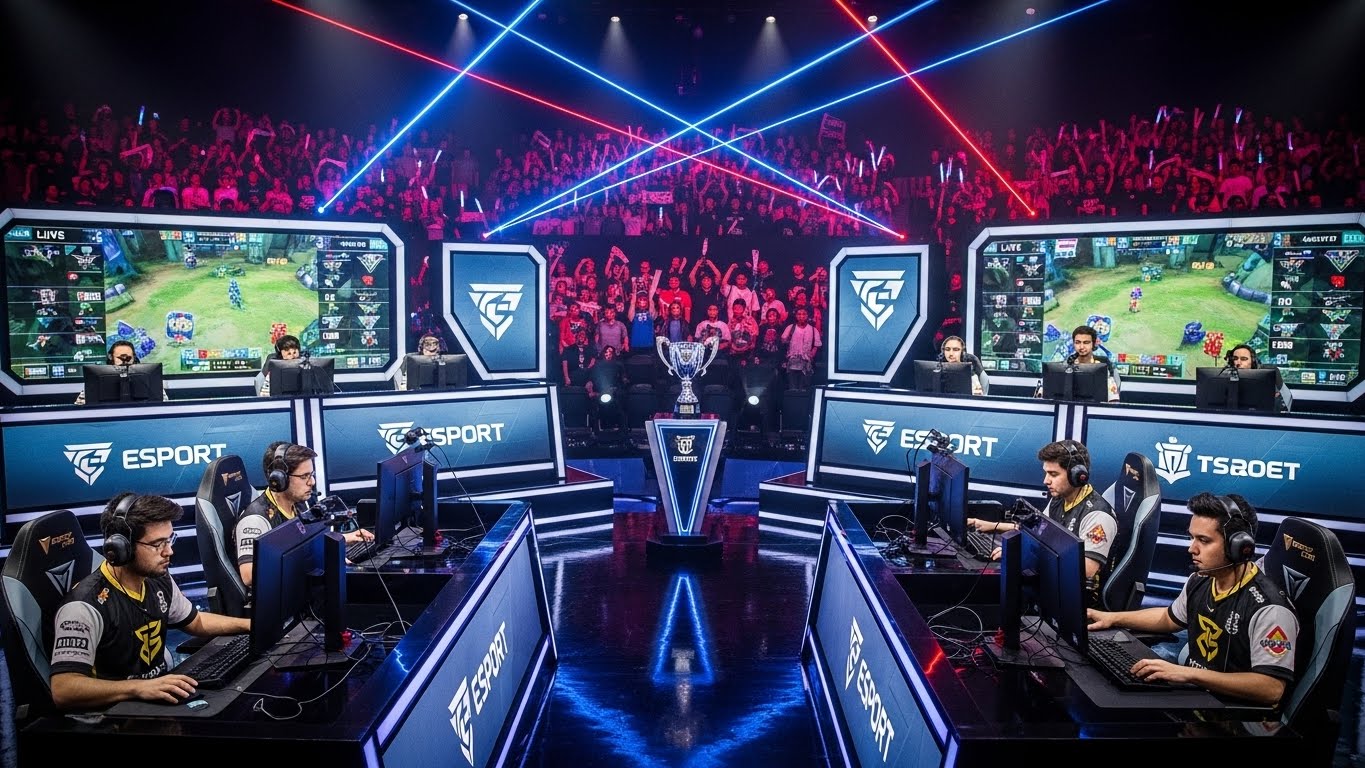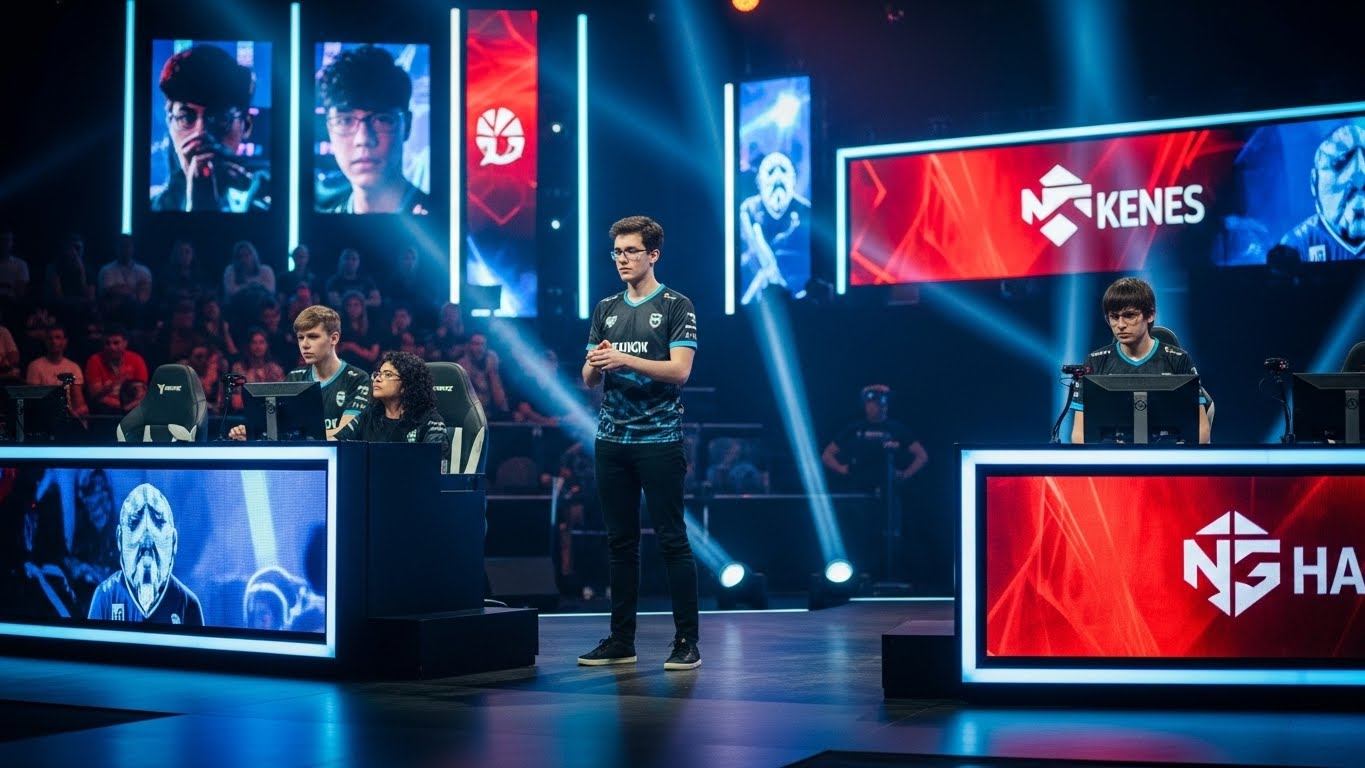






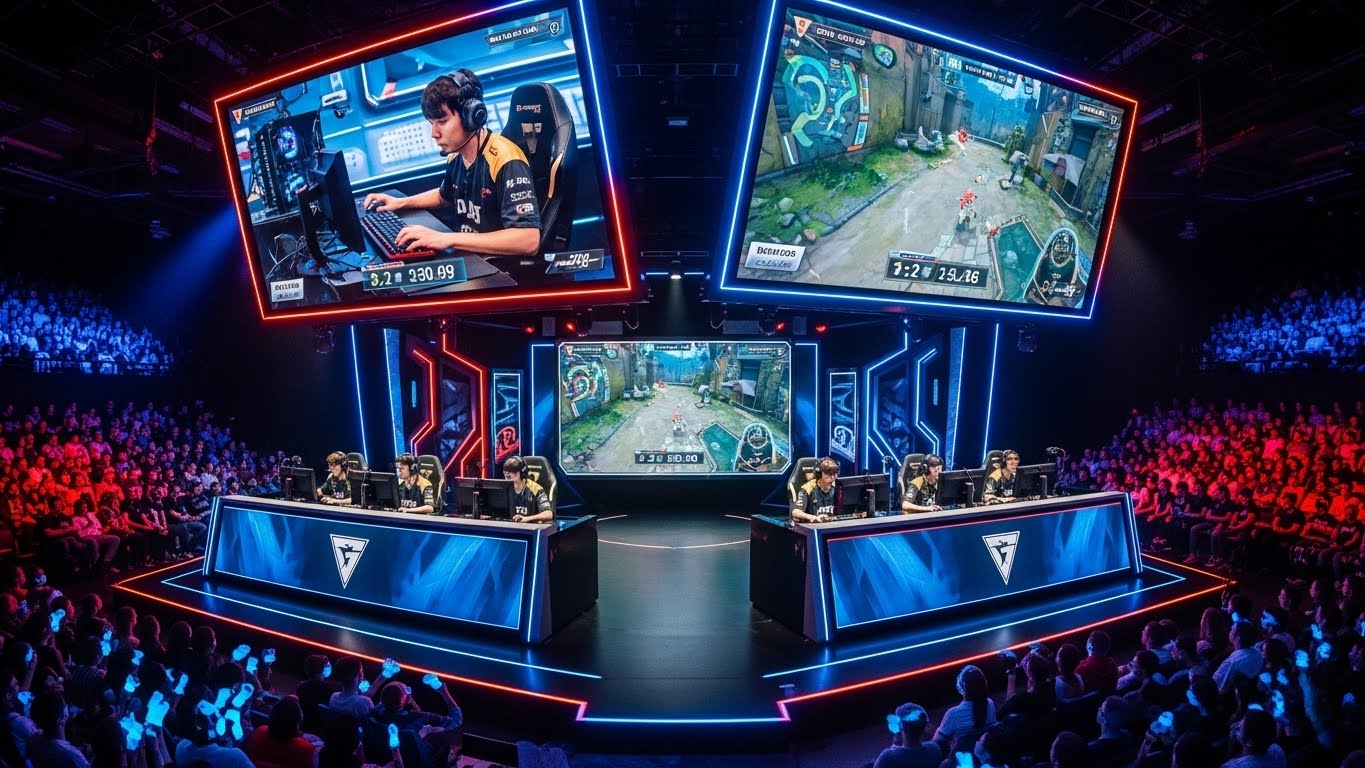
Esports is no longer just a pastime for gamers; it has evolved into a massive global industry, attracting millions of viewers and participants. What was once a niche activity has transformed into one of the fastest-growing segments of entertainment, challenging traditional sports and reshaping the way we think about competition, teamwork, and fame. In this post, we will explore the rise of esports, its current state, and the profound impact it’s having on the sports world, entertainment, and even global culture.
The Genesis of Esports: From Arcade Games to Competitive Platforms
Esports, or electronic sports, traces its origins back to the late 20th century, when gaming moved from solitary experiences to competitive ones. In the early days, gaming was confined to arcades, where players would compete for high scores on machines like Pong and Space Invaders. These arcade competitions were the first seeds of what would eventually become a multi-billion-dollar industry.
In the 1990s, as the internet began to spread, multiplayer online games such as Quake and Warcraft introduced a new era of competition. Gamers could now connect via LAN (Local Area Network) and face off against others from around the world. This set the stage for the formalization of esports as we know it today.
One of the first major esports tournaments was the Red Annihilation tournament in 1997, which was held for the game Quake. It attracted a significant following, and the winner, John Romero, received a Ferrari as the grand prize. This was a pivotal moment that demonstrated that competitive gaming could be more than just a hobby; it could be a serious sport with high rewards.
The real explosion of esports came in the 2000s, especially in countries like South Korea. With games like Starcraft and Warcraft III, South Korea built a robust esports infrastructure, including dedicated TV channels and arenas for live competitions. These early successes laid the foundation for esports to evolve into a global spectacle.
The Expansion of Esports: Key Milestones and Global Reach
The 2010s marked the true rise of esports on the global stage. Major games like League of Legends, Dota 2, and Counter-Strike: Global Offensive (CS:GO) not only gained massive popularity but also spawned large-scale tournaments with millions of dollars in prize money. The International, the annual Dota 2 tournament, regularly boasts prize pools in the tens of millions, with 2021’s pool reaching an astonishing $40 million. The enormous growth of these tournaments has made esports a viable career option for gamers, with the top players earning salaries comparable to professional athletes in traditional sports.
One of the primary factors behind esports’ growth was the rise of streaming platforms like Twitch. Launched in 2011, Twitch enabled gamers to stream their gameplay live to an audience, creating an entirely new form of entertainment. The interactive nature of these platforms—where viewers can chat with streamers, watch matches, and participate in communities—helped solidify esports’ place in modern pop culture. As a result, millions of people now tune in regularly to watch esports tournaments, whether it’s for League of Legends, Fortnite, or Overwatch.
This increase in viewership has caught the attention of major corporations. From beverage giants like Red Bull and Coca-Cola to tech companies such as Intel and Nvidia, global brands are eager to sponsor esports events, teams, and individual players. These sponsorships have not only boosted the financial viability of esports but have also helped legitimize it as a professional sport.
The Esports Ecosystem: Tournaments, Teams, and Players
At the heart of esports is the ecosystem that supports it—comprising players, teams, tournament organizers, and media. The professionalization of esports has led to the establishment of esports organizations, some of which have become household names. Teams like T1, Team Liquid, Cloud9, and FaZe Clan have large followings, with dedicated fans who cheer on their favorite players as if they were cheering for a professional sports team.
These teams consist of highly skilled players who spend hours each day honing their skills in specific games. Just like traditional athletes, esports players undergo extensive training regimens, participate in team strategies, and practice regularly to stay at the top of their game. However, esports players face unique challenges, such as long hours in front of screens, mental fatigue, and the pressure of constant public scrutiny. Many players also face career spans that are much shorter than traditional athletes, as the fast pace of the gaming world often favors younger competitors.
The rise of professional teams and sponsorships has also led to the growth of player salaries. While early esports players may have earned only small amounts from tournament winnings or sponsorship deals, top players today can command salaries in the six figures, with additional income from streaming, merchandise, and personal brand endorsements.
Esports tournaments are now watched by millions around the world, with events often held in large arenas. The League of Legends World Championship, for example, attracts an audience of over 100 million viewers, comparable to the Super Bowl in terms of viewership. These tournaments are also broadcast on television in several countries, further cementing esports as a mainstream form of entertainment.
The Role of Streaming Platforms in Esports
The success of esports has been significantly fueled by streaming platforms. Twitch, the leading platform for live streaming gaming content, has become the primary hub for both professional gamers and casual players. On Twitch, viewers can watch live competitions, interact with streamers, and become part of a community. The platform’s massive success has even led to Amazon acquiring it in 2014 for nearly $1 billion, recognizing the potential of the gaming and streaming ecosystem.
The interactive nature of platforms like Twitch adds a unique layer to esports. Fans can engage with their favorite streamers, ask questions, and even influence gameplay decisions through donations or chat interactions. This creates a sense of connection between the audience and the players, making esports a truly immersive experience. Streamers themselves can build personal brands, attracting sponsorships and creating a direct revenue stream through subscriptions, donations, and advertising.
Another important aspect of streaming platforms is the accessibility they provide. For many fans, attending an esports event in person may be out of reach, but streaming allows them to experience the excitement from anywhere in the world. In regions like North America, Europe, and Southeast Asia, millions tune in to watch their favorite tournaments, with many of these events streamed in multiple languages to cater to a global audience.
The Impact of Esports on Traditional Sports
Esports has had a profound impact on traditional sports in numerous ways. First, it has introduced a new form of competition that appeals to younger audiences who may not be interested in traditional sports. The rise of esports has shifted the cultural conversation around competition and entertainment, leading to a greater emphasis on digital sports, team-based gameplay, and online communities.
Moreover, traditional sports organizations have begun to embrace esports. The NBA, NFL, and several other sports leagues have launched their own esports leagues, such as the NBA 2K League, which brings together players from around the world to compete in the NBA 2K video game. This crossover has attracted a new generation of fans to traditional sports, as esports and gaming culture increasingly influence mainstream media and entertainment.
Some traditional sports teams have also invested in esports, with organizations like the Dallas Cowboys and FC Barcelona purchasing esports teams. This convergence of esports and traditional sports indicates that the lines between the two are increasingly blurred, as both sectors recognize the value of each other’s fanbases and the power of digital engagement.
The Future of Esports: Emerging Trends and Technologies
The future of esports looks incredibly bright, with several emerging trends poised to shape the next phase of the industry.
1. Virtual Reality (VR) and Augmented Reality (AR)
As VR and AR technologies continue to advance, they could revolutionize the way esports is played and experienced. VR esports, where players immerse themselves in virtual worlds to compete in games, is already gaining traction. These technologies promise to create more immersive and interactive experiences for both players and viewers, potentially elevating esports to new levels of engagement.
2. Mobile Esports
Mobile gaming has exploded in popularity in recent years, and mobile esports is becoming a significant sector within the industry. Games like PUBG Mobile, Free Fire, and Clash Royale have created new opportunities for competitive gaming, particularly in regions like Southeast Asia, where mobile phones are more accessible than gaming PCs. Mobile esports tournaments are growing in popularity, and major organizations are beginning to invest in mobile teams.
3. Cross-Platform Play
The trend of cross-platform play, where players on different devices (PC, console, mobile) can compete against each other, is also gaining traction. This has the potential to unite various gaming communities and allow for a more diverse range of players to compete in tournaments. As cross-platform capabilities increase, esports competitions could see a more unified player base and fan community.
4. Increased Sponsorship and Revenue Streams
As the esports industry grows, so will the opportunities for sponsorships and brand partnerships. Major companies are already seeing the potential in esports as a lucrative marketing platform. We can expect to see even more collaboration between esports and global brands, leading to more substantial prize pools, larger tournaments, and better infrastructure for players and teams.
Conclusion: Esports as the Future of Competitive Entertainment
Esports is not just a passing trend; it is a cultural shift that has reshaped the landscape of competitive entertainment. From humble beginnings in arcades to global tournaments with millions of dollars in prize money, esports has proven that gaming can be as professional, prestigious, and exciting as any traditional sport.