





Introduction to the Esports Phenomenon
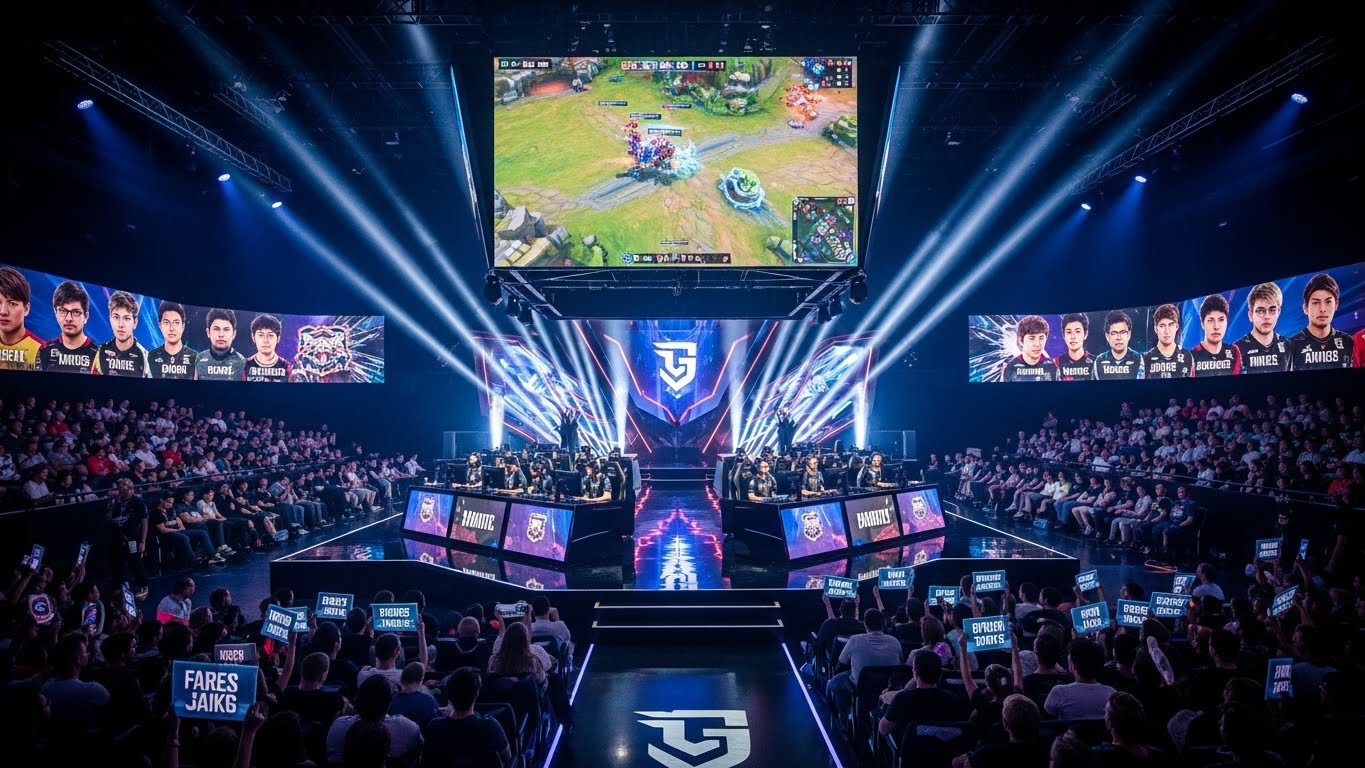
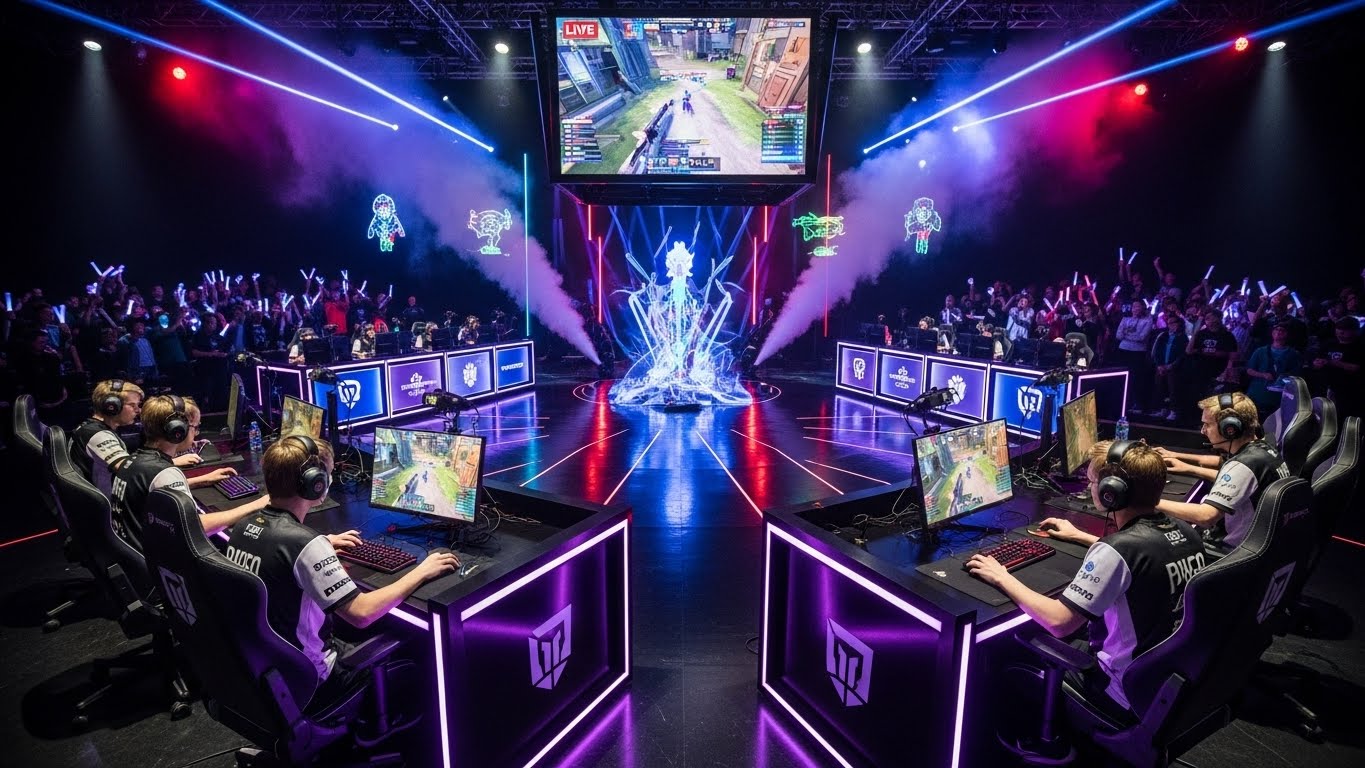
In the last two decades, esports has risen from the dimly lit corners of gaming cafes to the brightly illuminated stages of global arenas. What once was a niche pastime has now become a billion-dollar industry, complete with professional players, massive fan bases, and sponsorships rivaling those of traditional sports. The word “esports,” short for electronic sports, defines the world of competitive gaming where individuals or teams face off in video games for fame, fortune, and pride. It’s a world that merges technology, competition, and entertainment in a way that has captivated millions worldwide.
Unlike casual gaming, esports is a structured and organized competition that demands skill, strategy, teamwork, and an unshakable mindset. It is an ecosystem of players, coaches, analysts, broadcasters, organizers, and fans that mirrors the professional structures found in football, basketball, or cricket. As technology advances and gaming culture expands, esports has transcended digital boundaries to become a cultural and economic powerhouse that influences youth, business, and entertainment alike.
The Origins and Growth of Esports
The story of esports begins long before Twitch streams and gaming arenas. The earliest competitive gaming events can be traced back to the 1970s when the first known video game competition, a Spacewar tournament, was held at Stanford University. Participants competed for a subscription to a magazine—a humble prize compared to today’s million-dollar championships. However, this was the spark that ignited what would eventually become a global spectacle.
By the 1990s, gaming was no longer confined to arcades and university labs. The rise of personal computers and home consoles gave birth to larger gaming communities. Titles like Street Fighter II, Quake, and StarCraft paved the way for competitive gaming culture. The release of the internet revolutionized everything, allowing players to challenge opponents from across the world rather than just in local arcades.
The early 2000s saw esports begin to solidify as a professional pursuit. Tournaments like the World Cyber Games, Major League Gaming, and the Cyberathlete Professional League introduced structured competition and sponsorships. South Korea became a pioneer in professional esports with StarCraft: Brood War, turning players into national celebrities. By the 2010s, streaming platforms and social media accelerated esports into mainstream entertainment, allowing fans to watch their favorite teams and players live from anywhere.
The Key Games Defining Esports
Every sport has its legends, and esports has its defining games. Titles such as League of Legends, Dota 2, Counter-Strike: Global Offensive, Overwatch, and Fortnite have shaped the landscape of competitive gaming. Each game brings its unique mechanics, audience, and community.
League of Legends stands as one of the most successful esports titles, hosting annual world championships watched by millions. Its complexity and team-based strategies make it a test of intellect and reflex. Similarly, Dota 2 has achieved legendary status for its depth and for hosting The International, one of the biggest tournaments in the world with multi-million-dollar prize pools crowdfunded by its community.
Counter-Strike: Global Offensive, on the other hand, represents the essence of competitive shooters. Its simple yet demanding gameplay has made it a staple of the esports scene for over two decades. Overwatch brought a new layer of character diversity and teamwork, while Fortnite blurred the lines between entertainment and competition with its combination of building mechanics, survival gameplay, and celebrity collaborations.
The Business of Esports
The esports industry today is valued at billions of dollars, driven by sponsorships, advertising, media rights, and merchandise. Major corporations, from energy drink brands to automobile manufacturers, have invested heavily in esports, recognizing its potential to reach younger audiences. Streaming platforms such as Twitch and YouTube Gaming have further fueled growth, offering broadcasters a direct connection to fans.
Prize pools in esports tournaments can now surpass those of traditional sports events. Professional players earn salaries, endorsements, and streaming revenue. Organizations operate like traditional sports teams with managers, trainers, psychologists, and marketing departments. The audience is global, with millions tuning in live to watch intense matches, team rivalries, and emotional victories.
Franchise-based leagues have also become prominent. For example, some games introduced structured leagues with city-based teams, much like the NBA or NFL. This format has brought stability and legitimacy to the competitive scene, attracting mainstream investors and broadcasters. The integration of esports into traditional entertainment systems marks a shift in how people perceive digital competition.
Esports and the Players Behind the Screen
Behind every great esports team is a player whose story of dedication and perseverance mirrors that of athletes in traditional sports. Esports professionals undergo intense training schedules that can stretch up to ten hours a day. They focus on improving reaction times, mastering strategies, and maintaining mental resilience. Contrary to the old stereotype of gamers as isolated individuals, modern esports athletes must maintain teamwork, discipline, and communication.
Many players start young, often in their teenage years, and compete at the highest levels by the time they reach adulthood. Their careers, however, are often short due to the intense mental and physical demands of the field. Reflexes and concentration can decline with age, and many professionals retire in their mid-to-late twenties. After retiring, some transition to coaching, streaming, or commentary.
The emotional and psychological aspects of competitive gaming are equally important. Pressure from fans, expectations from sponsors, and the constant demand for performance can affect mental health. As a result, many organizations now include sports psychologists and wellness programs to support players. The emphasis on mental well-being has become a sign of esports’ growing maturity as an industry.
The Cultural Impact of Esports
Esports is not just about gaming; it is about community, identity, and creativity. The rise of esports has given birth to a global culture that celebrates digital achievement, collaboration, and innovation. Fans create art, memes, and cosplay inspired by their favorite players and games. Tournaments have become cultural festivals featuring live music, celebrity appearances, and fan interactions.
Furthermore, esports has redefined what it means to be an athlete or performer in the 21st century. It has challenged traditional notions of physicality and demonstrated that competition can exist beyond physical fields. The integration of esports into mainstream media—through documentaries, TV broadcasts, and even Olympic discussions—shows how deeply it has influenced modern culture.
Esports has also fostered inclusivity and diversity, though the industry continues to work toward better representation. Women, LGBTQ+ gamers, and players from various cultural backgrounds are gaining recognition in what was once a male-dominated space. Communities and tournaments dedicated to diversity have helped create a more welcoming environment for all gamers.
The Role of Technology in Esports
Technology is the backbone of esports. The rapid evolution of hardware, software, and internet infrastructure has made global competitions possible. High-performance gaming PCs, ultra-low-latency connections, and advanced peripherals have given players the tools to perform at their peak.
Streaming technology has been perhaps the most transformative. It allows millions to watch live matches with real-time commentary and interactive features. Virtual reality and augmented reality are now being explored as the next frontier, promising to make esports even more immersive.
Artificial intelligence and data analytics are also becoming vital tools in training and strategy. Teams use data-driven analysis to study opponents, track performance, and refine tactics. The integration of AI in game balancing, matchmaking, and broadcasting ensures fair play and engaging viewer experiences.
The Globalization of Esports
One of the most remarkable aspects of esports is its truly global nature. Unlike many traditional sports that are regional in origin, esports transcends borders effortlessly. Players from South Korea, China, Europe, and North America compete on equal ground. Emerging regions like Southeast Asia, Latin America, and the Middle East are rapidly becoming hotspots for talent and investment.
Events such as world championships bring together fans from every corner of the globe. The sense of unity and excitement shared by these fans is unparalleled. The international diversity of esports has made it a universal language that bridges cultural gaps and promotes global friendship through competition.
Governments and educational institutions have also recognized esports’ potential. Some countries now offer scholarships for esports players, and universities have established esports programs and degrees in game management, design, and marketing. This recognition further legitimizes esports as a profession and a subject of academic study.
Esports and the Future of Entertainment
The boundaries between gaming, sports, and entertainment are blurring rapidly. Esports has become a major part of the entertainment industry, with game developers designing titles specifically for competitive play. Collaborations between music artists, movie studios, and gaming franchises create immersive crossovers that attract millions of viewers.
Virtual concerts, interactive streams, and metaverse-like experiences are shaping the next phase of esports entertainment. Fans no longer just watch—they participate through live chats, digital avatars, and virtual events. Esports is evolving into a hybrid experience that merges performance, interactivity, and storytelling.
As virtual and augmented reality mature, the lines between player and spectator will continue to blur. Viewers might soon experience matches from within the game environment, choosing perspectives and engaging directly with players. Such innovations will make esports even more engaging and personalized.
Challenges and Controversies in Esports
Despite its rapid growth, esports faces challenges that must be addressed for sustainable progress. Issues such as player burnout, cheating, match-fixing, and inconsistent regulations pose ongoing threats. The lack of a universal governing body has led to differences in rules and standards across tournaments and regions.
Player welfare is another significant concern. The intense pressure, young age of competitors, and unstable career longevity require better support systems. Ensuring fair contracts, health benefits, and long-term career planning is essential.
Furthermore, online harassment and toxicity remain problems within gaming communities. Developers and organizations continue to implement moderation systems and awareness campaigns to promote respect and inclusivity.
The Economic and Social Influence of Esports
Esports has created a vast ecosystem of careers beyond playing. Event management, content creation, marketing, broadcasting, and game development all thrive within this expanding industry. Entire cities now host esports arenas, bringing economic benefits through tourism and business opportunities.
Socially, esports has fostered global connectivity. It has given people an avenue to form friendships across continents, collaborate on teams, and share cultural experiences through gaming. The sense of belonging within esports communities provides emotional support and creative inspiration for millions.
Education has also benefited. Schools are integrating esports clubs and programs to teach teamwork, leadership, and digital literacy. These skills are increasingly valuable in the modern world where technology drives almost every profession.
The Future of Esports
The future of esports looks brighter than ever. With continual innovation, expanding audiences, and increasing legitimacy, esports is on track to become one of the most influential sectors in global entertainment. The inclusion of esports in major multi-sport events, such as the Asian Games, hints at a future where digital competition stands alongside traditional athletics.
Advancements in technology will continue to reshape how esports is played and viewed. The emergence of artificial intelligence coaches, holographic events, and cloud-based gaming platforms will make esports even more accessible and dynamic. The industry’s adaptability ensures that it will remain relevant for generations to come.
Conclusion
Esports is more than a trend; it is a transformation of how humanity interacts, competes, and entertains itself in the digital age. From its humble beginnings in small tournaments to the massive stadium events of today, esports represents the power of technology and community coming together. It bridges cultures, inspires innovation, and redefines the limits of competition.
The story of esports is still being written, but its legacy is already undeniable. It stands as a symbol of progress—a world where anyone, regardless of background or location, can achieve greatness through skill, passion, and perseverance. In the coming years, esports will not just be a part of gaming; it will be a cornerstone of global culture, uniting millions under the banner of digital excellence and competitive spirit.