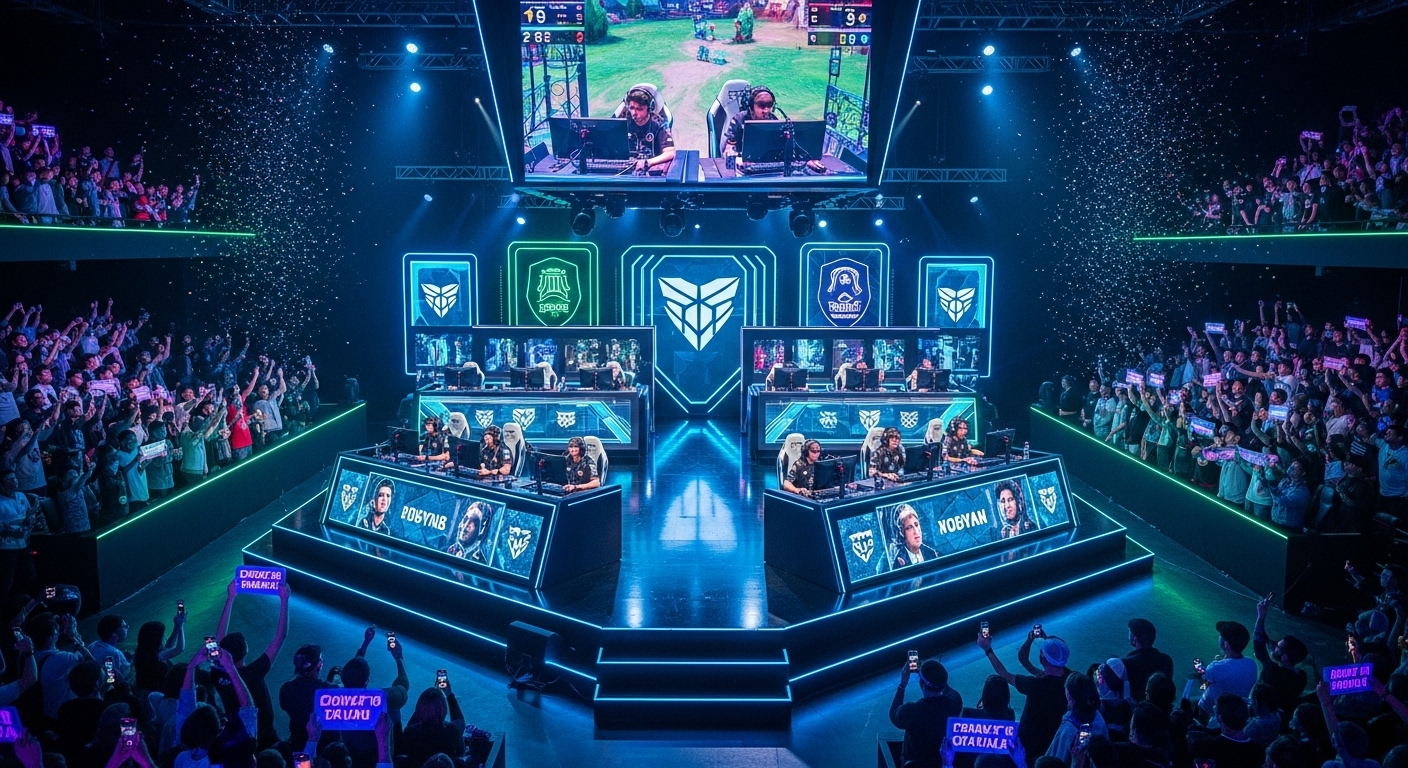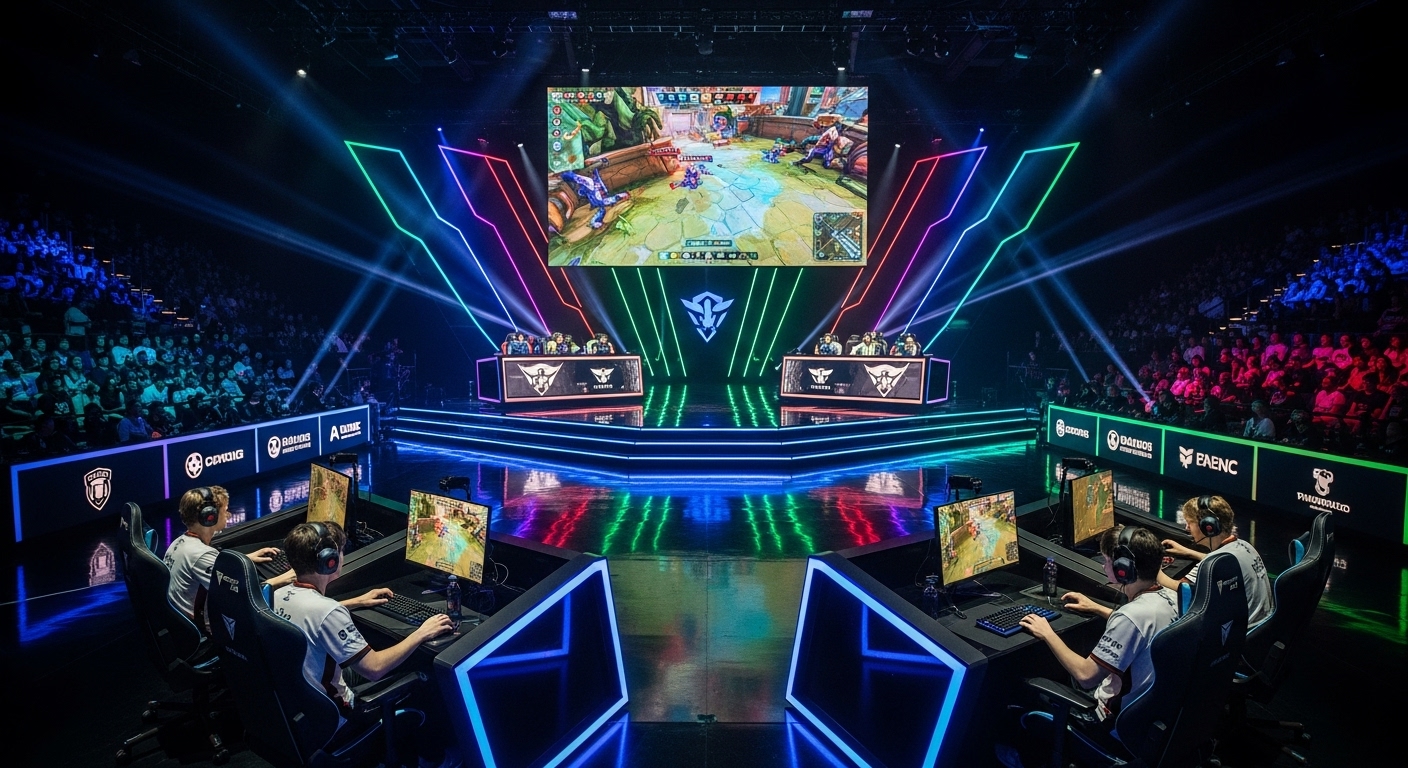






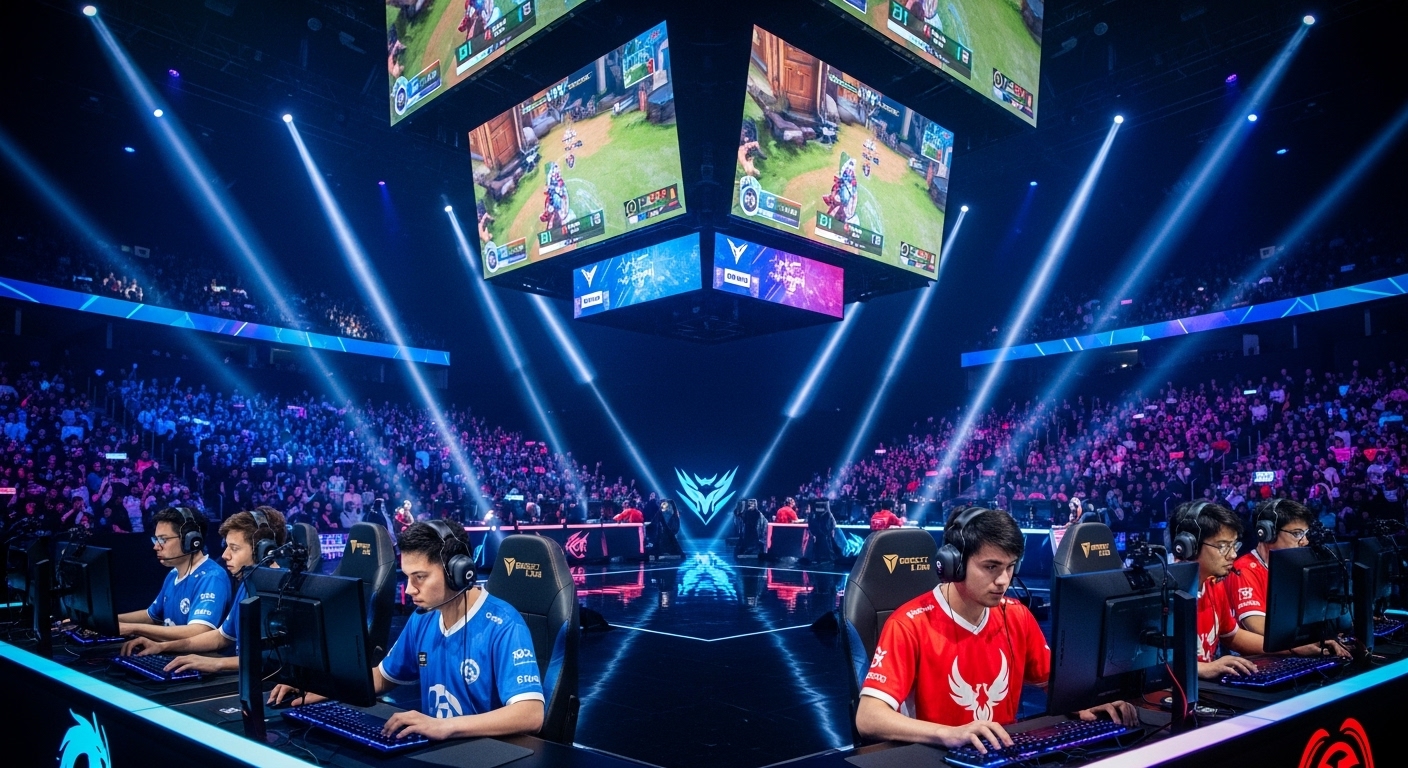
Esports, or electronic sports, is one of the fastest-growing entertainment industries globally. It combines the excitement of competitive gaming with the spectacle of traditional sports, offering a unique blend of skill, strategy, and entertainment. The evolution of esports over the past few decades has transformed it from a niche hobby to a multi-billion-dollar global industry. From humble beginnings in the late 1990s and early 2000s to the massive tournaments and professional leagues we see today, esports has had a profound impact on both the gaming world and broader entertainment culture.
In this blog post, we’ll explore the history of esports, its rapid growth, the rise of professional gaming, the impact of streaming platforms, and what the future holds for this dynamic industry.
The Birth of Esports: Early Beginnings
Esports traces its origins back to the early 1990s when competitive gaming was still in its infancy. While multiplayer gaming had existed since the early 80s, it wasn’t until the mid-90s that the concept of competitive video gaming began to take shape. The first major esports tournaments were local events, often held in arcades or small gaming clubs. Games like Street Fighter II and Doom became the foundation for competitive gaming, with players battling it out for bragging rights and modest prizes.
The late 90s saw the emergence of the first truly global esports tournaments, with StarCraft and Quake tournaments attracting players and spectators from around the world. The advent of the internet allowed players to compete in online tournaments, and with the growth of PC gaming and the launch of the first major online multiplayer games, the esports scene began to take shape.
In 1997, the Red Annihilation tournament for Quake became one of the first big esports competitions, featuring a prize of a Ferrari for the winner, signaling that esports was not just about fun—it was becoming big business.
The Rise of Professional Esports: 2000s to 2010s
The early 2000s marked a turning point for esports, as it transitioned from a grassroots movement to a more organized and professionalized scene. The release of Warcraft III and StarCraft II in the early 2000s ushered in a new era of esports, particularly in South Korea, where competitive gaming took on an entirely new level of popularity.
In South Korea, esports became a cultural phenomenon, with StarCraft tournaments being broadcast on national television. The government’s recognition of esports as a legitimate sport further contributed to the scene’s growth. The Korean esports ecosystem laid the foundation for the global esports industry, creating a model that other regions would eventually follow.
During the 2000s, key esports organizations began to emerge, including major tournament organizers like ESL (Electronic Sports League) and MLG (Major League Gaming). These organizations began hosting global tournaments, attracting professional players and sponsorship deals. Games like Counter-Strike, Warcraft III, and Dota 2 gained popularity, and professional players began to emerge as celebrities in their own right.
The 2010s saw esports explode onto the global stage. League of Legends, Dota 2, Counter-Strike: Global Offensive, and Overwatch became major titles in the esports ecosystem, with each game hosting multi-million-dollar tournaments and drawing millions of viewers. The creation of the League of Legends World Championship in 2011 marked a significant milestone in the professionalization of esports, with the 2013 event drawing over 30 million viewers globally.
The Role of Streaming Platforms in the Growth of Esports
One of the most important factors in the explosive growth of esports has been the rise of streaming platforms like Twitch and YouTube. These platforms allowed players, fans, and streamers to connect in new ways, providing a global stage for esports events and creating new career opportunities for gamers.
Twitch, founded in 2011, became the go-to platform for live-streaming esports competitions. It allowed players to showcase their skills in real-time, interact with their fans, and monetize their streams. Twitch’s partnership with major esports tournaments like League of Legends and Dota 2 further solidified its role as a key player in the esports ecosystem.
In addition to Twitch, YouTube also became an important platform for esports content, including game tutorials, highlights, and full match replays. YouTube’s vast global reach helped elevate esports to a broader audience, making it accessible to millions of viewers who might not have had access to traditional television broadcasts of esports events.
Streaming platforms also facilitated the rise of esports influencers and content creators. Many professional gamers transitioned into full-time streamers, building large fanbases and creating new revenue streams. Esports stars like Tyler “Ninja” Blevins, who became famous for his Fortnite streams on Twitch, transcended the gaming world and entered the mainstream entertainment industry.
The Globalization of Esports
Esports is no longer confined to a single region or a small group of dedicated fans. It has become a truly global phenomenon, with major tournaments taking place in cities around the world, attracting players and fans from every corner of the globe.
In addition to South Korea, North America and Europe became major esports hubs in the 2010s. The rise of esports organizations like Cloud9, Team Liquid, and Fnatic helped establish professional leagues and competitions in these regions. The introduction of franchise-based leagues, such as the Overwatch League and Call of Duty League, further solidified esports’ place in the global sporting landscape.
As the industry grew, sponsorships from global brands like Coca-Cola, Intel, and Mercedes-Benz began to flood the market. These sponsorships helped push the boundaries of what esports could achieve, providing funding for events, team organizations, and player development.
Esports also became a part of the mainstream media landscape. Major television networks like ESPN and Turner Broadcasting began airing esports events, bringing esports to millions of viewers who had never experienced competitive gaming before. This mainstream exposure helped break down the stigma that esports was just a niche hobby, elevating it to the status of a legitimate sport.
The Rise of Esports as a Career
One of the most significant developments in the world of esports is the emergence of professional gaming as a legitimate career path. Today, competitive gamers can earn substantial salaries, travel the world to compete in major tournaments, and gain sponsorship deals with top brands.
In the early days of esports, most players were amateurs, competing for small cash prizes or the thrill of victory. However, as the industry grew, esports became a full-time career for many. Professional players now receive salaries, benefits, and performance-based bonuses from their teams and sponsors. The prize pools for major tournaments like The International (Dota 2’s annual tournament) and League of Legends World Championship regularly reach tens of millions of dollars.
In addition to professional players, there are now a wide variety of career opportunities within the esports industry. Coaches, analysts, broadcasters, content creators, and event organizers have all become integral parts of the esports ecosystem. The rise of esports as a career has also led to the creation of educational programs and esports scholarships, giving young players the chance to turn their passion for gaming into a professional career.
The Impact of Esports on Traditional Sports
Esports has had a significant impact on traditional sports in several ways. First, esports has challenged the notion of what constitutes a “sport.” While physical prowess is central to many traditional sports, esports relies on mental agility, strategic thinking, and hand-eye coordination. This has led to a broader definition of what qualifies as a sport and has opened the door for new types of competitive events.
Esports has also introduced a new generation of fans to the concept of competition. Young viewers who may not be interested in traditional sports have found a home in esports, where they can engage with their favorite players and teams. As a result, esports has fostered a new form of community-building that is not limited by geography or physical ability.
Additionally, traditional sports organizations and athletes have recognized the growing influence of esports. Many sports teams have launched their own esports divisions, investing in professional gaming teams and even creating esports-specific facilities. High-profile athletes like Michael Jordan and Shaquille O’Neal have invested in esports ventures, further legitimizing the industry.
The Future of Esports: What’s Next?
The future of esports is incredibly bright, with continued growth expected across all areas of the industry. As technology continues to evolve, esports will become even more immersive and accessible. Virtual reality (VR) and augmented reality (AR) technologies have the potential to revolutionize how esports competitions are experienced, offering new forms of interaction and gameplay.
The increasing popularity of mobile gaming is also likely to play a significant role in the future of esports. Mobile games like PUBG Mobile and Call of Duty Mobile have already begun to see competitive play, and as mobile gaming continues to improve, esports on mobile devices could become a dominant force in the industry.
Additionally, esports’ integration into mainstream media is expected to expand. We could see more esports content on television, in movie theaters, and even in the Olympics. In fact, there have been discussions about adding esports as an official Olympic event, which could mark a monumental step in the acceptance of esports as a mainstream sport.
Conclusion
Esports has come a long way since its early days in the 1990s. Today, it is a global industry worth billions, with professional players, major tournaments, and an ever-growing fanbase. The rise of streaming platforms, the globalization of the scene, and the increasing recognition of esports as a legitimate career have all played a role in its success.
As esports continues to evolve, there’s no telling how far it will go. What’s certain, however, is that esports is here to stay and will only become more ingrained in global culture as technology and society continue to advance. Whether you’re a player, a fan, or someone who’s just beginning to explore the world of esports, the future looks incredibly promising for this dynamic industry.