





Esports has emerged as one of the most prominent and fastest-growing sectors in the world of entertainment, providing a new form of competition and fan engagement that transcends traditional sports. What was once a niche hobby for a small community of gamers has evolved into a massive industry, attracting millions of fans and generating billions of dollars in revenue. In this blog post, we will explore the rise of esports, its impact on the gaming world, the players, teams, and organizations that have helped shape its growth, and what the future holds for competitive gaming.
The Birth and Evolution of Esports
Esports, short for electronic sports, refers to organized, multiplayer video game competitions, particularly between professional players, individually or as teams. While video games have existed since the 1970s, competitive gaming, as we know it today, started to gain significant momentum in the late 1990s and early 2000s with the advent of games like StarCraft and Quake. These early tournaments, which were primarily organized through fan-run communities, laid the foundation for the massive esports ecosystem we see today.
In the beginning, esports was largely an underground phenomenon, fueled by dedicated fans and gamers who competed in LAN (local area network) tournaments or online multiplayer games. However, it wasn’t until the early 2010s that esports truly began to break into the mainstream. Games like League of Legends, Dota 2, Counter-Strike, and Overwatch helped bring esports to a global audience, with major tournaments and live-streamed events attracting viewers from all over the world.
The Impact of Streaming Platforms on Esports
A key factor in the rise of esports has been the development and growth of streaming platforms, particularly Twitch and YouTube Gaming. These platforms provided a way for gamers to broadcast their gameplay to a global audience, allowing esports events to be viewed live by millions of fans. Twitch, in particular, played a pivotal role in bringing competitive gaming to the mainstream. Founded in 2011, Twitch became the go-to platform for esports broadcasts, offering live streams of major tournaments, casual gaming streams, and even niche communities of players.
The rise of streaming allowed fans to not only watch esports events but also interact with players and commentators, creating a more engaging and immersive experience. Viewers could chat with other fans, follow their favorite streamers, and even donate to support their favorite players and teams. This level of engagement helped create a strong sense of community within the esports ecosystem, further solidifying the appeal of competitive gaming.
The Global Growth of Esports Organizations and Teams
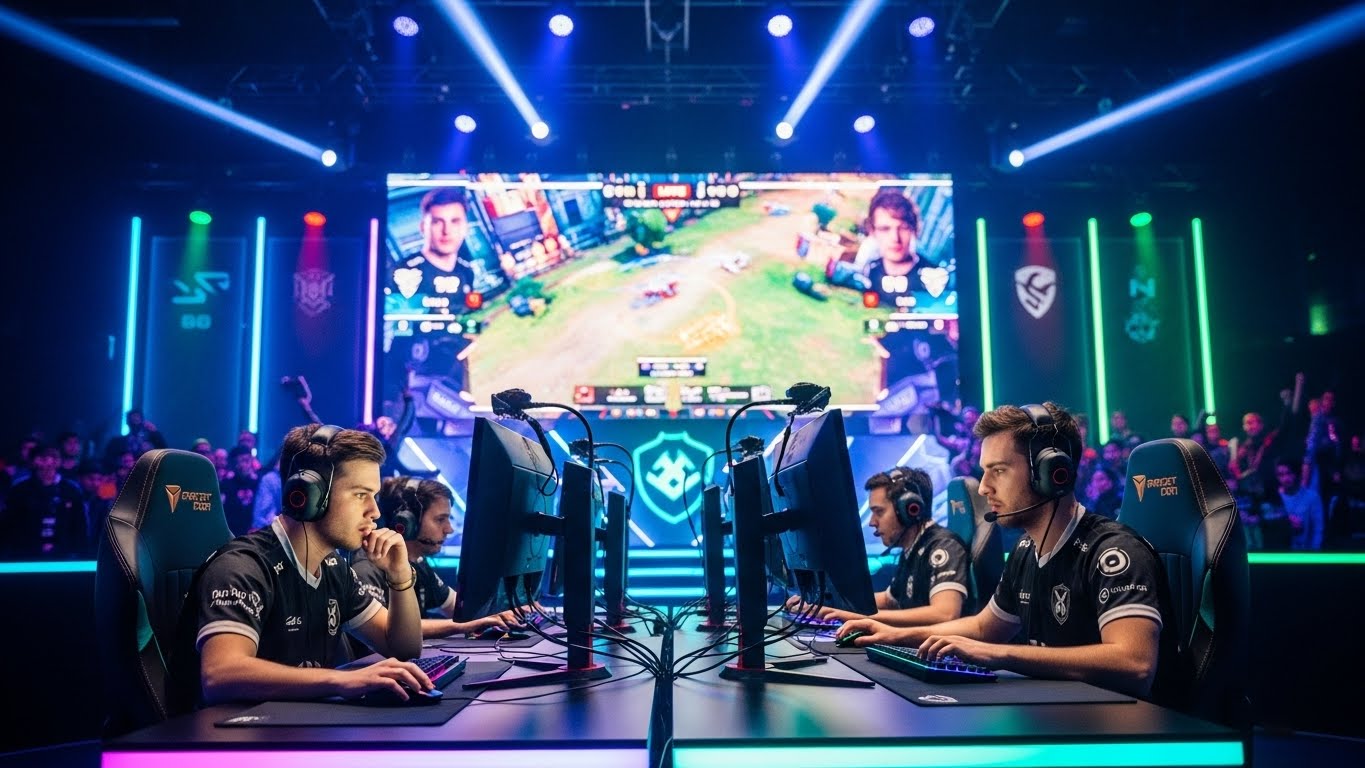
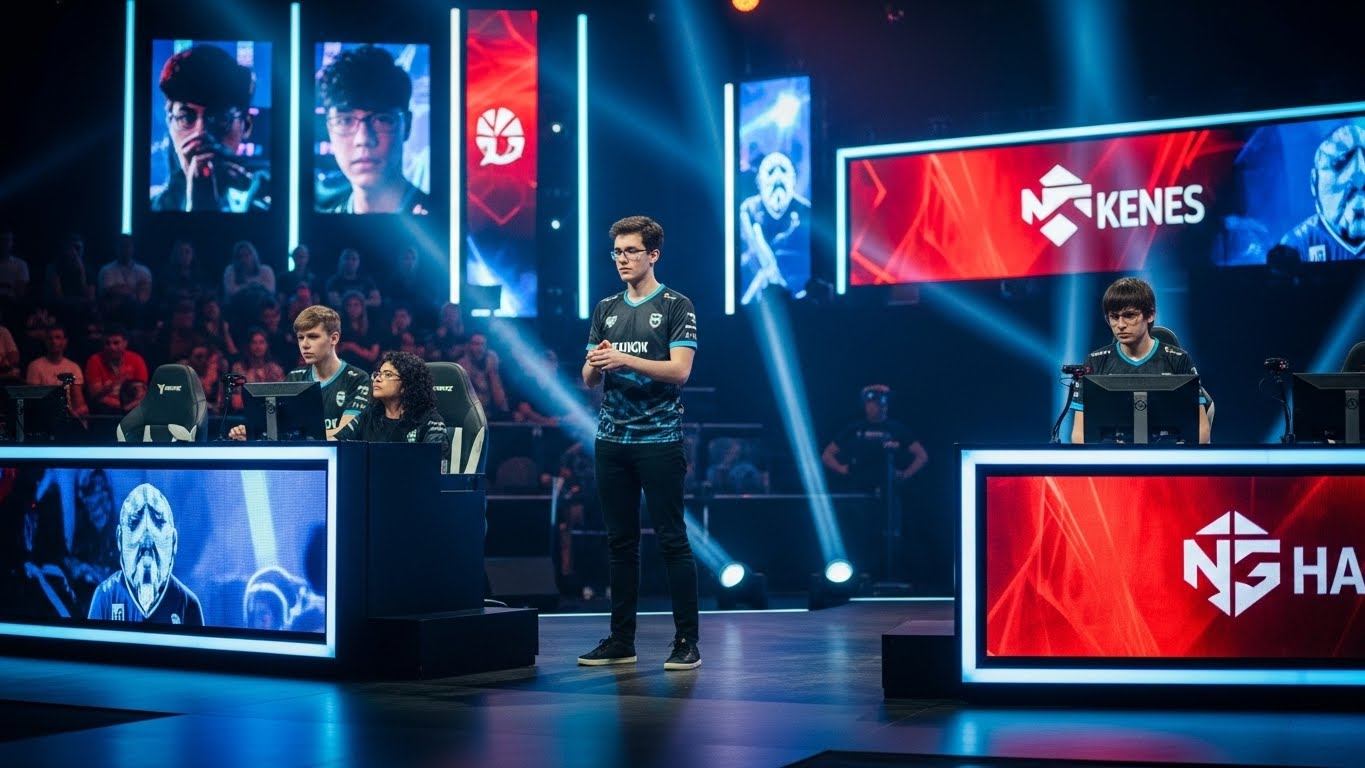
As esports gained traction, professional organizations and teams began to form, attracting sponsorships from major brands and corporate investors. These teams and organizations are now some of the most recognizable names in the gaming world, with players becoming household names in their own right. Teams like Cloud9, Fnatic, Team Liquid, and T1 have established themselves as powerhouses in games like League of Legends, Counter-Strike, and Valorant.
In addition to the core teams, esports organizations have expanded their operations to include management, coaching staff, analysts, and content creators who help build their brands and grow their fanbases. Many of these organizations have also diversified into other areas of gaming, such as content creation, merchandise, and even physical retail spaces. The investment in esports organizations has led to the creation of high-performance training facilities, creating a professional environment for players to hone their skills and compete at the highest level.
The Role of Sponsorships and Partnerships in Esports
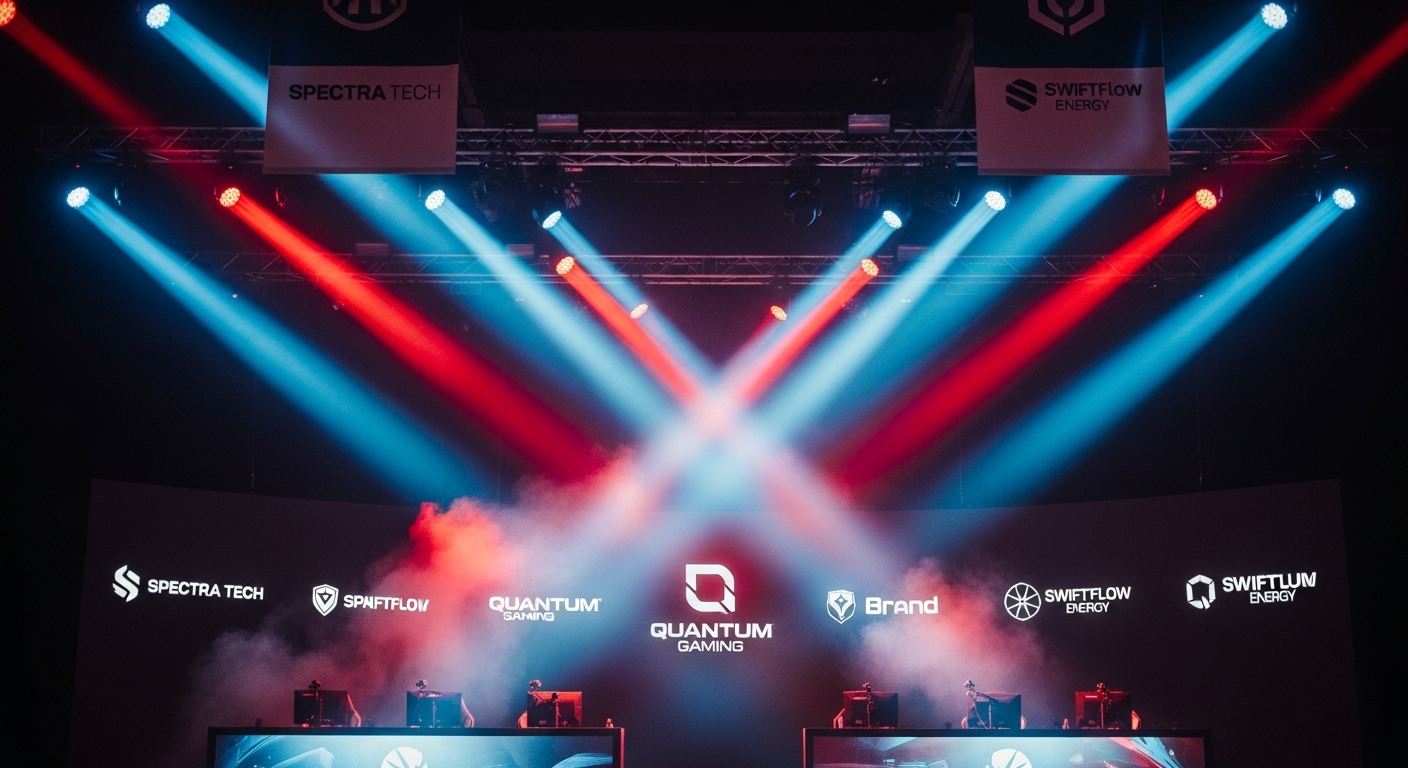
As esports continued to grow, it became clear that the industry had significant commercial potential. Major brands from outside the gaming world began to recognize the value in sponsoring esports tournaments, teams, and individual players. Companies such as Coca-Cola, Intel, Nike, and Mercedes-Benz are just a few of the many brands that have invested in the esports industry through sponsorships and partnerships.
These sponsorships have played a crucial role in driving the financial success of esports. They provide much-needed funding for tournaments, prize pools, and team salaries, while also helping to elevate the visibility of esports in mainstream media. Furthermore, they have contributed to the professionalization of the industry, allowing players and teams to focus on their gameplay while leaving business operations and sponsorship negotiations to dedicated professionals.
The Fan Experience and the Rise of Esports Viewership
The fan experience in esports is unique compared to traditional sports. While traditional sports fans may watch games in stadiums or on television, esports fans are more likely to engage with the action through digital platforms like Twitch, YouTube, or even social media. This digital-first approach has allowed esports to reach a much younger, tech-savvy audience that is comfortable with consuming content online.
One of the most significant aspects of the esports fan experience is the accessibility of the content. Fans can watch esports events from anywhere in the world, with live streams often offered in multiple languages and time zones to cater to a global audience. Additionally, fans can engage with players and teams on social media platforms like Twitter, Instagram, and Discord, allowing for a more personal connection to the players and their journeys.
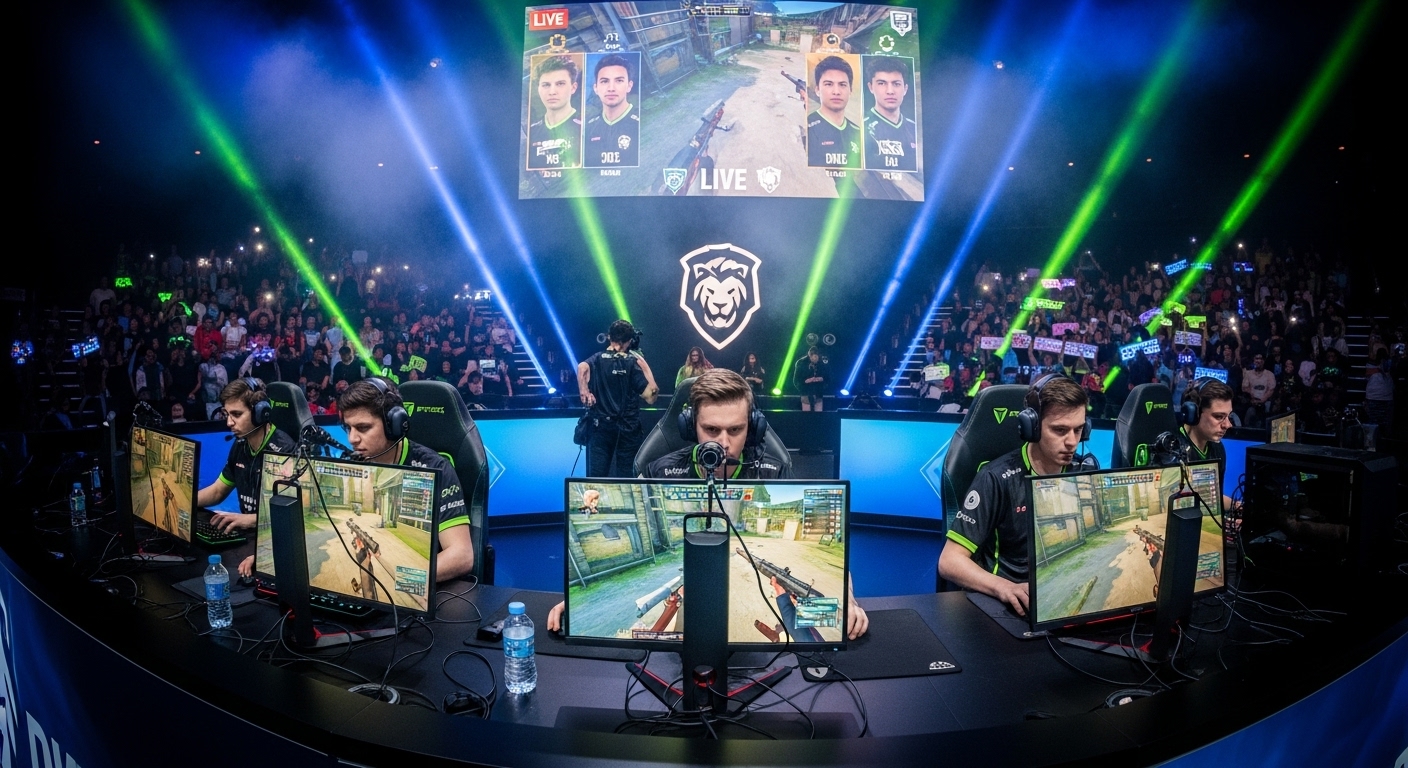
The rise of esports viewership has been nothing short of impressive. Major tournaments like The International (Dota 2), League of Legends World Championship, and CS:GO Majors regularly draw millions of viewers, with some events breaking records for the number of concurrent viewers. The growing popularity of esports has also led to the establishment of esports arenas and stadiums, where fans can attend live events and experience the action in person. These live events create an electrifying atmosphere, similar to traditional sports games, and offer fans the chance to meet their favorite players and teams.
The Future of Esports: What Lies Ahead?
The future of esports looks incredibly promising, with continued growth expected in both the competitive gaming scene and the broader esports ecosystem. As technology continues to evolve, esports will likely become even more immersive and accessible, with advancements in virtual reality (VR) and augmented reality (AR) potentially offering new ways for fans to engage with the action.
One of the most exciting prospects for the future of esports is the potential for esports to become an Olympic event. In recent years, there have been discussions about whether esports could be included in the Olympic Games, as competitive gaming has gained legitimacy as a sport. While there are still challenges to overcome in terms of governance, international recognition, and the definition of a “sport,” the inclusion of esports in the Olympics would be a significant milestone for the industry.
Furthermore, the rise of mobile gaming and cloud gaming could open up new avenues for esports competitions. Games like PUBG Mobile, Call of Duty Mobile, and Free Fire have already gained massive followings, and the ability to play these games on mobile devices means that competitive gaming could become more accessible to players from different parts of the world.
Conclusion
Esports has come a long way from its humble beginnings, evolving into a multi-billion-dollar industry that has changed the way we think about gaming and competition. With professional players, major tournaments, global fanbases, and lucrative sponsorship deals, esports has firmly established itself as a legitimate form of entertainment. As the industry continues to grow and innovate, it is clear that esports is here to stay, and it will be exciting to see where the future of competitive gaming takes us.
Esports is not just a trend; it’s a cultural phenomenon that is shaping the future of entertainment and sports. Whether you’re a casual viewer, a die-hard fan, or an aspiring professional player, the world of esports offers something for everyone. As the industry continues to expand, we can expect even more thrilling competitions, innovative technologies, and passionate communities that will make esports an integral part of our digital lives for years to come.