





Introduction
Esports, short for electronic sports, has transformed the world of gaming into a professional, competitive, and highly lucrative industry. Once considered a niche hobby for teenagers and young adults, esports now commands global audiences, attracts multimillion-dollar investments, and rivals traditional sports in terms of viewership and cultural significance.
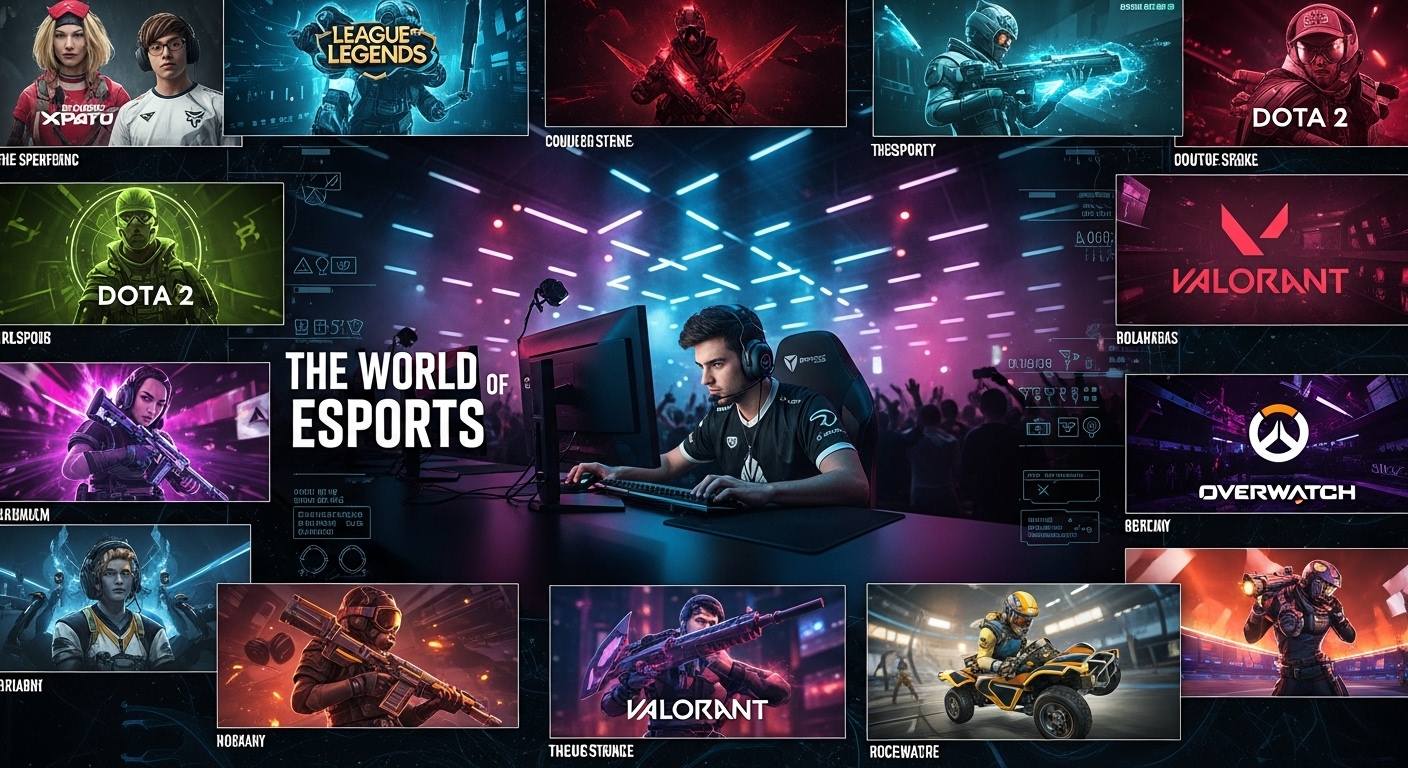
Competitive gaming is more than just pressing buttons on a controller. It demands strategy, teamwork, mental acuity, hand-eye coordination, and resilience under pressure. Games like League of Legends, Dota 2, Counter-Strike: Global Offensive, Fortnite, and Overwatch have not only created careers but also inspired global communities of fans who follow tournaments, watch live streams, and participate in online discussions.
This blog explores the rise of esports, the ecosystem supporting it, its cultural impact, major tournaments, technological innovations, challenges, and the future of this rapidly expanding industry.
The Origins of Esports
The roots of esports trace back several decades. In the 1970s and 1980s, arcade competitions were common, with players vying for high scores in games like Pong, Space Invaders, and Pac-Man. These competitions were often informal but fostered competitive spirit and a sense of community.
The 1990s saw the growth of networked PC gaming, which allowed players to compete over the internet. Titles like Quake and StarCraft pioneered competitive multiplayer gaming, where organized tournaments began to emerge. South Korea played a pivotal role in professionalizing esports, particularly through televised StarCraft competitions, turning skilled players into national celebrities.
By the early 2000s, esports had evolved into a more structured and organized industry. Teams were established, leagues began to operate, and media coverage grew, laying the foundation for the global esports ecosystem we recognize today.
The Esports Ecosystem
Esports is supported by a complex ecosystem that involves players, teams, leagues, tournaments, streaming platforms, sponsors, and fans. Each component plays a crucial role in sustaining the industry and driving growth.
Professional Players
Professional players are the backbone of esports. They dedicate thousands of hours to training, strategizing, and refining their skills. Success requires not only mechanical ability and reaction time but also critical thinking, communication, and teamwork. Many players begin their careers in their teens, committing to rigorous schedules that often mirror those of traditional athletes.
Teams and Organizations
Teams provide structure, coaching, and management support. Organizations like Cloud9, Team Liquid, and Fnatic have become household names in esports, nurturing talent, coordinating training schedules, and negotiating sponsorships. Teams also create content, interact with fans, and build a brand that extends beyond competitive play.
Leagues and Tournaments
Structured competitions are essential to esports. Leagues like the League of Legends Championship Series (LCS), Overwatch League, and Call of Duty League operate with seasonal schedules, playoffs, and championships.
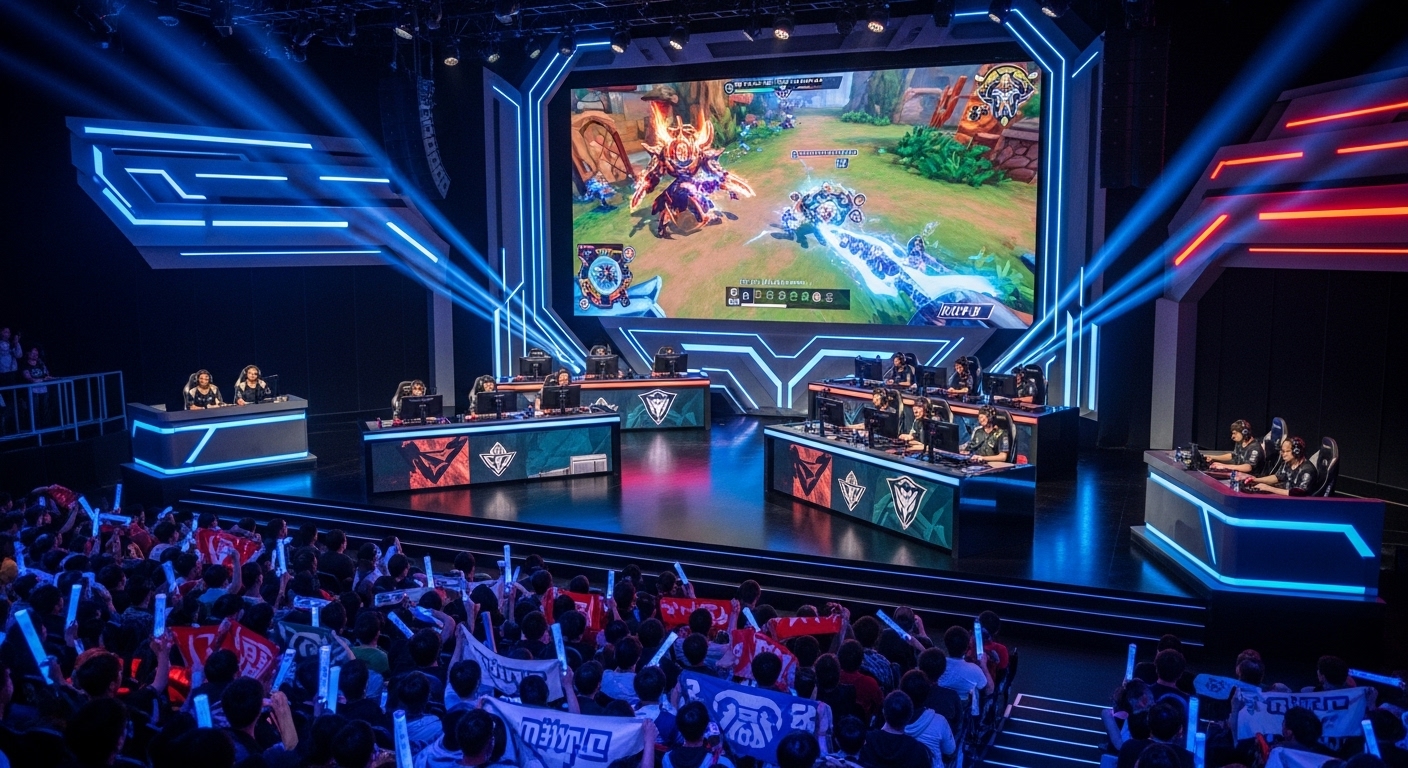
Tournaments, such as The International for Dota 2 or the Fortnite World Cup, feature massive prize pools and attract millions of viewers. These events combine live audiences with online streaming, creating an immersive experience for fans and players alike.
Streaming Platforms
Streaming platforms like Twitch, YouTube Gaming, and Trovo have transformed esports by providing real-time access to tournaments and gameplay. Fans can interact with players, participate in chats, and support content creators through subscriptions or donations. Streaming also allows players to build personal brands and reach audiences beyond competitive tournaments.
Sponsors and Commercial Partners
Sponsorships are a vital revenue source for esports. Companies in technology, fashion, beverage, and gaming invest heavily in players, teams, and tournaments. Sponsorships provide financial support, fund prize pools, and increase exposure, helping legitimize esports as a professional and mainstream industry.
Popular Esports Titles
Competitive gaming spans multiple genres, each with unique mechanics, communities, and competitive structures.
- League of Legends (LoL): A multiplayer online battle arena game emphasizing strategy, coordination, and fast decision-making. Its World Championship attracts millions of global viewers.
- Dota 2: Known for The International, which has some of the largest prize pools in esports history. Dota 2 combines tactical depth with precision gameplay.
- Counter-Strike: Global Offensive (CS:GO): A first-person shooter that relies on accuracy, communication, and tactical planning. Major tournaments attract massive audiences.
- Fortnite: A battle royale game combining shooting, building, and strategy. The Fortnite World Cup demonstrated the mainstream potential and appeal of esports.
- Overwatch: A team-based shooter with unique characters and strategic objectives, supported by professional leagues.
- Call of Duty: A competitive shooter with seasonal leagues and tournaments, drawing both casual and professional players.
Each game contributes to esports’ diversity, appealing to different player types and fan communities worldwide.
The Impact of Prize Pools
Prize pools are a major driver of competitive intensity in esports. Large financial rewards attract top talent, elevate the stakes of tournaments, and create prestige for both players and organizations.
The International for Dota 2 is a prime example, featuring prize pools that have exceeded forty million dollars. These figures attract global media coverage and encourage players to dedicate themselves fully to the sport. Beyond financial gain, winning prestigious tournaments also brings recognition, sponsorship opportunities, and long-term career benefits.
Esports as a Spectator Sport
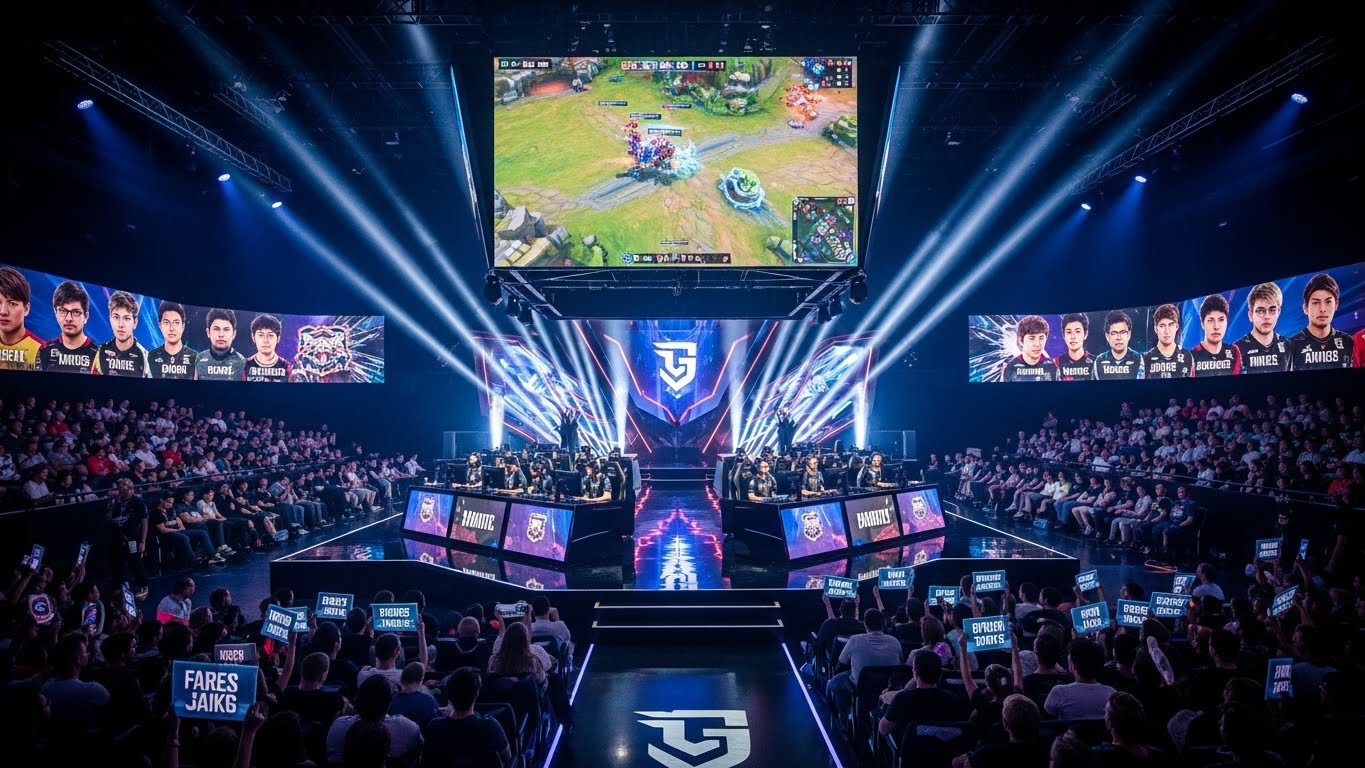
Esports is uniquely designed for spectatorship. Fans enjoy watching high-level strategy, quick decision-making, and intense competition. Professional commentary, live statistics, and dynamic visuals enhance the viewing experience, making esports accessible and exciting to both casual viewers and hardcore enthusiasts.
Live events in cities such as Seoul, Los Angeles, and Shanghai draw thousands of attendees. Meanwhile, millions more participate online via streaming platforms. The interactive nature of esports viewing allows fans to chat, share reactions, and engage with the community in ways that traditional sports cannot fully replicate.
Esports media has also expanded beyond live matches, with documentaries, analysis shows, and highlight reels providing insight into strategies, professional player lifestyles, and the culture surrounding competitive gaming.
Cultural Significance of Esports
Esports has redefined the perception of gaming, elevating it from a casual pastime to a professional pursuit and cultural phenomenon. Professional players are recognized as athletes, and esports stars often achieve fame comparable to traditional sports figures.
The industry has fostered global communities, connecting players and fans across borders. Competitive gaming transcends cultural and geographical boundaries, uniting individuals through shared experiences and common interests.
Esports has also influenced education and career development. Universities now offer esports programs, scholarships, and courses on game design, event management, and marketing, reflecting the legitimacy of gaming as a professional and academic pathway.
Furthermore, esports has sparked creativity and expression. Fans contribute through art, videos, memes, and commentary, creating a rich and interactive culture around games.
Technological Innovations in Esports
Technology has been a driving force behind the growth of esports. Advanced gaming hardware, cloud computing, high-speed internet, and virtual reality enhance gameplay and player engagement.
Artificial intelligence is increasingly used for coaching, strategy analysis, and detecting cheating or unfair play. Live streaming technology allows audiences to watch matches globally in real-time, while augmented reality and VR are beginning to offer more immersive viewing experiences.
Technological innovation also enables better tournament management, real-time statistics, and interactive fan experiences, ensuring esports remains at the forefront of digital entertainment.
Challenges Facing Esports
Despite rapid growth, esports faces challenges:
- Mental Health and Burnout: Intense schedules, travel, and competitive pressure can lead to stress and fatigue among players. Support systems and counseling are essential.
- Cheating and Integrity Issues: Online play is vulnerable to cheating, hacking, or unfair practices, requiring robust security measures.
- Diversity and Inclusion: The industry has historically struggled with gender representation and inclusivity, though initiatives are being implemented to address this.
- Financial Sustainability for Small Teams: While top-tier teams thrive, smaller organizations may struggle financially, emphasizing the need for a balanced ecosystem.
Addressing these challenges is vital for the credibility and long-term sustainability of esports.
The Future of Esports
The future of esports is promising and continues to evolve alongside technology. Virtual and augmented reality could create fully immersive experiences, allowing fans to feel like they are part of tournaments. Artificial intelligence may assist with coaching, predictive analytics, and personalized training programs for players.
Mobile esports is expanding rapidly, particularly in regions where PC or console access is limited. Hybrid events that combine traditional sports, esports, and entertainment experiences are likely to become more common.
Education and governmental recognition of esports as a legitimate career path will continue to expand, providing opportunities for professional growth and broader cultural acceptance.
With technological advancement, audience expansion, and global integration, esports is poised to become fully mainstream, shaping entertainment, media, and digital culture for decades to come.
Conclusion
Esports has evolved from a small-scale pastime into a global entertainment and cultural phenomenon. It has created careers, built communities, and influenced culture, technology, and education. Players, teams, leagues, streaming platforms, and sponsors together form a thriving ecosystem that drives innovation, engagement, and growth.
While challenges such as mental health, inclusivity, and financial sustainability remain, the momentum of esports is undeniable. It represents a new era of competition where skill, strategy, and teamwork are celebrated on a global stage.
Esports is more than gaming — it is a cultural movement, a professional industry, and a form of entertainment that connects millions of people worldwide. Its continued growth highlights human adaptability, creativity, and passion in the digital age.
The rise of esports reflects a shift in how people engage with competition and entertainment, ensuring that the industry will remain influential, dynamic, and innovative for years to come.