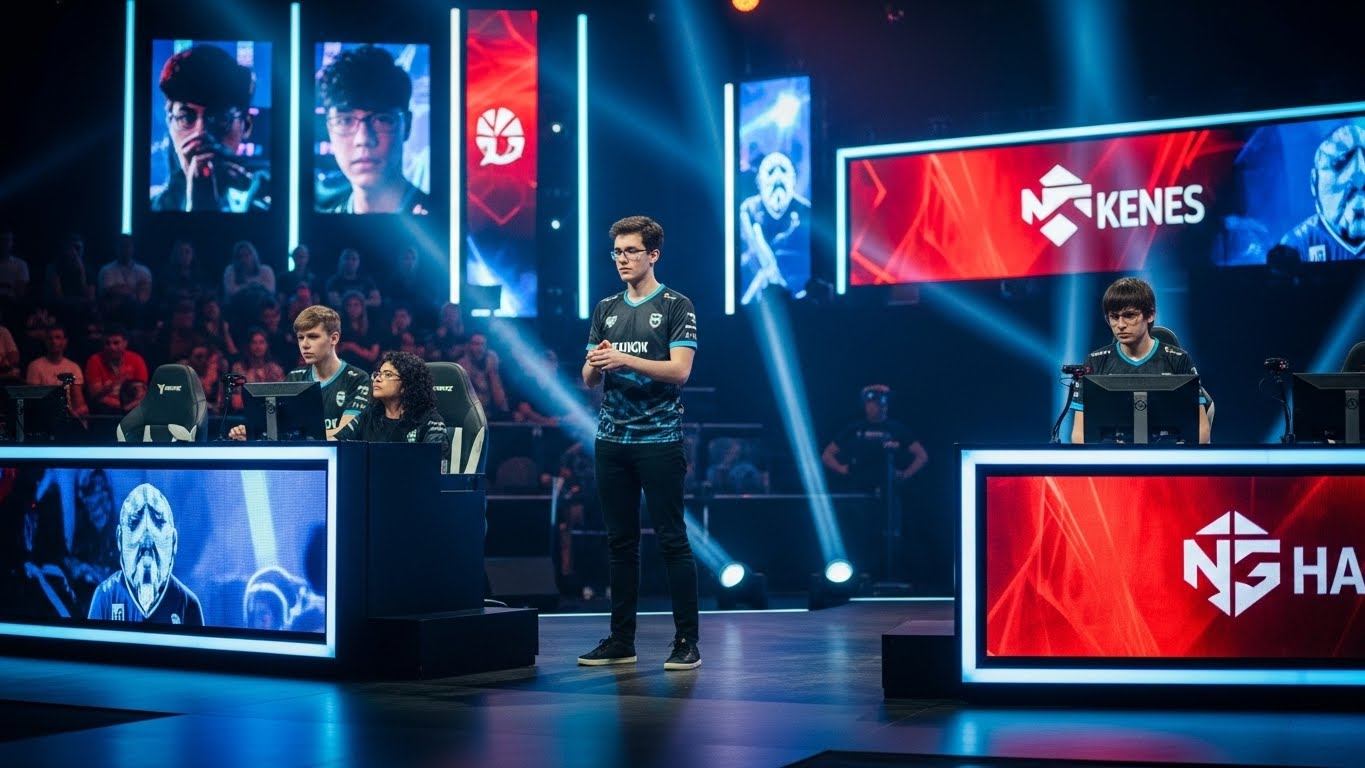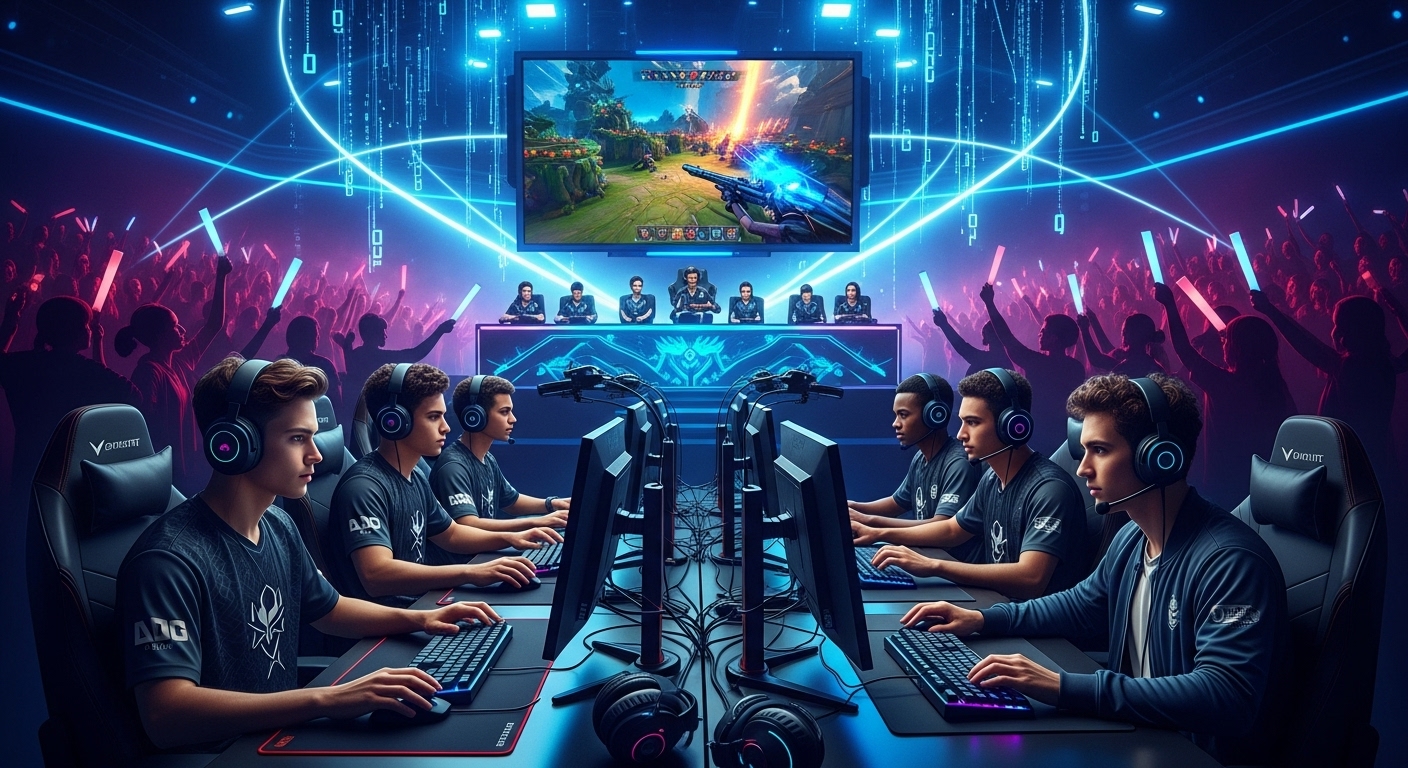






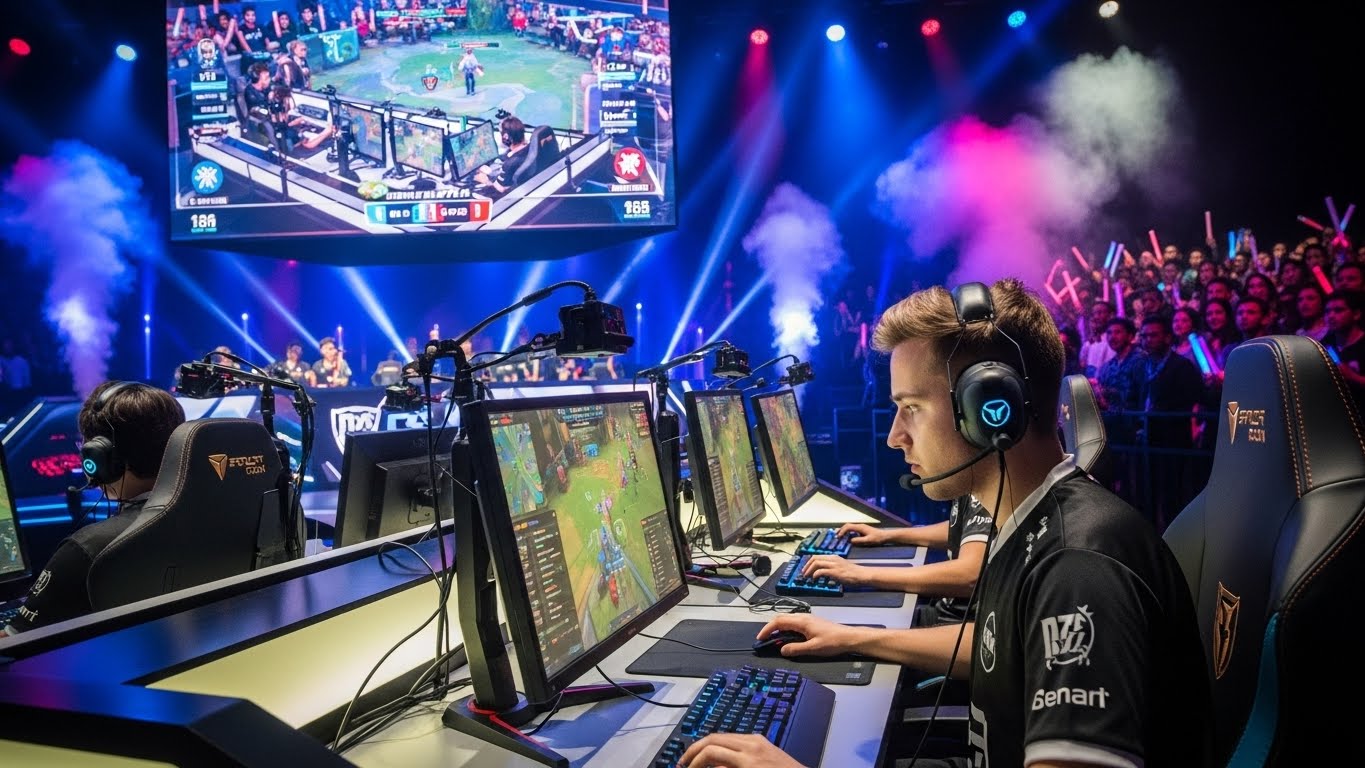
Esports, short for electronic sports, is no longer a niche hobby. It has become one of the fastest-growing industries in the world, capturing the attention of millions of viewers and players globally. The world of competitive gaming has evolved from local tournaments to a multi-billion-dollar industry, with professional teams, major sponsorships, and millions of fans. As technology continues to advance and gaming culture becomes more mainstream, esports is reshaping how we think about competition, entertainment, and even careers. In this blog post, we will explore the journey of esports, its current state, and where the industry is heading in the future.
The Humble Beginnings of Esports
The roots of esports can be traced back to the 1970s and 1980s when competitive video gaming started to emerge. The first known video game competition took place in 1972 at Stanford University for the game Spacewar. However, it wasn’t until the 1990s that esports truly began to take shape, with games like Doom and Warcraft introducing multiplayer modes and local tournaments. In 1997, the Red Annihilation tournament for Quake was one of the first major esports events that attracted attention from the global gaming community, helping to establish competitive gaming as a legitimate form of entertainment.
In the early 2000s, the rise of the internet and better broadband speeds allowed gamers from around the world to compete against each other in real-time. As online gaming platforms like Battle.net and Xbox Live became more popular, so did the idea of hosting large-scale tournaments. The first World Cyber Games in 2000 and the Electronic Sports World Cup in 2003 were milestones in the growth of esports, but it wasn’t until the late 2000s and early 2010s that the industry began to gain widespread recognition.
Esports Today: A Multi-Billion Dollar Industry
Fast forward to today, and esports is a global phenomenon. The rise of online streaming platforms such as Twitch, YouTube Gaming, and Facebook Gaming has allowed players to reach a massive global audience. In 2021, the esports industry was valued at over $1.1 billion, and that number is projected to grow substantially in the coming years. With millions of viewers tuning in to watch major tournaments for games like League of Legends, Dota 2, Counter-Strike: Global Offensive, and Fortnite, esports has become a mainstream form of entertainment.
The industry is now supported by a variety of revenue streams, including sponsorships, advertising, broadcasting rights, merchandise, and ticket sales. Corporate giants like Coca-Cola, Intel, and Mercedes-Benz have all invested in esports, further solidifying its place in the entertainment world. Esports tournaments, such as The International for Dota 2 and the League of Legends World Championship, offer prize pools that can exceed $40 million, attracting top-tier players from all corners of the globe.
The Growth of Esports Tournaments
Esports tournaments are a cornerstone of the industry. These events bring together the best players and teams from around the world to compete for significant prize money and global recognition. The format of these tournaments varies, but most follow a series of elimination rounds, leading to a grand final.
One of the most notable tournaments in the esports calendar is The International for Dota 2. Since its inception in 2011, the prize pool for The International has steadily increased, reaching an eye-watering $40 million in 2021. This tournament is considered the pinnacle of Dota 2 esports, with the best teams from around the world competing for both the championship title and life-changing sums of money.
Another massive event is the League of Legends World Championship, which has become one of the most-watched esports events globally. The championship finals consistently draw millions of viewers, both online and in-person, filling stadiums and arenas with fans eager to watch their favorite teams compete.
These tournaments have not only solidified esports as a professional sport but have also created a new generation of fans who view gaming as a legitimate form of competition.
The Professionalization of Esports
What sets esports apart from casual gaming is its level of professionalism. Competitive gamers are now recognized as athletes, and their careers are supported by professional organizations, coaches, analysts, and management teams. Esports teams operate similarly to traditional sports teams, with player contracts, sponsorship deals, and a support structure designed to help players perform at their best.
The Role of Esports Organizations
Esports organizations have played a crucial role in shaping the professional landscape. These organizations recruit top players, manage their contracts, and often provide resources like training facilities and coaches. They also negotiate sponsorships and media rights, ensuring that players and teams can focus on their performance while the organization handles the business side.
Some of the most well-known esports organizations include Team Liquid, Cloud9, FaZe Clan, and G2 Esports. These teams not only compete in top-tier esports tournaments but have also built strong brands with global followings. Their logos, players, and content are widely recognized in the gaming community, and they play an essential role in driving the popularity of esports.
As esports has grown, the number of professional leagues and events has also increased. Just as the NFL or NBA has a regular season and playoffs, esports now features structured leagues like the Overwatch League and Call of Duty League, where teams compete over several months before culminating in a grand final. These leagues are broadcast on television and online, and their matches attract significant viewership.
Players as Celebrities
Professional gamers have become celebrities in their own right. The likes of Faker (Lee Sang-hyeok) from League of Legends and Johan “N0tail” Sundstein from Dota 2 have amassed huge fanbases, often with millions of followers on social media platforms. These players are recognized not only for their skill but also for their ability to engage with fans and create content that resonates with their audience.
In many ways, professional gamers are now akin to athletes in traditional sports. They train for hours each day, refining their skills and strategies, and their performance on the big stage can result in lucrative endorsement deals, sponsorships, and media appearances. In fact, the highest-paid esports players have earned millions of dollars in salary and prize money throughout their careers, and many are able to leverage their fame to launch personal brands.
The Role of Streaming in Esports
One of the key drivers of esports’ growth has been the rise of live streaming platforms. Twitch, in particular, has become synonymous with esports, providing a platform for players to stream their gameplay and interact with their audience in real time. The live nature of these streams allows fans to feel a connection to their favorite players and teams, and it has become an integral part of the esports ecosystem.
Streaming has not only allowed professional players to build a fanbase but has also created opportunities for amateur players to rise to prominence. Aspiring gamers can broadcast their gameplay to a global audience, and if they garner enough attention, they can attract sponsorships, tournament invitations, and even join professional teams.
Platforms like YouTube Gaming and Facebook Gaming have also entered the space, providing additional avenues for players and teams to monetize their content. In fact, many professional esports players have made streaming a core part of their careers, creating consistent content for their audiences and earning a living through donations, ad revenue, and subscriptions.
Esports and Its Cultural Impact
Esports has not only changed the world of competitive gaming but has also had a significant cultural impact. It has brought gaming into the mainstream and helped shift the perception of video games from a solitary activity to a form of professional entertainment. No longer are gamers seen as “nerds” or “geeks”; they are now celebrated as elite athletes and influencers, with fans around the world.
Esports has also bridged the gap between traditional sports and gaming. The partnership between professional sports franchises and esports teams has become increasingly common, with sports teams such as FC Barcelona and Paris Saint-Germain fielding their own esports squads. This crossover has led to more recognition of esports as a legitimate form of entertainment.
Moreover, esports has also played a role in bringing together diverse communities. Unlike traditional sports, where physical attributes often play a significant role in success, esports is an inclusive space where skill and strategy take precedence. Players from all over the world, of different backgrounds and abilities, can compete on equal footing.
The Future of Esports: What’s Next?
The future of esports is incredibly promising, and the next decade could see even more incredible advancements. Esports will continue to evolve with the integration of emerging technologies such as virtual reality (VR) and augmented reality (AR), which could revolutionize how games are played and viewed. The experience of watching an esports event might soon be as immersive as actually playing the game.
Esports’ expansion into new markets and regions will also play a significant role in its future growth. While North America, Europe, and Asia are the primary regions for esports today, areas like Latin America, the Middle East, and Africa are beginning to embrace the competitive gaming scene, and this global expansion could unlock new fan bases and talent pools.
The integration of esports into education and mainstream culture is another exciting development. Many schools and universities are now offering esports scholarships and building dedicated gaming facilities. This could help nurture future professional players and support the overall growth of the industry.
Conclusion: Esports is Here to Stay
Esports is no longer just a passing trend; it is a global industry that continues to evolve, innovate, and captivate millions. From its humble beginnings as a hobby to its current status as a multi-billion-dollar entertainment juggernaut, esports has firmly established itself as a dominant force in the world of competition and entertainment.