





Introduction: The Rise of Esports
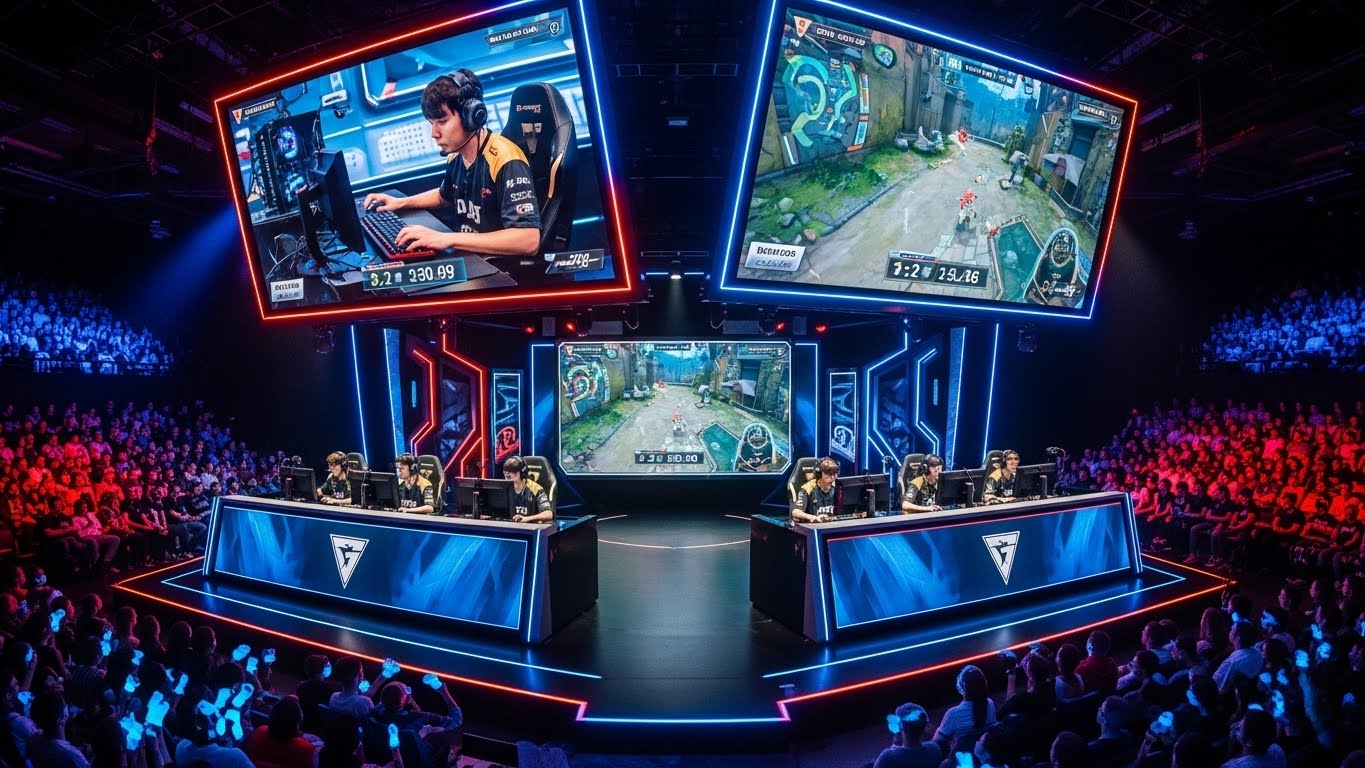
Esports, or competitive video gaming, has grown from a niche hobby into a global phenomenon in just a few decades. What was once a small community of passionate gamers competing in local tournaments has evolved into a billion-dollar industry with millions of fans worldwide. Esports is now recognized not only as a form of entertainment but also as a professional career path, a cultural movement, and a driving force in technology and media.
Unlike traditional sports, esports blends gaming, technology, and online connectivity, creating a dynamic environment where players, developers, and audiences interact in real time. Its growth reflects broader trends in digital entertainment and global connectivity, marking esports as one of the defining features of modern culture.
Understanding Esports
At its core, esports is organized competitive gaming. It encompasses a variety of video games, ranging from first-person shooters and real-time strategy games to multiplayer online battle arenas and sports simulations. Players compete individually or as teams in tournaments, leagues, or online competitions, often for substantial prizes, sponsorships, and professional recognition.
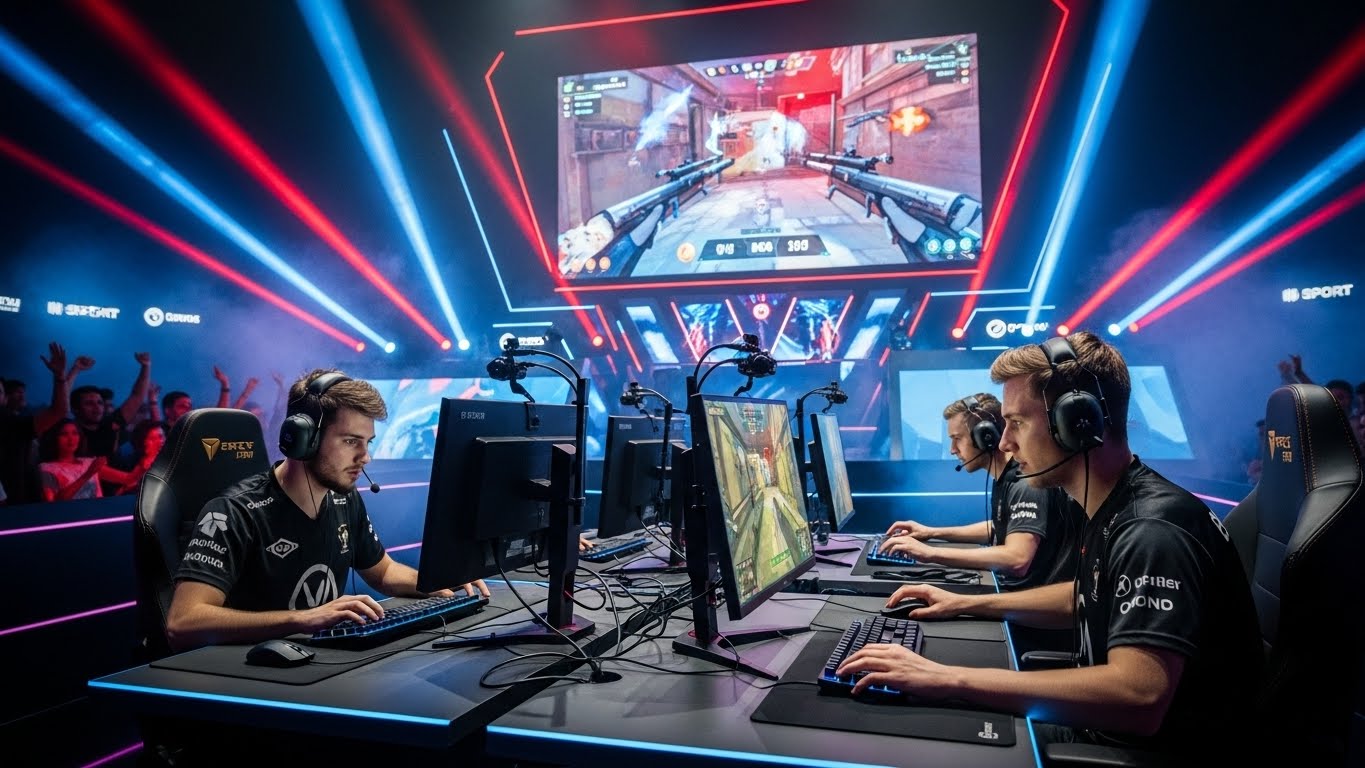
Esports differs from casual gaming in its structured environment, competitive rules, and emphasis on skill, strategy, and teamwork. Professional esports players dedicate hours to training, analyzing gameplay, and improving reflexes, much like traditional athletes. The professionalization of esports has led to organized leagues, sponsorship deals, and global fan engagement, solidifying its place as a mainstream form of competition.
Popular Esports Games and Genres
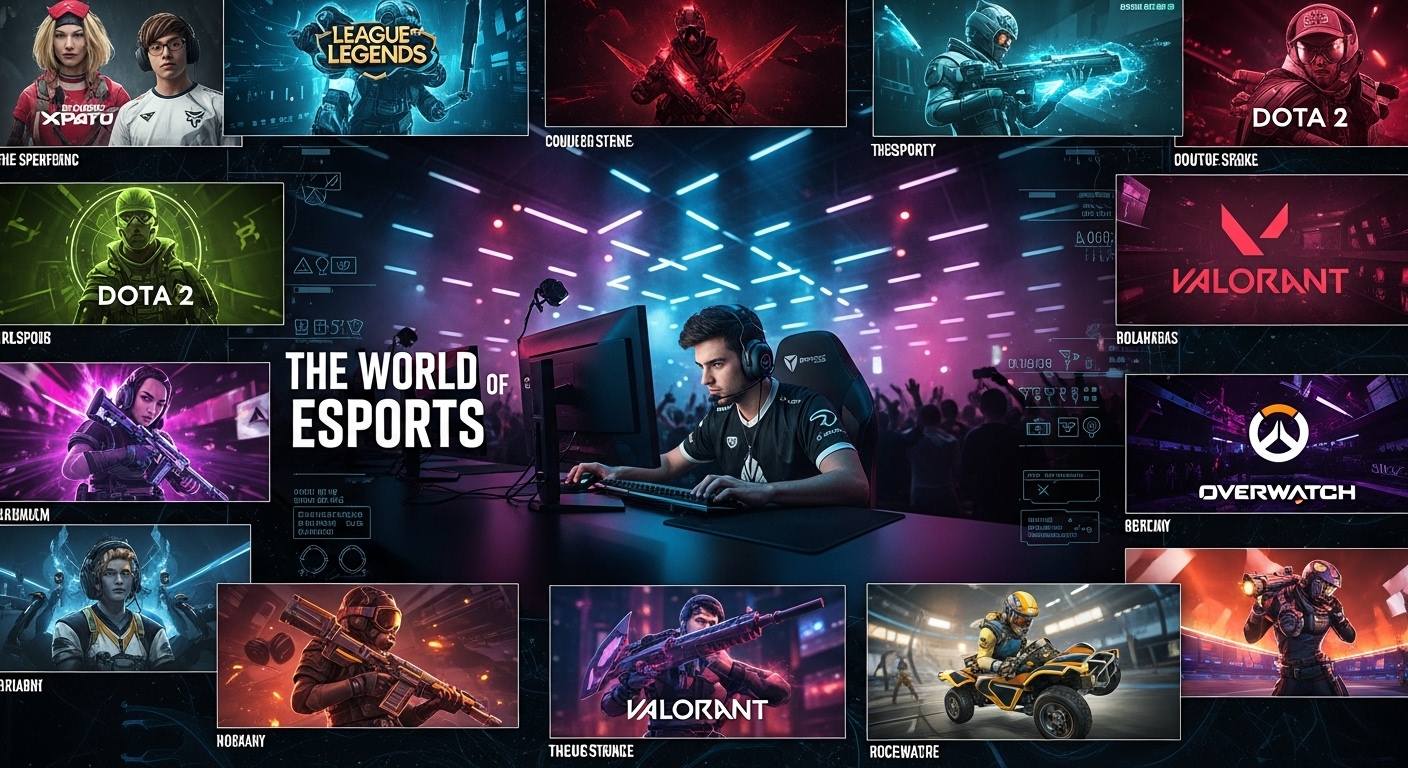
Esports includes a wide variety of games, each with its own community, competitive scene, and gameplay style. Some of the most popular genres include:
- First-Person Shooters (FPS): Games like Counter-Strike: Global Offensive and Call of Duty focus on precision, strategy, and teamwork.
- Multiplayer Online Battle Arenas (MOBA): Titles like League of Legends and Dota 2 emphasize team strategy, quick decision-making, and coordinated plays.
- Sports Simulations: Games such as FIFA and NBA 2K replicate real-world sports, allowing players to compete in virtual leagues.
- Battle Royale Games: Fortnite and PUBG combine survival, strategy, and skill in large-scale multiplayer environments.
Each genre offers unique challenges and appeals to different audiences, contributing to the diversity and broad appeal of esports as a global phenomenon.
The Economics of Esports
Esports is a major economic driver in the entertainment and gaming industry. Revenue comes from multiple sources, including tournament prize pools, sponsorship deals, media rights, merchandise, and streaming platforms. Top esports tournaments now offer prize pools in the millions, attracting the best players and teams from around the world.
Professional esports organizations operate similarly to traditional sports franchises, managing teams, marketing, branding, and fan engagement. Sponsorship from major global brands, including technology companies, energy drinks, and apparel manufacturers, has further fueled the industry’s growth. The economics of esports demonstrate its significance not only as entertainment but also as a sustainable and profitable industry.
Esports as a Career
Esports has created new professional opportunities that were unimaginable a decade ago. Players, coaches, analysts, commentators, and content creators all contribute to the ecosystem. Professional players often train for several hours a day, analyzing strategies, practicing skills, and participating in competitions. Successful players can earn substantial salaries, sponsorships, and prize money, making competitive gaming a legitimate career path.
Beyond players, careers in esports extend to team management, marketing, event organization, and broadcasting. Streaming platforms, in particular, have created new income opportunities for influencers and content creators who engage with fans and provide entertainment beyond formal competitions. Esports is now a multi-faceted industry offering diverse career prospects for passionate individuals.
The Role of Streaming Platforms
Streaming platforms have played a pivotal role in the growth of esports. Platforms like Twitch, YouTube Gaming, and Facebook Gaming allow fans to watch live competitions, follow favorite players, and interact with communities in real time. The ability to stream gameplay has democratized content creation, giving both professional and amateur players a platform to showcase their skills and build audiences.
Streaming also enhances fan engagement by enabling interactive features, such as chat rooms, live polls, and subscriber perks. Fans no longer just watch—they participate, comment, and influence the gaming experience. This interactivity sets esports apart from traditional sports and fosters a strong sense of community among viewers and players alike.
Esports and Global Culture
Esports is a global cultural phenomenon, uniting players and fans across borders. International tournaments attract viewers from around the world, creating shared experiences and fostering cross-cultural interactions. Major events like the League of Legends World Championship and The International in Dota 2 draw millions of live viewers, rivaling traditional sports in audience size.
The global nature of esports has also influenced fashion, music, and entertainment. Merchandise, themed events, and collaborations with popular brands blur the lines between gaming and mainstream culture. Esports has become a platform where digital culture and youth trends intersect, shaping the way a generation consumes media and entertainment.
Training, Strategy, and Skill in Esports
Competitive gaming is not just about fast reflexes; it requires strategic thinking, communication, and teamwork. Professional esports players spend countless hours analyzing opponents, developing strategies, and refining their skills. Team-based games demand coordination, adaptability, and effective communication, while individual competitions focus on precision, timing, and mental resilience.
The level of preparation and discipline in esports rivals that of traditional sports. Mental stamina, focus, and adaptability are crucial for success, and many professional teams employ coaches, psychologists, and analysts to maximize performance. Esports is a complex blend of skill, strategy, and dedication that challenges both mind and body.
Esports and Technology
Technology is at the heart of esports. High-performance computers, gaming consoles, fast internet connections, and advanced peripherals all contribute to competitive performance. Innovations in graphics, virtual reality, and streaming technology enhance both gameplay and spectator experiences.
Artificial intelligence and data analytics play an increasingly important role in esports training and strategy. Players and teams use AI-driven tools to analyze gameplay, identify patterns, and optimize strategies. Technology not only enables the creation of competitive environments but also drives innovation in how esports is experienced by both players and fans.
The Social Aspect of Esports
Esports fosters a strong sense of community and social interaction. Online forums, fan groups, and streaming platforms allow players and fans to connect, share experiences, and engage in discussions. Multiplayer games encourage collaboration, teamwork, and social interaction, bridging gaps between individuals across the world.
For many, esports is more than a hobby—it is a social platform where friendships are formed, skills are shared, and communities are built. The sense of belonging and shared passion strengthens engagement and reinforces the cultural significance of esports as a social phenomenon.
Challenges Facing the Esports Industry
Despite its rapid growth, esports faces challenges. Regulatory concerns, issues of fairness, online harassment, and mental health risks are ongoing issues. Maintaining competitive integrity, ensuring player welfare, and addressing burnout are critical for the long-term sustainability of the industry.
Monetization and accessibility are also challenges. While major leagues and tournaments generate significant revenue, smaller teams and amateur players often struggle to sustain themselves. Ensuring that esports remains inclusive, fair, and balanced is essential for its continued growth and global appeal.
The Future of Esports
The future of esports is bright, with technological advancements, growing audiences, and increasing professionalization driving its evolution. Virtual reality, augmented reality, and AI are expected to create more immersive and interactive experiences. Expanding global access will bring new players and audiences into the esports ecosystem.
Esports is likely to continue integrating with mainstream entertainment, including music, film, and fashion, creating hybrid experiences that appeal to diverse audiences. As professionalization deepens, esports will not only grow as a competitive arena but also as a cultural and technological force shaping the future of entertainment.
Conclusion: Esports as a Transformative Force
Esports has transformed the way people perceive gaming, competition, and entertainment. It has evolved from a niche pastime into a global industry, creating professional careers, shaping culture, and driving technological innovation. With its combination of skill, strategy, community, and entertainment, esports continues to redefine the boundaries of digital play.
As audiences grow, technology advances, and professional structures solidify, esports will remain at the forefront of entertainment and digital culture. Its impact extends beyond games—it influences media, culture, social interaction, and even education. In the modern era, esports is more than just gaming; it is a transformative phenomenon shaping the future of entertainment worldwide.