





Introduction
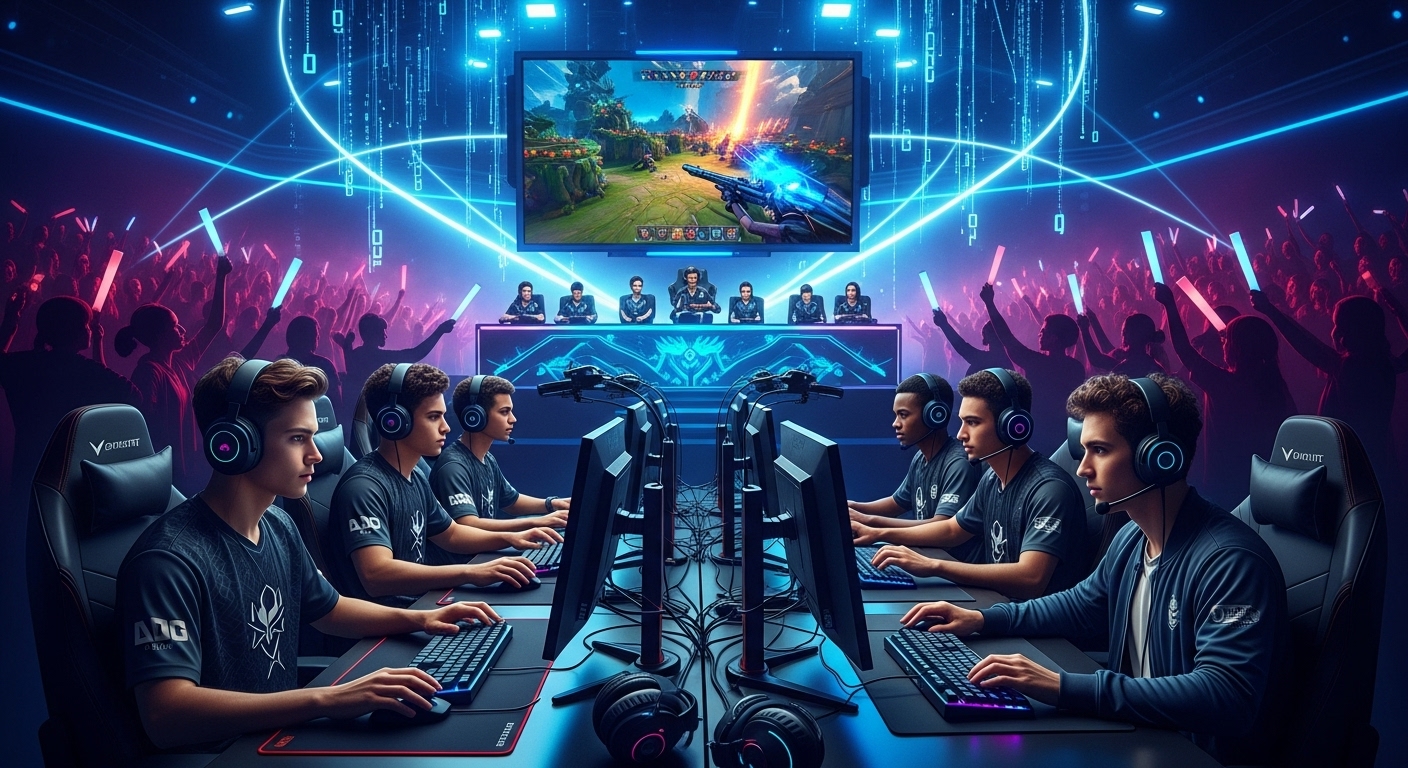
Over the past few decades, the landscape of entertainment and sports has undergone a transformation unlike anything seen before. What once began as a niche hobby has now evolved into a multi-billion-dollar global phenomenon known as esports. Short for electronic sports, esports represents the competitive and organized form of video gaming where individuals or teams battle each other in various virtual arenas for glory, fame, and prize money. This modern-day spectacle combines skill, strategy, technology, and community in a way that has captivated millions of fans across the world. The rise of esports is not just about playing video games—it’s about redefining what it means to be an athlete, how audiences consume entertainment, and how technology continues to shape our cultural experiences.
The Origins of Esports
The concept of competitive gaming is not new. Its roots trace back to the early 1970s when video games were first introduced to arcades and home consoles. One of the first recorded video game competitions took place at Stanford University in 1972, where students played “Spacewar!” for a year’s subscription to a magazine. Though this event might seem trivial by today’s standards, it marked the birth of organized gaming competitions.
The 1980s brought a new wave of excitement to gaming as arcades flourished and titles like “Pac-Man,” “Donkey Kong,” and “Space Invaders” became household names. In 1980, Atari hosted the “Space Invaders Championship,” attracting over ten thousand participants and sparking a competitive spirit among gamers. However, it wasn’t until the 1990s, with the rise of personal computers and local area network (LAN) gaming, that esports began to take shape as a serious pursuit. Games like “Doom,” “Quake,” and “StarCraft” introduced the idea of multiplayer gaming on a larger scale, allowing players to face opponents across the world.
The Birth of Modern Esports
The late 1990s and early 2000s marked the true beginning of modern esports. The internet revolutionized the way games were played and connected people globally. Titles like “Counter-Strike,” “Warcraft III,” and “StarCraft: Brood War” became the backbone of early esports competitions. South Korea, in particular, emerged as a powerhouse in the esports scene. The country embraced professional gaming to the point where esports players became celebrities, and dedicated gaming television channels broadcast live matches to millions of viewers.
As broadband internet became more accessible, competitive gaming began spreading beyond Asia. The formation of international tournaments like the World Cyber Games (WCG), the Cyberathlete Professional League (CPL), and the Electronic Sports World Cup (ESWC) gave players from all corners of the globe the opportunity to compete on the world stage. The professionalization of esports had begun, and with it came sponsorships, team organizations, and fan followings that rivaled those of traditional sports.
The Rise of Streaming and Digital Platforms
A significant factor that propelled esports into the mainstream was the rise of digital streaming platforms. Before streaming, watching esports was limited to live events or recorded broadcasts. The introduction of platforms like Twitch and YouTube Gaming changed everything. Suddenly, millions of people could tune in to watch their favorite players and teams compete from anywhere in the world.
This accessibility turned esports into a spectator sport on par with football or basketball. Fans could interact with streamers in real-time, forming communities that blurred the line between player and audience. Streamers became influencers, and professional players gained recognition as celebrities with massive fan bases. The esports ecosystem began thriving not only on competition but also on content creation, branding, and audience engagement.
Esports Titles That Defined Generations
Several iconic games have shaped the history of esports. Each one contributed uniquely to its evolution and helped define different eras of competitive gaming.
“Counter-Strike” became synonymous with team-based tactical shooters. Since its early versions in the 2000s to “Counter-Strike: Global Offensive,” it has remained one of the most enduring and respected competitive games. The combination of teamwork, precision, and strategy made it a cornerstone of esports tournaments.
“StarCraft” and its sequel “StarCraft II” dominated the strategy game scene, especially in South Korea, where players like Flash and Jaedong became legends. The game’s balance and depth turned it into a test of mental agility and reflexes.
“Dota 2” and “League of Legends” introduced the Multiplayer Online Battle Arena (MOBA) genre to mainstream audiences. These games combined strategy, teamwork, and fast-paced action, creating some of the most intense and watched tournaments in esports history. The International, Dota 2’s premier event, became famous for its record-breaking prize pools, often reaching tens of millions of dollars.
Meanwhile, games like “Overwatch,” “Fortnite,” and “Valorant” continued pushing boundaries, blending genres and attracting younger audiences. Each title added to the expanding diversity of esports, ensuring that there was something for every type of gamer and viewer.
Professionalism and Esports Organizations
As esports grew, so did its structure and organization. Teams began operating like traditional sports clubs, complete with coaches, analysts, managers, and marketing staff. Well-known organizations such as Team Liquid, Fnatic, Cloud9, and T1 built empires around competitive gaming. These organizations not only trained players but also developed brand identities, merchandise lines, and loyal fanbases.
Professional players started signing contracts, earning salaries, and securing sponsorship deals from major global companies. Brands that once ignored gaming, such as automobile manufacturers, energy drink companies, and even luxury labels, began investing in esports. The financial landscape of competitive gaming changed drastically as tournaments offered multi-million-dollar prize pools and streaming deals brought in additional revenue streams.
Esports as a Career Path
What was once dismissed as a hobby is now a viable career path for thousands of young people worldwide. Professional players earn salaries, participate in sponsored events, and even appear in commercials and documentaries. Beyond players, esports offers career opportunities in commentary, event organization, marketing, journalism, coaching, and production. Universities around the world have started offering esports scholarships, recognizing the discipline, teamwork, and analytical thinking involved in professional gaming.
However, the road to success in esports is not easy. Like any sport, it requires countless hours of practice, mental resilience, and dedication. The competition is fierce, and careers can be short-lived due to the fast-paced nature of the gaming industry. Despite these challenges, the dream of becoming a professional gamer continues to inspire millions.
The Global Impact of Esports
Esports has had a profound influence on global culture. It has unified people across different backgrounds, languages, and geographies under a shared passion for gaming. International tournaments bring together audiences from all corners of the world, showcasing the universal appeal of competitive play.
Countries have started recognizing esports as legitimate sports, and governments have begun to support it through regulations and investments. In some nations, professional players receive the same visa status as traditional athletes, allowing them to compete internationally without barriers.
Moreover, esports has contributed to technological innovation. High-speed internet, gaming hardware, and streaming technology have all advanced in response to the growing demands of competitive gaming. Virtual reality, augmented reality, and artificial intelligence are also beginning to make their mark in esports, promising even more immersive experiences in the future.
The Role of Fans and Communities
One of the most defining aspects of esports is its community. Fans are not just passive viewers—they are active participants. They engage in discussions, create fan art, organize online leagues, and even crowdfund tournaments. The passion of the esports community is unmatched, driving the industry forward through support and engagement.
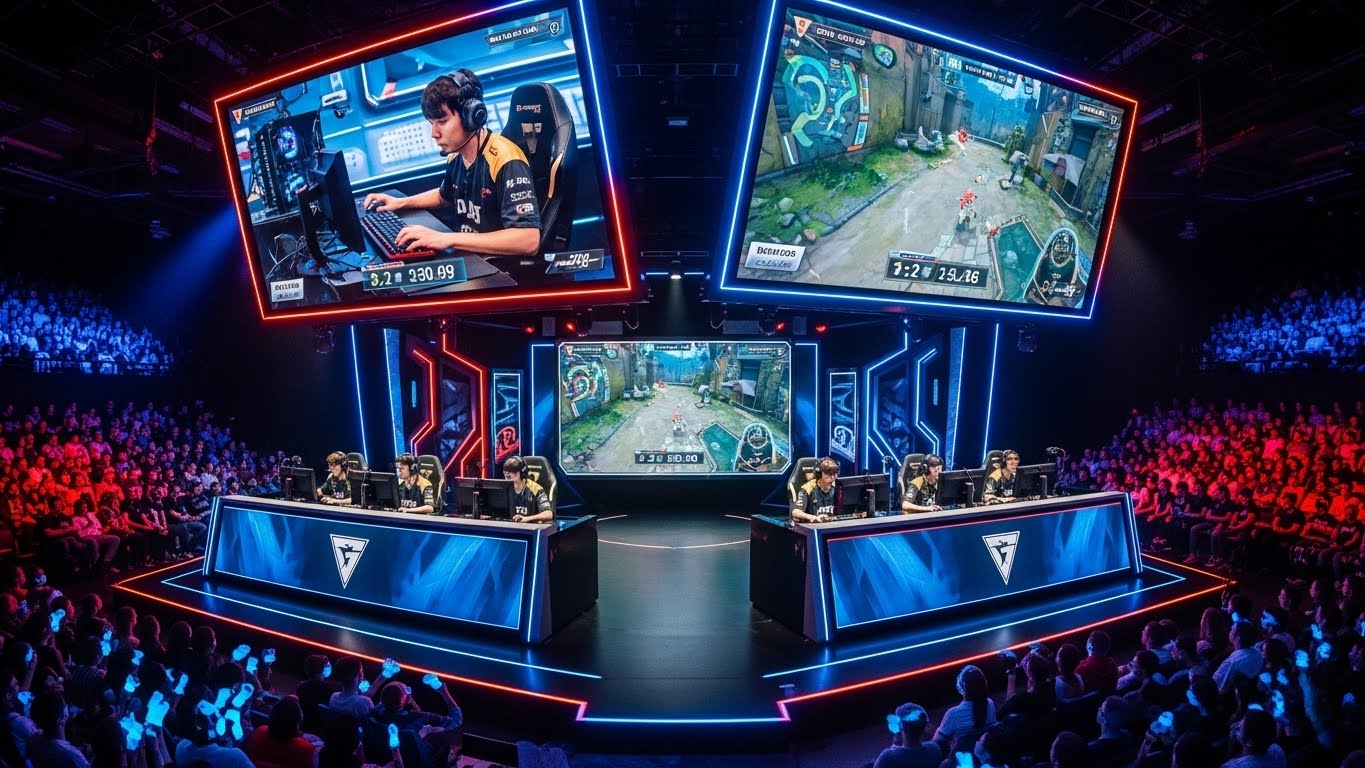
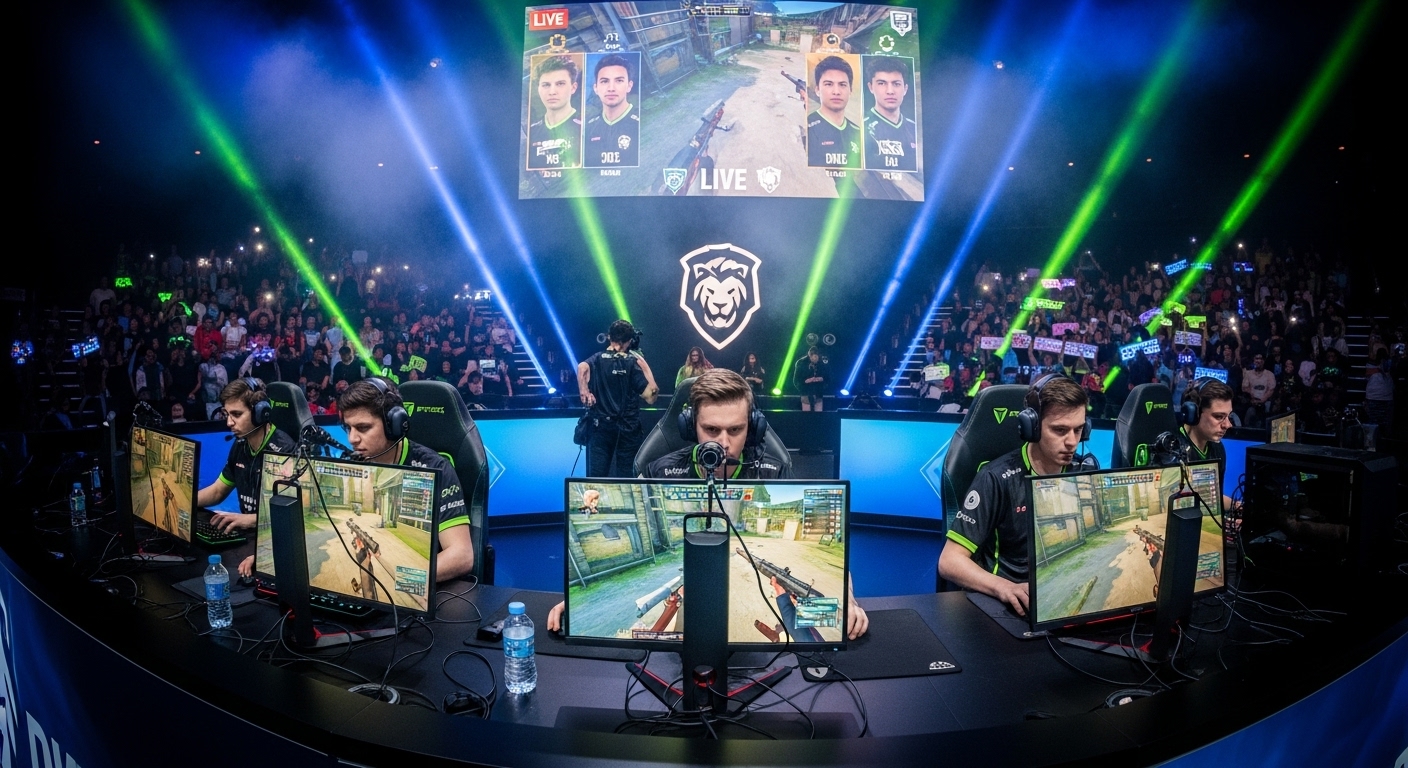
Events like the League of Legends World Championship or The International are not merely competitions; they are cultural celebrations. Fans fill entire stadiums, waving banners and cheering for their favorite teams. Online, millions more tune in to watch live streams, making esports one of the most-watched entertainment categories globally.
Challenges Facing Esports
Despite its rapid growth, esports faces several challenges that need addressing. One major issue is player burnout. The intense schedule and constant pressure can take a toll on players’ physical and mental health. Many retire young, often in their mid-20s, due to stress or repetitive strain injuries.
Another challenge is maintaining fair play. Cheating, match-fixing, and doping scandals have occasionally plagued the industry, prompting organizers to implement stricter regulations and oversight. Ensuring competitive integrity is essential for sustaining public trust.
Gender disparity also remains a concern. While gaming itself is universal, professional esports has historically been male-dominated. However, more initiatives are now emerging to promote diversity and inclusivity in the industry.
Finally, there’s the question of long-term sustainability. The esports ecosystem relies heavily on sponsorships and media rights, making it susceptible to market fluctuations. Creating stable revenue models that benefit players, teams, and organizers alike remains a key focus for the future.
Esports and Traditional Sports: A Comparison
The relationship between esports and traditional sports is fascinating. Both share elements of competition, strategy, teamwork, and fan engagement. However, esports operates in a digital environment where innovation happens at a much faster pace. Unlike physical sports, esports titles evolve constantly through patches and updates, keeping the experience dynamic and unpredictable.
Traditional sports organizations have taken notice. Major franchises like the NBA, FIFA, and Formula 1 have launched their own esports divisions, blending physical and digital competition. This crossover has helped legitimize esports even further, bridging generational gaps and attracting broader audiences.
The Future of Esports
The future of esports looks brighter than ever. As technology continues to evolve, so will the ways people play, watch, and interact with games. Virtual reality and augmented reality could transform esports into fully immersive experiences, where players and fans engage in entirely new ways. Artificial intelligence may also play a role in analyzing performance and enhancing training.
Education and infrastructure around esports will continue to expand. Schools and universities are already offering esports programs that teach not just gaming skills but also management, marketing, and production. This institutional recognition ensures that esports is here to stay as a legitimate professional field.
Global tournaments will grow in scale and prestige, potentially rivaling events like the Olympics or World Cup. Discussions about including esports in major international sporting events have already begun, signaling its recognition as a true athletic discipline.
Conclusion
Esports is no longer a passing trend—it is a cultural and economic powerhouse redefining entertainment in the digital age. From humble beginnings in university labs and arcades to packed arenas and global broadcasts, esports has proven its staying power. It has bridged the gap between technology and competition, creating opportunities for millions and inspiring a new generation of athletes, creators, and innovators.
As we look toward the future, one thing is certain: esports will continue to evolve, challenge norms, and push the boundaries of what we consider sport and entertainment. The digital revolution it represents is still in its early stages, and its full potential is yet to be realized. Whether you’re a player, a fan, or a casual observer, there has never been a more exciting time to witness the incredible journey of esports unfold before our eyes.