






Introduction
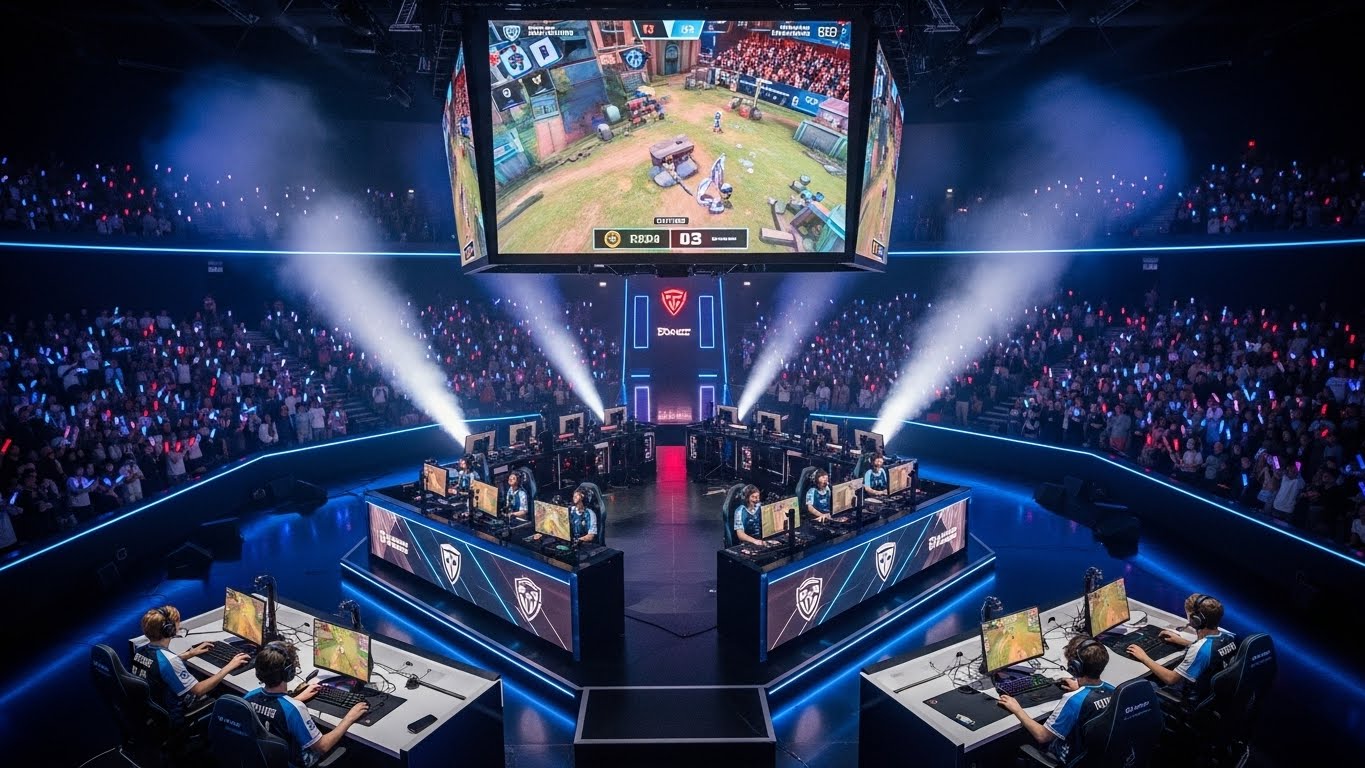
eSports, or electronic sports, has transformed gaming from a casual hobby into a global competitive industry. It combines skill, strategy, and teamwork in virtual arenas, attracting millions of players and fans worldwide. Unlike traditional sports, eSports thrives entirely in the digital space, offering exciting competitions, immersive experiences, and opportunities for players to showcase their talent on a global stage.
The Rise of eSports
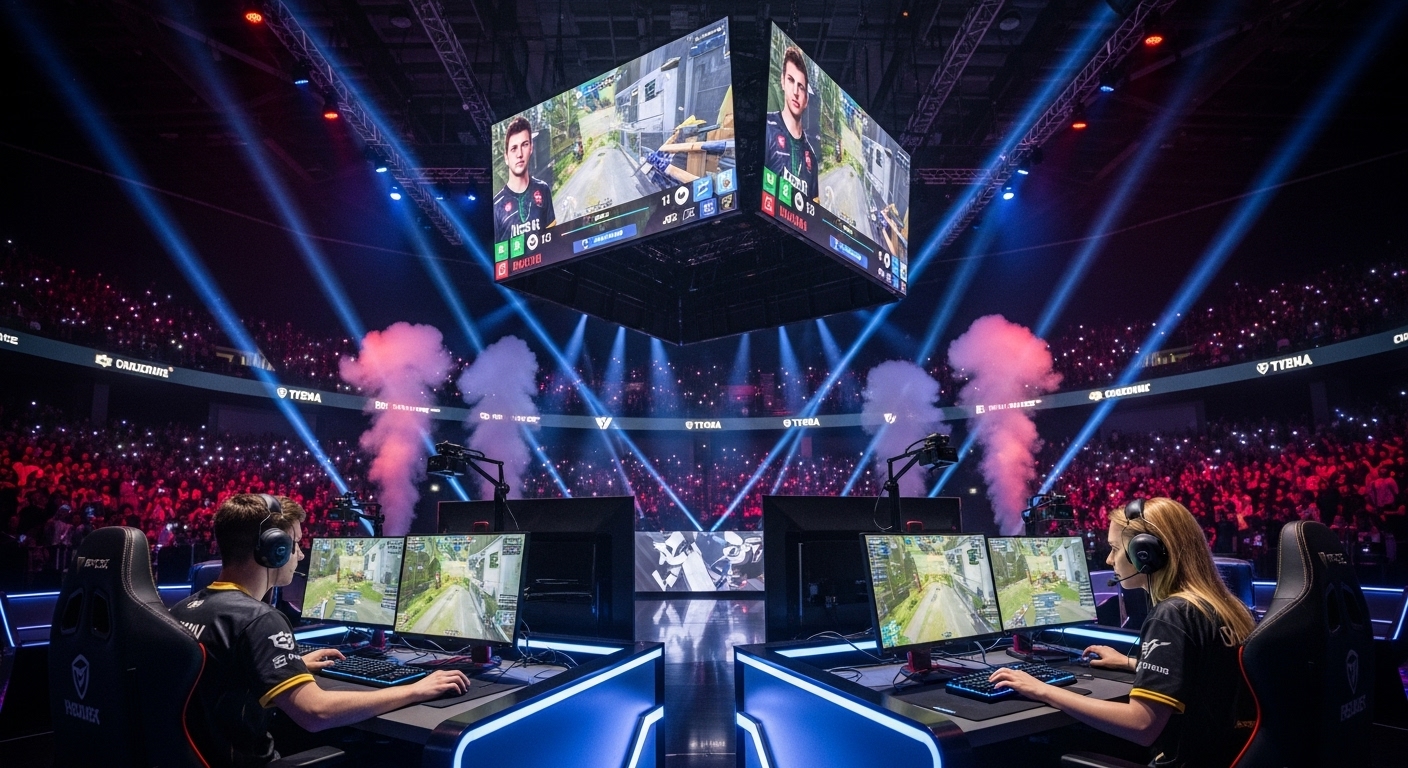
Over the last decade, eSports has grown at an unprecedented pace. What began as small tournaments among friends or local communities has evolved into international competitions with professional teams, massive audiences, and significant prize money. Popular titles such as League of Legends, Dota 2, Counter-Strike, and Fortnite dominate the scene, drawing players from every corner of the globe. The rise of live streaming platforms has further amplified the reach of eSports, allowing fans to watch matches in real-time and interact with their favorite players.
Skills and Strategy in eSports
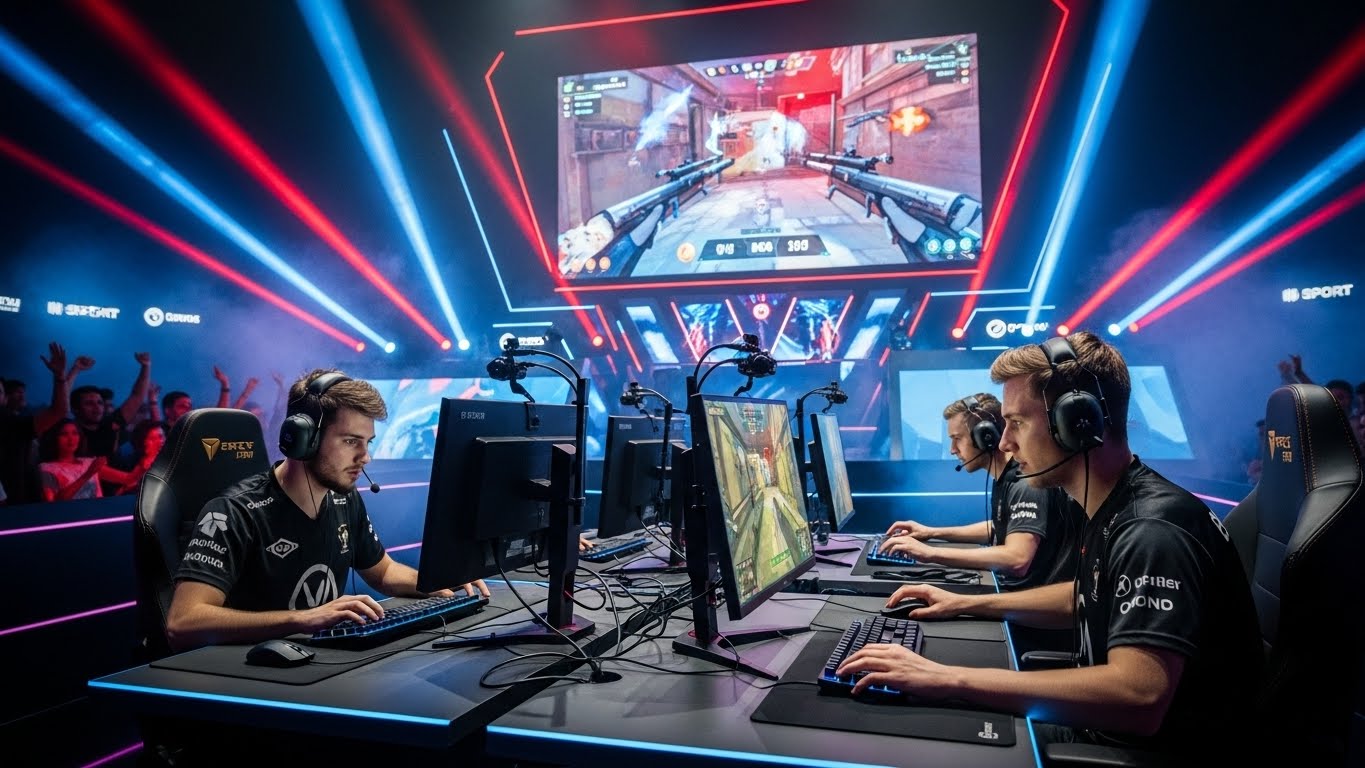
Success in eSports demands more than quick reflexes. Players must master strategy, critical thinking, and teamwork. Team-based games require effective communication, coordination, and leadership, while solo competitions test focus, adaptability, and decision-making under pressure. Professional players dedicate countless hours to practice, showing that eSports requires discipline, mental resilience, and commitment on par with traditional athletic pursuits.
Social and Cultural Impact
eSports has created a unique global community. Players and fans connect through online platforms, forming friendships, exchanging strategies, and sharing experiences. Major tournaments and events foster cultural exchange and bring diverse audiences together. Beyond entertainment, eSports has opened career paths in professional gaming, coaching, content creation, and event management, proving its influence as both a cultural and economic force.
Challenges in eSports
Despite its popularity, eSports faces challenges. Long hours of gameplay can affect physical and mental health, while online toxicity and unfair practices may harm the community. Regulatory standards and fair play enforcement are still evolving. Ensuring responsible gaming habits and maintaining a positive environment are essential for sustaining growth and player well-being.
The Future of eSports
The future of eSports is bright and full of innovation. Emerging technologies like virtual reality, augmented reality, and artificial intelligence are enhancing gameplay and creating more immersive experiences. As sponsorships, media coverage, and professional leagues expand, eSports is gaining recognition as a legitimate form of competition. Its influence will continue to grow, reshaping entertainment, sports, and global digital culture.
Conclusion
eSports is more than a digital pastime—it is a platform for skill, strategy, and global connection. It challenges players to excel, fosters communities, and delivers thrilling experiences for millions of fans worldwide. As technology evolves and the industry matures, eSports will continue to redefine competitive gaming, proving that the digital arena is as exciting, demanding, and impactful as any traditional sport.