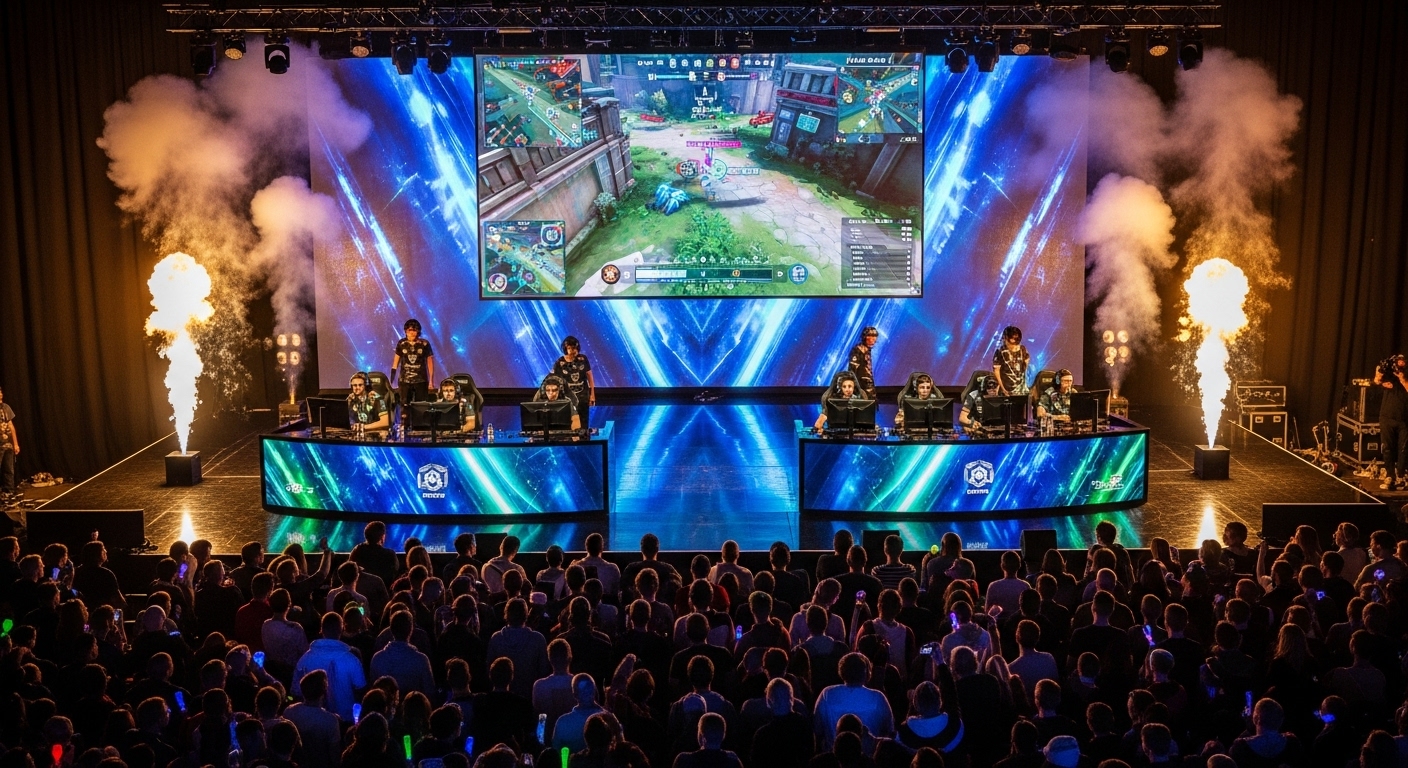






Introduction: The Emergence of eSports as a Global Phenomenon
Over the past few decades, a quiet revolution has been happening in the world of sports and entertainment. While traditional sports such as football, basketball, and soccer have dominated the global stage for centuries, a new contender has emerged: eSports. Once considered a niche hobby, competitive gaming has now become a mainstream spectacle, drawing millions of viewers, generating billions in revenue, and even attracting corporate sponsorships from some of the world’s largest brands.
eSports refers to organized, multiplayer video game competitions, particularly between professional players, individually or as teams. With major tournaments like “The International” for Dota 2, League of Legends World Championship, and Overwatch League, the rise of eSports has been nothing short of meteoric. This blog will explore the evolution, impact, and future of eSports, highlighting how it has transitioned from a casual pastime to a billion-dollar industry and why it is becoming the next big thing in global entertainment.
The Origins of eSports: From Arcade Competitions to Online Arenas
The roots of eSports can be traced back to the early 1970s and 1980s when video games began to rise in popularity. One of the earliest recorded gaming tournaments was the “Space Invaders Championship” held in 1980, which marked the first real competitive gaming event. However, it wasn’t until the internet revolution in the 1990s that eSports began to take shape as a serious competition. The development of online multiplayer games such as Quake and StarCraft in the late 1990s allowed players from different regions to compete against each other in real time. These games set the foundation for the eSports ecosystem that we see today.
By the early 2000s, competitive gaming began to gain traction in countries like South Korea, where StarCraft became a national obsession. In fact, South Korea’s broadcasting of StarCraft tournaments on television helped launch the idea of eSports into the global spotlight. The Korean eSports industry became a role model for how to build a competitive gaming culture, with dedicated training centers, professional leagues, and even government support.
The Rise of eSports: From Niche to Mainstream
As technology improved, so did the gaming experience. The advent of high-speed internet connections, combined with the rise of games designed specifically for competitive play, allowed eSports to flourish globally. Titles such as League of Legends, Dota 2, and Counter-Strike: Global Offensive became staples in the competitive gaming scene. What followed was a period of exponential growth.
In the 2010s, eSports took a giant leap forward in terms of both viewership and revenue. Live-streaming platforms like Twitch made it possible for gamers to broadcast their competitions to global audiences, providing a platform for both amateurs and professionals alike. For the first time, fans could watch top-tier players battle in real-time, leading to the creation of large fanbases around specific games and players.
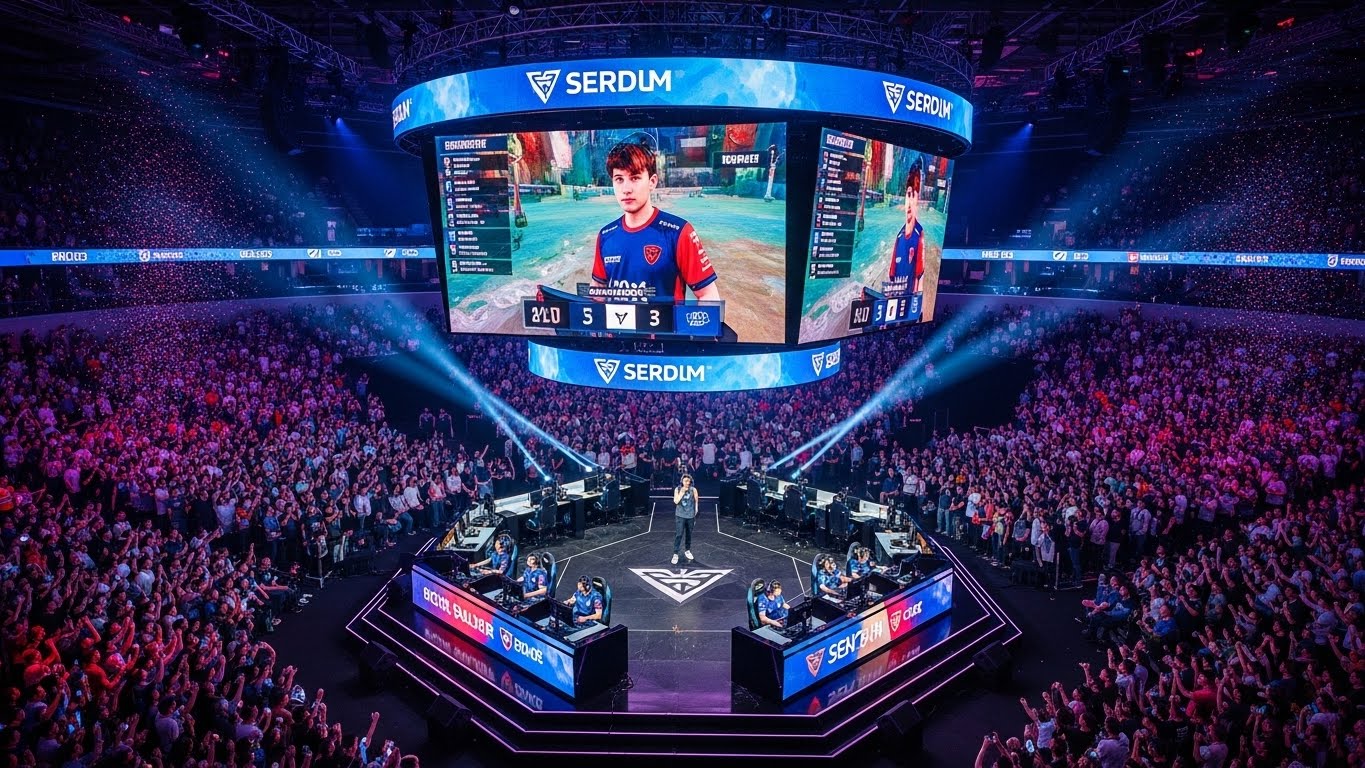
Alongside Twitch, YouTube Gaming and other platforms played an integral role in bringing eSports into mainstream consciousness. Major eSports tournaments began to attract millions of viewers, with some of the biggest events broadcasting live to millions of people worldwide. The League of Legends World Championship, for example, regularly draws more viewers than major traditional sporting events like the NBA Finals or the Super Bowl.
The Professionalization of eSports: From Hobbyists to Full-Time Athletes
As the eSports industry expanded, it became more professionalized. What was once a pastime for passionate gamers is now a legitimate career for many. Players no longer just compete for fun; they play for a paycheck. In fact, the world’s top eSports athletes can earn salaries comparable to those of traditional sports stars. The prize pools in top eSports tournaments have grown to unprecedented levels. For example, The International 2021 (the annual Dota 2 tournament) boasted a prize pool of over $40 million, making it one of the largest in the history of competitive gaming.
The professionalization of eSports extends beyond the players themselves. Teams and organizations have become central to the eSports ecosystem. Much like traditional sports teams, eSports organizations such as Cloud9, Team Liquid, and T1 have established themselves as powerhouses, recruiting top players, offering coaching, and managing sponsorships. These organizations also offer their players the resources they need to train at the highest level, including specialized gaming houses and support staff like nutritionists and psychologists.
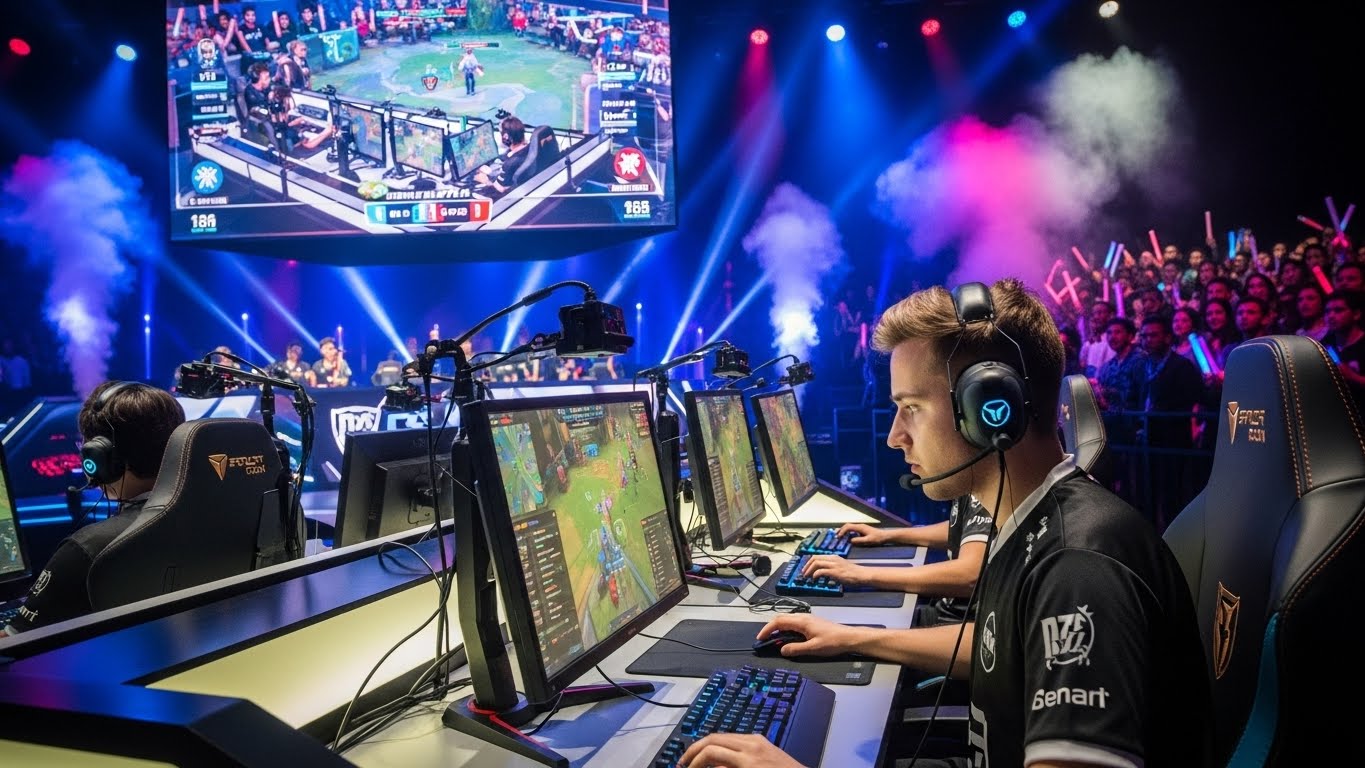
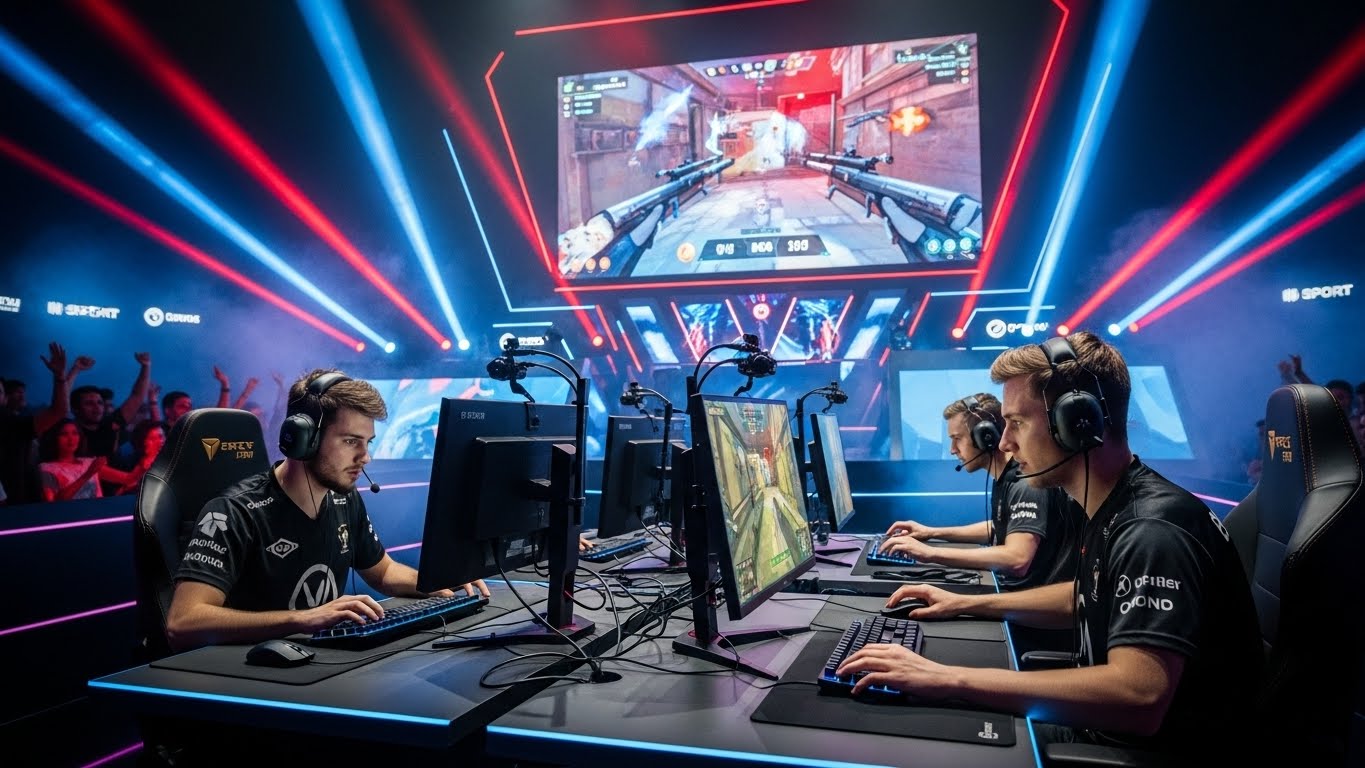
Players, too, have become more disciplined. A typical eSports athlete’s day consists of hours of practice, strategy sessions, and even physical training, as staying fit can enhance focus and reaction times during tournaments. The rise of coaching and analysis in eSports also mirrors traditional sports, with dedicated roles like analysts, casters (commentators), and statisticians who break down gameplay and provide expert insight to viewers.
The Business Side of eSports: Sponsorships, Revenue, and Branding
One of the main reasons behind eSports’ rapid rise is its appeal to major brands and corporations. Big companies like Intel, Coca-Cola, Nike, and Mercedes-Benz have all invested heavily in eSports sponsorships, recognizing the potential of the gaming audience. eSports has the unique advantage of appealing to a young, tech-savvy demographic that is often hard to reach through traditional advertising methods.
Sponsorships are a major source of revenue in eSports, and tournaments with massive prize pools are often funded by these corporate partnerships. In addition to sponsorships, eSports generates significant revenue through streaming platforms, media rights deals, merchandise sales, and ticket sales to live events. The business model behind eSports is strikingly similar to traditional sports, with a focus on branding, media deals, and consumer engagement.
Furthermore, many players have capitalized on their eSports fame by creating personal brands. Popular eSports athletes regularly engage in live streams, content creation, and social media to connect with their fanbase and monetize their brand. Streamers like Ninja (Tyler Blevins) and Shroud have built careers around their gaming skills, earning millions of dollars through sponsorships, merchandise, and donations from fans.
eSports and the Global Audience: Cultural Impact and Accessibility
One of the most significant factors contributing to eSports’ global success is its accessibility. Unlike traditional sports that require physical infrastructure (stadiums, fields, etc.), all you need to play eSports is a computer and an internet connection. This has allowed people from all corners of the world to engage with eSports, whether as players or spectators.
Moreover, eSports transcends language barriers. Games like League of Legends and Overwatch have international appeal, with tournaments featuring teams from North America, Europe, Asia, and Latin America. The global nature of eSports also fosters cultural exchange, with players and fans from diverse backgrounds coming together to celebrate their shared love of gaming.
eSports also holds a special place in the world of education. Schools and universities are increasingly offering scholarships to talented eSports players, recognizing the potential of competitive gaming as a viable career path. In some countries, eSports is even being integrated into school curriculums, allowing students to develop skills in teamwork, strategic thinking, and communication. This shift is helping legitimize eSports as an important form of competition, alongside traditional sports.
The Future of eSports: Growth, Challenges, and Opportunities
The future of eSports looks incredibly bright. As technology continues to advance, so too will the experience of playing and watching eSports. Virtual reality (VR) and augmented reality (AR) are expected to play an increasingly important role in making eSports more immersive for players and fans alike. As 5G technology becomes more widespread, latency issues will decrease, enabling smoother, faster gameplay and an even better streaming experience.
However, the industry is not without its challenges. One of the primary concerns is the mental and physical health of professional gamers. The intense pressure of competing at the highest level, coupled with the long hours of training, can lead to burnout and health issues. As eSports becomes more established, there will be an increasing focus on ensuring the well-being of its athletes.
Another challenge facing the eSports industry is its relative lack of regulation. While traditional sports have long had established governance structures, eSports is still developing its framework. Ensuring fair play, preventing cheating, and establishing clear codes of conduct are all critical issues that will need to be addressed as the industry matures.
Despite these hurdles, eSports continues to thrive. With growing viewership, increased investment, and new technologies on the horizon, eSports is set to become a central part of the global entertainment landscape. The days when competitive gaming was seen as just a hobby are long gone, and the future of eSports holds limitless potential.
Conclusion: The New Era of Competitive Gaming
eSports has proven itself to be more than just a passing trend. What began as a small community of passionate gamers has blossomed into a massive industry that rivals traditional sports in terms of viewership, revenue, and cultural impact. Whether it’s the rise of professional players, the explosion of sponsorships, or the global fanbase, eSports is shaping the future of entertainment.
As the industry continues to evolve, eSports will undoubtedly influence the broader world of sports and media. With its ability to bring people together across borders and cultures, eSports represents a new era of competition and entertainment that’s here to stay. For gamers, fans, and investors alike, the world of eSports is more exciting than ever before.