





Esports has rapidly transformed from a niche hobby into a global phenomenon. Once regarded as an activity for gamers and tech enthusiasts, competitive gaming has now become a multibillion-dollar industry, attracting millions of fans, investors, and media companies. Today, esports is not just about playing video games—it’s about organized competition, teamwork, skill development, and entertainment on a massive scale. In this blog post, we will explore how esports has evolved, its impact on entertainment and culture, and why it’s poised to continue growing in the years to come.
What Exactly is Esports?
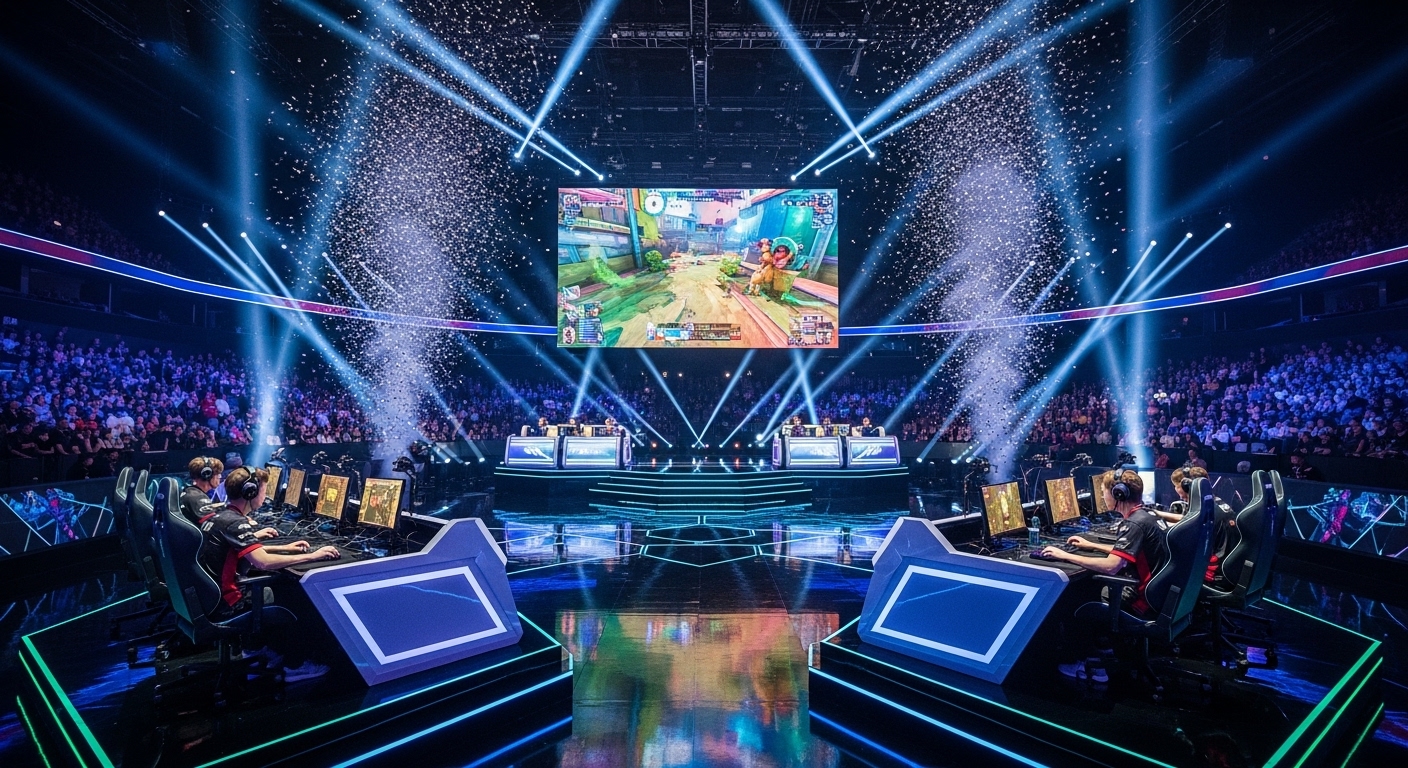
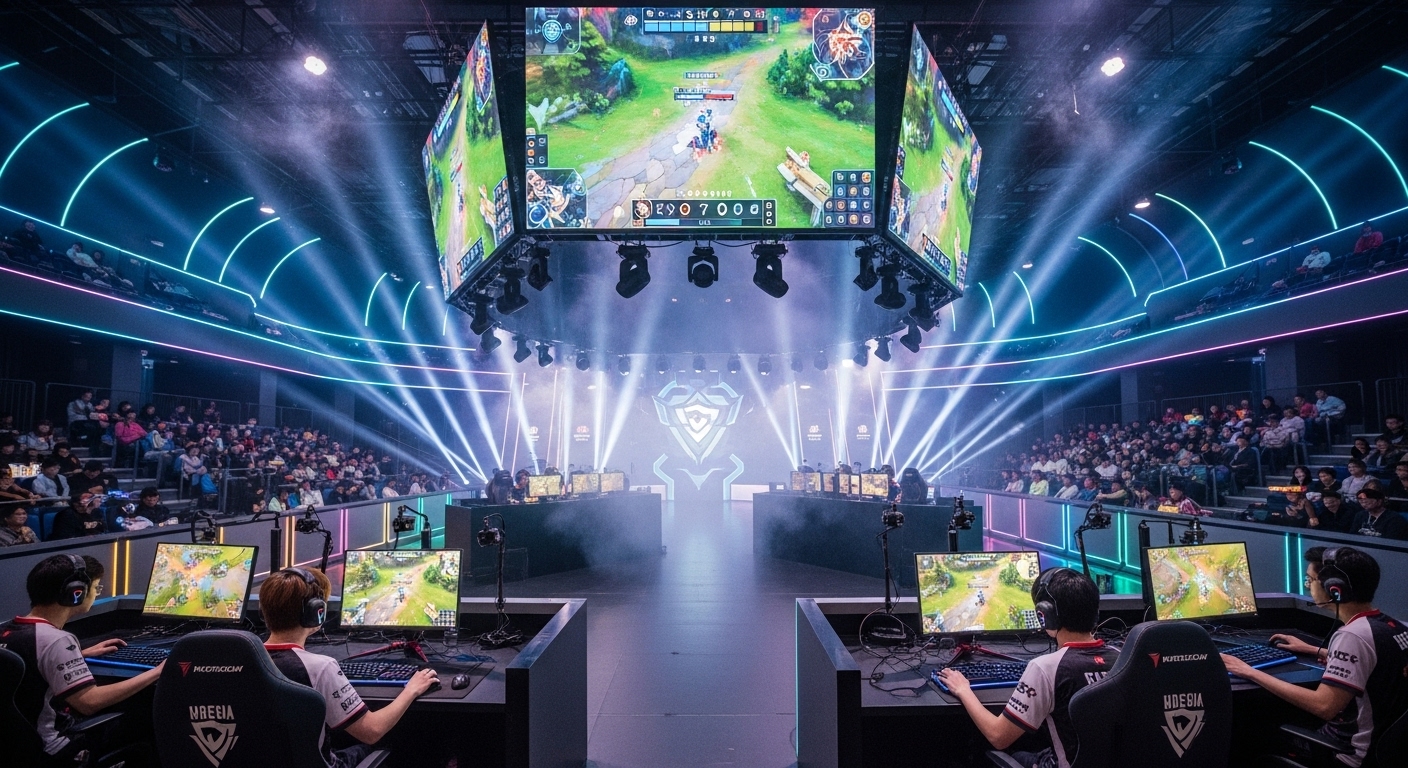
At its core, esports refers to organized, multiplayer video game competitions, often between professional players, teams, and organizations. Just like traditional sports, esports competitions are structured with leagues, tournaments, and seasons. These competitions take place in popular games such as League of Legends, Dota 2, Counter-Strike: Global Offensive, Overwatch, and Fortnite, where players or teams compete for cash prizes, sponsorships, and prestige.
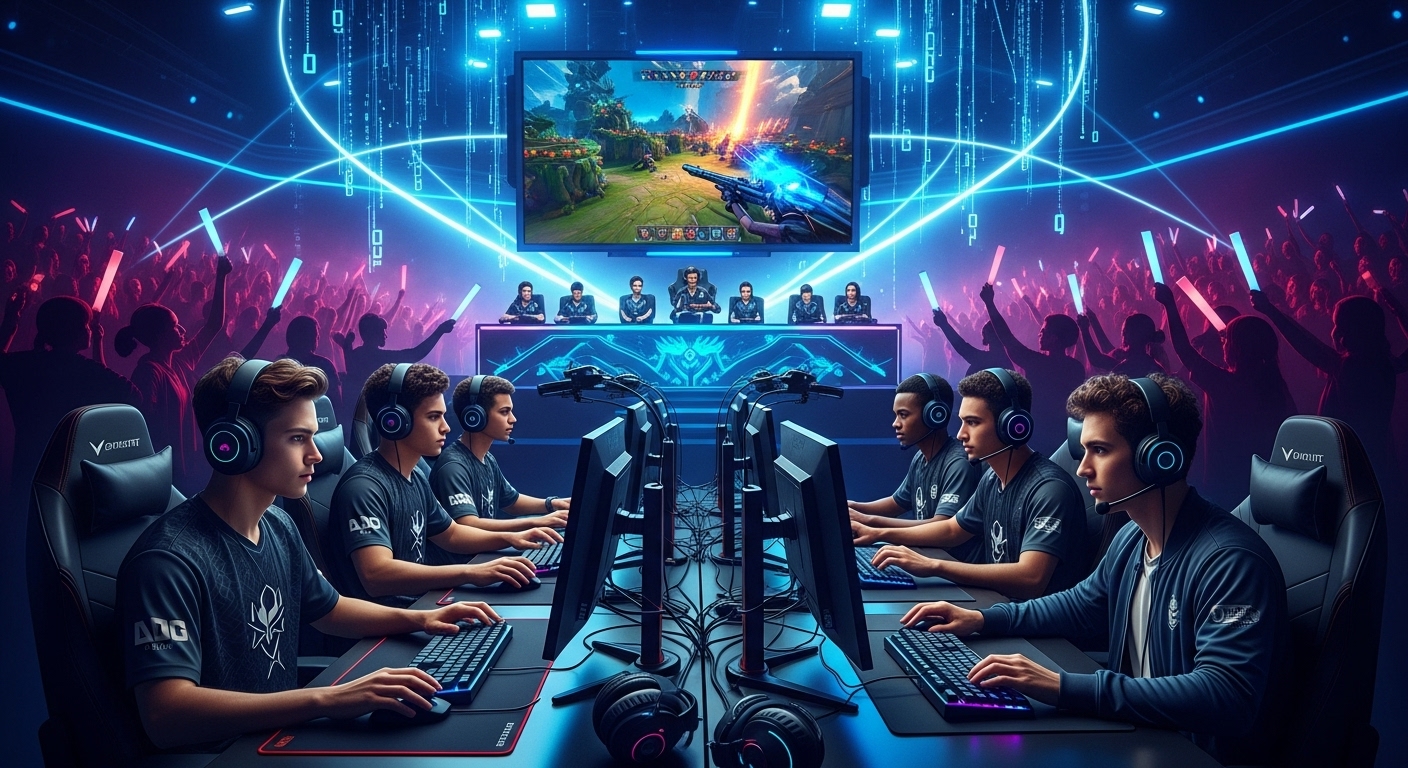
Unlike casual gaming, which is primarily played for enjoyment, esports involves high-level competition where players practice extensively, refine their skills, and compete in various events throughout the year. In many ways, esports is a blend of gaming and professional sports, with players training, strategizing, and participating in competitions that attract millions of viewers both online and in physical arenas.
The Early Days: From LAN Parties to Global Competitions
Esports may seem like a modern invention, but its roots go back to the late 1990s and early 2000s. During this period, gamers began organizing local area network (LAN) parties, where people would gather in one place to play multiplayer games like Quake and StarCraft. These LAN events were often informal but provided a space for competitive gamers to test their skills and connect with others who shared their passion for gaming.
In the early 2000s, the first major esports tournaments started to take shape, with games like Warcraft III and Counter-Strike leading the charge. At this time, esports was primarily a subculture, with small prize pools and limited media exposure. But as the popularity of online gaming grew, so did the interest in competitive gaming. The turn of the millennium marked the beginning of a movement that would eventually lead to the globalized esports industry we see today.
The Birth of Professional Leagues and Big Tournaments
The true turning point for esports came in the mid-2000s, when major companies and game developers began to recognize the potential of competitive gaming. Games like Warcraft III and StarCraft became popular fixtures in esports competitions, with the creation of large-scale tournaments offering significant prize money.
In 2011, League of Legends was launched by Riot Games, which would become a game-changer for esports. Riot Games invested heavily in creating the League of Legends Championship Series (LCS), which served as a professional esports league with regular seasons and tournaments. This was a pivotal moment for esports, as it introduced the concept of a professional league that mirrored the structure of traditional sports leagues like the NBA or NFL.
Soon after, other game developers followed suit. Blizzard Entertainment introduced Overwatch, and Valve Corporation’s Dota 2 saw the creation of its highly successful The International tournament, which boasted the largest prize pool in esports history. These tournaments attracted millions of viewers from around the world and sparked a new wave of mainstream interest in esports.
The Role of Streaming Platforms in Esports Growth
The rise of streaming platforms has played a key role in esports’ explosive growth. Platforms like Twitch, YouTube Gaming, and Facebook Gaming have allowed gamers and esports fans to watch live competitions from anywhere in the world. What started as a platform for gamers to share their gameplay quickly grew into the primary space for watching professional esports tournaments.
Twitch, in particular, has become the dominant platform for esports broadcasts. It allows viewers to watch live competitions, follow their favorite teams and players, and engage in real-time chats. The platform has also allowed players and teams to build their own fanbases and monetize their streams through subscriptions, donations, and sponsorships. As a result, many professional players have turned streaming into a career, using platforms like Twitch to not only play games but also interact with their communities and generate income.
Esports events are now streamed to millions of viewers globally, with major tournaments attracting viewership comparable to traditional sports events. For instance, the League of Legends World Championship regularly pulls in tens of millions of viewers, rivaling the viewership of established sports like the Super Bowl or the FIFA World Cup Final.
Esports as a Career: New Opportunities for Gamers
In the past, being a professional gamer seemed like an impossible dream for many. But with the rise of esports, becoming a pro player or content creator is now a viable career path. Esports professionals can earn money not just from tournament prizes, but also from sponsorships, advertising, streaming, and brand partnerships. Professional teams, such as Cloud9 or Team Liquid, have built entire organizations around competitive gaming, offering salaries, coaching, and training facilities for their players.
Esports players train rigorously, practicing for hours every day to hone their skills. Like traditional athletes, they must maintain a high level of physical and mental conditioning to stay competitive. While esports players may not have to deal with the same physical toll as, say, football players or basketball athletes, they still face intense pressure and stress, making mental health and emotional support a growing focus within the industry.
In addition to professional players, many other career opportunities have emerged within the esports ecosystem. Coaches, analysts, broadcasters, content creators, and event organizers all play key roles in ensuring that esports runs smoothly. As the industry continues to expand, the demand for skilled professionals in these areas is on the rise, making esports a promising career path for many young people interested in gaming and technology.
Esports and Traditional Sports: A Growing Intersection
While esports and traditional sports may seem like separate entities, the lines between the two are increasingly blurring. Many traditional sports organizations are now investing in esports teams, leagues, and tournaments. For example, NBA teams like the Philadelphia 76ers and Dallas Mavericks have bought esports teams in leagues like NBA 2K League and FIFA eWorld Cup. Even soccer clubs such as FC Barcelona and Manchester City have entered the world of esports, creating partnerships with gaming companies and sponsoring esports competitions.
This crossover has brought a new dimension to the world of sports, with traditional athletes often appearing in esports events, and esports players gaining recognition among sports fans. Some professional athletes have even invested in esports teams, seeing the potential in the growing industry. The relationship between esports and traditional sports is one of mutual growth, as both sectors learn from each other and share fans, sponsorships, and marketing efforts.
The rise of esports also mirrors broader trends in entertainment and digital media consumption. As more people turn to digital platforms for content consumption, esports is in a unique position to capitalize on this shift. Just like traditional sports, esports provides live entertainment and a sense of community for fans, but it does so in a way that speaks to a new generation raised on digital media.
The Challenges Facing Esports
Despite its rapid growth, esports still faces a number of challenges. One of the most pressing concerns is the issue of player health and wellness. The long hours spent training and playing can take a toll on players’ mental and physical well-being. From eye strain to repetitive stress injuries, the physical demands of professional gaming are often overlooked. Moreover, the intense pressure to perform at a high level can lead to burnout, anxiety, and depression, which is why many esports organizations are beginning to address these issues by providing mental health support, better work-life balance, and physical therapy.
Another challenge facing the industry is its lack of diversity. While the gaming community has become more inclusive over time, esports has often struggled to achieve gender parity. Female gamers and players from underrepresented groups still face significant barriers to entry in professional leagues and tournaments. However, there are ongoing efforts to address this imbalance, with initiatives aimed at promoting diversity, inclusion, and equal opportunities in esports.
Finally, there is the issue of regulation and fairness. Just like traditional sports, esports has had its share of cheating scandals, match-fixing controversies, and issues surrounding player contracts and salaries. As the industry grows, so too does the need for oversight and regulation to ensure that the competitions remain fair, transparent, and ethical.
Looking Ahead: The Future of Esports
Esports shows no signs of slowing down. With continued investment, growing fanbases, and the increasing crossover with traditional sports, esports is set to remain a major force in the world of entertainment. The next frontier for esports is virtual reality (VR) and augmented reality (AR), which could completely revolutionize the way games are played and viewed. With VR technology, fans could experience esports competitions from the perspective of a player, immersing themselves in the action like never before.
Moreover, as esports becomes more mainstream, its potential to reach new audiences is vast. Events are already being broadcast on television networks, and esports is increasingly being integrated into pop culture through media, advertising, and sponsorships. As more people engage with esports through live streams, social media, and virtual events, the industry will continue to grow and evolve, creating new opportunities for players, fans, and businesses alike.